

CRYPTEDPAY ransomware is a virus that focuses on file-locking, so the ransom in Monero can be demanded

CRYPTEDPAY ransomware is a dangerous blackmail-based virus that uses encryption software and attacks various devices to affect files and get money directly from victims. This virus can lock files quickly because it uses the powerful AES-256 algorithm,[1] which allows the threat to damage commonly used files and demand the $280 in Monero cryptocurrency. The ransom should be paid in the first 62 hours after the attack because criminals promise to get rid of the data after this time period.
Once the machine is infected and files encoded, the affected pictures, documents, video, audio files get the .CRYPTEDPAY marker, you can be sure that the malicious procedures are done for the most part. The desktop gets changed to a short message that indicates encryption, and the text file appears placed on the desktop in other folders with the encrypted files. This README.txt document is a lengthy message from criminals with a guide on what to do next.
The ransom message is direct money demand and the file purposefully scaring people into paying the asked amount. However, people behind the CRYPTEDPAY virus are nothing but cybercriminals, so you need to ignore these encouragements and make sure to remove the threat fully, recover your files using proper backups and repair any issues caused by the virus damage.
Since the infection is new and not belonging to any known threat families, it is not decryptable. There are no tools specifically designed to decrypt files affected by this infection, so official solutions are limited. However, we can offer helpful tips for when the machine is affected by this threat, and the first one is DO NOT PAY. Try to use your AV tools to remove the threat and file backups for the thorough file recovery instead. Paying is never a good option because you may get your files locked further or not recovered even if you transfer funds to the wallet of these criminals.
| Name | CRYPTEDPAY virus |
|---|---|
| Type | Cryptovirus, file-locker, ransomware |
| File marker | .CRYPTEDPAY appendix gets added to locked data |
| Ransom note | README.txt – appears in various folders and on the desktop |
| Ransom amount | $280 in XMR – Monero cryptocurrency |
| Contact information | ranshelp@tutanota.com |
| Distribution | Macro virus[2] method is used, and files with the payload get spread using spam email attachments, malicious sites, torrent platforms |
| Is decryption possible? | No official decryption software |
| Elimination | You can and should remove the virus using anti-malware programs and a full system scan |
| Repair | The system is affected by such threats significantly, so you need to run FortectIntego or a similar tool to clear any damage and virus leftovers |
CRYPTEDPAY file virus is making all the changes on the machine right after the infiltration. Unfortunately, the infection can access the computer easily due to the deceptive techniques and help from other threat actors. The infection can be quick because malicious macro viruses get added to Word, Excel, PDF files and distributed as attachments on spam emails.
The user only needs to open such attachments, don't the machine, and enable macros with one click of a button, and the payload is activated. The same procedure happens when the torrent platform, pirating services get used as a source for software or cheats, cracks, other files. EXE files often get installed without your knowledge, and the malware starts its attack.
Steps of the infection and how to recover after that
The infection is not starting with the encryption, but the subtle changes on the PC do not cause any symptoms at first, but after that, CRYPTEDPAY ransomware moves on to encryption. This is the worst process because your files get locked, encoded, and changed from the original format. The particular file extension is indicating the name of this virus.
However, even though this is a file encryption threat, the virus is not only damaging your common files. The malware can access and corrupt data in system folders and directories, so the threat is more persistent and that any additional activities are not interrupted. It also can disable tools like anti-malware, but those are extremely important to the removal process.
These anti-malware programs are based on threat detection, and the functionality allows to find and terminate any files related to the CRYPTEDPAY file locker. Tools like SpyHunterCombo Cleaner or MalwarebytesMalwarebytes are the best in the malware elimination department because of the higher possible detection rate.[3] You might find it difficult to run the app, so rely on the guide below the article that shows how to enter the Safe Mode with networking.

However, this encoding of the common files is not the only issue. The infected computer system is changed to operate differently too. The infection can alter the Windows registry database, damage vital bootup, and other sections, delete or corrupt DLL files, etc. Once a system file is damaged by malware, antivirus software cannot do anything about it, leaving it just the way it is.
Therefore, we highly recommend using a one-of-a-kind, patented technology of FortectIntego repair. Not only can it fix virus damage after the infection, but it is also capable of removing malware that has already broken into the system thanks to several engines used by the program. Besides, the application can also fix various Windows-related issues that are not caused by malware infections, for example, Blue Screen errors, freezes, registry errors, damaged DLLs, etc.
- Download the application by clicking on the link above
- Click on the ReimageRepair.exe
- If User Account Control (UAC) shows up, select Yes
- Press Install and wait till the program finishes the installation process
- The analysis of your machine will begin immediately
- Once complete, check the results – they will be listed in the Summary
- You can now click on each of the issues and fix them manually
- If you see many problems that you find difficult to fix, we recommend you purchase the license and fix them automatically.
Removal of the CRYPTEDPAY ransomware is not the same as file recovery
CRYPTEDPAY ransomware virus delivers a long message in the README.txt file about the infection and encryption consequences, but the only option listed on the ransom message is paying the $280 in Monero within 62 hours. Criminals “helpfully” list all the steps you need to take to obtain the currency and state that you will lose everything if you do not meet their requirements.
It is possible because criminals may encrypt files again and make them permanently damaged or delete any remaining data from the machine. These people do not care about your belongings, so we do not recommend contacting criminals in any circumstances. Ignore any scary messages and make sure to remove the virus as soon as possible to avoid damage and data or financial losses.
However, the recovery options for the CRYPTEDPAY ransomware are limited because decryption tools take a long time to develop, and we do not have any other universal decryptor to offer. If you remove the virus and make sure to recover the system fully after, you can rely on your backups or other software. AV applications are not helping with decryption or any data restoring functions.

Since many users do not prepare proper data backups before being attacked by ransomware, they might often lose access to their files permanently. Paying criminals is also very risky, as they might not fulfill the promises and never send back the required decryption tool.
While this might sound terrible, not all is lost – data recovery software might be able to help you in some situations (it highly depends on the encryption algorithm used, whether ransomware managed to complete the programmed tasks, etc.). Since there are thousands of different ransomware strains, it is immediately impossible to tell whether third-party software will work for you.
Therefore, we suggest trying regardless of which ransomware attacked your computer. Before you begin, several pointers are important while dealing with this situation:
- Since the encrypted data on your computer might permanently be damaged by security or data recovery software, you should first make backups of it – use a USB flash drive or another storage.
- Only attempt to recover your files using this method after you perform a scan with anti-malware software.
Install data recovery software
- Download Data Recovery Pro.
- Double-click the installer to launch it.
- Follow on-screen instructions to install the software.
- As soon as you press Finish, you can use the app.
- Select Everything or pick individual folders where you want the files to be recovered from.
- Press Next.
- At the bottom, enable Deep scan and pick which Disks you want to be scanned.
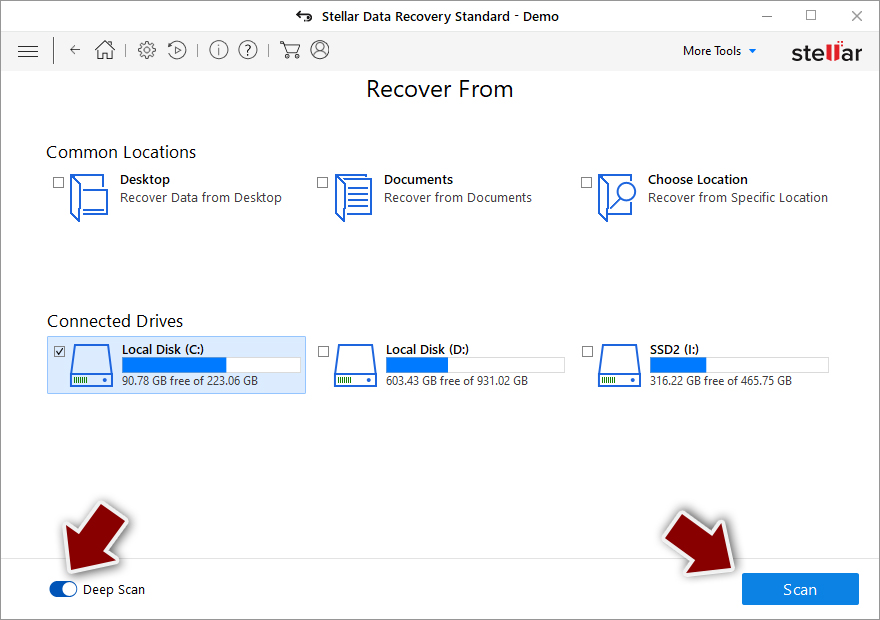
- Press Scan and wait till it is complete.
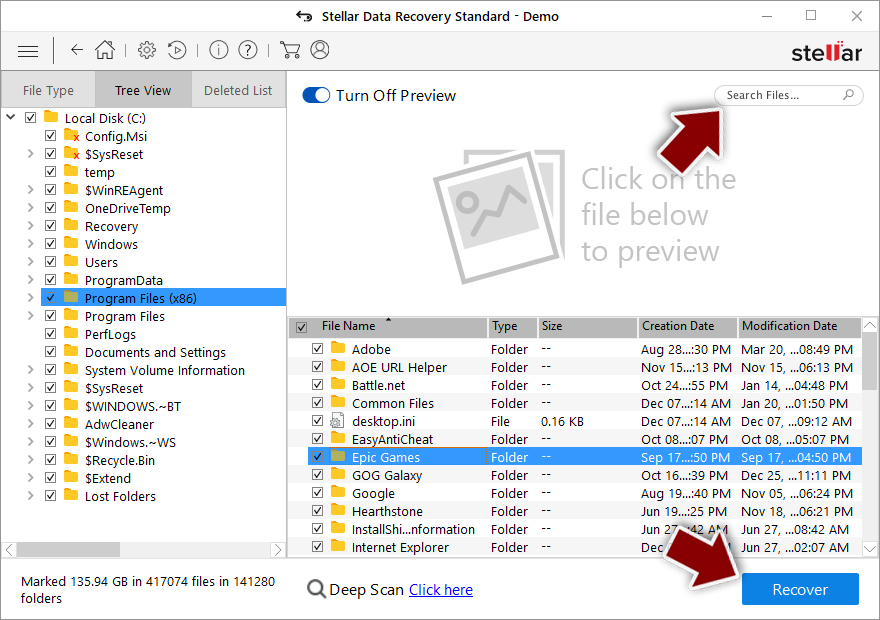
- You can now pick which folders/files to recover – don't forget you also have the option to search by the file name!
- Press Recover to retrieve your files.


CRYPTEDPAY ransomware can also infect the computer using the help of other threats like trojans and malware. Those pieces can add the payload of the ransomware without causing any issues and additionally run on the machine affecting the speed and performance behind your back.
All these possibilities are endless, so you need to run anti-malware tools like SpyHunterCombo Cleaner or MalwarebytesMalwarebytes to clear any infections that can affect the ransomware's persistence, help keep it running, or affect the different system functions. ANy leftovers and possibly malicious programs can be terminated, so the machine is no longer infected, and you can use it again.
Of course, before you rely on the machine again, you need to repair damaged pieces and clear the system corruption. The removal of the CRYPTEDPAY virus is not the only process that victims need to take. System repair with FortectIntego or a similar application can improve the data recovery process.
If you couldn't recover the machine after the infection yourself with all the listed suggestions, you can rely on the instructions below that show where to check for possible decryption tools and how to back up your files. You can sometimes save some of the files related to the infection and wait for the decryption tool to be made. That is not very reliable, but possible. Keep those anti-malware tools up to date, so you can ensure that the computer is malware-free and secure.
Did this guide help?
Be the first to comment