

All that you need to know about Bus Component ads
Have Bus Component ads been bothering you lately? If so, it means that you have accidentally installed Bus Component virus along another free program. This ad-supported application is not considered malicious. However, its activity forces the computer to run slowly and malfunction. Therefore, computer security experts say that it is better to remove Bus Component adware from the system before it tricks you into clicking on one of its deceitful ads.
As you have guessed, ad-supported programs display advertisements. This is exactly what this questionable program does. In fact, its ads often look trustworthy or even useful! Not surprisingly, users want to click on them. However, we strongly recommend not doing so because these advertisements can strongly disappoint you. It appears that this adware gathers certain information about user’s habits before displaying these ads; therefore, it becomes clear why these ads look so attractive. It collects personally non-identifiable data: your search queries, clicks, sees what websites do you go to. Please bear in mind that information like your search queries CAN include personal details that can reveal your identity. It is enough to type in your full name into a search engine, and this adware will save this search query into its database.
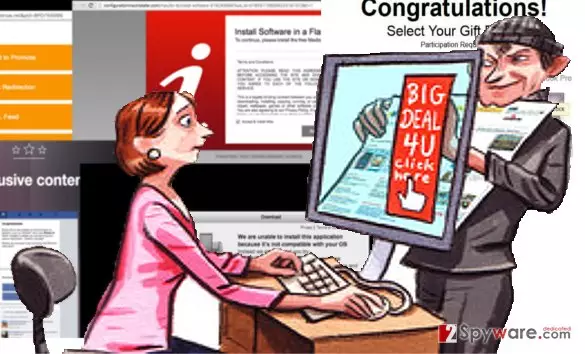
Nonetheless, this is not the worst feature of this program. What is worse, is that ads served by this program can point you to highly insecure web pages, and that is why we advise you to stay away from them. Beware that cyber criminals are capable of to infecting legitimate ads, so you should always think before clicking on too-good-to-be-true ads. Skip that offer to participate in 1 million prize pool lottery and avoid downloading free programs from sites that you are entirely unfamiliar with. Chances are, you can end up installing malware on your computer without even realizing it. That is why we suggest you to think about Bus Component removal as soon as you notice its ads on your PC screen. Use FortectIntego or a similar program to eliminate this parasite from your PC.
How did this program end up on your PC?
Do not think that someone has hacked your computer to install this adware on the system. Bus Component hijack could be caused by you because it is easy to install such programs unwillingly. All it takes is to install one or a few free programs carelessly. Remember that the majority of free software distributes additional third-party programs alongside them, and it is essential to find and deselect offers to install them if you do not want to place them on your computer system. These offers typically lie under Standard or Default installation settings, which, unfortunately, cannot be altered. That is the reason to choose Custom or Advanced settings instead – these settings can be adjusted manually. Select these settings, and then opt-out all suspicious optional components that you do not want to install.
How to remove Bus Component and stop these intrusive advertisements from appearing on your screen?
Ads disappear as soon as you remove Bus Component virus, so do not delay this task any longer. The existence of this adware program only makes your computer vulnerable to further infections, so protect your computer by completing Bus Component removal. This can be done automatically or manually. Manual removal instructions are given below, but if you wish to delete it manually, use FortectIntego or SpyHunterCombo Cleaner software.
Uninstall from Windows
Uninstall from Windows 10/8:
- Type Control Panel into the Windows search box and open the result.
- Under Programs, select Uninstall a program.


Uninstall from Windows 7/XP:
- Click on Windows Start > Control Panel (Windows XP users should click on Add/Remove Programs).
- In Control Panel, select Programs > Uninstall a program.


Remove the unwanted program:
- In the Programs and Features window, look for any recently installed suspicious entries, select them, and click Uninstall.
- If User Account Control appears, click Yes to confirm, then complete the removal.


Delete from macOS
Remove the unwanted application:
- From the menu bar, select Go > Applications.
- In the Applications folder, look for any suspicious entries, then drag them to Trash (or right-click and pick Move to Trash).


Delete leftover files and folders:
- Select Go > Go to Folder.
- Enter /Library/Application Support and remove any suspicious folders related to the unwanted program.
- Repeat the same check in the /Library/LaunchAgents and /Library/LaunchDaemons folders, deleting any suspicious entries.

- Finally, empty the Trash to permanently remove the leftovers.

Remove from Microsoft Edge
Delete unwanted extensions from MS Edge:
- Select Menu (three horizontal dots at the top-right of the browser window) and pick Extensions.
- From the list, pick the extension and click on the Gear icon.
- Click Remove.


Clear cookies and other browser data:
- Click on the Menu (three horizontal dots at the top-right of the browser window) and select Settings > Privacy, search, and services..
- Under Clear browsing data, pick Choose what to clear.
- Select Cookies and other site data and Cached images and files. (apart from passwords, although you might want to include Media licenses as well, if applicable) and click on Clear.


Restore new tab and homepage settings:
- Click the menu icon and choose Settings.
- Then find On startup section.
- Click Remove next to any suspicious startup page.
Reset MS Edge if the above steps did not work:
- Press on Ctrl + Shift + Esc to open Task Manager.
- Click on More details arrow at the bottom of the window.
- Select Details tab.
- Now scroll down and locate every entry with Microsoft Edge name in it. Right-click on each of them and select End Task to stop MS Edge from running.


Instructions for Chromium-based Edge
Delete extensions from MS Edge (Chromium):
- Open Edge and click select Settings > Extensions.
- Delete unwanted extensions by clicking Remove.


Clear cache and site data:
- Click on Menu and go to Settings.
- Select Privacy, search and services.
- Under Clear browsing data, pick Choose what to clear.
- Under Time range, pick All time.
- Select Clear now.


Reset Chromium-based MS Edge:
- Click on Menu and select Settings.
- On the left side, pick Reset settings.
- Select Restore settings to their default values.
- Confirm with Reset.
- This will disable extensions and reset startup pages but will not delete bookmarks, saved passwords, or browsing history.


Remove from Mozilla Firefox (FF)
Remove dangerous extensions:
- Open Mozilla Firefox browser and click on the Menu (three horizontal lines at the top-right of the window).
- Select Add-ons.
- In here, select the unwanted extension and click Remove.


Reset the homepage:
- Click three horizontal lines at the top right corner to open the menu.
- Choose Settings.
- Under Home, set your preferred homepage and new tab settings.
Clear cookies and site data:
- Click Menu and pick Settings.
- Go to Privacy & Security section.
- Scroll down to locate Cookies and Site Data.
- Click on Clear Data...
- Select Cookies and Site Data and Temporary cached files and pages, then click Clear.


Reset Mozilla Firefox
If clearing the browser as explained above did not help, reset Mozilla Firefox:
- Open Mozilla Firefox browser and click the Menu.
- Go to Help and then choose Troubleshooting Information.

- Under Give Firefox a tune up section, click on Refresh Firefox...
- Once the pop-up shows up, confirm the action by pressing on Refresh Firefox.



Remove from Google Chrome
Delete malicious extensions from Google Chrome:
- Open Google Chrome, click on the Menu (three vertical dots at the top-right corner) and select More tools > Extensions.
- In the newly opened window, you will see all the installed extensions. Uninstall all suspicious extensions related to the unwanted program by clicking Remove.


Clear cache and web data from Chrome:
- Click on Menu and pick Settings.
- Under Privacy and security, select Clear browsing data.
- Select Browsing history, Cookies and other site data, as well as Cached images and files.
- Click Clear data.


Change your homepage:
- Click menu and choose Settings.
- Look for a suspicious site in the On startup section.
- Click on Open a specific or set of pages and click on three dots to find the Remove option.
Reset Google Chrome:
If the previous methods did not help you, reset Google Chrome to eliminate all the unwanted components:
- Click on Menu and select Settings.
- In the Settings, scroll down and click Advanced.
- Scroll down and locate Reset and clean up section.
- Now click Restore settings to their original defaults.
- Confirm with Reset settings.


Delete from Safari
Remove dangerous extensions:
- Open Safari, click Safari in the menu at the top-left of the screen, and select Preferences.
- Go to the Extensions tab, look for any suspicious entries, and click Uninstall to remove them.


Clear history and website data:
- Click Safari in the menu and pick Clear History.
- Set Clear to all history and confirm with Clear History.


Reset Safari:
- Click Safari in the menu and select Preferences > Advanced.
- Enable Show Develop menu in menu bar.
- From the menu bar, click Develop and select Empty Caches.


Was this guide helpful?
3 comments