

Websearch.searchtotal.info – a browser hijacker you should stop using immediately
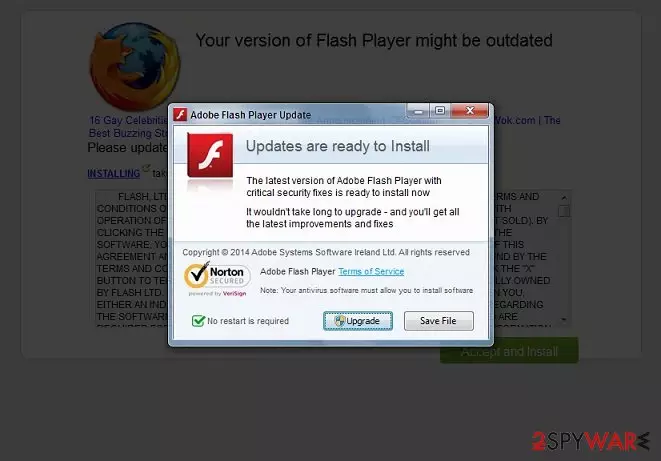
Websearch.searchtotal.info is a browser virus that may disguise itself as a search service provider you can trust, but the truth is, this program has already made it to the list of potentially unwanted ones. This so-called browser hijacker has been analyzed by various security experts, and their findings have not displayed the best of tendencies.
It has been exposed that websearch.searchtotal.info malware spreads in tricky ways, for instance, attached to other freeware as an “optional install.” One way to prevent its infiltration is careful software installation. In addition to stealthy infiltration, another characteristic feature of this suspicious plug-in is related to the corruption of web browsers' settings.
Once installed, the hijacker may affect web browsers, including:
- Google Chrome
- Mozilla Firefox
- MS Edge
- Internet Explorer
- Safari, etc.
The potentially unwanted program changes these browsers by replacing their default start pages, search providers, and opening a new tab. Such unauthorized activity may already seem unacceptable, but there are many more reasons to carry out the virus removal.
Soon after the hijack, you may suspect that there is something wrong with the search results you receive. They may be filled with tons of commercial advertisements, whereas displayed links may redirect you to suspicious-looking websites. This is mainly due to the fact that the websearch.searchtotal.info is sponsored by third parties and may be set to show altered search results in order to promote third-party websites.
The best thing that you can do is try to avoid redirects because you may be forced to visit unsafe domains as well. By the way, when this hijacker takes over your web browsers, it also gets the ability to monitor your browsing activities.
It may start collecting your search terms, mostly visited websites, data entered in them, clicks, IP address, PC location, email address, and so on.
Finally, hijacker search may also cause system slowdowns, increase security vulnerabilities and initiate other suspicious activities. If you want to prevent all aforementioned issues, make sure that you remove virus from the system completely and ensure that it will not enter it in the future. For that, we recommend installing SpyHunterCombo Cleaner.
Additionally, since browser hijackers change the way each browser operates, it is important to revert all these changes and clean cookies and other web data. You can either do that manually, as we explain in the instructions below, or use a quick fix with FortectIntego.

Ways to prevent the installation of browser hijackers and other malicious programs
Websearch.searchtotal.info belongs to the Websearch family of browser hijackers, which includes many similar members.
Each of them is spread bundled with other freeware and shareware. It means that you can install this plug-in without even realizing that. To prevent this from happening, always remember several things:
- Avoid installing freeware from such third-party websites as cnet.com, soft32.com, softonic.com, download.com, etc. as they are the main distributor of packaged content;
- Software packages can hardly be decomposed by selecting “Quick” or “Basic” installation;
- It is highly recommended to select “Advanced” or “Custom” installation option because it is set to disclose all check-boxes and 'additional components';
- Do not rush the installation by carelessly clicking “Next” – this way is leading straight to the installation of PUP;
- Read through EULA, terms and conditions and opt out the additional components (add-ons, plug-ins, toolbars or extensions) despite how handy they may seem. Do you suspect that Websearch.searchtotal.info is hiding in your PC's system? Then follow the article till the end to find the way for its removal.
Guidelines for Websearch.searchtotal.info removal
Hijacker can be a tough infection to deal with only if you are completely lost in computing. Otherwise, you should be able to remove this virus from the infected device quite easily, even if you are not a professional – automatic antivirus utilities will take care of it all.
You will only need to update your software regularly. Also, we have some options for some more proficient users who are used to eliminating viruses without automatized assistance. For your convenience, the manual removal guidelines can be found below.
Uninstall from Windows
Uninstall from Windows 10/8:
- Type Control Panel into the Windows search box and open the result.
- Under Programs, select Uninstall a program.


Uninstall from Windows 7/XP:
- Click on Windows Start > Control Panel (Windows XP users should click on Add/Remove Programs).
- In Control Panel, select Programs > Uninstall a program.


Remove the unwanted program:
- In the Programs and Features window, look for any recently installed suspicious entries, select them, and click Uninstall.
- If User Account Control appears, click Yes to confirm, then complete the removal.


Delete from macOS
Remove the unwanted application:
- From the menu bar, select Go > Applications.
- In the Applications folder, look for any suspicious entries, then drag them to Trash (or right-click and pick Move to Trash).


Delete leftover files and folders:
- Select Go > Go to Folder.
- Enter /Library/Application Support and remove any suspicious folders related to the unwanted program.
- Repeat the same check in the /Library/LaunchAgents and /Library/LaunchDaemons folders, deleting any suspicious entries.

- Finally, empty the Trash to permanently remove the leftovers.

Remove from Microsoft Edge
Delete unwanted extensions from MS Edge:
- Select Menu (three horizontal dots at the top-right of the browser window) and pick Extensions.
- From the list, pick the extension and click on the Gear icon.
- Click Remove.


Clear cookies and other browser data:
- Click on the Menu (three horizontal dots at the top-right of the browser window) and select Settings > Privacy, search, and services..
- Under Clear browsing data, pick Choose what to clear.
- Select Cookies and other site data and Cached images and files. (apart from passwords, although you might want to include Media licenses as well, if applicable) and click on Clear.


Restore new tab and homepage settings:
- Click the menu icon and choose Settings.
- Then find On startup section.
- Click Remove next to any suspicious startup page.
Reset MS Edge if the above steps did not work:
- Press on Ctrl + Shift + Esc to open Task Manager.
- Click on More details arrow at the bottom of the window.
- Select Details tab.
- Now scroll down and locate every entry with Microsoft Edge name in it. Right-click on each of them and select End Task to stop MS Edge from running.


Instructions for Chromium-based Edge
Delete extensions from MS Edge (Chromium):
- Open Edge and click select Settings > Extensions.
- Delete unwanted extensions by clicking Remove.


Clear cache and site data:
- Click on Menu and go to Settings.
- Select Privacy, search and services.
- Under Clear browsing data, pick Choose what to clear.
- Under Time range, pick All time.
- Select Clear now.


Reset Chromium-based MS Edge:
- Click on Menu and select Settings.
- On the left side, pick Reset settings.
- Select Restore settings to their default values.
- Confirm with Reset.
- This will disable extensions and reset startup pages but will not delete bookmarks, saved passwords, or browsing history.


Remove from Mozilla Firefox (FF)
Remove dangerous extensions:
- Open Mozilla Firefox browser and click on the Menu (three horizontal lines at the top-right of the window).
- Select Add-ons.
- In here, select the unwanted extension and click Remove.


Reset the homepage:
- Click three horizontal lines at the top right corner to open the menu.
- Choose Settings.
- Under Home, set your preferred homepage and new tab settings.
Clear cookies and site data:
- Click Menu and pick Settings.
- Go to Privacy & Security section.
- Scroll down to locate Cookies and Site Data.
- Click on Clear Data...
- Select Cookies and Site Data and Temporary cached files and pages, then click Clear.


Reset Mozilla Firefox
If clearing the browser as explained above did not help, reset Mozilla Firefox:
- Open Mozilla Firefox browser and click the Menu.
- Go to Help and then choose Troubleshooting Information.

- Under Give Firefox a tune up section, click on Refresh Firefox...
- Once the pop-up shows up, confirm the action by pressing on Refresh Firefox.



Remove from Google Chrome
Delete malicious extensions from Google Chrome:
- Open Google Chrome, click on the Menu (three vertical dots at the top-right corner) and select More tools > Extensions.
- In the newly opened window, you will see all the installed extensions. Uninstall all suspicious extensions related to the unwanted program by clicking Remove.


Clear cache and web data from Chrome:
- Click on Menu and pick Settings.
- Under Privacy and security, select Clear browsing data.
- Select Browsing history, Cookies and other site data, as well as Cached images and files.
- Click Clear data.


Change your homepage:
- Click menu and choose Settings.
- Look for a suspicious site in the On startup section.
- Click on Open a specific or set of pages and click on three dots to find the Remove option.
Reset Google Chrome:
If the previous methods did not help you, reset Google Chrome to eliminate all the unwanted components:
- Click on Menu and select Settings.
- In the Settings, scroll down and click Advanced.
- Scroll down and locate Reset and clean up section.
- Now click Restore settings to their original defaults.
- Confirm with Reset settings.


Delete from Safari
Remove dangerous extensions:
- Open Safari, click Safari in the menu at the top-left of the screen, and select Preferences.
- Go to the Extensions tab, look for any suspicious entries, and click Uninstall to remove them.


Clear history and website data:
- Click Safari in the menu and pick Clear History.
- Set Clear to all history and confirm with Clear History.


Reset Safari:
- Click Safari in the menu and select Preferences > Advanced.
- Enable Show Develop menu in menu bar.
- From the menu bar, click Develop and select Empty Caches.


Did this guide help?
2 comments
Precious
Dont trust Websearch.searchtotal.info! It is a useless application and a scam...
Goihile11
Thanks for the removal tutorial! Ive been searching for one for so long!