

Xbotcode@gmail.com ransomware looks scary but is not as dangerous as it seems
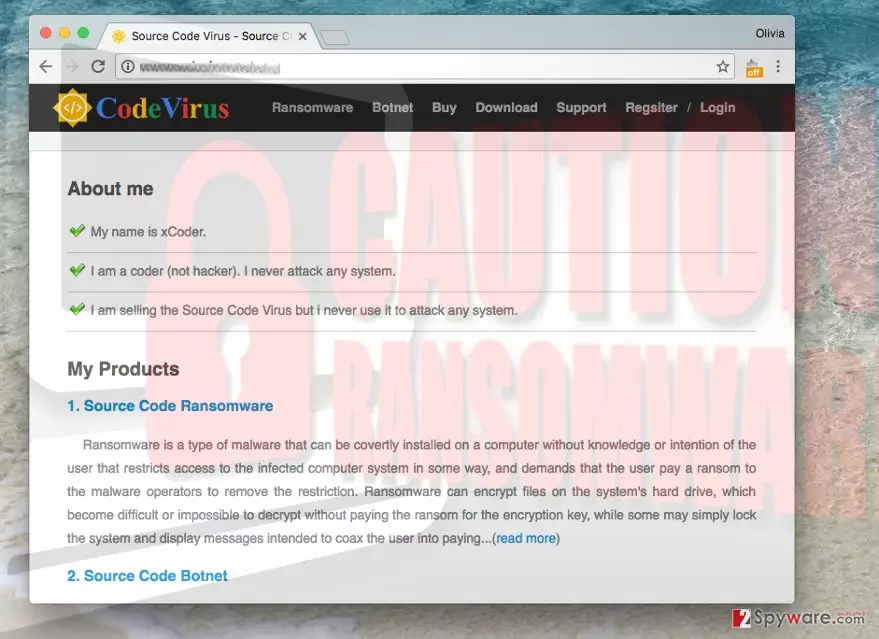
Xbotcode@gmail.com virus is a malicious computer threat that is currently being sold on a hideous web page codevirus(dot)net. It is a site that tries to lure inexperienced programmers to purchase their very own and customizable ransomware variant. However, wannabe cyber criminals should lose their hopes to start malicious activities because the author of the discussed site only wants to earn money by selling an open-source ransomware. We have discovered that Xbotcode@gmail.com ransomware is nothing but a version of HiddenTear[1]/EDA2 viruses, which are both educational (open-source). The author of Xbotcode@gmail.com ransomware project sells the virus for $190 as well as various improvements (price ranges from $30 to $149). For example, the site offers setting up Bitcoin wallets, malware-laden Word documents, and also the creation of .onion site (for ransom payments)[2].
If you have been infected with ransomware that asks you to connect with criminals via Xbotcode@gmail.com or an email that you cannot find information about on the Internet, do not rush to pay the ransom it demands. It is very likely that you have been infected with an example of open-source ransomware[3], which means your files can be decrypted. So before you make any decisions regarding data recovery, look for information online. We suggest searching for information by entering the name of the ransom note or culprit’s email address into a search engine. In this case, files are likely to be decryptable, so remove Xbotcode@gmail.com malware using FortectIntego or other reliable anti-malware tools and then read data recovery tips that we provide below the article. We highly recommend reading Xbotcode@gmail.com removal instructions before you run malware removal program, too.
How does ransomware viruses infect the system?
Typical ransomware viruses infect the system when the computer user clicks on an infectious link/ad or carelessly opens a malicious email attachment. It might sound complicated, but nowadays computer technologies allow computer geeks to distribute malware in a number of different forms. As we have mentioned before, nowadays you can get a computer virus simply by opening a Word file and enabling Macros in it[4]. Would you ever think that a Word document can contain a malicious script that downloads malware from a predetermined server straight to your computer? What is more, it is enough to visit a malicious website that is hosting an exploit kit. In case visitor’s computer is unprotected (f.e. lacks anti-malware protection), or simply contains some outdated programs, the exploit kit performs a drive-by download attack, which means it downloads a destructive payload on the computer system. The payload is typically set to download additional malware to the system, such as ransomware[5]. Once ransomware steps into the system, it encrypts all files with either RSA or AES ciphers and sometimes combines both.
How to remove Xbotcode@gmail.com virus?
If you believe that your machine has been compromised by Xbotcode@gmail.com virus or a variant of it, do not pay the ransom. First of all, scan the system with the anti-malware program (most anti-malware programs do it for free, which means you do not have to obtain full software version to detect computer infections). This will let you know what kind of ransomware has attacked your system. Next, remove Xbotcode@gmail.com ransomware with the anti-malware program (in case you’re not planning to pay the ransom). We have provided comprehensive ransomware removal instructions below – follow them carefully. Below Xbotcode@gmail.com removal guide you can find data recovery instructions.
Did this guide help?
2 comments
Demon19
Script kiddo xCoder... what a fool. He is making a crime and he doesnt realize that.
Mony
Oh god, these foolish amateur programmers. Cant do ransomware, yet try to make a living from it. Epic fails