

Ap.lijit – misleading advertising service which causes popup ads, redirects and similar issues
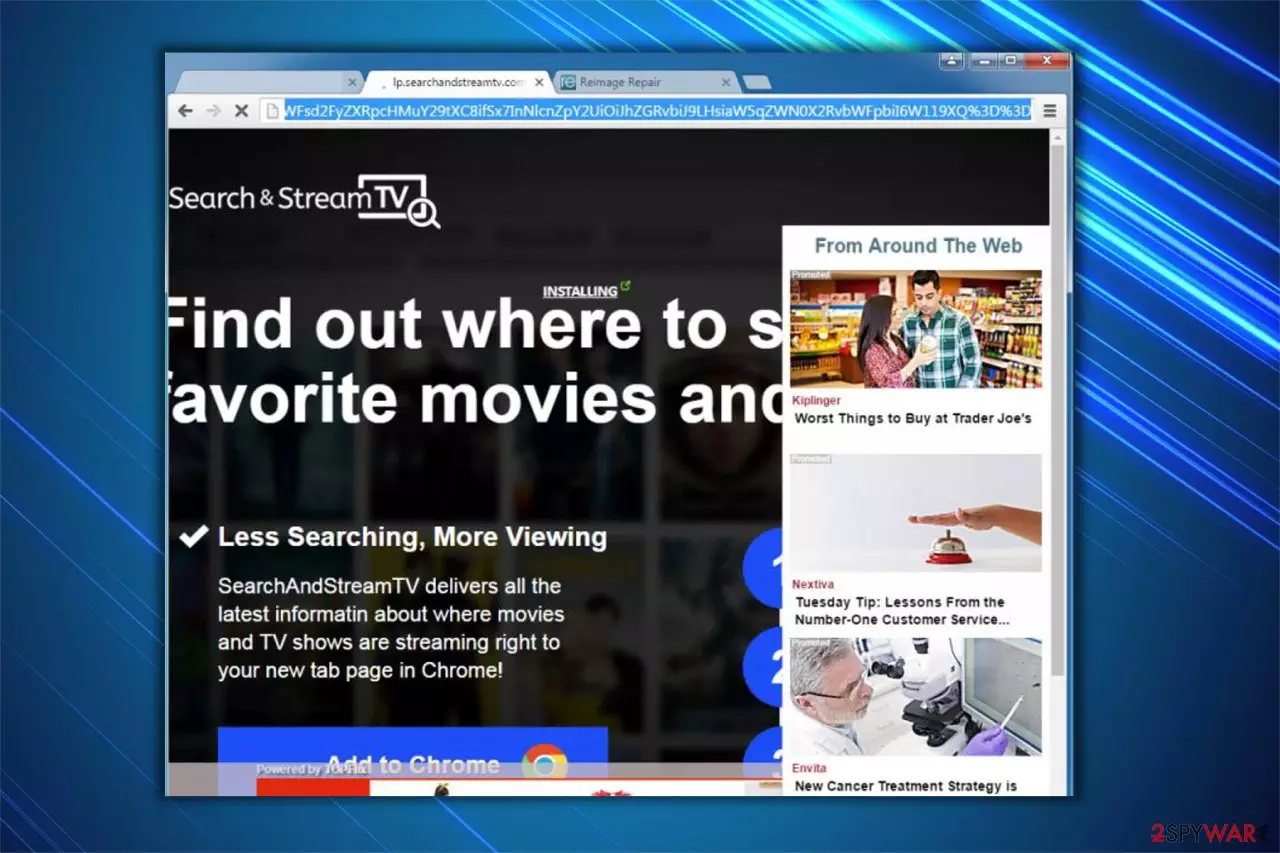
Ap.lijit is an adware program which is responsible for causing redirect and other issues on target computer systems. Typically, its victims are redirected to untrustworthy websites that have been pushing questionable goods or services. Redirect can also end up on a malicious website as people who are working behind this service do not monitor what parties they promote.
If these redirects have been bothering you for a while, you should check your computer for potentially unwanted program that have been actively spread with the help of bundling.[1] Bundling has been actively used to infiltrate questionable programs behind users' back. If Ap.lijit infiltrates the system, this malware virus modifies Chrome, Firefox, IE and similar web browsers, and starts causing a serious havoc.
There is no surprise why experts have been recommending users to remove Ap.lijit.com virus from the system. If you don't have an appropriate amount of computer knowledge, make sure you use automatic removal option.
Following the installation of Lijit adware, users are continuously redirected to multiple sites. They can be offered to install system optimization tools, security software or other programs. However, users should be aware that hackers might be managing those legitimate-looking websites to distribute malware.
Likewise, we recommend staying away from shady pages which deliver suspicious offers. Note that you can simply close the window or another type of Ap.lijit pop-up to avoid further tricks to lure you into a scam. However, sometimes this temporary solution might not even work.
Thus, you can always perform removal to stop redirects from reappearing. For that, use manual elimination instructions, which are presented at the end of this article, or pick a robust anti-malware software and let it scan your computer system thoroughly. We highly recommend using FortectIntego which will help you uninstall the virus and recover your PC system to its previous state.

Removal is the best option since it never stops generating ads which might appear as banners, in-texts or pop-ups. These advertisements also promote shoddy products or fake coupons for e-shops. Note that you should never click on them despite their good appearance.
Sponsored ads usually can be misused by criminals to spread high-risk computer infections once the user clicks on them. Thus, get rid of the virus right away with the help of professional security software or opt for the manual elimination guide which is attached at the end of this article.
Ways how adware is infiltrated on your computer
Despite the fact that many people believe in remote adware infiltration, the most common way how it reaches your system is called product bundling[2]. This marketing strategy relies on reckless user behavior when people rush to finish the installation of free applications as quickly as possible.
Developers of adware programs pack their products together with freeware and distribute them as one software. If the user picks Recommended or Quick settings of the installer, the information about additional downloads (in this case, the adware) is hidden among the optional components. Likewise, the person is unable to reject the installation of the potentially unwanted program.
We suggest you choose Custom/Advanced parameters each time you decide to install a free application. Also, it is vital to un-tick pre-selected boxes which allow installing the adware. Usually, they are named as Get XXX now, I agree to install XXX. Finally, always use professional antivirus software to scan your computer for malware and PUPs.
Remove virus and annoying ads from your system
LosVirus.es[3] team says that there are already a vast of people who suffer from lijit ads. Do not tolerate such behavior since your browsing experience might become unbearable. Instead, you have to options to get rid of Ap.lijit from your computer — manual and automatic elimination.
While removal is not easy, we suggest you opt for an automatic procedure with security software. You can pick one from the list below or choose your own and run a full system scan. The antivirus tool should be able to identify and terminate the adware program shortly.
However, if you want to remove virus manually, feel free to use the instructions below. They are simple and easy to use. Yet, do not skip steps or misinterpret the guide to avoid damaging your computer.
Uninstall from Windows
Uninstall from Windows 10/8:
- Type Control Panel into the Windows search box and open the result.
- Under Programs, select Uninstall a program.


Uninstall from Windows 7/XP:
- Click on Windows Start > Control Panel (Windows XP users should click on Add/Remove Programs).
- In Control Panel, select Programs > Uninstall a program.


Remove the unwanted program:
- In the Programs and Features window, look for any recently installed suspicious entries, select them, and click Uninstall.
- If User Account Control appears, click Yes to confirm, then complete the removal.


Delete from macOS
Remove the unwanted application:
- From the menu bar, select Go > Applications.
- In the Applications folder, look for any suspicious entries, then drag them to Trash (or right-click and pick Move to Trash).


Delete leftover files and folders:
- Select Go > Go to Folder.
- Enter /Library/Application Support and remove any suspicious folders related to the unwanted program.
- Repeat the same check in the /Library/LaunchAgents and /Library/LaunchDaemons folders, deleting any suspicious entries.

- Finally, empty the Trash to permanently remove the leftovers.

Remove from Microsoft Edge
Delete unwanted extensions from MS Edge:
- Select Menu (three horizontal dots at the top-right of the browser window) and pick Extensions.
- From the list, pick the extension and click on the Gear icon.
- Click Remove.


Clear cookies and other browser data:
- Click on the Menu (three horizontal dots at the top-right of the browser window) and select Settings > Privacy, search, and services..
- Under Clear browsing data, pick Choose what to clear.
- Select Cookies and other site data and Cached images and files. (apart from passwords, although you might want to include Media licenses as well, if applicable) and click on Clear.


Restore new tab and homepage settings:
- Click the menu icon and choose Settings.
- Then find On startup section.
- Click Remove next to any suspicious startup page.
Reset MS Edge if the above steps did not work:
- Press on Ctrl + Shift + Esc to open Task Manager.
- Click on More details arrow at the bottom of the window.
- Select Details tab.
- Now scroll down and locate every entry with Microsoft Edge name in it. Right-click on each of them and select End Task to stop MS Edge from running.


Instructions for Chromium-based Edge
Delete extensions from MS Edge (Chromium):
- Open Edge and click select Settings > Extensions.
- Delete unwanted extensions by clicking Remove.


Clear cache and site data:
- Click on Menu and go to Settings.
- Select Privacy, search and services.
- Under Clear browsing data, pick Choose what to clear.
- Under Time range, pick All time.
- Select Clear now.


Reset Chromium-based MS Edge:
- Click on Menu and select Settings.
- On the left side, pick Reset settings.
- Select Restore settings to their default values.
- Confirm with Reset.
- This will disable extensions and reset startup pages but will not delete bookmarks, saved passwords, or browsing history.


Remove from Mozilla Firefox (FF)
Remove dangerous extensions:
- Open Mozilla Firefox browser and click on the Menu (three horizontal lines at the top-right of the window).
- Select Add-ons.
- In here, select the unwanted extension and click Remove.


Reset the homepage:
- Click three horizontal lines at the top right corner to open the menu.
- Choose Settings.
- Under Home, set your preferred homepage and new tab settings.
Clear cookies and site data:
- Click Menu and pick Settings.
- Go to Privacy & Security section.
- Scroll down to locate Cookies and Site Data.
- Click on Clear Data...
- Select Cookies and Site Data and Temporary cached files and pages, then click Clear.


Reset Mozilla Firefox
If clearing the browser as explained above did not help, reset Mozilla Firefox:
- Open Mozilla Firefox browser and click the Menu.
- Go to Help and then choose Troubleshooting Information.

- Under Give Firefox a tune up section, click on Refresh Firefox...
- Once the pop-up shows up, confirm the action by pressing on Refresh Firefox.



Remove from Google Chrome
Delete malicious extensions from Google Chrome:
- Open Google Chrome, click on the Menu (three vertical dots at the top-right corner) and select More tools > Extensions.
- In the newly opened window, you will see all the installed extensions. Uninstall all suspicious extensions related to the unwanted program by clicking Remove.


Clear cache and web data from Chrome:
- Click on Menu and pick Settings.
- Under Privacy and security, select Clear browsing data.
- Select Browsing history, Cookies and other site data, as well as Cached images and files.
- Click Clear data.


Change your homepage:
- Click menu and choose Settings.
- Look for a suspicious site in the On startup section.
- Click on Open a specific or set of pages and click on three dots to find the Remove option.
Reset Google Chrome:
If the previous methods did not help you, reset Google Chrome to eliminate all the unwanted components:
- Click on Menu and select Settings.
- In the Settings, scroll down and click Advanced.
- Scroll down and locate Reset and clean up section.
- Now click Restore settings to their original defaults.
- Confirm with Reset settings.


Delete from Safari
Remove dangerous extensions:
- Open Safari, click Safari in the menu at the top-left of the screen, and select Preferences.
- Go to the Extensions tab, look for any suspicious entries, and click Uninstall to remove them.


Clear history and website data:
- Click Safari in the menu and pick Clear History.
- Set Clear to all history and confirm with Clear History.


Reset Safari:
- Click Safari in the menu and select Preferences > Advanced.
- Enable Show Develop menu in menu bar.
- From the menu bar, click Develop and select Empty Caches.


Did this guide help?
Be the first to comment