
Advanced Identity Protector: what it is and how to remove it
Advanced Identity Protector is scareware that falsely claims to protect your identity while bundling with free software. The free version only scans while the $29.95 paid version also fails to fix the issues it reports.
Facts checked October 5, 2026. Removal steps tested on Windows 11 (26H2) and checked against Microsoft's and the browser makers' current documentation. Sections marked as our earlier report are the original text: they describe the threat as it was then and have not been reviewed since. The 2026 status, the removal steps and the questions are current.
Automatic
Get a free scan and check if your PC is infected.
Fortect finds malware, unwanted programs and the Windows damage they leave behind, and repairs it in one pass.
If Advanced Identity Protector keeps coming back after uninstalling, a scan can find what reinstalls it.
Do it yourself · free Remove Advanced Identity Protector yourself 4 steps, about 12 minutes, no software needed.
Start the steps
Advanced Identity Protector: summary
| Name | Advanced Identity Protector |
|---|---|
| Developer | Systweak Software |
| Price | €24.95 |
| Category | Potentially unwanted program |
| Main problems | The loss of money and personal information |
| Detection names | No Microsoft detection name is known |
| Removal | Scan the PC with security software to find and remove the malware and anything installed with it. Fortect scans Windows for malware and repairs the system files and settings it damaged. Remove it nowTo use the full-featured product, you have to purchase a license for Fortect. The scan is free. |
Show 8 more facts
| Distribution | Not recorded in the old report |
|---|---|
| Damage | Not recorded in the old report |
| Type | Bundling installer |
| Symptoms | An unknown program in Installed apps |
| Evidence | 6 write-ups by security sites; details still limited |
| Program | Advanced Identity Protector |
| First seen | 2 January 2021 |
| Facts checked | 5 October 2026 |
Is Advanced Identity Protector safe? Why it is flagged
What readers reported about Advanced Identity Protector
I need to remove Advanced Identity Protector. I need to remove Advanced Identity Protector
How Advanced Identity Protector appeared on my PC?. How Advanced Identity Protector appeared on my PC? I haven't installed this program, but it tells about various security issues that must be fixed with a paid version of the program. It's suspicious!
From the comments under our earlier guide; names and contact details removed.
From our report of Jan 2021 · not reviewed since
Advanced Identity Protector - fake tool that seeks to mislead its victims and swindle their money
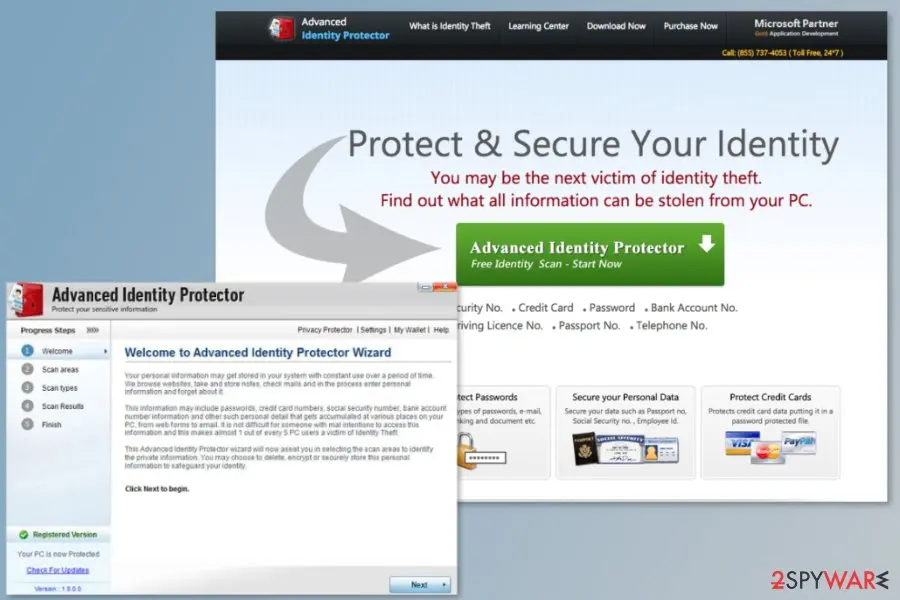
Advanced Identity Protector is a highly questionable application that has been marked as "potentially unwanted."
No matter that its developer Systweak Software claims that this tool can greatly improve users' privacy and protect their identity while browsing on the web, we should warn you that it has already been categorized as scareware because it causes fake alerts and then promotes its licensed version. Instead of that, we highly recommend you get rid of the application.
The app promises these features that might seem useful to netizens who take their cyber privacy seriously:
Advanced Identity Protector is available to download on the official websites. It has free and paid versions. However, developers were noticed using a quite aggressive strategy to promote the program's license. Once installed, this program delivers annoying pop-ups and ads that offer to obtain to upgrade this software.
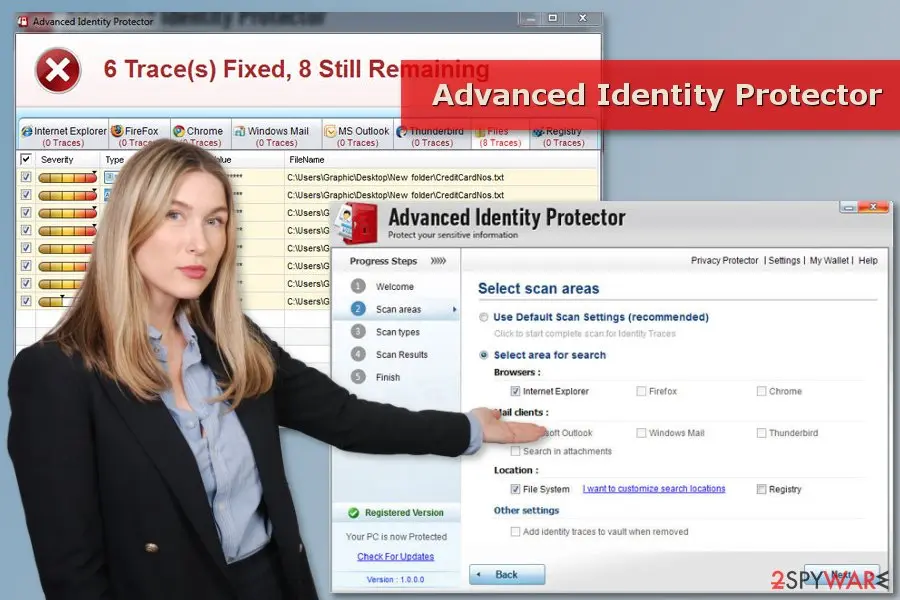
If you install a free version of Advanced Identity Protection after the first system scan, you will realize that it works only as a scanner. Additionally, it might show exaggerated system scan results that warn about dozens of "identity traces." However, the free program cannot fix these issues. Users are asked to buy the license.
This shady identity protector also has a support line that is supposed to help you solve various problems. However, tech support staff will try to convince you to pay for the full version of the program no matter what. Thus, calling them is not recommended.
Security specialists note that it might work as scareware to increase sales of the program.
Therefore, instead of buying the license, you should remove the program from the computer. You can uninstall it using Control Panel. However, you should also check if it did not bring any other related components to the system. The majority of PUPs are capable of installing additional applications.
However, we highly recommend scanning the system with if you are unsure how this program came into your PC. The program may spread in software bundles. Thus, it may have arrived in the system with the help of other questionable applications. For this reason, it's better to go for automatic removal to get rid of all applications that may have been installed without your knowledge too.
- scanning web browsers, files, emails and Windows registry;
- data encryption and deletion;
- cleans traces of personal information;
- protects from identity theft.
From our report of Jan 2021 · not reviewed since
Direct downloads are not the main infiltration method
The program is available on the official website advancedidentityprotector.com.
However, direct downloads do not seem the main way how this PUP infiltrates the system. Developers use bundling to install free scanners unnoticed and, in this way, trick users into buying a full program's license.
It might be attached to freeware or shareware packages. Thus, you should be careful and attentive when downloading free programs from the Internet to avoid the installation of unneeded apps. If you rely on Quick/Standard installation, you may have installed the so-called Advanced Identity Protector virus without realizing it.
To avoid unneeded apps or even malware, you have to use reliable download sources and use Advanced/Custom installation settings. If the installation wizard shows some pre-selected third-party entries, unmark them all.
Specialists No Virus note that correct freeware installation takes less time than PUP removal. Remember that when you install new software. However, if you made a mistake, proceed to the virus removal guide.
From our report of Jan 2021 · not reviewed since
More from our earlier report on Advanced Identity Protector
- To uninstall identity protector quickly, use .
- Make sure you update it to its full version before a scan
How to uninstall Advanced Identity Protector
How to remove Advanced Identity Protector
Uninstall the bundle first, then everything it added:
- programs
- extensions
- changed browser settings
Step 1: Uninstall Advanced Identity Protector
Open Settings > Apps > Installed apps in Windows 11, or Settings > Apps > Apps & features in Windows 10.
Sort the list by install date and find Advanced Identity Protector, then choose Uninstall from the three-dot menu next to it (in Windows 10, click the entry and then Uninstall).
Remove anything else installed on the same day that you do not recognise, because such programs usually arrive together in one installer. If the uninstaller opens a browser page with an offer or a survey, close it: the program is removed either way.
Full procedure with screenshots: Uninstall a program or app in Windows On uGetFix
Step 2: Remove it from startup
Whatever Advanced Identity Protector installed usually starts with Windows.
Open Task Manager with Ctrl + Shift + Esc, go to Startup apps in Windows 11 or the Startup tab in Windows 10, and disable what you do not know, starting with entries that have an empty Publisher column.
Open file location on the right-click menu shows the file, which helps you decide and tells you what to delete later. Disabling is safe: if something you need stops working, switch it back on.
Full procedure with screenshots: Stop apps from opening at startup On uGetFix
Step 3: Delete the folders left behind
What the uninstaller leaves behind is usually in the user folders. Open File Explorer, switch on View > Show > Hidden items (in Windows 10 View > Hidden items), and go through
%LocalAppData%,%AppData%, %ProgramData% and the two Program Files folders.Sort by Date modified and delete folders that appeared together with the problem and belong to no program you use. Folders with random names that hold
.exe,.dll, .js or .ps1 files are the strongest sign.Full procedure with screenshots: Remove what malware leaves behind in Windows
Step 4: Scan the PC, then run the offline scan
Open Windows Security > Virus & threat protection > Scan options, run a Full scan and remove everything it finds. Then select Microsoft Defender Antivirus (offline scan) and click Scan now: the PC restarts and scans before Windows loads, which finds files that hide while Windows runs.
Save your work first, because the offline scan takes about 15 minutes. Both scans are built into Windows 11 and Windows 10, and a second scanner from another vendor is a useful extra opinion.
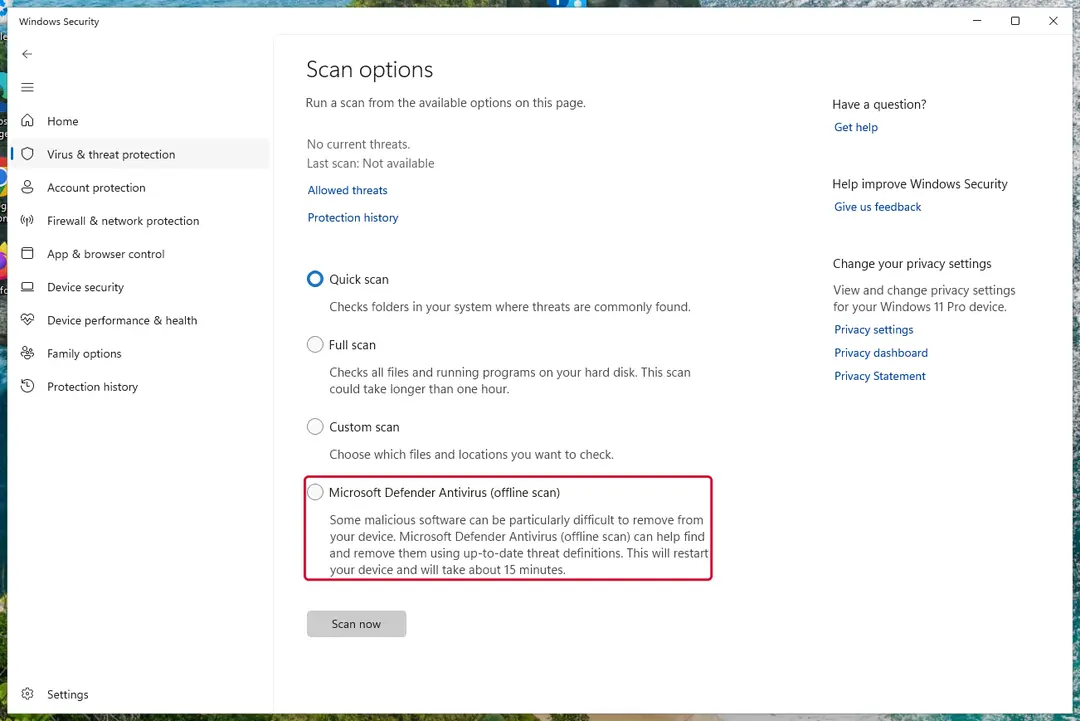
Windows 11: Windows Security > Virus & threat protection > Scan options. Full procedure with screenshots: Run a Microsoft Defender Offline scan
Instructions for each browser and system
The detailed steps for every browser and system this guide covers. Open the one you use.
Uninstall from Windows
This guide will help you to uninstall the application. However, you should also look up other suspicious programs if this identity protector was installed without your permission. Additionally, you should check installed web browsers to make sure that any questionable add-ons were not installed as well.
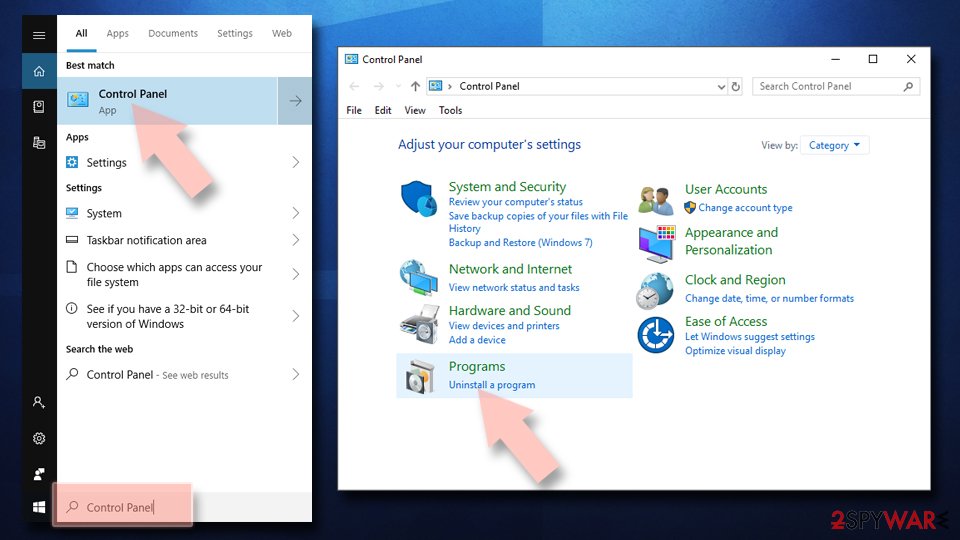
Uninstall from Windows 10/8:
- Type Control Panel into the Windows search box and open the result.
- Under Programs, select Uninstall a program.
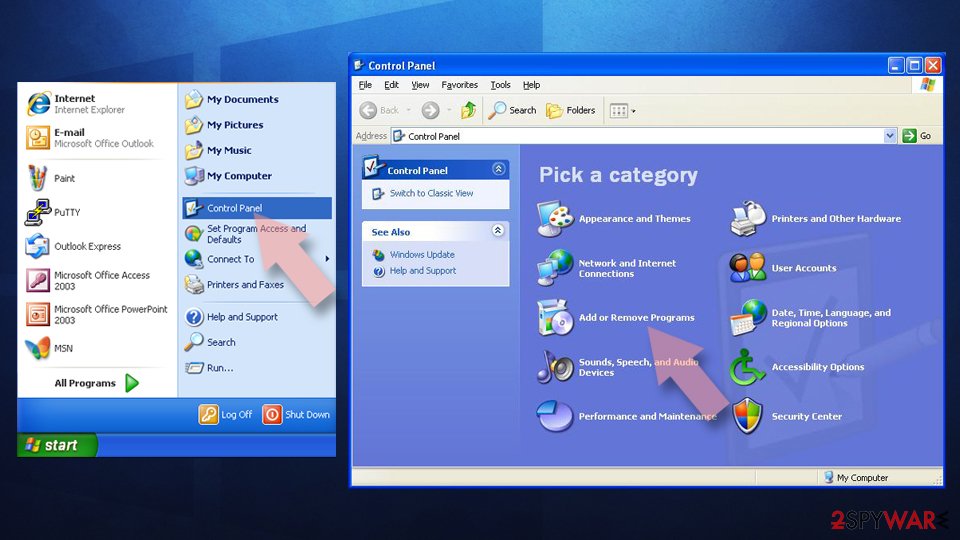
Uninstall from Windows 7/XP:
- Click on Windows Start > Control Panel (Windows XP users should click on Add/Remove Programs).
- In Control Panel, select Programs > Uninstall a program.
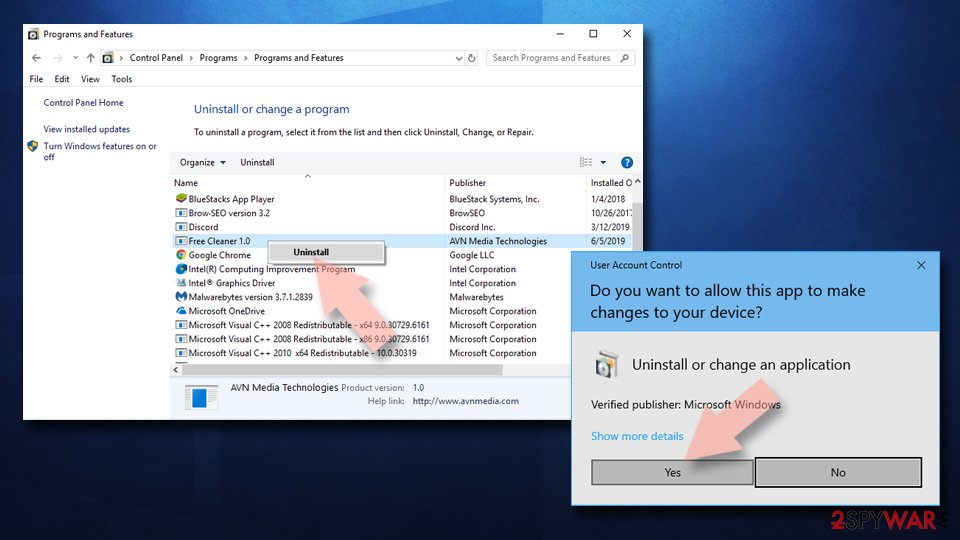
Remove the unwanted program:
- In the Programs and Features window, look for any recently installed suspicious entries, select them, and click Uninstall.
- If User Account Control appears, click Yes to confirm, then complete the removal.
Remove from Google Chrome
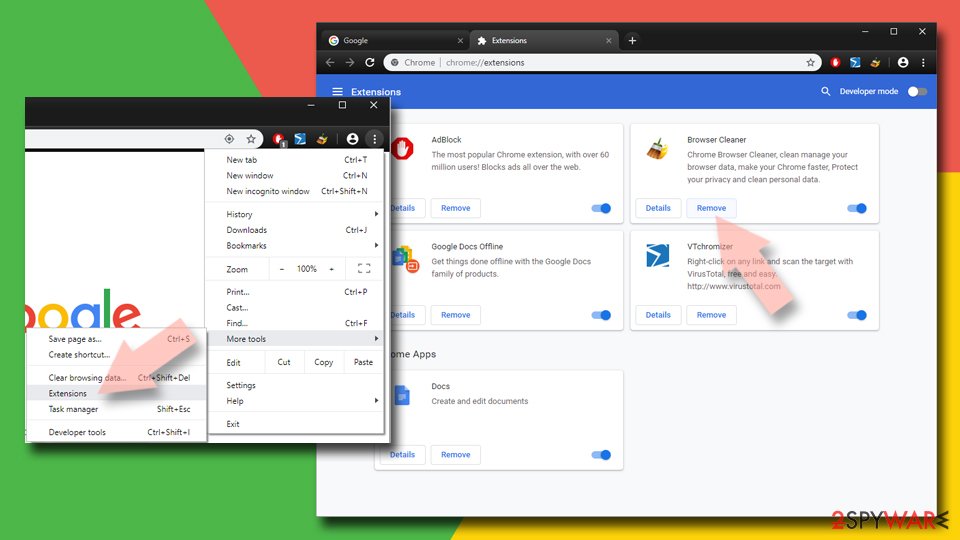
Delete malicious extensions from Google Chrome:
- Open Google Chrome, click on the Menu (three vertical dots at the top-right corner) and select More tools > Extensions.
- In the newly opened window, you will see all the installed extensions. Uninstall all suspicious extensions related to the unwanted program by clicking Remove.
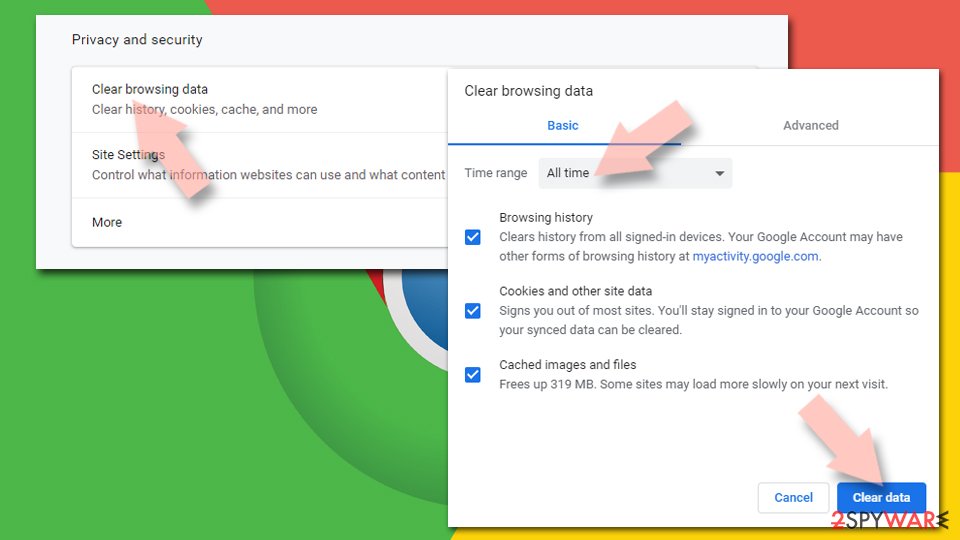
Clear cache and web data from Chrome:
- Click on Menu and pick Settings.
- Under Privacy and security, select Clear browsing data.
- Select Browsing history, Cookies and other site data, as well as Cached images and files.
- Click Clear data.
Change your homepage:
- Click menu and choose Settings.
- Look for a suspicious site in the On startup section.
- Click on Open a specific or set of pages and click on three dots to find the Remove option.
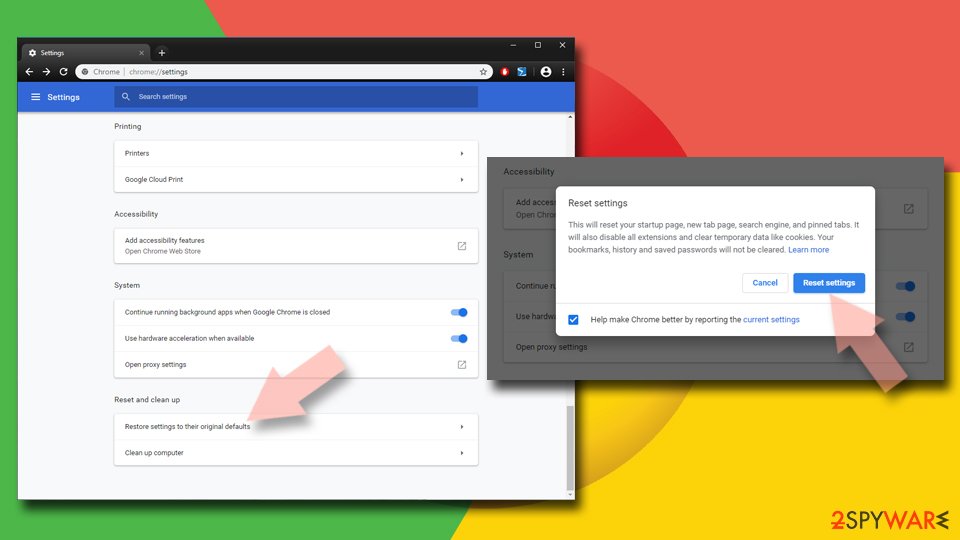
Reset Google Chrome:
If the previous methods did not help you, reset Google Chrome to eliminate all the unwanted components:
- Click on Menu and select Settings.
- In the Settings, scroll down and click Advanced.
- Scroll down and locate Reset and clean up section.
- Now click Restore settings to their original defaults.
- Confirm with Reset settings.
Remove from Microsoft Edge
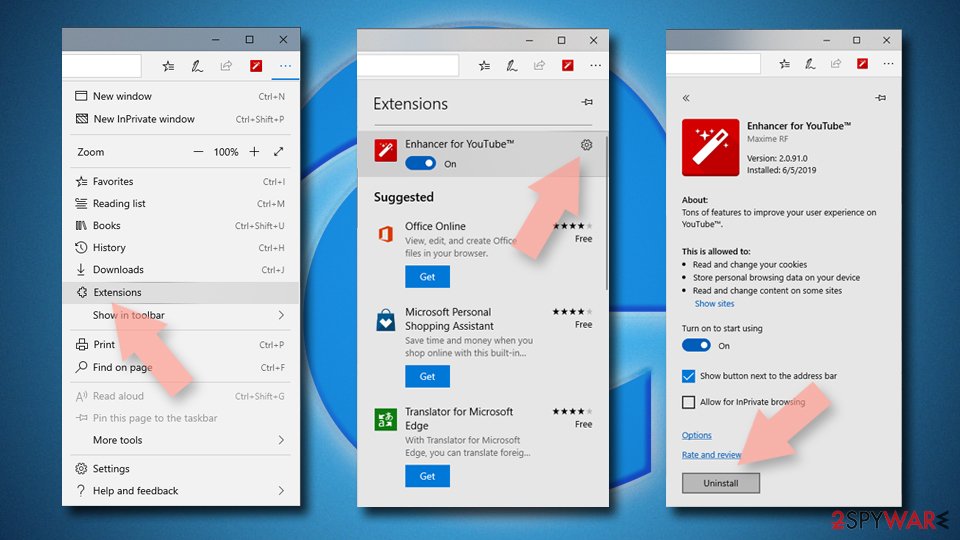
Delete unwanted extensions from MS Edge:
- Select Menu (three horizontal dots at the top-right of the browser window) and pick Extensions.
- From the list, pick the extension and click on the Gear icon.
- Click Remove.
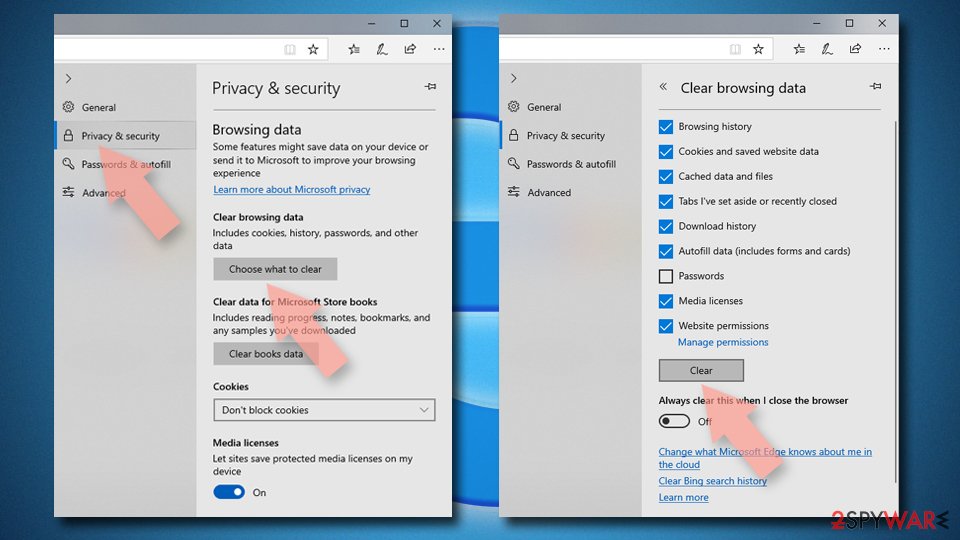
Clear cookies and other browser data:
- Click on the Menu (three horizontal dots at the top-right of the browser window) and select Settings > Privacy, search, and services..
- Under Clear browsing data, pick Choose what to clear.
- Select Cookies and other site data and Cached images and files. (apart from passwords, although you might want to include Media licenses as well, if applicable) and click on Clear.
Restore new tab and homepage settings:
- Click the menu icon and choose Settings.
- Then find On startup section.
- Click Remove next to any suspicious startup page.
Reset MS Edge if the above steps did not work:
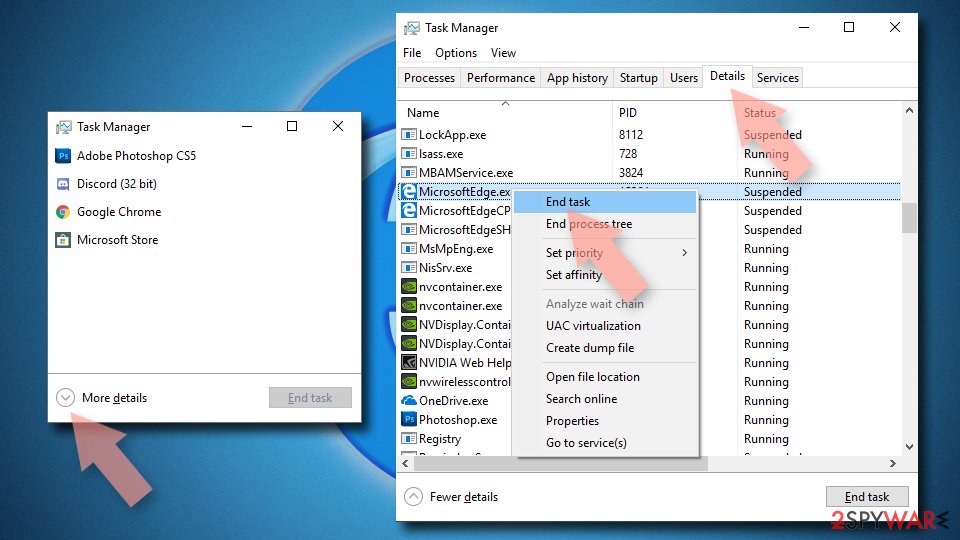
- Press on Ctrl + Shift + Esc to open Task Manager.
- Click on More details arrow at the bottom of the window.
- Select Details tab.
- Now scroll down and locate every entry with Microsoft Edge name in it. Right-click on each of them and select End Task to stop MS Edge from running.
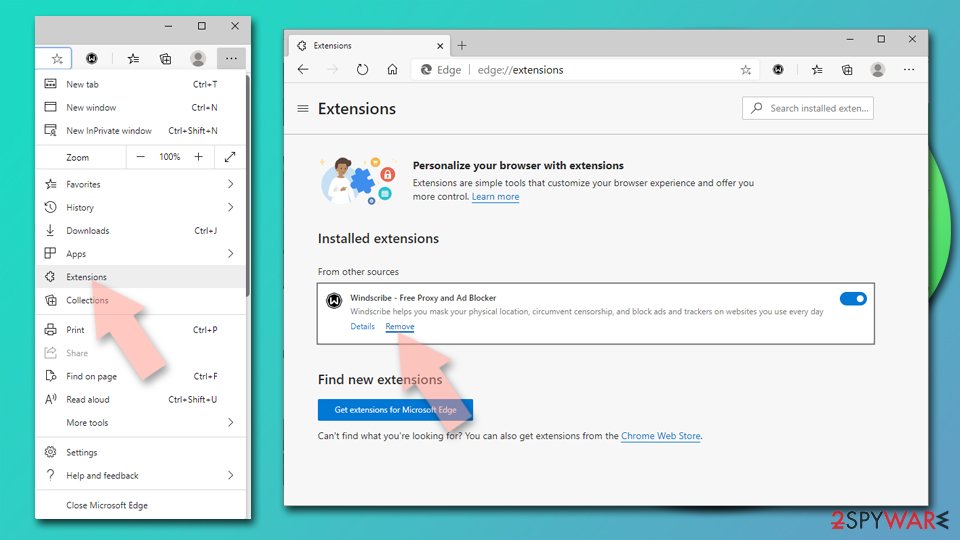
Delete extensions from MS Edge (Chromium):
- Open Edge and click select Settings > Extensions.
- Delete unwanted extensions by clicking Remove.
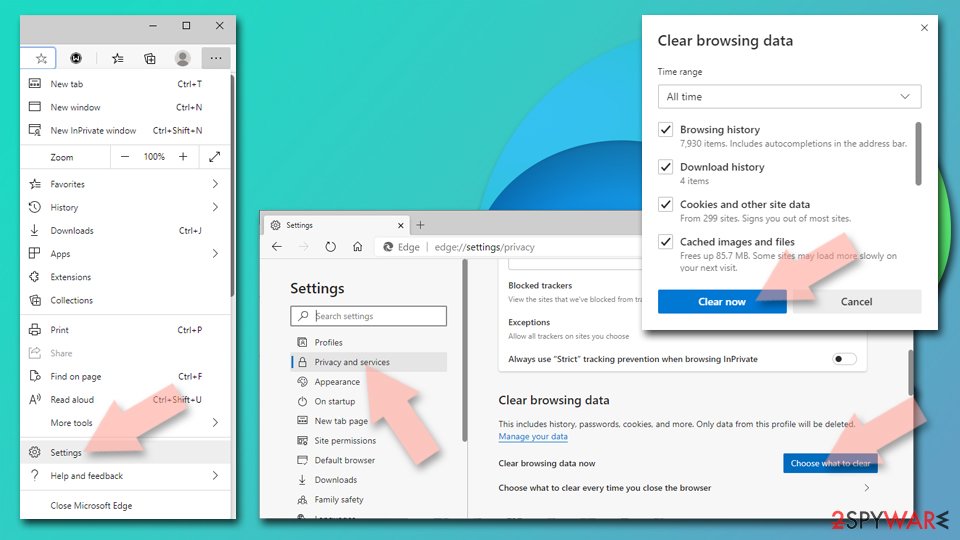
Clear cache and site data:
- Click on Menu and go to Settings.
- Select Privacy, search and services.
- Under Clear browsing data, pick Choose what to clear.
- Under Time range, pick All time.
- Select Clear now.
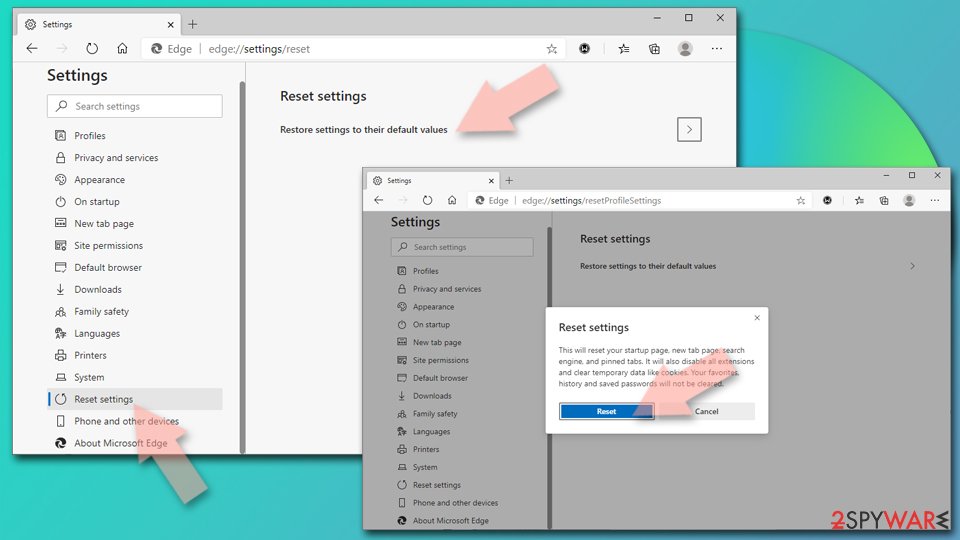
Reset Chromium-based MS Edge:
- Click on Menu and select Settings.
- On the left side, pick Reset settings.
- Select Restore settings to their default values.
- Confirm with Reset.
- This will disable extensions and reset startup pages but will not delete bookmarks, saved passwords, or browsing history.
Remove from Mozilla Firefox (FF)
Remove dangerous extensions:
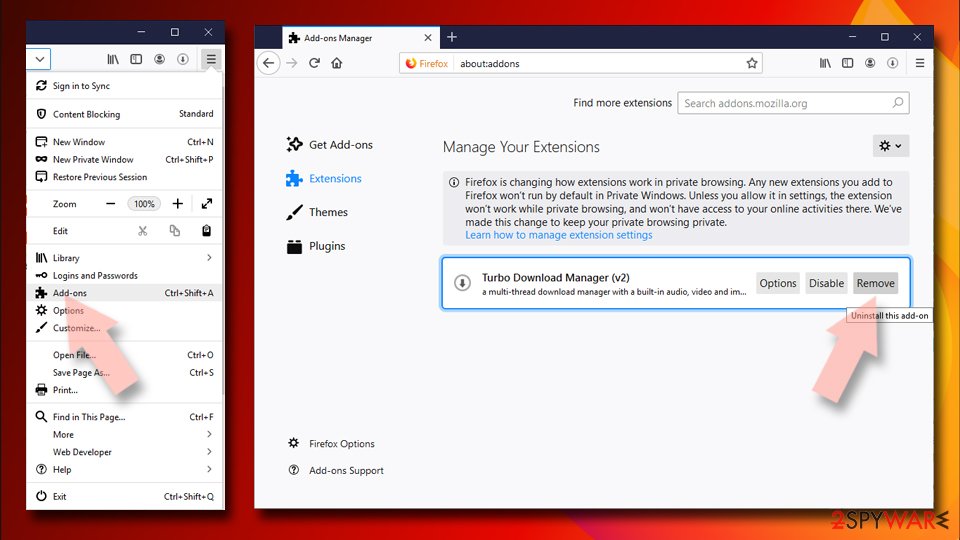
- Open Mozilla Firefox browser and click on the Menu (three horizontal lines at the top-right of the window).
- Select Add-ons.
- In here, select the unwanted extension and click Remove.
Reset the homepage:
- Click three horizontal lines at the top right corner to open the menu.
- Choose Settings.
- Under Home, set your preferred homepage and new tab settings.
Clear cookies and site data:
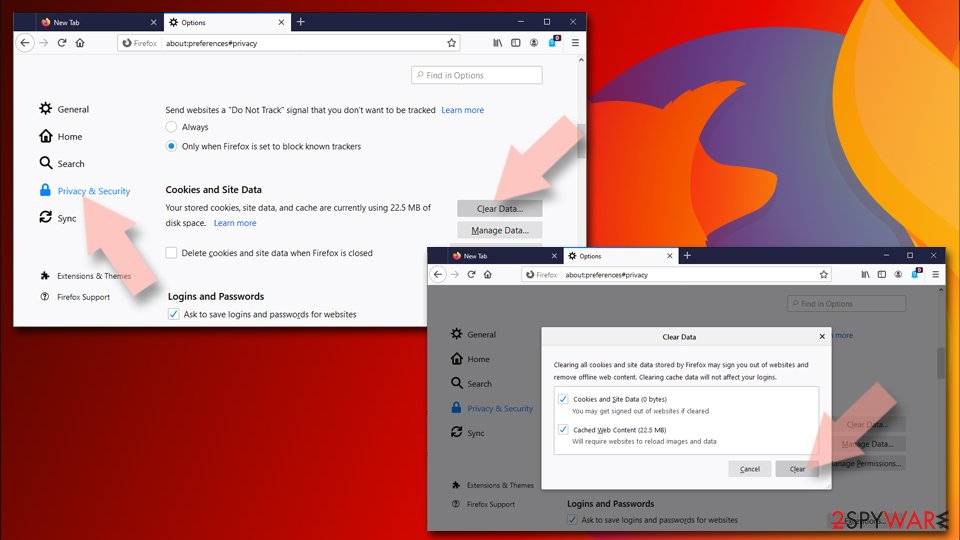
- Click Menu and pick Settings.
- Go to Privacy & Security section.
- Scroll down to locate Cookies and Site Data.
- Click on Clear Data...
- Select Cookies and Site Data and Temporary cached files and pages, then click Clear.
Reset Mozilla Firefox
If clearing the browser as explained above did not help, reset Mozilla Firefox:
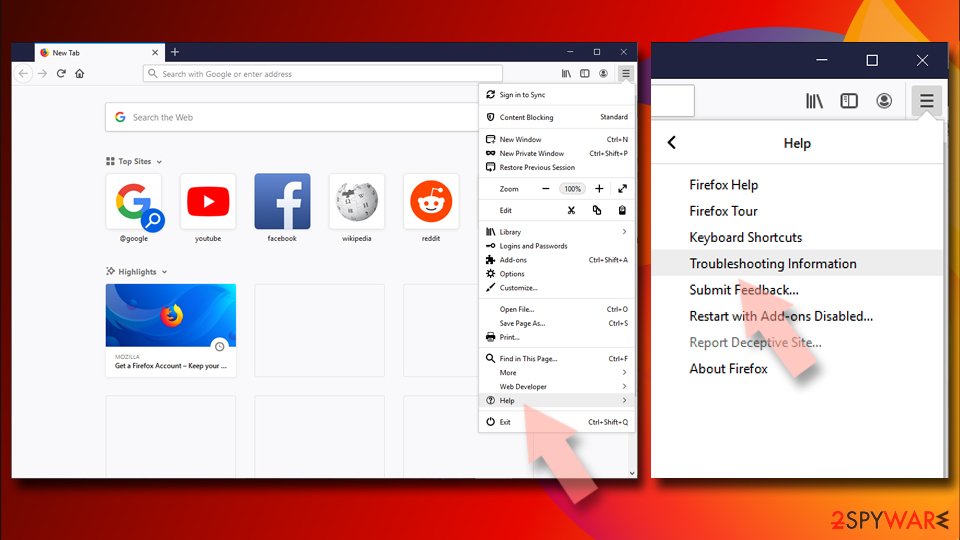
- Open Mozilla Firefox browser and click the Menu.
- Go to Help and then choose Troubleshooting Information.
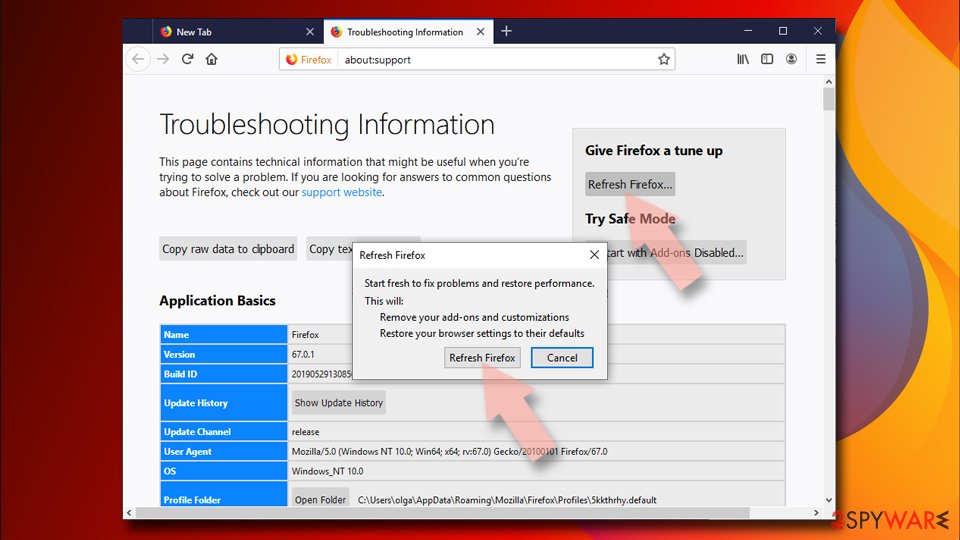
- Under Give Firefox a tune up section, click on Refresh Firefox...
- Once the pop-up shows up, confirm the action by pressing on Refresh Firefox.
Delete from Safari
Remove dangerous extensions:
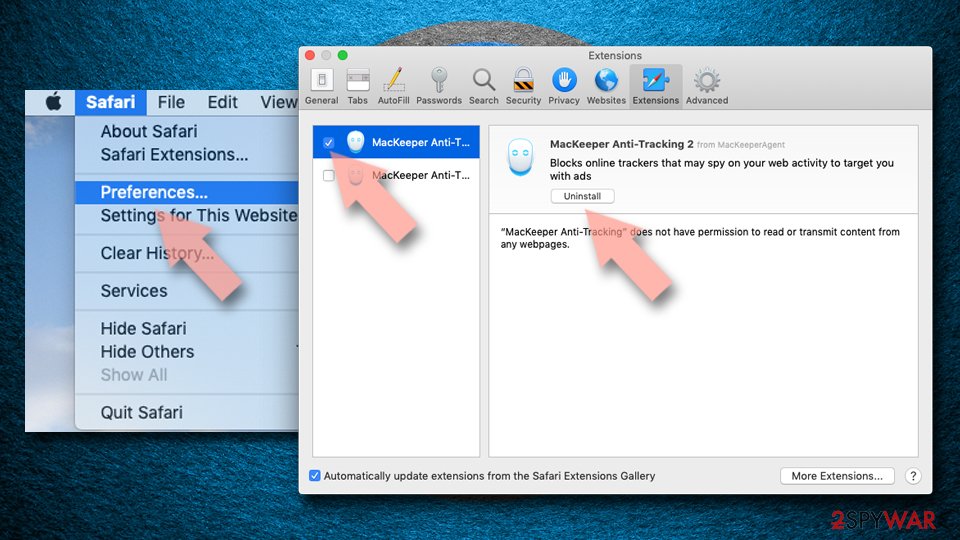
- Open Safari, click Safari in the menu at the top-left of the screen, and select Preferences.
- Go to the Extensions tab, look for any suspicious entries, and click Uninstall to remove them.
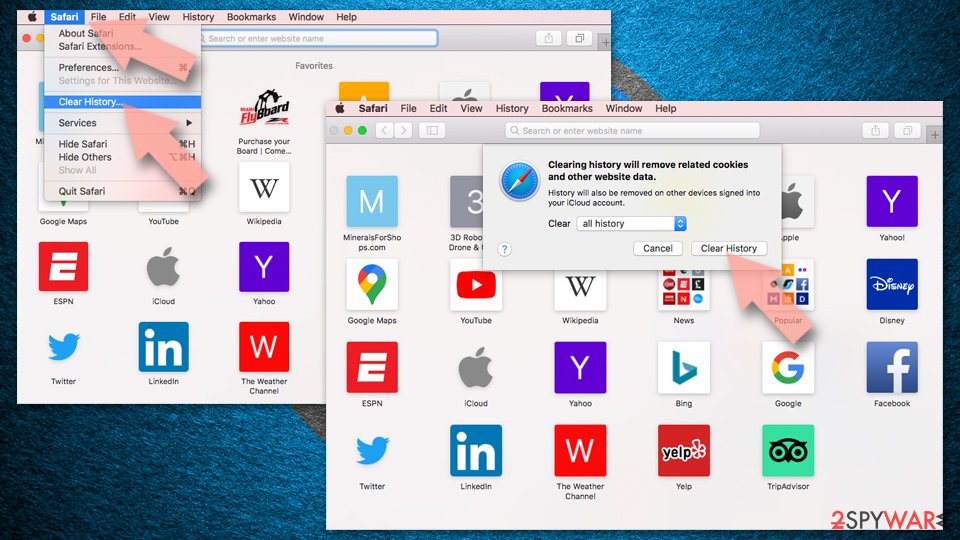
Clear history and website data:
- Click Safari in the menu and pick Clear History.
- Set Clear to all history and confirm with Clear History.
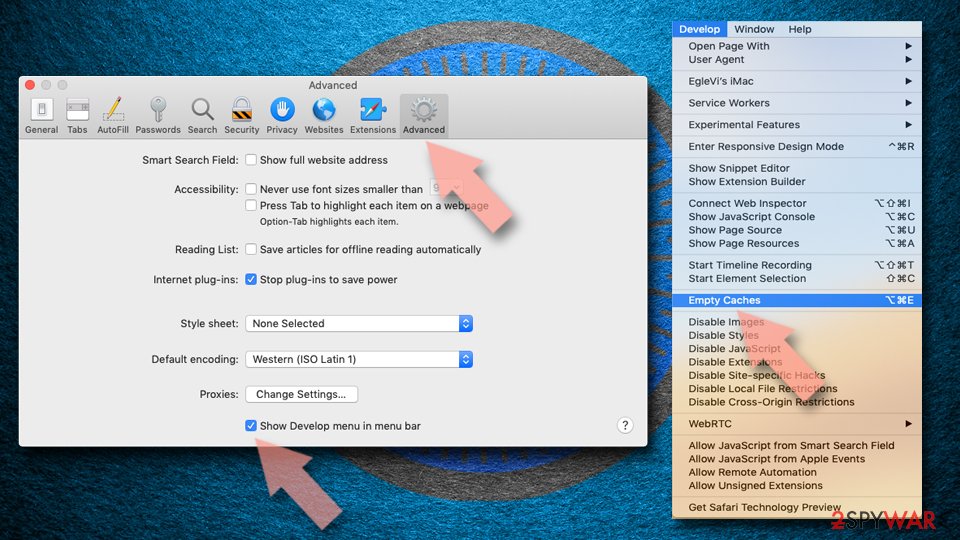
Reset Safari:
- Click Safari in the menu and select Preferences > Advanced.
- Enable Show Develop menu in menu bar.
- From the menu bar, click Develop and select Empty Caches.
Delete from macOS
It's uncommon for this program to affect Mac OS X. However, if you found its scans showing up on the screen, follow these steps to get rid of the program:
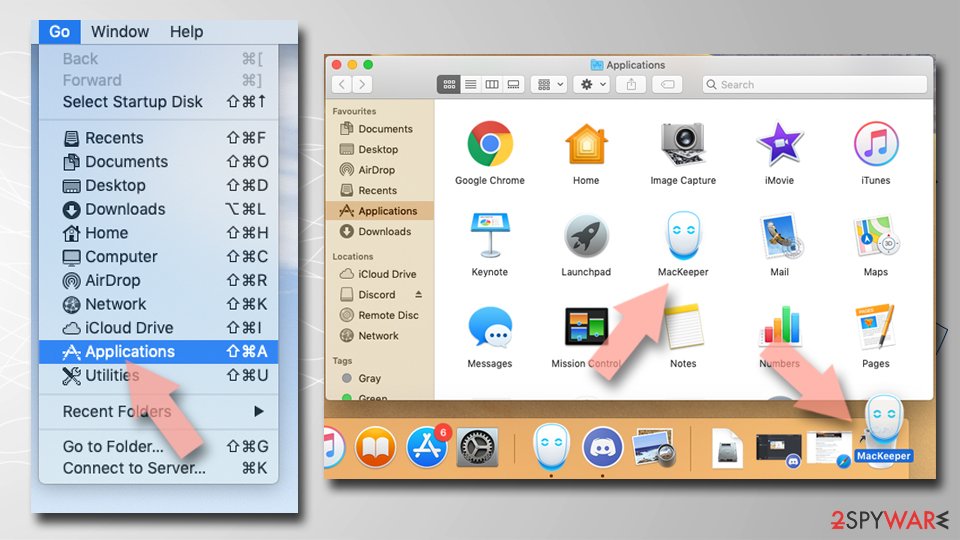
Remove the unwanted application:
- From the menu bar, select Go > Applications.
- In the Applications folder, look for any suspicious entries, then drag them to Trash (or right-click and pick Move to Trash).
Delete leftover files and folders:
- Select Go > Go to Folder.
- Enter /Library/Application Support and remove any suspicious folders related to the unwanted program.
- Repeat the same check in the /Library/LaunchAgents and /Library/LaunchDaemons folders, deleting any suspicious entries.
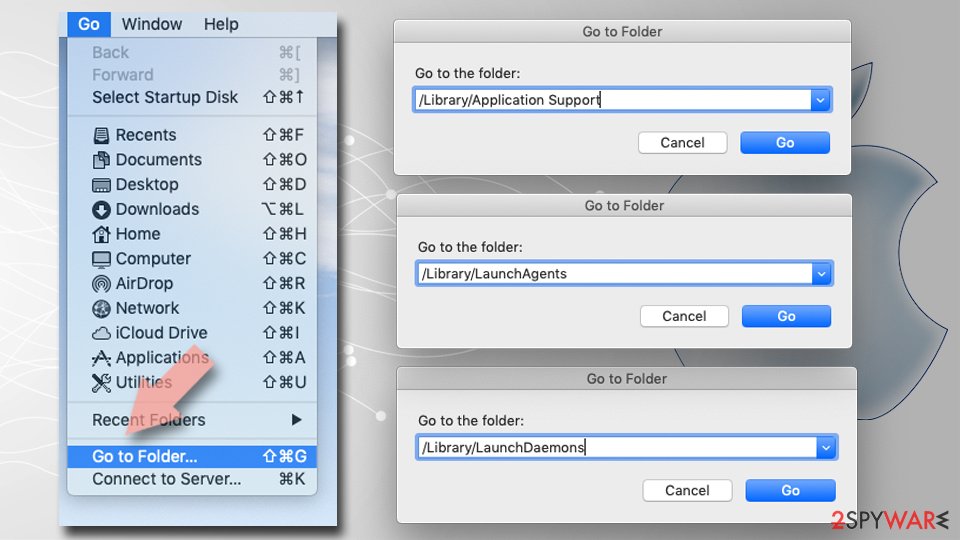
- Finally, empty the Trash to permanently remove the leftovers.
Do not let government spy on you
The government has many issues in regards to tracking users' data and spying on citizens, so you should take this into consideration and learn more about shady information gathering practices.
Avoid any unwanted government tracking or spying by going totally anonymous on the internet.
You can choose a different location when you go online and access any material you want without particular content restrictions. You can easily enjoy internet connection without any risks of being hacked by using VPN.
Control the information that can be accessed by government any other unwanted party and surf online without being spied on. Even if you are not involved in illegal activities or trust your selection of services, platforms, be suspicious for your own security and take precautionary measures by using the VPN service.
Backup files for the later use, in case of the malware attack
Computer users can suffer from data losses due to cyber infections or their own faulty doings.
Ransomware can encrypt and hold files hostage, while unforeseen power cuts might cause a loss of important documents. If you have proper up-to-date backups, you can easily recover after such an incident and get back to work. It is also equally important to update backups on a regular basis so that the newest information remains intact - you can set this process to be performed automatically.
When you have the previous version of every important document or project you can avoid frustration and breakdowns. It comes in handy when malware strikes out of nowhere. Use for the data restoration process.
From our report of Jan 2021 · not reviewed since
How to remove Advanced Identity Protector
You can remove this application manually by following these steps:
However, the program may have created some registry entries that should be removed as well. Making modifications in Windows Registry might be dangerous, especially if you have never done it. Thus, it's better to opt for automatic PUP removal and eliminate all program-related files with anti-malware.
Originally, this malicious program aims at Windows OS.
- Click on Start and access Add/Remove programs (or Uninstall a Program).
- Find the program in the list of installed applications. Click on it and click Uninstall button.
Questions about Advanced Identity Protector
Is Advanced Identity Protector a legitimate security tool?
No. Advanced Identity Protector is a potentially unwanted program categorized as scareware, not legitimate security software. The developer Systweak Software claims it protects privacy and identity while browsing, but the tool is designed to mislead users and swindle their money through deceptive practices.
The free version only scans but cannot fix issues, pushing users to purchase a $29.95 licensed version that also proves ineffective. Security specialists confirm it functions as scareware that generates exaggerated scan results to pressure users into buying the premium version.
What does Advanced Identity Protector claim to do?
The program promises features including scanning web browsers, files, emails and the Windows registry, cleaning traces of personal information, and offering identity protection. However, these are only marketing claims with no practical benefit. The free version only functions as a scanner, detecting numerous false positives but unable to fix anything.
The paid version costing $29.95 also fails to fix the issues it reports. Users discovered it may clean some junk files or interfere with registry entries, but these features provide minimal value and may cause system damage through improper registry modifications.
How does Advanced Identity Protector use aggressive marketing tactics?
The program uses aggressive marketing through constant annoying pop-ups and ads promoting license upgrades immediately after installation. The free version displays exaggerated system scan results warning about dozens of fake 'identity traces' to convince users to purchase the full version.
Tech support staff are trained to pressure customers into buying licenses regardless of the actual problem. This social engineering approach is designed to exploit fear and generate sales rather than solve real security issues. The tool is built around deceptive marketing tactics rather than actual protective functionality.
How does Advanced Identity Protector get installed on computers?
The program primarily spreads through bundled software installations disguised within free programs. When users download freeware and choose Quick or Standard installation options, they unknowingly install Advanced Identity Protector alongside the main application. The official website advancedidentityprotector.com offers direct downloads, but bundling is the main distribution method.
Users who use Advanced or Custom installation settings can prevent the unwanted installation by unmarking pre-selected third-party entries. Developers use this bundling strategy to trick users into installing the PUP without full awareness of what they are downloading.
Should I use my credit card to buy the paid version?
No, you should not purchase this program with your credit card. Experts strongly advise against buying the licensed version as it is not effective and provides no real value. The paid version costs $29.95 and fails to fix the majority of issues it claims to detect.
Investing money in this scareware tool is a waste of resources and may result in financial loss without any legitimate benefit. Instead of purchasing, users should remove the application entirely and use verified antimalware tools for genuine system protection and security needs.
How can I remove Advanced Identity Protector from my system?
You can manually uninstall it through Control Panel by clicking Start, accessing Add/Remove Programs, finding Advanced Identity Protector in the list of installed applications, and clicking Uninstall. However, the program may create registry entries that should also be removed.
Modifying Windows Registry is potentially dangerous if you lack experience, so automatic removal with antimalware software is safer and more effective. Run a full system scan with reputable antimalware tools to eliminate all program-related files and registry entries. Antimalware programs can detect Advanced Identity Protector and safely remove all components.
Could Advanced Identity Protector have installed other programs?
Yes, Advanced Identity Protector often arrives bundled with other potentially unwanted programs. Many PUPs are capable of installing additional unwanted applications on your system. After removing Advanced Identity Protector, you should scan your system thoroughly with antimalware software to detect any other bundled programs that installed without your knowledge.
Use automatic removal tools rather than manual uninstallation to ensure all related components and applications are eliminated. This comprehensive approach catches programs that may have been installed alongside Advanced Identity Protector during its own installation process.
What does Advanced Identity Protector target?
Originally, Advanced Identity Protector was designed to target Windows operating systems exclusively. The program focuses on deceiving Windows users through fake security alerts and registry warnings. It exploits user concerns about privacy and identity theft to manipulate them into purchasing the full version.
While primarily affecting Windows systems, the tactics used are common across various scareware programs that target different operating systems. Understanding that this program specifically targets Windows users helps those on other platforms avoid similar threats designed for their respective systems.
Will Fortect remove Advanced Identity Protector?
Fortect scans Windows for malware and unwanted programs and repairs the system files and settings they change, and its free scan shows what it finds on your PC before you decide anything.
For Advanced Identity Protector, follow the plan above as well: the browser steps take back permissions and settings that no scanner treats as a threat, and uninstalling the program that brought it removes the source.
Run Microsoft Defender's full scan and, if anything was found, its offline scan as a second opinion. If the symptoms are gone after the plan and both scans are clean, there is nothing more to do.
Sources
- Lifehacker: Why Your Privacy Matters, Even If You're Not "Doing Anything Wrong" (read October 5, 2026)
- 9to5Mac: Windows backdoor malware disguises itself as Adobe Flash on macOS (read October 5, 2026)
- FTC: How to recognize, remove and avoid malware (read October 5, 2026)
- Microsoft Learn: Microsoft Defender Offline (read October 5, 2026)
- Microsoft Learn: How Microsoft names malware (read October 5, 2026)