

EHEHEHX12 ransomware is the virus that tries to scare people into paying the ransom

EHEHEHX12 ransomware is the virus created for the money extortion. Threat actors encrypt files and ask for the payment using the text file placed in various folders and other places on the machine. Computers are significantly affected once these threats start running the machine because it is related to various viruses and processes. Ransomware affects these common files, but it also can damage particular files on system folders and disable programs, and functions to keep the virus running.
The infection is focused on file-locking, but there are issues with your device that should encourage you to remove the EHEHEHX12 ransomware virus right away. The ransomware encrypts images, documents, music, and video files and adds a particular marker to every file to indicate affected files from the bunch.
Then the ransom note appears on the desktop and in various folders with the encoded data. The particular message from criminals is HELP_DECRYPTO_YOUR_FILES.txt. The message informs users about the infection and what can be done next. These criminals behind the EHEHEHX12 file virus claim to have the proper tool that will restore your data once the funds are transferred.
The virus overview
EHEHEHX12 ransomware virus can be damaging to your machine and the system because it runs additional malicious processes. These infections install other threats that control the persistence and trigger issues with computer performance. Your device may suffer significantly as malware continues running even though data gets locked soon after infiltration.
The infiltration starts when the payload of the virus is dropped on the machine. EHEHEHX12 ransomware renames the directly affected files pretty much after the infiltration, and the program starts to run malicious procedures to keep the virus active and causing issues.
| Name | EHEHEHX12 ransomware |
|---|---|
| Type | File locker, cryptovirus |
| Ransom note | HELP_DECRYPT_YOUR_FILES.txt |
| File marker | .Ehehehx12 |
| Distribution | Files attached to spam emails, included in pirating packages, delivered by other threats |
| Contact information | uncrushman@protonmail.com |
| Removal | Virus removal is possible and best when using anti-malware tools |
| Repair | The system issues and corrupted files can be restored by the FortectIntego |
EHEHEHX12 ransomware uses RSA encryption algorithm[1] and directly makes files useless, and unopenable, so the purpose of the demand is there. Financially motivated criminals infect machines with these programs and cause issues with the computer further.
These issues with cryptovirus infection can also lead to loss of money because people believe those claims and pay, but files are not recovered. It is common that you get asked for money again if you even contact these people or pay up immediately.
Removing the infection
EHEHEHX12 file virus is the threat that needs to be removed before you do anything with the affected data. The elimination process is possible with the anti-malware tools because threats like this can be detected[2] when the full system scan runs a check on the machine.
Rely on tools like SpyHunterCombo Cleaner or MalwarebytesMalwarebytes and check for any malicious programs. This way the program and files related to malicious activities can be removed. You must terminate the virus because you restore files or recover any other parties of the machine. This is the best way to remove the virus without paying. But this is not the way to recover encoded data.
EHEHEHX12 ransomware virus is causing more issues with the machine besides the direct data encryption. However, there are problems with the machine when the ransomware is running on the PC. Consequently, users might experience performance, stability, and usability issues, to the point where a full Windows reinstallation is required.

Recover system files affected by the virus
Once a computer is infected with malware, its system is changed to operate differently. For example, an infection can alter the Windows registry database, damage vital bootup, and other sections, delete or corrupt DLL files, etc. Once a system file is damaged by malware, antivirus software is not capable of doing anything about it, leaving it just the way it is.
Therefore, we highly recommend using a one-of-a-kind, patented technology of FortectIntego repair. Not only can it fix virus damage after the infection, but it is also capable of removing malware that has already broken into the system thanks to several engines used by the program. Besides, the application is also capable of fixing various Windows-related issues that are not caused by malware infections, for example, Blue Screen errors, freezes, registry errors, damaged DLLs, etc.
- Download the application by clicking on the link above
- Click on the ReimageRepair.exe

- If User Account Control (UAC) shows up, select Yes
- Press Install and wait till the program finishes the installation process
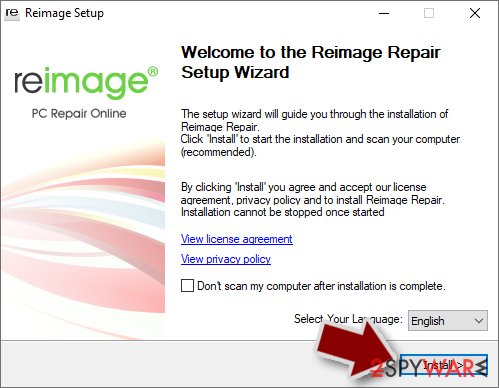
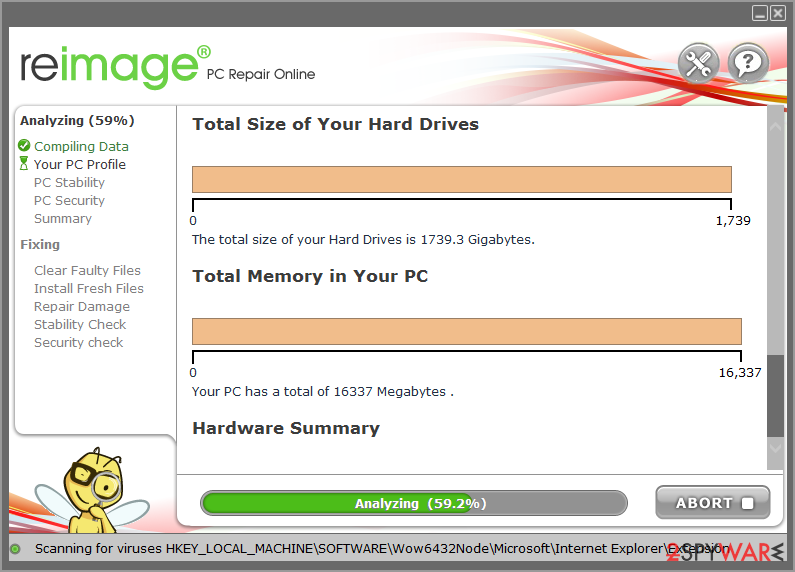
- The analysis of your machine will begin immediately
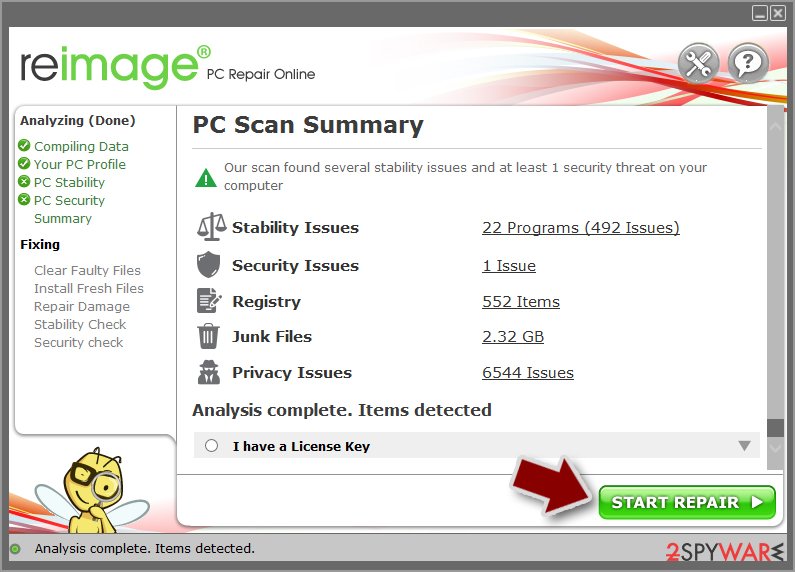
- Once complete, check the results – they will be listed in the Summary
- You can now click on each of the issues and fix them manually
- If you see many problems that you find difficult to fix, we recommend you purchase the license and fix them automatically.


Possible data recovery option
EHEHEHX12 ransomware virus decryption is not possible. These tools are not developed quickly or easily because researchers need time and information. Files get locked, and payment is asked for the alleged file recovery, but this is not guaranteed, so experts[3] recommend that you never even consider paying criminals.
An infection like this is one of the more serious cyber threats, so the EHEHEHX12 ransomware virus should be removed, and files recovered using other solutions. There are alternate options, so you can remove the virus and then restore system functions. This is the best way to restore files. Then data backups can be used.
Since many users do not prepare proper data backups prior to being attacked by ransomware, they might often lose access to their files permanently. Paying criminals is also very risky, as they might not fulfill the promises and never send back the required decryption tool.
While this might sound terrible, not all is lost – data recovery software might be able to help you in some situations (it highly depends on the encryption algorithm used, whether ransomware managed to complete the programmed tasks, etc.). Since there are thousands of different ransomware strains, it is immediately impossible to tell whether third-party software will work for you.
Therefore, we suggest trying regardless of which ransomware attacked your computer. Before you begin, several pointers are important while dealing with this situation:
- Since the encrypted data on your computer might permanently be damaged by security or data recovery software, you should first make backups of it – use a USB flash drive or another storage.
- Only attempt to recover your files using this method after you perform a scan with anti-malware software.
Install data recovery software
- Download Data Recovery Pro.
- Double-click the installer to launch it.

- Follow on-screen instructions to install the software.
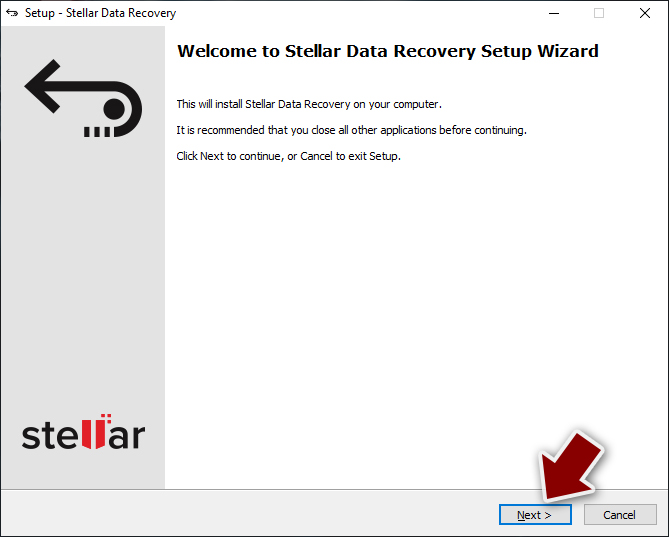
- As soon as you press Finish, you can use the app.
- Select Everything or pick individual folders where you want the files to be recovered from.
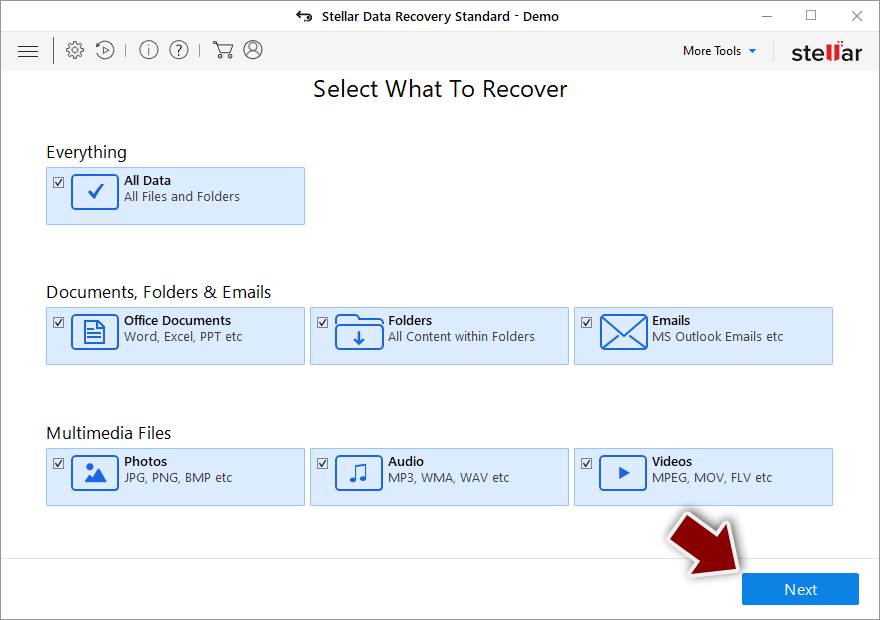
- Press Next.
- At the bottom, enable Deep scan and pick which Disks you want to be scanned.
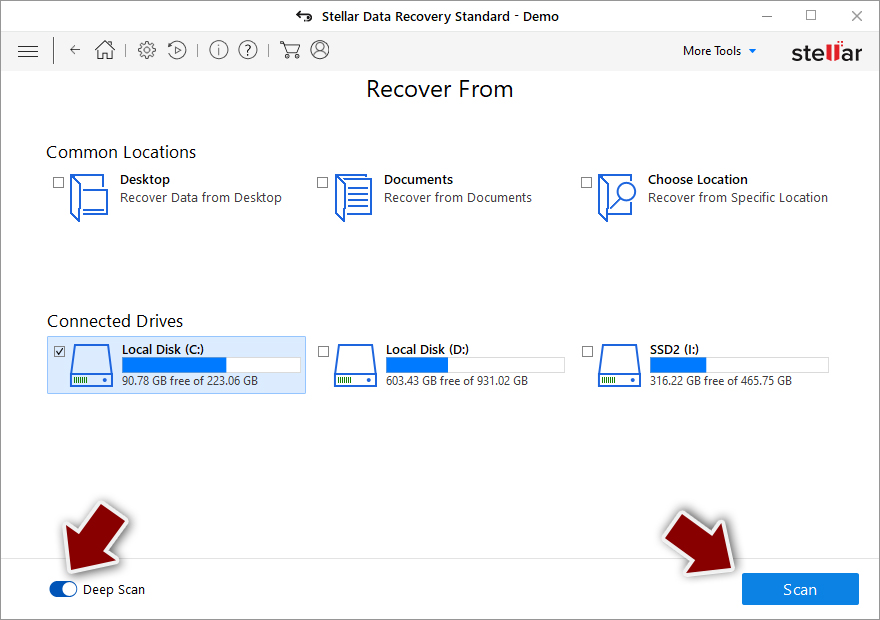
- Press Scan and wait till it is complete.
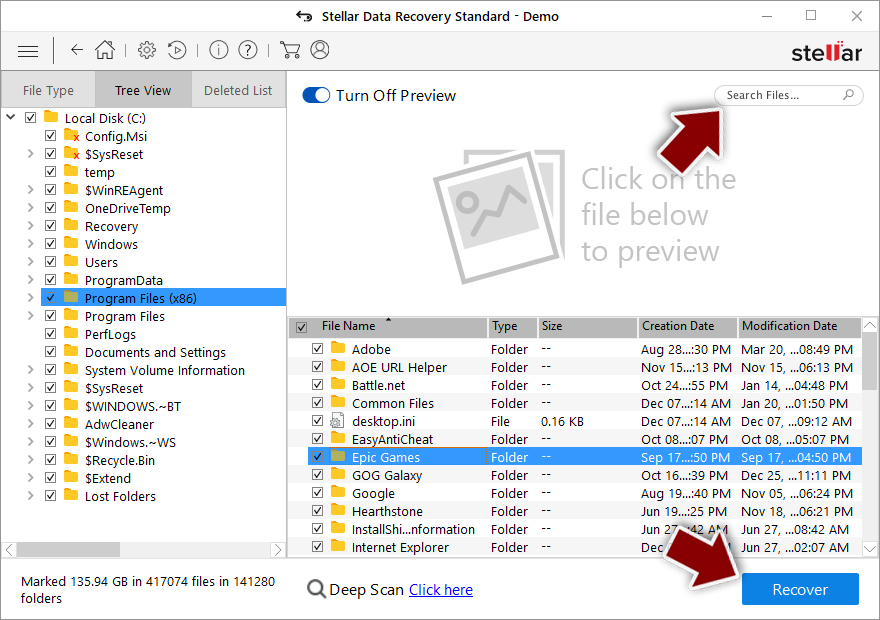
- You can now pick which folders/files to recover – don't forget you also have the option to search by the file name!
- Press Recover to retrieve your files.


EHEHEHX12 ransomware virus can be removed with anti-malware tools like SpyHunterCombo Cleaner or MalwarebytesMalwarebytes, so the machine is cleared from any threats and properly cleaned. If you add data backups on the machine that is still having the active virus on the system, you can risk getting permanent data damage.
Do not forget about the EHEHEHX12 ransomware virus damage and issues caused by the infection or additional viruses. Run FortectIntego before you do anything about those locked files, so you can recover files and still use the machine once the infection is properly terminated.
Did this guide help?
Be the first to comment