

What challenges can Search.newtab.online bring to your PC?
Search.newtab.online virus – a cyber infection that may affect every one of us. But whether it actually will, depends on how well you protect your computer and how cautious you are while browsing the Internet. In this article, we will present the virus itself, introduce the basic facts about it and provide suggestions on Search.newtab.online removal.
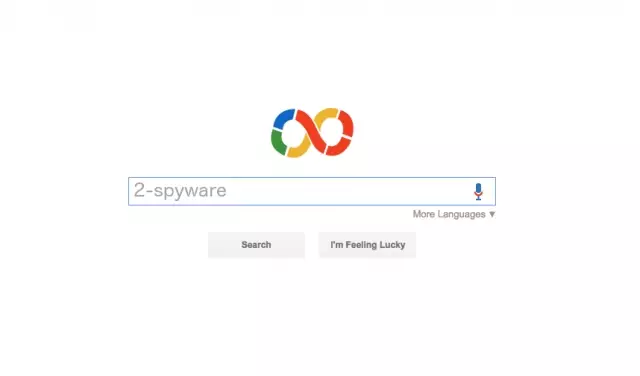
The virus we are discussing in this article is not unique. There are numerous cyber infections that work almost identically. These programs are called browser hijackers and, as the title suggests, are designed to take control over the infected computer’s browser. When they do, they pretend to provide the users with a useful search service, but unfortunately, the displayed search results are often filled with sponsored ads, promoting different websites, products, and services. In other words, programs like Search.newtab.online hijack computers to generate advertising revenue. Also, when this program is installed on your computer you can expect your browser to crash or become unresponsive more often, and your whole system’s performance to diminish. What is more, if you do not hurry to remove Search.newtab.online from your computer, this suspicious application may start collecting information about your search queries, visited websites and similar non-personally identifiable data. This data can then be used to display various targeted advertisements, including vouchers, coupons, price comparison tools which may seem useful at first but in reality turn out to be quite useless. And not only that. You should also be aware that Search.newtab.online redirect users to unrelated sites quite often as well, and such domains are not necessarily always reliable and secure, so, clicking any of the advertised links can be quite risky, too.
On top of it all, this browser hijacker may not only alter the settings of your browser, assigning some predetermined websites as your homepage or default search engines but some computer settings as well. So you will see the http://Search.newtab.online/ argument added to all of the browser shortcuts on your desktop. Having in mind that viruses are highly unpredictable, who knows what to expect next. That is why we suggest employing reputable antivirus tools such as SpyHunter to solve the problem.
How does this virus hijack computers?
Browser hijacker viruses like Search.newtab.online are known to infiltrate computers when the users are careless about installing new software on their computers. To be particular, their creators use “bundling” technique to spread these parasites around. The term “bundling” refers to a deceptive marketing method using which, potentially unwanted programs can be added to software packages of legitimate programs or other malware and install on the target computer without asking for a direct user’s permission. That usually happens when “Quick” or “Recommended” settings are used for the installation of the newly downloaded software. Security experts highly advise ignoring the default settings and using “Advanced” or “Custom” modes instead. The advanced settings allow the user to choose what components from the software package to install on the computer and which ones to terminate. This way spyware and malware can be stopped from entering the computer.
Some useful information on the Search.newtab.online removal:
If Search.newtab.online virus has infected your computer do not waste any time and kick this suspicious hijacker from your computer. Otherwise, you may have to deal with all sorts of inconveniences, such as unauthorized changes in the system, browsing difficulties, and diminishing of the system’s performance. In order to remove Search.newtab.online you will have to decide what elimination approach is more acceptable and convenient for you. You can either go for a manual or an automatic Search.newtab.online removal. The instructions for the manual virus elimination are provided below the article.
Uninstall from Windows
Uninstall from Windows 10/8:
- Type Control Panel into the Windows search box and open the result.
- Under Programs, select Uninstall a program.


Uninstall from Windows 7/XP:
- Click on Windows Start > Control Panel (Windows XP users should click on Add/Remove Programs).
- In Control Panel, select Programs > Uninstall a program.


Remove the unwanted program:
- In the Programs and Features window, look for any recently installed suspicious entries, select them, and click Uninstall.
- If User Account Control appears, click Yes to confirm, then complete the removal.


Delete from macOS
Remove the unwanted application:
- From the menu bar, select Go > Applications.
- In the Applications folder, look for any suspicious entries, then drag them to Trash (or right-click and pick Move to Trash).


Delete leftover files and folders:
- Select Go > Go to Folder.
- Enter /Library/Application Support and remove any suspicious folders related to the unwanted program.
- Repeat the same check in the /Library/LaunchAgents and /Library/LaunchDaemons folders, deleting any suspicious entries.

- Finally, empty the Trash to permanently remove the leftovers.

Remove from Microsoft Edge
Delete unwanted extensions from MS Edge:
- Select Menu (three horizontal dots at the top-right of the browser window) and pick Extensions.
- From the list, pick the extension and click on the Gear icon.
- Click Remove.


Clear cookies and other browser data:
- Click on the Menu (three horizontal dots at the top-right of the browser window) and select Settings > Privacy, search, and services..
- Under Clear browsing data, pick Choose what to clear.
- Select Cookies and other site data and Cached images and files. (apart from passwords, although you might want to include Media licenses as well, if applicable) and click on Clear.


Restore new tab and homepage settings:
- Click the menu icon and choose Settings.
- Then find On startup section.
- Click Remove next to any suspicious startup page.
Reset MS Edge if the above steps did not work:
- Press on Ctrl + Shift + Esc to open Task Manager.
- Click on More details arrow at the bottom of the window.
- Select Details tab.
- Now scroll down and locate every entry with Microsoft Edge name in it. Right-click on each of them and select End Task to stop MS Edge from running.


Instructions for Chromium-based Edge
Delete extensions from MS Edge (Chromium):
- Open Edge and click select Settings > Extensions.
- Delete unwanted extensions by clicking Remove.


Clear cache and site data:
- Click on Menu and go to Settings.
- Select Privacy, search and services.
- Under Clear browsing data, pick Choose what to clear.
- Under Time range, pick All time.
- Select Clear now.


Reset Chromium-based MS Edge:
- Click on Menu and select Settings.
- On the left side, pick Reset settings.
- Select Restore settings to their default values.
- Confirm with Reset.
- This will disable extensions and reset startup pages but will not delete bookmarks, saved passwords, or browsing history.


Remove from Mozilla Firefox (FF)
Remove dangerous extensions:
- Open Mozilla Firefox browser and click on the Menu (three horizontal lines at the top-right of the window).
- Select Add-ons.
- In here, select the unwanted extension and click Remove.


Reset the homepage:
- Click three horizontal lines at the top right corner to open the menu.
- Choose Settings.
- Under Home, set your preferred homepage and new tab settings.
Clear cookies and site data:
- Click Menu and pick Settings.
- Go to Privacy & Security section.
- Scroll down to locate Cookies and Site Data.
- Click on Clear Data...
- Select Cookies and Site Data and Temporary cached files and pages, then click Clear.


Reset Mozilla Firefox
If clearing the browser as explained above did not help, reset Mozilla Firefox:
- Open Mozilla Firefox browser and click the Menu.
- Go to Help and then choose Troubleshooting Information.

- Under Give Firefox a tune up section, click on Refresh Firefox...
- Once the pop-up shows up, confirm the action by pressing on Refresh Firefox.



Remove from Google Chrome
Delete malicious extensions from Google Chrome:
- Open Google Chrome, click on the Menu (three vertical dots at the top-right corner) and select More tools > Extensions.
- In the newly opened window, you will see all the installed extensions. Uninstall all suspicious extensions related to the unwanted program by clicking Remove.


Clear cache and web data from Chrome:
- Click on Menu and pick Settings.
- Under Privacy and security, select Clear browsing data.
- Select Browsing history, Cookies and other site data, as well as Cached images and files.
- Click Clear data.


Change your homepage:
- Click menu and choose Settings.
- Look for a suspicious site in the On startup section.
- Click on Open a specific or set of pages and click on three dots to find the Remove option.
Reset Google Chrome:
If the previous methods did not help you, reset Google Chrome to eliminate all the unwanted components:
- Click on Menu and select Settings.
- In the Settings, scroll down and click Advanced.
- Scroll down and locate Reset and clean up section.
- Now click Restore settings to their original defaults.
- Confirm with Reset settings.


Delete from Safari
Remove dangerous extensions:
- Open Safari, click Safari in the menu at the top-left of the screen, and select Preferences.
- Go to the Extensions tab, look for any suspicious entries, and click Uninstall to remove them.


Clear history and website data:
- Click Safari in the menu and pick Clear History.
- Set Clear to all history and confirm with Clear History.


Reset Safari:
- Click Safari in the menu and select Preferences > Advanced.
- Enable Show Develop menu in menu bar.
- From the menu bar, click Develop and select Empty Caches.


Did this guide help?
4 comments
Jangou
Sites like there are of no use.. Of course, unless you want to receive some annoying advertisements
Pablo Coansonerri
Thanks, the virus is now gone from my PC!
rEVenge
yes. search.newtab.online wasnt useful at any point although at first, i thought that it is just a regular search engine
millionaire101
Thank you.