

Testpid is the program that shows tons of commercial pop-ups and redirects to other ad-supported and generally suspicious sites
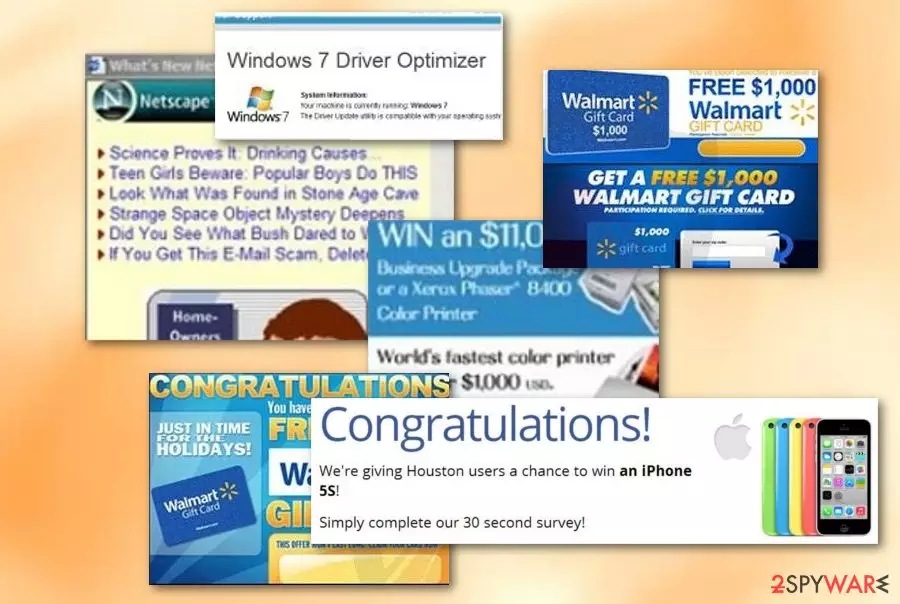
Testpid is another potentially unwanted program that belongs to the adware category. Once installed, this PUP starts injecting various unwanted components into Google Chrome, Internet Explorer, Mozilla Firefox, or Safari web browser. Such content includes adware-related browser extensions, add-ons, and plug-ins. After that, intrusive ads are displayed on your computer screen every time you try to browse the web. Nevertheless, these types of banners, pop-ups[1], and pop-unders can easily redirect you to a potentially harmful website. Note that this adware application also changes the browser's homepage. These modifications can be reversed only if you remove the potentially unwanted program from your computer and web browsers.
| Name | Testpid |
|---|---|
| Type | Ad-supported program |
| Sub-type | Potentially unwanted application |
| Possible dangers | Adware can redirect you to a virus-related page |
| Can inject content such as | Unwanted browser extensions, add-ons, and plug-ins |
| Distribution ways | Bundling, rogue sites |
| Removal | Get rid of the PUP. Detect damaged objects with FortectIntego |
You can recognize the virus from ads that display the following text in the corner:
- “Powered by Testpid”;
- “Ads powered by Testpid“;
- “Brought to you by Testpid“;
- etc.
If you ever receive advertising posts with these phrases, we can ensure you that your computer is infected with the adware. Be careful with these adware-type programs, as you might end up n malware-ridden websites or be scammed to buy products or services that are useless.
Additionally, users reported that ads could be associated with Counterflix adware. This potentially unwanted program is capable of changing DNS settings, making the elimination of these applications quite complicated. Therefore, if you see Testpid ads, there is a possibility Counterflix is involved as well.
Nevertheless, the adware can collect details that relate to the user's browsing experience. Visited pages, saved bookmarks[2], IP addresses – all this information is gathered and used for personalized ad generation. Therefore, PUP developers can easily gain income from their advertising by using the pay-per-click marketing technique[3].
Avoid unwanted consequences and activity which can be brought by adware. Remove Testpid virus safely by using a reliable anti-malware program. Furthermore, think about downloading and installing a computer tool such as MalwarebytesMalwarebytes or SpyHunterCombo Cleaner. This software will help you detect all unwanted components that might be secretly hidden by the ad-supported application.
There is another way you can perform the removal. Check out the manual elimination instructions that we provided below this article. However, note that such a method is more likely to be used by experienced computer users. Additionally, continue reading and find out how to stay safe from adware infections in the future.

Take precautionary steps to avoid adware programs
According to technology specialists from NoVirus.uk[4], adware applications are very likely to spread via bundling. These potentially unwanted programs often come together with regular freeware or shareware. The good news is that you can avoid secret infiltration easily. All you need to do is choose the Custom or Advanced installation mode over the Quick/Recommended one. Here you will be able to track all the optional components.
Additionally, you can find adware-related software on rogue third-party websites. Make sure you do not click on links once you get redirected to a suspicious site, and close your browser instead. This way you might decrease the risk of secret adware installation as well. Furthermore, cybersecurity researchers recommend users having a reputable antivirus program installed. This software will keep the computer system protected from various threats that might pop up during web surfing sessions.
Get rid of Testpid ads by removing the PUP properly
You can easily remove the virus with the help of reliable anti-malware programs. Such software will deal with cyber threats effectively. However, you can always feel free to try the other deletion method. Find instructions below this article and make sure you carry out each step exactly as shown in the guide. Remember that you need to terminate all adware-added components from Control Panel.
If you choose to perform the Testpid removal by using computer tools, make sure you reset all web browsers after the process. This needs to be done to make sure that no adware-related content is left. Additionally, ensure that you keep all aforementioned precautionary measures in mind in case another potentially unwanted program tries to sneak into your computer.
Uninstall from Windows
Uninstall from Windows 10/8:
- Type Control Panel into the Windows search box and open the result.
- Under Programs, select Uninstall a program.


Uninstall from Windows 7/XP:
- Click on Windows Start > Control Panel (Windows XP users should click on Add/Remove Programs).
- In Control Panel, select Programs > Uninstall a program.


Remove the unwanted program:
- In the Programs and Features window, look for any recently installed suspicious entries, select them, and click Uninstall.
- If User Account Control appears, click Yes to confirm, then complete the removal.


Remove from Microsoft Edge
Delete unwanted extensions from MS Edge:
- Select Menu (three horizontal dots at the top-right of the browser window) and pick Extensions.
- From the list, pick the extension and click on the Gear icon.
- Click Remove.


Clear cookies and other browser data:
- Click on the Menu (three horizontal dots at the top-right of the browser window) and select Settings > Privacy, search, and services..
- Under Clear browsing data, pick Choose what to clear.
- Select Cookies and other site data and Cached images and files. (apart from passwords, although you might want to include Media licenses as well, if applicable) and click on Clear.


Restore new tab and homepage settings:
- Click the menu icon and choose Settings.
- Then find On startup section.
- Click Remove next to any suspicious startup page.
Reset MS Edge if the above steps did not work:
- Press on Ctrl + Shift + Esc to open Task Manager.
- Click on More details arrow at the bottom of the window.
- Select Details tab.
- Now scroll down and locate every entry with Microsoft Edge name in it. Right-click on each of them and select End Task to stop MS Edge from running.


Instructions for Chromium-based Edge
Delete extensions from MS Edge (Chromium):
- Open Edge and click select Settings > Extensions.
- Delete unwanted extensions by clicking Remove.


Clear cache and site data:
- Click on Menu and go to Settings.
- Select Privacy, search and services.
- Under Clear browsing data, pick Choose what to clear.
- Under Time range, pick All time.
- Select Clear now.


Reset Chromium-based MS Edge:
- Click on Menu and select Settings.
- On the left side, pick Reset settings.
- Select Restore settings to their default values.
- Confirm with Reset.
- This will disable extensions and reset startup pages but will not delete bookmarks, saved passwords, or browsing history.


Remove from Mozilla Firefox (FF)
Remove dangerous extensions:
- Open Mozilla Firefox browser and click on the Menu (three horizontal lines at the top-right of the window).
- Select Add-ons.
- In here, select the unwanted extension and click Remove.


Reset the homepage:
- Click three horizontal lines at the top right corner to open the menu.
- Choose Settings.
- Under Home, set your preferred homepage and new tab settings.
Clear cookies and site data:
- Click Menu and pick Settings.
- Go to Privacy & Security section.
- Scroll down to locate Cookies and Site Data.
- Click on Clear Data...
- Select Cookies and Site Data and Temporary cached files and pages, then click Clear.


Reset Mozilla Firefox
If clearing the browser as explained above did not help, reset Mozilla Firefox:
- Open Mozilla Firefox browser and click the Menu.
- Go to Help and then choose Troubleshooting Information.

- Under Give Firefox a tune up section, click on Refresh Firefox...
- Once the pop-up shows up, confirm the action by pressing on Refresh Firefox.



Remove from Google Chrome
Delete malicious extensions from Google Chrome:
- Open Google Chrome, click on the Menu (three vertical dots at the top-right corner) and select More tools > Extensions.
- In the newly opened window, you will see all the installed extensions. Uninstall all suspicious extensions related to the unwanted program by clicking Remove.


Clear cache and web data from Chrome:
- Click on Menu and pick Settings.
- Under Privacy and security, select Clear browsing data.
- Select Browsing history, Cookies and other site data, as well as Cached images and files.
- Click Clear data.


Change your homepage:
- Click menu and choose Settings.
- Look for a suspicious site in the On startup section.
- Click on Open a specific or set of pages and click on three dots to find the Remove option.
Reset Google Chrome:
If the previous methods did not help you, reset Google Chrome to eliminate all the unwanted components:
- Click on Menu and select Settings.
- In the Settings, scroll down and click Advanced.
- Scroll down and locate Reset and clean up section.
- Now click Restore settings to their original defaults.
- Confirm with Reset settings.


Delete from Safari
Remove dangerous extensions:
- Open Safari, click Safari in the menu at the top-left of the screen, and select Preferences.
- Go to the Extensions tab, look for any suspicious entries, and click Uninstall to remove them.


Clear history and website data:
- Click Safari in the menu and pick Clear History.
- Set Clear to all history and confirm with Clear History.


Reset Safari:
- Click Safari in the menu and select Preferences > Advanced.
- Enable Show Develop menu in menu bar.
- From the menu bar, click Develop and select Empty Caches.


Did this guide help?
Be the first to comment