

Ggew file virus can be silent and deliver the ransom note only after a while, so remove the virus instead of paying

Ggew ransomware causes a lot of issues on the system because it manages to run in the background and affects crucial functions of the system. You need to clear the system and make the threat inactive to treat the machine properly. The infection is considered to be one of the most dangerous threats because these cryptoviruses involve file damage and direct money extortion.
Ggew file virus is an infection that locks data after infiltration and demands money by claiming to have the only solution for the encrypted pieces.[1] So you can find those common files encrypted right after the installation of this threat or out of nowhere when the infection damages the machine before locking data.
The data marked using .ggew file extension are not openable, and the threat can demand money for recovery. These demands appear through a _readme.txt document that appears on your desktop and in other folders, asking $490 within 72 hours of infection. If not paid, then it doubles.
Details about the infiltration
| Name | Ggew ransomware |
|---|---|
| Type | File-locker, cryptovirus |
| Family | Djvu ransomware |
| Latest versions | Hhew, Hhwq |
| Ransom note | _readme.txt |
| Ransom amount | $490/$980 in Bitcoin |
| Distribution | Files attached to pirating software packages, bundled files, cracks for games |
| Contact | support@bestyourmail.ch, supportsys@airmail.cc |
| Removal | Threat removal is possible with AV tools and security software |
| Repair | Run FortectIntego to find virus damage and repair system performance |
The infiltration happens silently and quickly because users mainly cause these injections by using pirating or torrent platforms while streaming videos online, allowing dangerous files to get installed. Ggew ransomware can be distributed via NBA game cracks and Adobe software cracking packages.
These hackers are creative, coming up with new ways to spread their virus around. One of the most popular methods is through spam email attachments which can also download malware onto your computer without causing any issues. Malicious macros[2] on file attachments can trigger the drop of malware payloads.
The hackers behind the Ggew ransomware virus will not care about your files if you pay them. They just want money, so don't fall for their tricks and try to recover any damaged data with alternate methods. As recommended by many experts[3], remove it instead of engaging in a conversation. This behavior can lead to more malware and loss of data or money.
Eliminating the threat
Ggew file virus is a stealthy infection that can penetrate machines and run various processes undetected. Avoiding any platform distributing free software, such as Adobe programs on torrent sites, is a key to staying safe from malware infections. Viruses like this can come with other threats or with the help of trojans used as vectors in deployment campaigns.
There are many ways to get around malware, but installing modified programs can be dangerous. Licensed software that's been cracked is even worse because it usually doesn't work properly and may also contain additional viruses or trojans without your knowledge! Rely on official sources.
As for the removal of the Ggew ransomware, we recommend using proper antivirus tools and system security applications. The best way to fight these infections includes anti-malware programs such as SpyHunterCombo Cleaner or MalwarebytesMalwarebytes, along with full scans that indicate damaging files or cyber threats on your computer. We should also note that this is not the same as decryption or file recover, so double-check after and move to the file recovery options available to you.

Restore the system
Ggew file virus can lead to major issues with the system. Once a system file is damaged by malware, antivirus software is not capable of doing anything about it, leaving it just the way it is. Consequently, users might experience performance, stability, and usability issues, to the point where a full Windows reinstallation is required.
Therefore, we highly recommend using a one-of-a-kind, patented technology of FortectIntego repair. Not only can it fix virus damage after the infection, but it is also capable of removing malware that has already broken into the system thanks to several engines used by the program. Besides, the application is also capable of fixing various Windows-related issues that are not caused by malware infections, for example, Blue Screen errors, freezes, registry errors, damaged DLLs, etc.
- Download the application by clicking on the link above
- Click on the ReimageRepair.exe

- If User Account Control (UAC) shows up, select Yes
- Press Install and wait till the program finishes the installation process
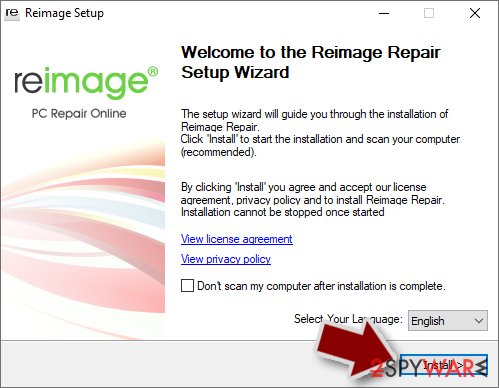
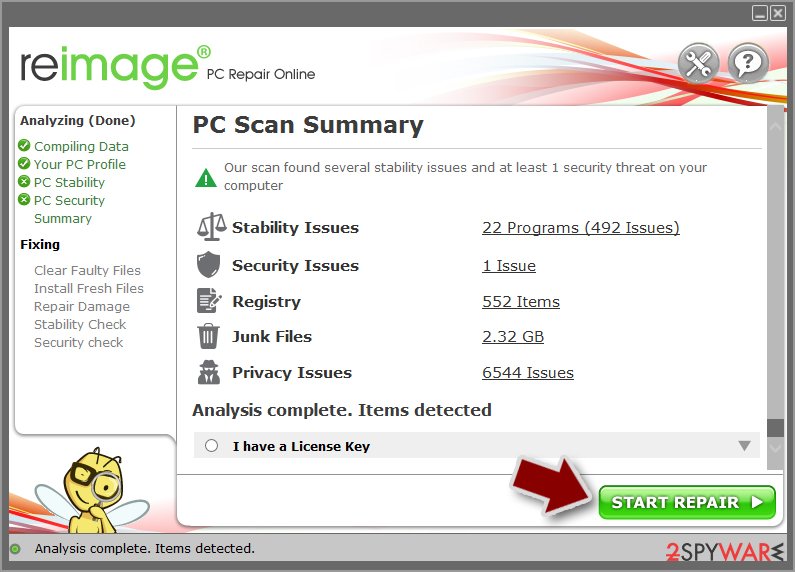
- The analysis of your machine will begin immediately
- Once complete, check the results – they will be listed in the Summary
- You can now click on each of the issues and fix them manually
- If you see many problems that you find difficult to fix, we recommend you purchase the license and fix them automatically.


Alternate options for the data recovery
Ggew ransomware virus is a consequence of a major problem with threats lurking on the internet for quite some time. They are asking people to pay up in order to unlock their device, but there's no guarantee this will happen or if it even can function at all. Criminals do not have those tools, in most cases, so paying is getting victims nowhere.
Ggew ransomware can be a very dangerous program because it causes files to become encrypted. If you don't remove this infection immediately, then all your data will likely get lost forever. You should take action right away and use removal methods, so you can rely on other solutions like backups or external storage devices later on.
The user can gain access to files by replacing affected data with copies. This is the safest restoration method because it does not affect system integrity or security settings in any way, instead of trying out complicated techniques which might restore only some parts of your file while leaving other sections damaged forever. There are no proper Ggew file virus decryption tools, however.
Paying criminals is riskier than doing so yourself, as they might never send an encryption tool needed to unlock your system or just give up after getting the money. Since many users do not prepare proper data backups prior to being attacked by ransomware, they might often lose access to their files permanently.
While this might sound terrible, not all is lost – data recovery software might be able to help you in some situations (it highly depends on the encryption algorithm used, whether ransomware managed to complete the programmed tasks, etc.). Since there are thousands of different ransomware strains, it is immediately impossible to tell whether third-party software will work for you.
Therefore, we suggest trying regardless of which ransomware attacked your computer. Before you begin, several pointers are important while dealing with this situation:
- Since the encrypted data on your computer might permanently be damaged by security or data recovery software, you should first make backups of it – use a USB flash drive or another storage.
- Only attempt to recover your files using this method after you perform a scan with anti-malware software.
Install data recovery software
- Download Data Recovery Pro.
- Double-click the installer to launch it.

- Follow on-screen instructions to install the software.
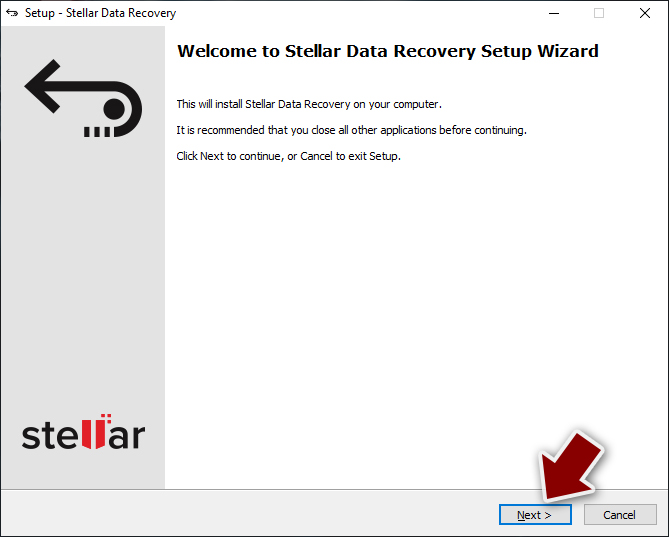
- As soon as you press Finish, you can use the app.
- Select Everything or pick individual folders where you want the files to be recovered from.
- Press Next.
- At the bottom, enable Deep scan and pick which Disks you want to be scanned.
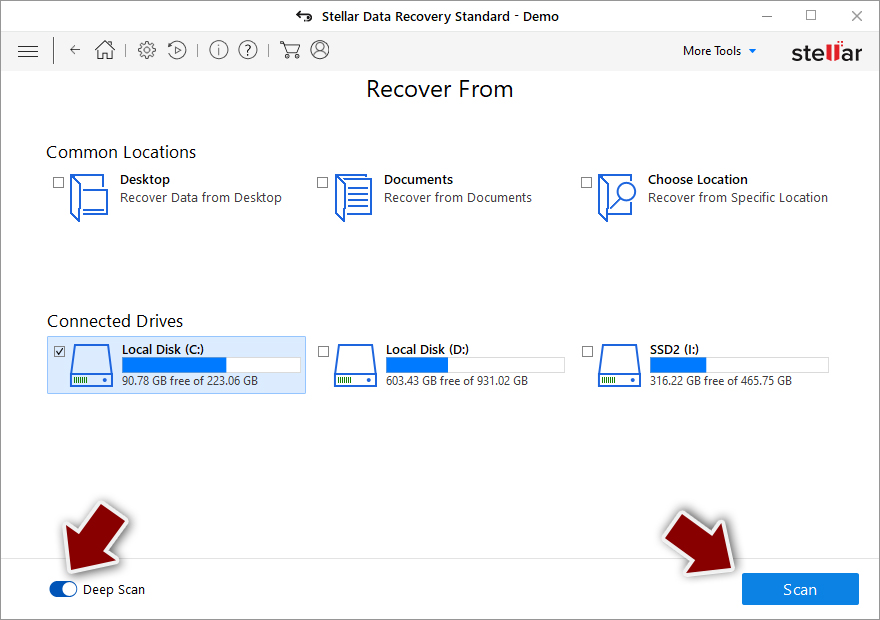
- Press Scan and wait till it is complete.
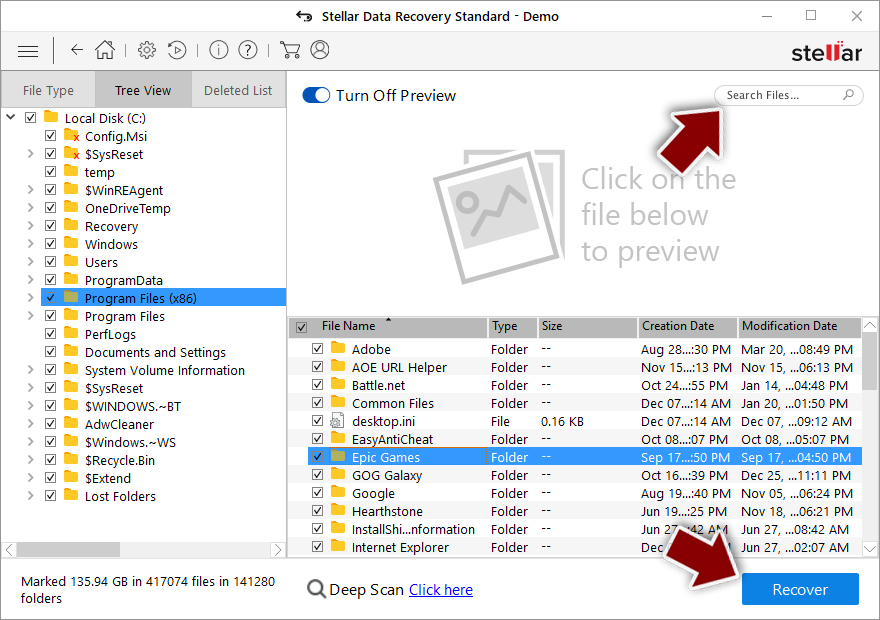
- You can now pick which folders/files to recover – don't forget you also have the option to search by the file name!
- Press Recover to retrieve your files.


Do not fall for the claims that criminals behind the Ggew file virus list on their ransom notes because there are no proper tools that could be developed with each weekly release of the Djvu ransomware version bundle. These solutions that criminals talk about are false and non-existent.
The best way that can ensure that the threat is terminated is the removal process using SpyHunterCombo Cleaner or MalwarebytesMalwarebytes. These are the tools that, alongside FortectIntego can help properly fight the Ggewv ransomware virus. There are no official tools that could restore files or decrypt tools, so make sure to use all reliable options available to you right now.
Did this guide help?
Be the first to comment