

Fargo ransomware can damage users' personal files permanently by encrypting them
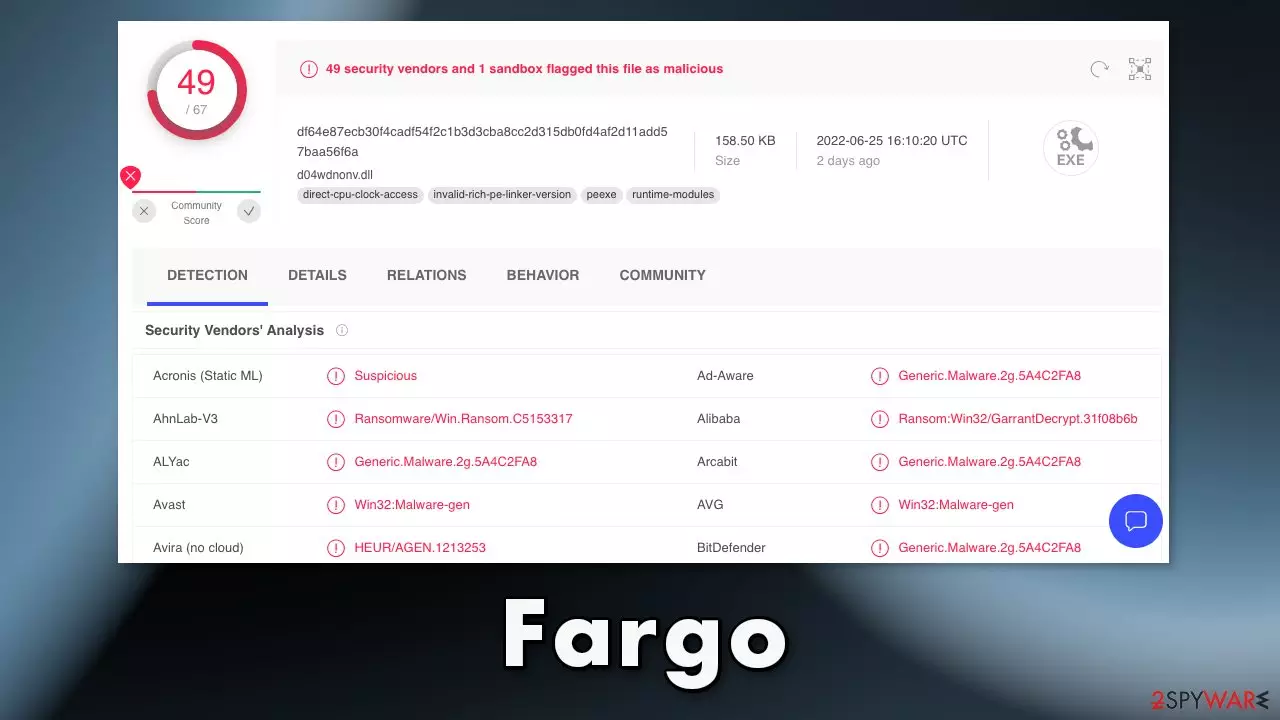
Fargo ransomware is a file-locking virus that infiltrates the system and encrypts users' personal files. It uses complicated encryption[1] algorithms to lock photos, videos, documents, and other personal data. When the process is finished, victims cannot open or use their data.
It also appends the affected files with the .FARGO extension. The icons turn to white pages so people cannot see the thumbnails. Threat actors then generate a ransom note named FILE RECOVERY.txt which informs victims about what has happened to their files.
| NAME | Fargo |
| TYPE | Ransomware, cryptovirus, data-locking malware |
| DISTRIBUTION | Email attachments, peer-to-peer file sharing platforms, malicious ads |
| FILE EXTENSION | .FARGO |
| RANSOM NOTE | FILE RECOVERY.txt |
| FILE RECOVERY | If no backups are available, recovering data is almost impossible. We list alternative methods that could help you in some cases below |
| MALWARE REMOVAL | Scan your machine with anti-malware software to eliminate the malicious files (this will not recover your data) |
| SYSTEM FIX | Malware can seriously tamper with Windows systems, causing errors, crashes, lag, and other stability issues. To remediate the OS and avoid its reinstallation, we recommend scanning it with the FortectIntego repair tool |
The ransom note

The full FILE RECOVERY.txt ransom note reads as follows:
YOUR FILES ARE ENCRYPTED !!!
TO DECRYPT, FOLLOW THE INSTRUCTIONS:
To recover data you need decrypt tool.
To get the decrypt tool you should:1.In the letter include your personal ID! Send me this ID in your first email to me!
2.We can give you free test for decrypt few files (NOT VALUE) and assign the price for decryption all files!
3.After we send you instruction how to pay for decrypt tool and after payment you will receive a decryption tool!
4.We can decrypt few files in quality the evidence that we have the decoder.Do not rename, do not use third-party software or the data will be permanently damaged
CONTACT US:
mallox@stealthypost.netIf first email will not reply in 24 hours then contact with reserve address:
recohelper@cock.liYOUR PERSONAL ID: –
The ransom note informs users that their files have been encrypted and they need to purchase a decryption tool to get them back. The amount that cybercriminals ask is undisclosed. They ask to contact them first, so the amount must be negotiated privately.
Threat actors usually choose cryptocurrency as a form of payment because it is anonymous. Cryptocurrency transactions are non-refundable so once you send your money to someone, it is impossible to get it back later. Many previous ransomware attack victims have come forward and reported that they never heard back from the malware developers.
That is why we strongly advise you not to contact them at all. Crooks cannot be trusted so you risk being scammed. Even though there is no other way to get a decryption key, you should consider if you can take that risk. We recommend first going through our removal and recovery options to see if they will work.
Distribution methods
Although it is unknown how specifically Fargo ransomware is spread on the Internet, there are some general tactics that threat actors use to distribute malicious programs. Malicious files can infiltrate the system during “cracked” software[2] installations. Avoid using torrent websites,[3] and peer-to-peer file-sharing platforms – they are the perfect breeding ground for all kinds of malware.
Cybercriminals can also use email to deliver ransomware into your system. This can be done by embedding malicious links or attachments in the email. It is advised not to open emails from unknown senders. Even if you received an attachment from someone on your friend list it is better to double-check with them through another platform.
Another common distribution channel is for hackers to use OS or software vulnerabilities. That is why it is vital to keep everything updated. Software developers regularly release security patches for newly found vulnerabilities, so you should install them as soon as they come out.
Start the removal process
The important thing to do is to disconnect the affected machine from the local network. For home users, disconnecting the ethernet cable should do the job. If this happened at your workplace, doing that might be complicated, so we have instructions for corporate environments at the bottom of this post.
If you try to recover your data first, it can result in permanent loss. It can also encrypt your files the second time. It will not stop until you remove the malicious files causing it first. You should not attempt removing the malicious program yourself unless you have experience. Manual removal of ransomware is extremely complicated and is suitable for people with advanced IT skills.
Use anti-malware tools like SpyHunterCombo Cleaner or MalwarebytesMalwarebytes to scan your system. This security software should find all the related files and entries and remove them automatically for you. In some cases, malware does not let you use antivirus in normal mode, so you need to access Safe Mode and perform a full system scan from there:
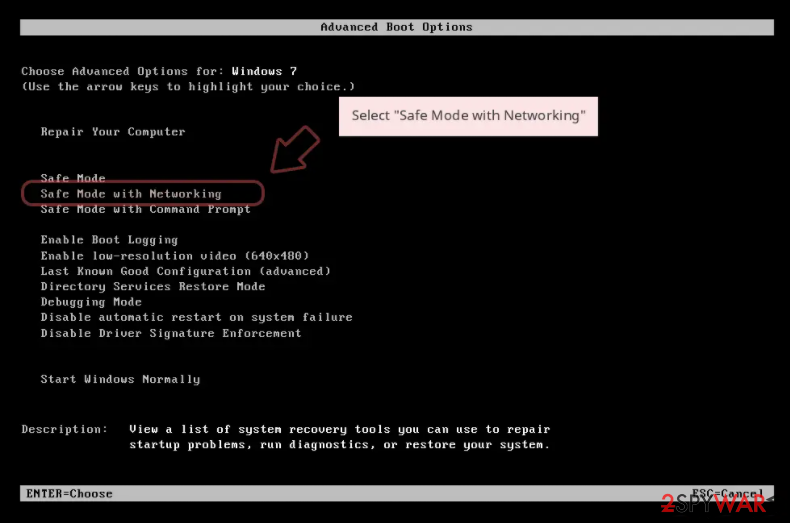
Windows 7 / Vista / XP
- Click Start > Shutdown > Restart > OK.
- When your computer becomes active, start pressing F8 button (if that does not work, try F2, F12, Del, etc. – it all depends on your motherboard model) multiple times until you see the Advanced Boot Options window.
- Select Safe Mode with Networking from the list.

Windows 10 / Windows 8
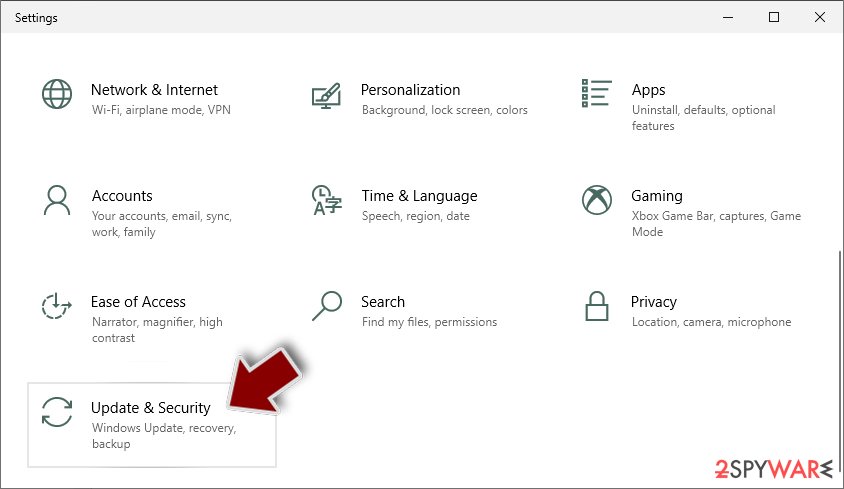
- Right-click on Start button and select Settings.
- Scroll down to pick Update & Security.
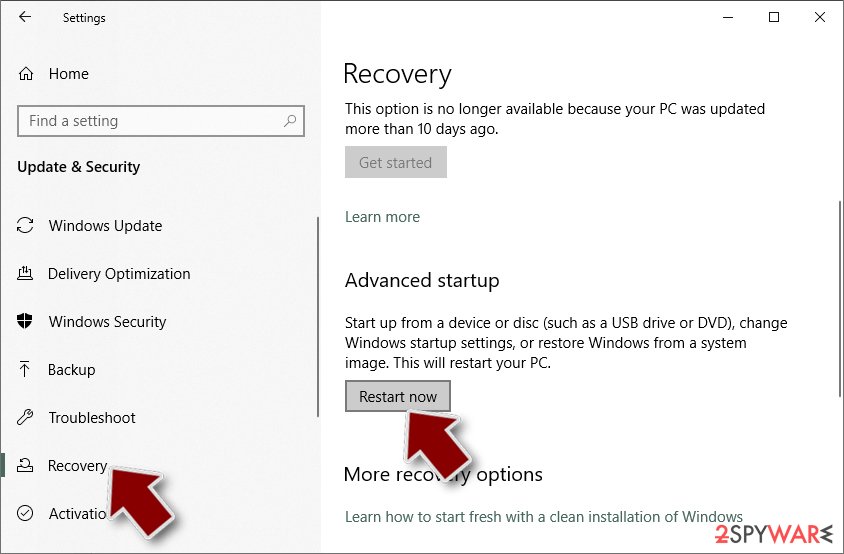
- On the left side of the window, pick Recovery.
- Now scroll down to find Advanced Startup section.
- Click Restart now.
- Select Troubleshoot.
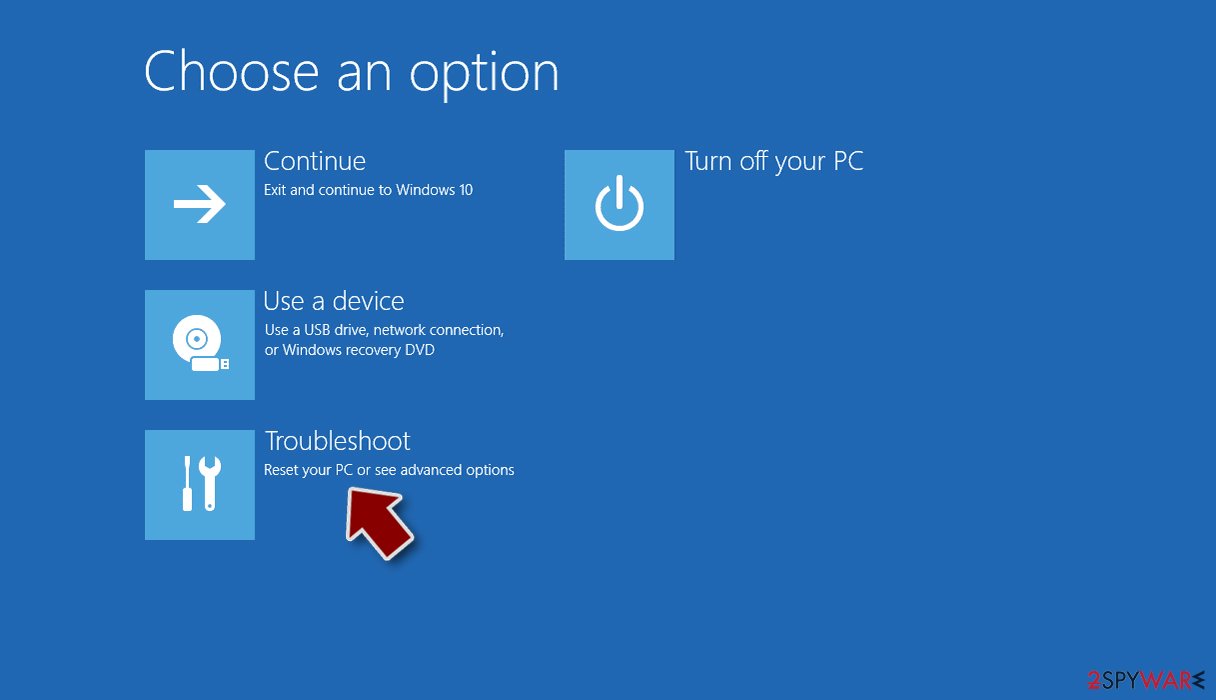
- Go to Advanced options.
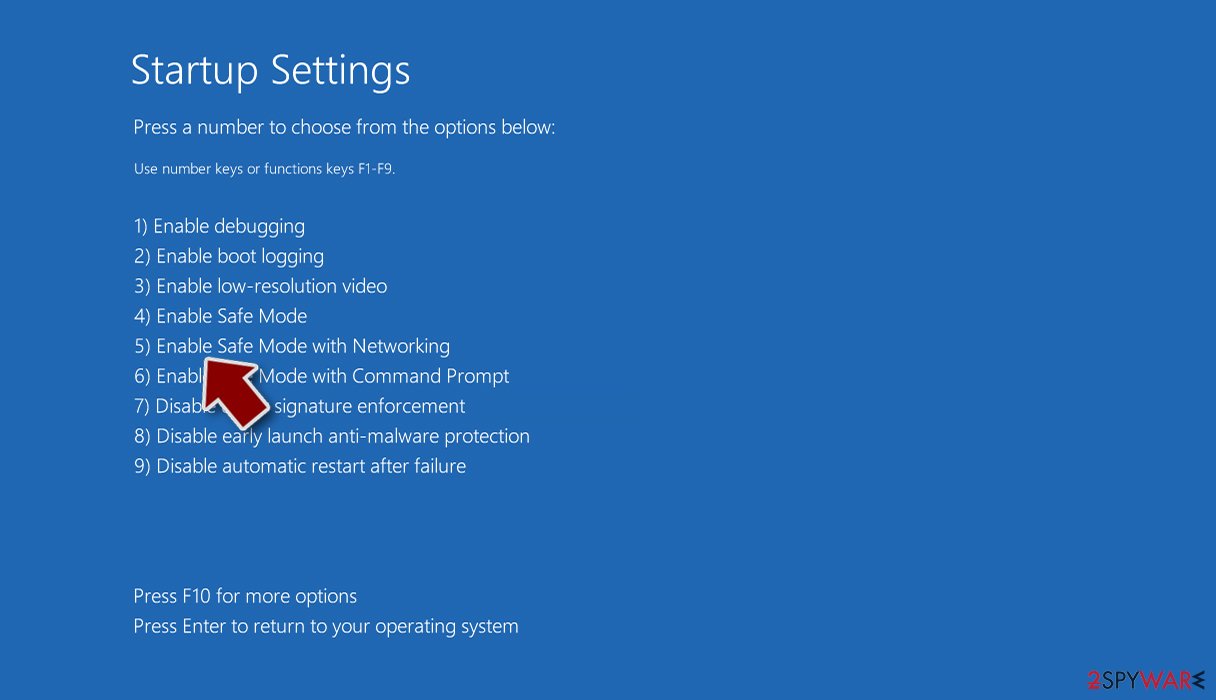
- Select Startup Settings.
- Click Restart.
- Press 5 or click 5) Enable Safe Mode with Networking.


Repair corrupted system files
Performance, stability, and usability issues, to the point where a full Windows reinstall is required, are nothing unusual after malware infection. These types of viruses can alter the Windows registry database, damage vital bootup, and other sections, delete or corrupt DLL files, etc. Once a system file is damaged by malware, antivirus software cannot fix it.
Manual troubleshooting of such damage is also very complicated and can take a long time. This is why FortectIntego was developed. It can fix a lot of the damage caused by an infection like this. Blue Screen errors,[4] freezes, registry errors, damaged DLLs, etc., can make your computer completely unusable. By using this maintenance tool, you could prevent yourself from having to reinstall WIndows completely.
- Download the application by clicking on the link above
- Click on the ReimageRepair.exe
- If User Account Control (UAC) shows up, select Yes
- Press Install and wait till the program finishes the installation process
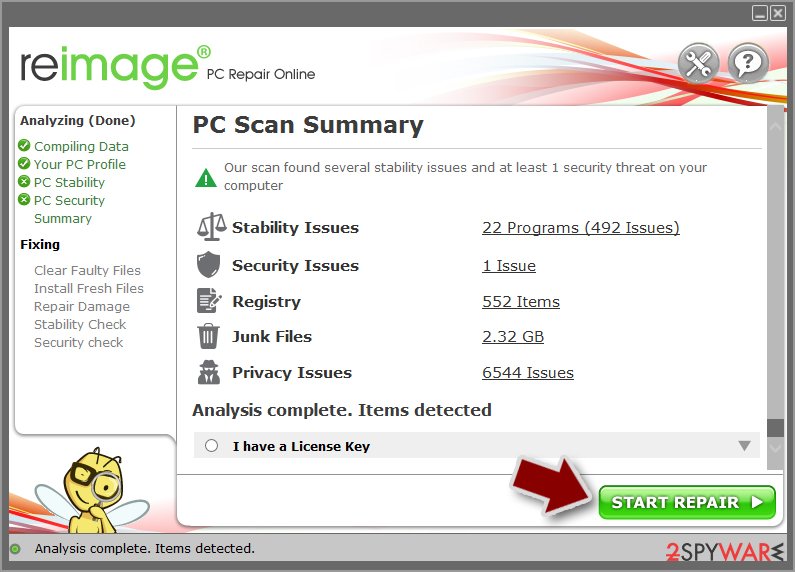
- The analysis of your machine will begin immediately
- Once complete, check the results – they will be listed in the Summary
- You can now click on each of the issues and fix them manually
- If you see many problems that you find difficult to fix, we recommend you purchase the license and fix them automatically.

Try recovering data with third-party software
Only hackers hold the decryption key, which can unlock your files, so if you did not back them up previously, there is a good chance that you will never get them back. You can try using data recovery software, but keep in mind that third-party programs cannot always decrypt the files. Whatever the situation may be, we suggest at least trying this method. Before you proceed, copy the corrupted files and place them in a USB flash drive or another external storage device. And remember – only do this if you have already removed the Fargo ransomware.
Before you begin, several pointers are important while dealing with this situation:
- Since the encrypted data on your computer might permanently be damaged by security or data recovery software, you should first make backups of it – use a USB flash drive or another storage.
- Only attempt to recover your files using this method after you perform a scan with anti-malware software.
Install data recovery software
- Download Data Recovery Pro.
- Double-click the installer to launch it.
- Follow on-screen instructions to install the software.
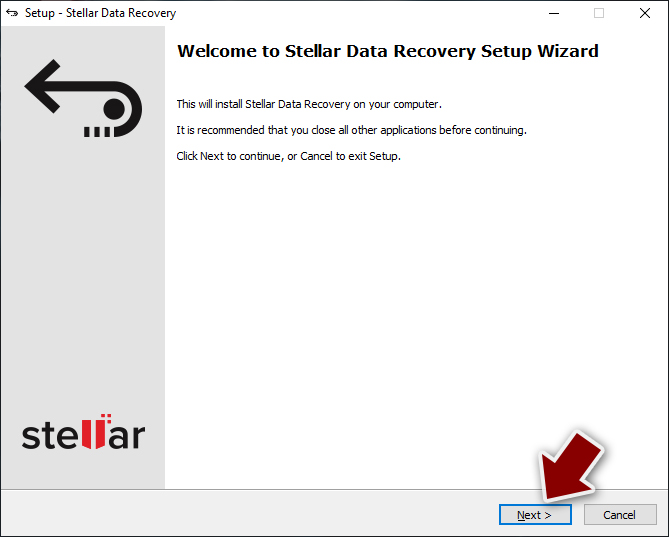
- As soon as you press Finish, you can use the app.
- Select Everything or pick individual folders where you want the files to be recovered from.
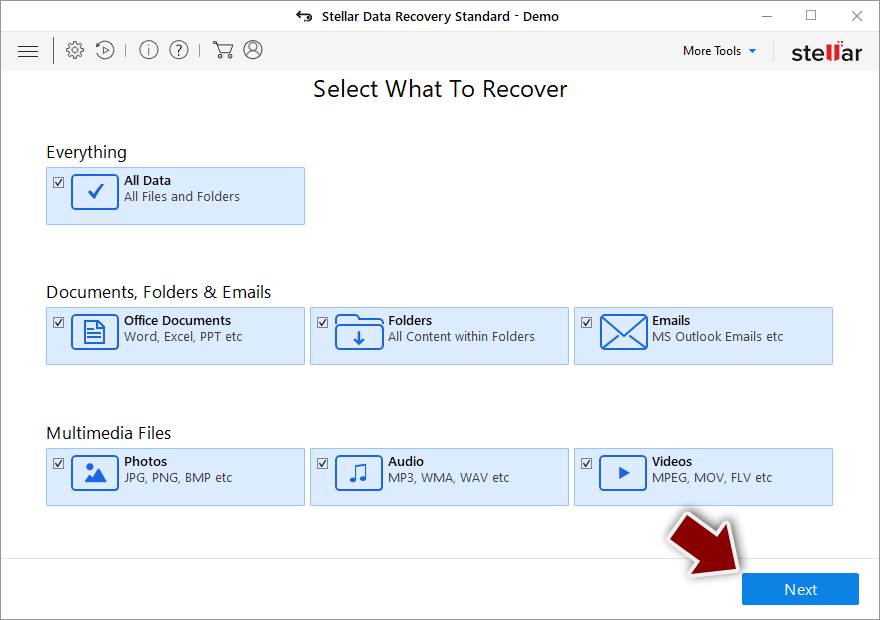
- Press Next.
- At the bottom, enable Deep scan and pick which Disks you want to be scanned.
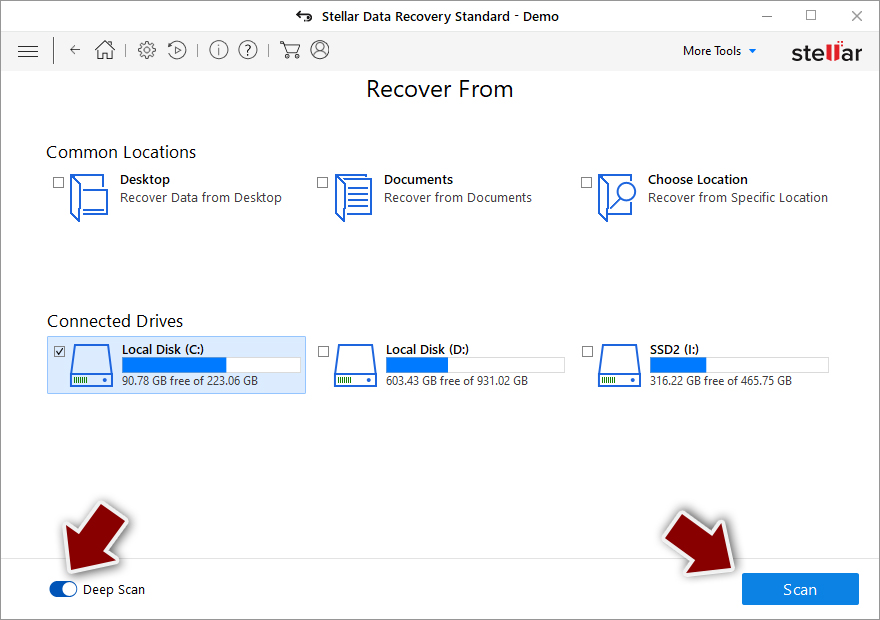
- Press Scan and wait till it is complete.
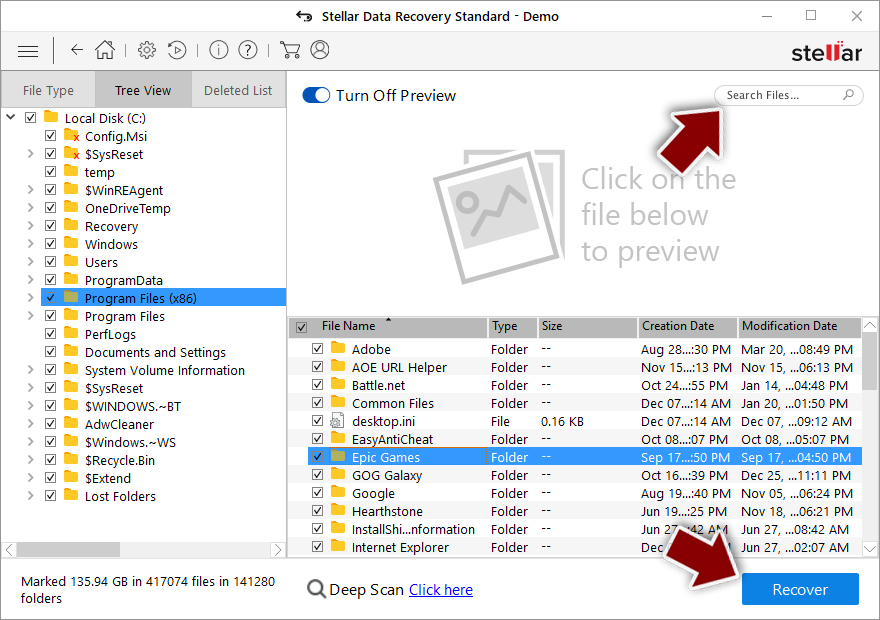
- You can now pick which folders/files to recover – don't forget you also have the option to search by the file name!
- Press Recover to retrieve your files.


Did this guide help?
Be the first to comment