

Kcbu ransomware is the cryptovirus that comes after 600 versions already
Kcbu ransomware is an infection that relies on encryption[1] methods, so these files can get locked, and the threat actors can ask for payment for alleged decryption tools. The infection comes from the Djvu ransomware family that has been active for years, and the particular threat marking data using .kcbu appendix is released after 600 other ones.
Threat actors behind this virus release groups of new variants weekly. Kcbu ransomware virus is not much changed from other variants because the ransom note _readme.txt is placed on the desktop and in other folders with the message that has been the same since 2019, at least.
The threat renames affected files directly. Those are encrypted and locked from access. However, the virus is capable of damaging other files on the machine and in system folders and directories. There are a lot of parts that can be damaged directly to keep the virus running and other processes blocked or programs disabled to keep the Kcbu file virus persistent and running on the infected system.
| Name | Kcbu file virus |
|---|---|
| Type | Ransomware, file locker, cryptocurrency extortionist |
| File marker | .kcbu |
| Family | STOP ransomware/ Djvu virus |
| Ransom note | _readme.txt |
| Ransom amount | $490/ $980 |
| Contact emails | support@fishmail.top, datarestorehelp@airmail.cc |
| Removal | Threat removal tools can help terminate the infection properly |
| Repair | Run an application like FortectIntego to keep the machine virus free and running smoothly |
What can be done?
Kcburansomware creators demand money from victims, and the ransom note starts at $490 in the first 72 hours but gets doubled after that. Paying, however, is not a good option. You need to remove the threat instead of contacting the people behind the infection and considering paying them the sum in Bitcoin.
This virus is a dangerous infection, and threat actors can inject other threats to affect more parts of the machine. Paying these people can only fund their activities and trigger the receive of malware in addition to the cryptovirus instead of the decryption tool or key.
The infection belongs to a dangerous family of Djvu ransomware that has been around and thriving. These versions get released frequently and even with improvements. You need to avoid any interaction with criminals and make sure to remove the infection as soon as you see those files marked with the new extension.
Searching for the particular decryption tool
Kcbu file virus versions previously were decryptable with the particular tool that is listed below. But improvements to coding and the usage of online IDs instead of offline IDs can mean that none of the versions could be decrypted. At least right now. However, checking does not cost anything.
File encryption is a process that is similar to applying a password to a particular file or folder. However, from a technical point of view, encryption is fundamentally different due to its complexity. By using encryption, threat actors use a unique set of alphanumeric characters as a password that can not easily be deciphered if the process is performed correctly.

There are several algorithms that can be used to lock data (whether for good or bad reasons); for example, AES uses the symmetric method of encryption, meaning that the key used to lock and unlock files is the same. Unfortunately, it is only accessible to the attackers who hold it on a remote server – they ask for payment in exchange for it. This simple principle is what allows ransomware authors to prosper in this illegal business.
Therefore, regardless of which crypto-malware affects your files, you should try to find the relevant decryptor if such exists. Security researchers are in a constant battle against cybercriminals. In some cases, they manage to create a working decryption tool that would allow victims to recover files for free.
Once you have identified which ransomware you are affected by, you should check the following links for a decryptor:
- No More Ransom Project
- Free Ransomware Decryptors by Kaspersky
- Free Ransomware Decryption Tools from Emsisoft
- Avast decryptors

If you can't find a decryptor that works for you, you should try the alternative methods we list below. Additionally, it is worth mentioning that it sometimes takes years for a working decryption tool to be developed, so there are always hopes for the future.
Termination of the malicious program
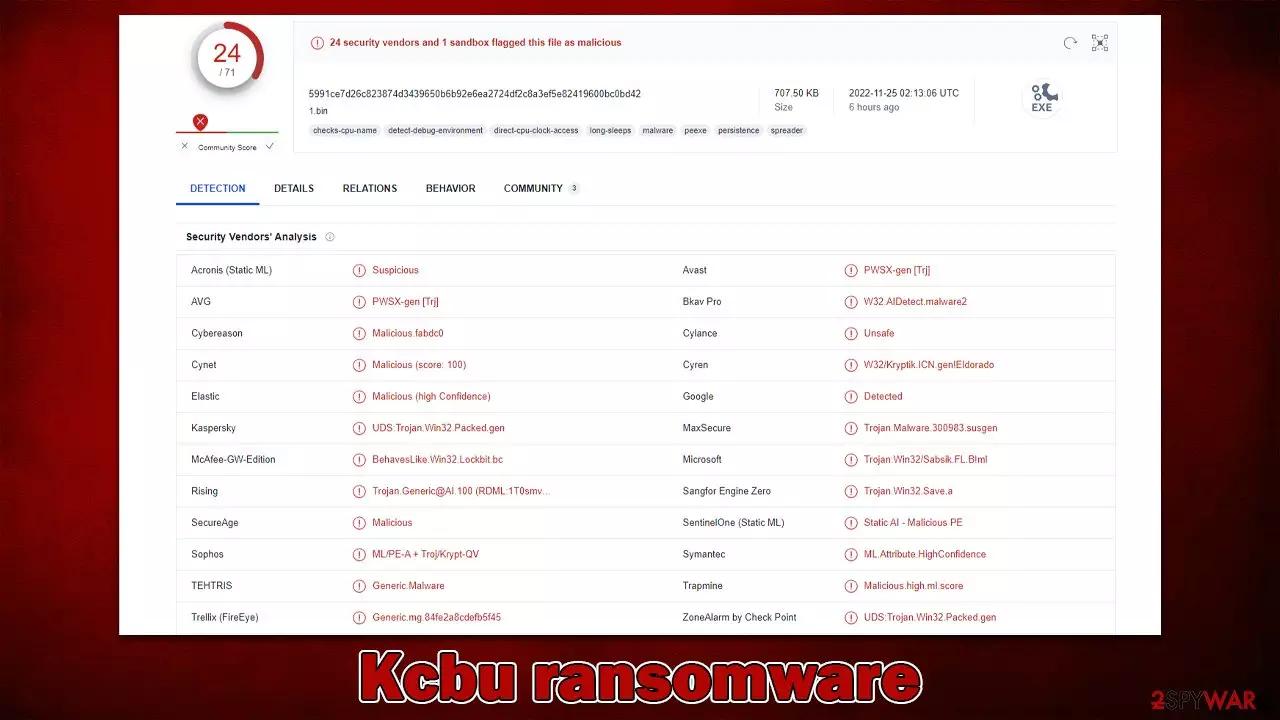
Kcbu virus is notorious for being silent and affecting particular programs or system functions like Shadow Explorer and AV tools. However, the detection rate of the samples[2] shows that anti-malware tools can be great for the removal of this type of cyber infection.
Running a full system scan using antivirus applications can help improve the security and even performance of the machine. Removing ransomware can be quick if you use anti-malware tools and run SpyHunterCombo Cleaner or MalwarebytesMalwarebytes as the first step in this process.
Any pieces still related to the virus can allow this malware to run, so infection can damage other parts of the machine and damage processes needed for file recovery or later procedures. Removing the virus ensures that active infections are eliminated, and that ransomware cannot affect those recovered files on the machine.
These applications that work on strong AV detection engines can be great tools for the termination, but not that this process of scanning the machine for malicious programs is not going to recover system programs or encrypted files. You can remove the Kcbu ransomware virus this way, but other issues need to be fixed with additional tools or programs that are designed for those purposes.
Recovering system files
Once a computer is infected with malware, its system is changed to operate differently. For example, an infection can alter the Windows registry database, damage vital bootup, and other sections, delete or corrupt DLL files, etc. Once a system file is damaged by malware, antivirus software is not capable of doing anything about it, leaving it just the way it is. Consequently, users might experience performance, stability, and usability issues, to the point where a full Windows reinstall is required.
Therefore, we highly recommend using a one-of-a-kind, patented technology of FortectIntego repair. Not only can it fix virus damage after the infection, but it is also capable of removing malware that has already broken into the system thanks to several engines used by the program. Besides, the application is also capable of fixing various Windows-related issues that are not caused by malware infections, for example, Blue Screen errors, freezes, registry errors, damaged DLLs, etc.
- Download the application by clicking on the link above
- Click on the ReimageRepair.exe

- If User Account Control (UAC) shows up, select Yes
- Press Install and wait till the program finishes the installation process
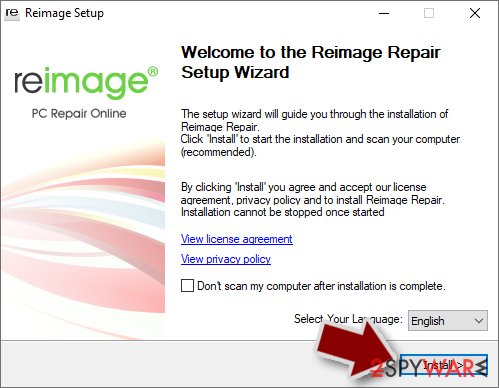
- The analysis of your machine will begin immediately
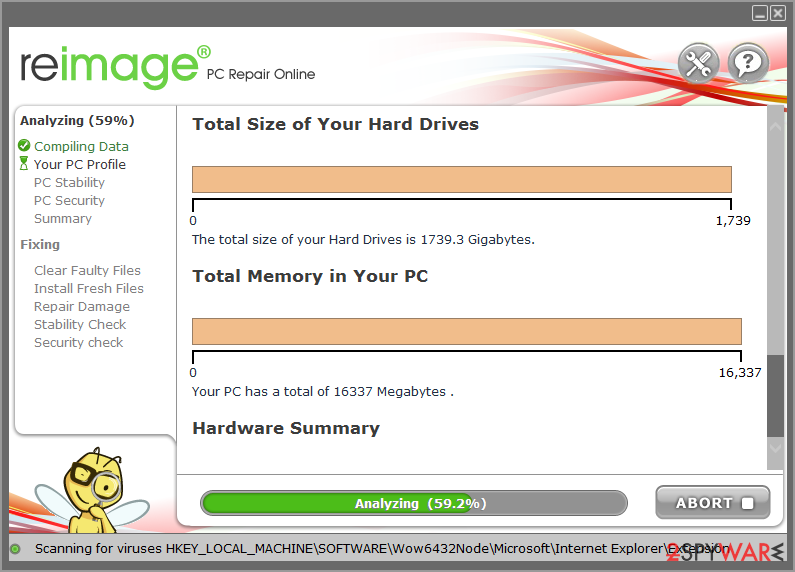
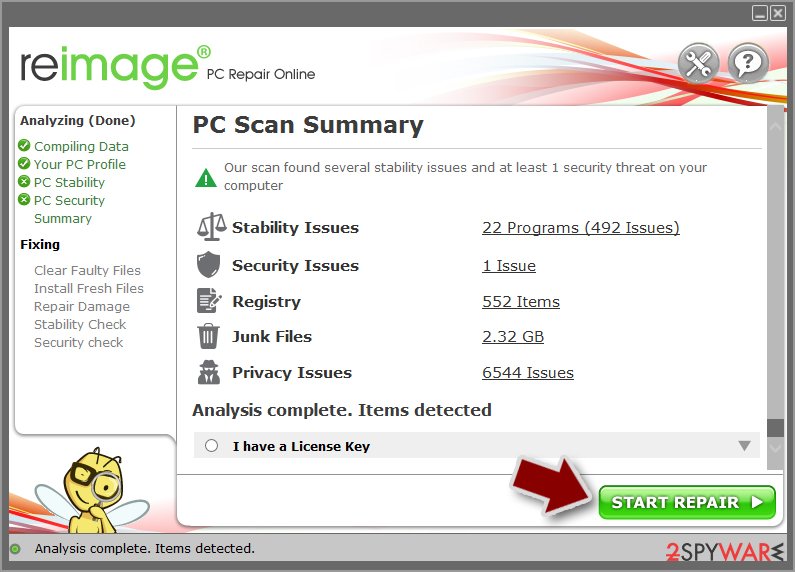
- Once complete, check the results – they will be listed in the Summary
- You can now click on each of the issues and fix them manually
- If you see many problems that you find difficult to fix, we recommend you purchase the license and fix them automatically.


An infection like this Kcbu ransomware can run on the system unnoticed, and that is possibly the worst thing about ransomware-type infections. Those processes of encryption happen without causing other particular symptoms, so the threat can make all the changes before the victim sees them.
This is because malware spreads via malicious email attachments with macro viruses[3] and the help of other threats like trojans. Kcbu file virus can be dropped as the additional file on the pirated software packed or by the Vidar malware that silently launches the payload and allows the cryptovirus to work.
By employing FortectIntego, you would not have to worry about future computer issues, as most of them could be fixed quickly by performing a full system scan at any time. Most importantly, you could avoid the tedious process of Windows reinstallation in case things go very wrong due to one reason or another. This tool helps to clear virus leftovers, so you can avoid ransomware removal in the future.
Did this guide help?
Be the first to comment