

Ransomwarebit ransomware can cause irreparable damage to users' personal files
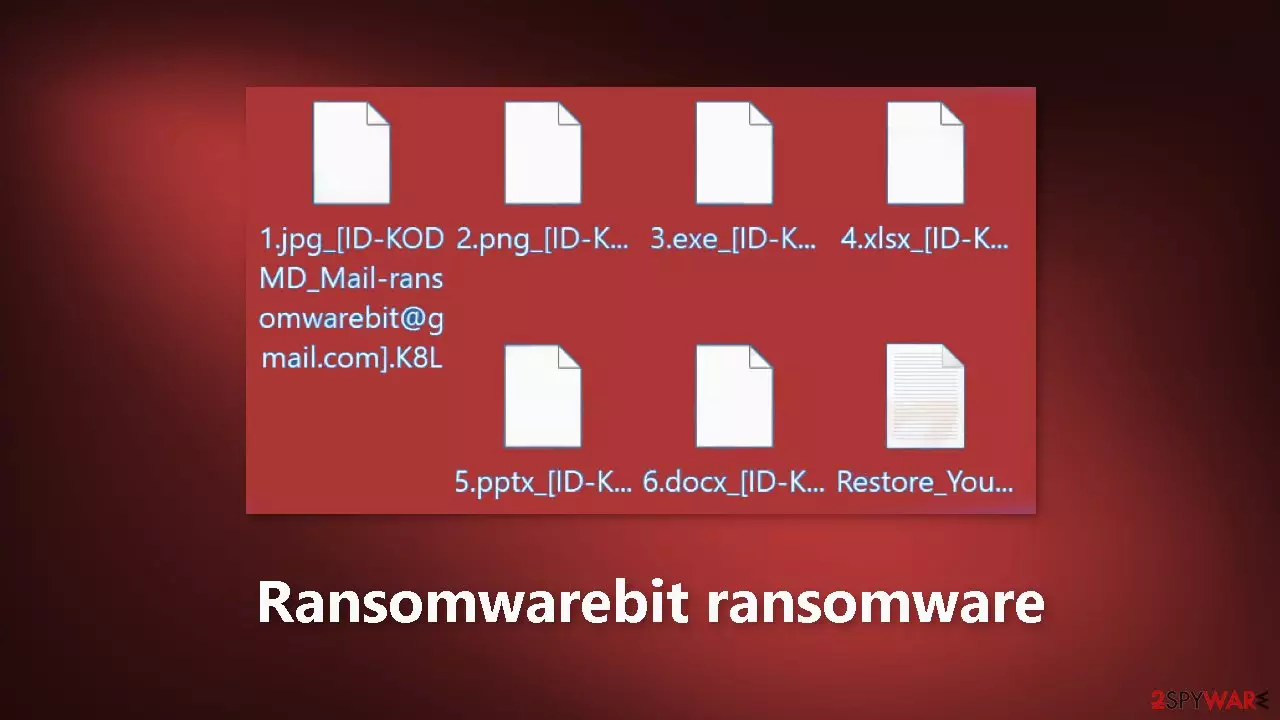
Security researchers recently discovered Ransomwarebit ransomware. This virus can enter the system and immediately begin the file encryption process. When it begins, all personal files, such as photos, videos, and documents, are encrypted. It means they become inaccessible and useless. The only way to decrypt the data is with a decryption key[1] or software, which is typically only available to cyber criminals.
After the encryption process is completed, the file icons become white pages, and the names are appended with an email address and a three-character extension. For example, if a file was previously named picture.jpg, the finished file would look like this – picture.jpg_[ID-KODMD_Mail-ransomwarebit@gmail.com].P2S.
On the machine, a ransom note is also generated. It is a message from the ransomware creators explaining what happened and what victims must do to recover their files. Unfortunately, threat actors blackmail users by demanding cryptocurrency payments.
| NAME | Ransomwarebit |
| TYPE | Ransomware, cryptovirus, data-locking malware |
| DISTRIBUTION | Email attachments, torrent websites, malicious ads |
| FILE EXTENSION | Random charachters (e.g., .K8L) |
| RANSOM NOTE | Restore_Your_Files.txt |
| FILE RECOVERY | If no backups are available, recovering data is almost impossible. We list alternative methods that could help you in some cases below |
| MALWARE REMOVAL | Scan your machine with anti-malware software to eliminate the malicious program and all the related files |
| SYSTEM FIX | Malware can cause system errors, crashes, lag, and other stability issues. To remediate the OS and avoid its reinstallation, we recommend using the FortectIntego repair tool |
The ransom note
The Restore_Your_Files.txt ransom note reads as follows:
All Your Files Are Locked And Important Data Downloaded !
Your Files Are No Longer Accessible Don't Waste Your Time, Without Our Decryption Program Nobody Can't Help You .
Your ID : –
If You Want To Restore Them Email Us : ransomwarebit@gmail.com
If You Do Not Receive A Response Within 24 Hours, Send A Message To Our Second Email : ransomwarebitx@gmail.com
To Decrypt Your Files You Need Buy Our Special Decrypter In Bitcoin .
Every Day The Delay Increases The Price !! The Decryption Price Depends On How Fast You Write To Us Email.
We Deliver The Decryptor Immediately After Payment , Please Write Your System ID In The Subject Of Your E-mail.
If Payment Is Not Made We Will Sell Or Publish Your Data.
What is the guarantee !
Before Payment You Can Send Some Files For Decryption Test.
If We Do Not Fulfill Our Obligations, No One Does Business With Us , Our Reputation Is Important To Us
It's Just Business To Get Benefits.==============================
Attention !
Do Not Rename,Modify Encrypted Files .
Do Not Try To Recover Files With Free Decryptors Or Third-Party Programs And Antivirus Solutions Because
It May Make Decryption Harder Or Destroy Your Files Forever !
==============================
Buy Bitcoin !
https://www.kraken.com/learn/buy-bitcoin-btc
https://www.coinbase.com/how-to-buy/bitcoin
According to the note, the files cannot be recovered without their decryption program. The attackers provide two email addresses for the victim to contact them and state that the longer the victim waits to pay, the more expensive the decryption will be. If payment is not made, they threaten to sell or publish the data.
The attackers promise that the victim can send some files for decryption testing before paying. They also claim that their reputation is important to them and that if they do not fulfill their obligations, no one will do business with them, implying that the files will be decrypted once payment is received.
The note cautions the victim not to attempt to recover the files using free decryptors or third-party programs, as this may make decryption more difficult or destroy the files permanently. The attackers provide links for the victim to purchase bitcoin, which they mention is a payment method they accept.
Paying the ransom is a bad idea in this scenario for several reasons. For starters, there is no guarantee that the attackers will decrypt the files once the payment is made. This type of crime is lucrative for the perpetrators, and they may choose to accept the payment while failing to deliver on their promise. Second, paying the ransom encourages the attacker to continue their illegal activities, putting the victim at risk of future attacks.

Use professional security tools to eliminate malicious files
The first thing you should do is disconnect the affected machine from the local network. Disconnecting the ethernet cable or disabling Wi-Fi should suffice for home users. If this occurred at your workplace, doing so may be difficult, so we have provided separate instructions at the bottom of this post for you.
Attempting to recover your data first may result in permanent loss. If malware is not removed first, it can encrypt your files a second time. It will not stop until the malicious files that are causing it are removed. Unless you have exceptional IT skills, you should not attempt to remove the malicious program yourself.
Use anti-malware tools like SpyHunterCombo Cleaner or MalwarebytesMalwarebytes to scan your system. This security software should find all the related files and entries and remove them automatically for you. In some cases, malware can prevent you from using antivirus software, so you need to access Safe Mode and perform a full system scan from there:
Windows 7 / Vista / XP
- Click Start > Shutdown > Restart > OK.
- When your computer becomes active, start pressing the F8 button (if that does not work, try F2, F12, Del, etc. – it all depends on your motherboard model) multiple times until you see the Advanced Boot Options window.
- Select Safe Mode with Networking from the list.
Windows 10 / Windows 8
- Right-click on the Start button and select Settings.
- Scroll down to pick Update & Security.
- On the left side of the window, pick Recovery.
- Now scroll down to find the Advanced Startup section.
- Click Restart now.
- Select Troubleshoot.
- Go to Advanced options.
- Select Startup Settings.
- Click Restart.
- Press 5 or click 5) Enable Safe Mode with Networking.
Fix system errors to prevent Windows reinstallation
Performance, stability, and usability issues, to the point where a complete Windows reinstall is required, are expected after a malware infection. These types of viruses can alter the Windows registry database, damage vital bootup, and other functions, delete or corrupt DLL files, etc. Once a system file is damaged by malware, antivirus software will not able to repair it.
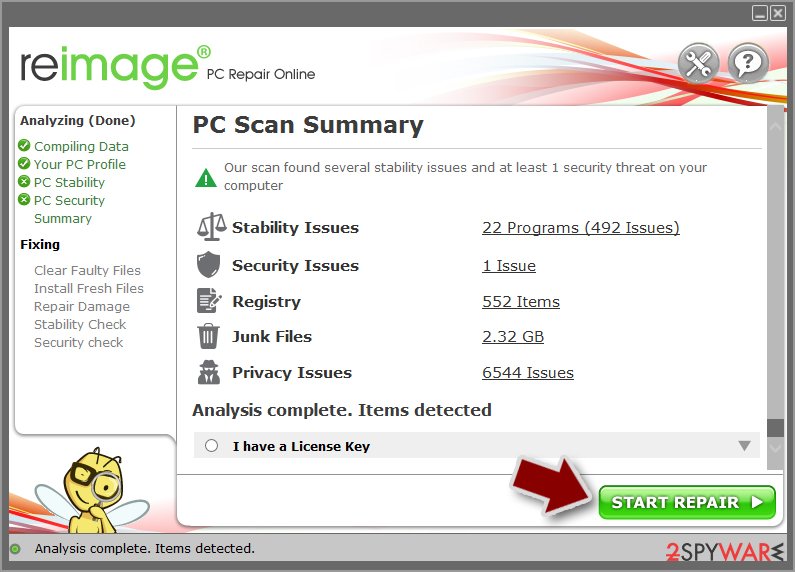
This is why FortectIntego was developed. This powerful software can fix a lot of the damage caused by Ransomwarebit ransomware. Blue Screen errors,[2] freezes, registry errors, damaged DLLs, etc., can make your computer completely unusable. By using this maintenance tool, you could avoid Windows reinstallation.
- Download the application by clicking on the link above
- Click on the ReimageRepair.exe
- If User Account Control (UAC) shows up, select Yes
- Press Install and wait till the program finishes the installation process
- The analysis of your machine will begin immediately
- Once complete, check the results – they will be listed in the Summary
- You can now click on each of the issues and fix them manually
- If you see many problems that you find difficult to fix, we recommend you purchase the license and fix them automatically.

File recovery options
Many people think that they can fix their files with anti-malware tools, but that is not what they are designed for. All the security tools can do is detect suspicious processes in your system and eliminate them. The truth is, the files can be restored only with a decryption key or software that only cybercriminals have.
If you did not back up your data previously, it might be possible that you will never get them back. You can try using data recovery software, but we have to note that third-party programs cannot always decrypt the files. We suggest at least trying this method. Before proceeding, you have to copy the corrupted files and place them in a USB flash drive or another storage. And remember – only do this if you have already removed the Ransomwarebit ransomware.
Before you begin, several pointers are essential while dealing with this situation:
- Since the encrypted data on your computer might permanently be damaged by security or data recovery software, you should first make backups of it – use a USB flash drive or another storage.
- Only attempt to recover your files using this method after you perform a scan with anti-malware software.
Install data recovery software
- Download Data Recovery Pro.
- Double-click the installer to launch it.
- Follow on-screen instructions to install the software.
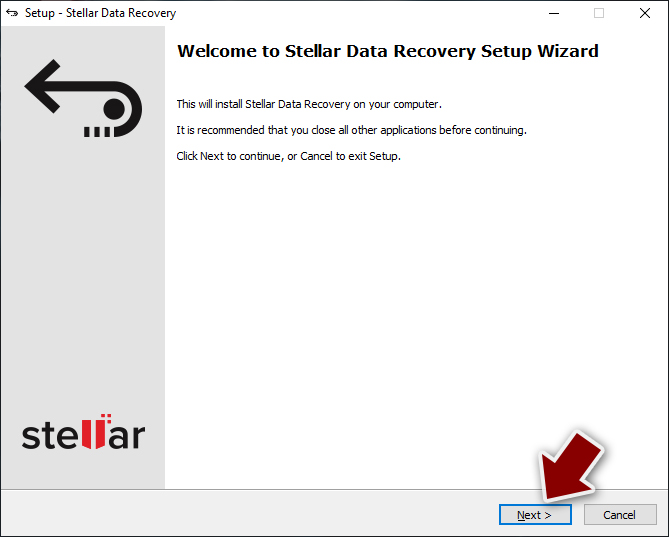
- As soon as you press Finish, you can use the app.
- Select Everything or pick individual folders where you want the files to be recovered from.
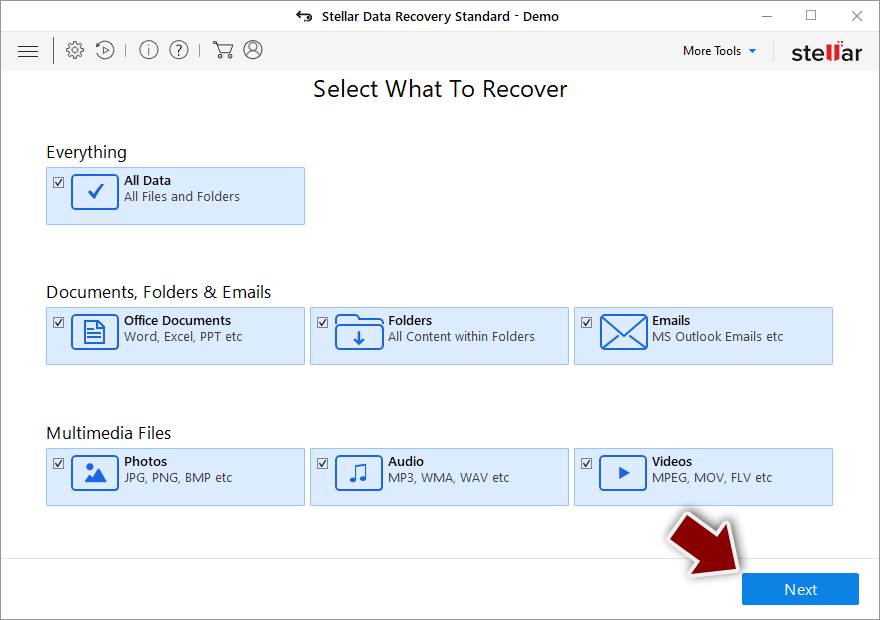
- Press Next.
- At the bottom, enable Deep scan and pick which Disks you want to be scanned.
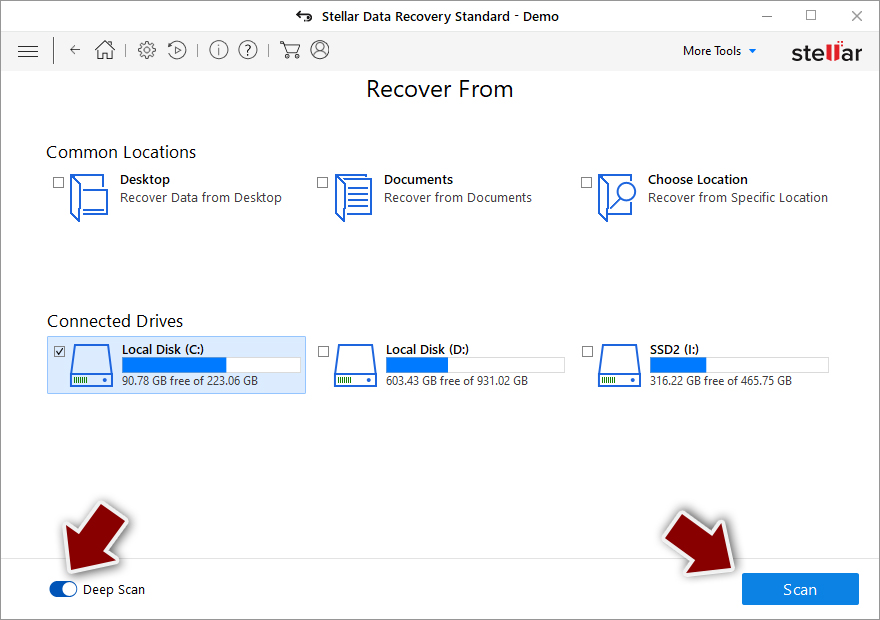
- Press Scan and wait till it is complete.
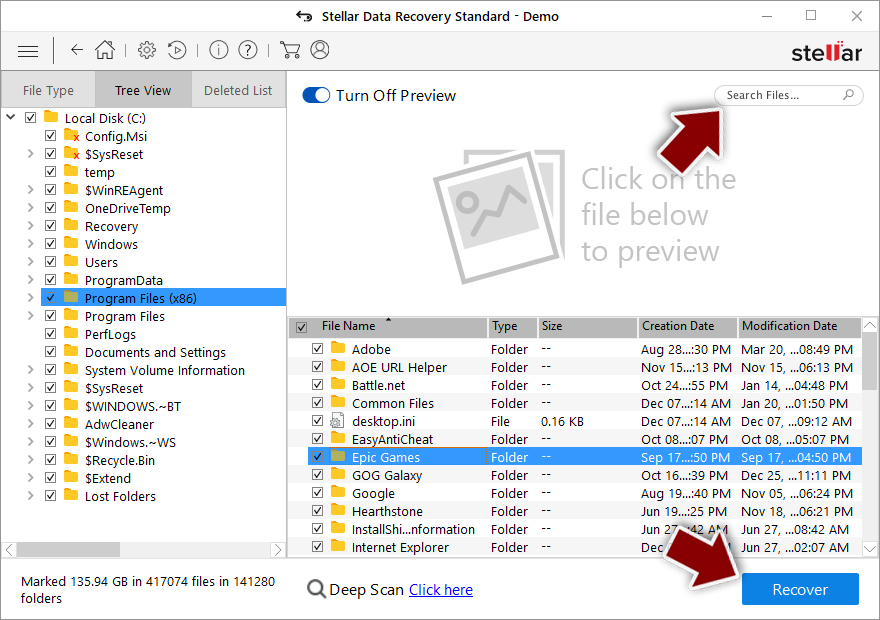
- You can now pick which folders/files to recover – don't forget you also have the option to search by the file name!
- Press Recover to retrieve your files.


Ransomware distribution methods
To protect yourself from future ransomware attacks, it is critical to understand how this dangerous malware typically spreads. Torrent sites, peer-to-peer file-sharing platforms, and “cracked” software[3] installations are the most common gateways. When downloading new software, it is best to use only official web stores and developer sites.
Email is another popular method. Infected attachments can be added to emails by cyber criminals. They usually use social engineering[4] techniques to get people to open them. So, never open any email attachments unless they are from someone you know or are from a trustworthy sender.
You should also keep in mind how critical it is to keep your operating system and software up to date. Developers frequently release not only updates but also security patches for newly discovered vulnerabilities. Hackers love to exploit vulnerabilities, so make sure to install new updates as soon as they become available.
Did this guide help?
Be the first to comment