

Kqgs ransomware is a virus that relies on extortion with the claims about alleged decryption tools

Kqgs file virus is affecting the machine silently because it's stealthily distributed around. Criminals manage to distribute this threat and affect various machines worldwide. It affects Windows machines and can create serious issues, data, or financial losses. It can be called stealthy since its distribution happens without anyone realizing what happened – until their computers start displaying .kqgs markers at end of the original name of files.
If you want to avoid having your files locked and renamed, it is important that Kqgs ransomware be removed immediately. There are very few decryption options available for this type of malware infection, so far as data recovery goes. The longer such a threat runs without being spotted by an anti-virus program or deleted from sight completely, the more permanent damage can happen inside our computers. It needs attention now before too many irreversible changes are made.
The Kqgs virus can be passed from emails and peer-to-peer platforms because it releases files with malware payloads. The infection starts off when someone clicks on an infected link or opens a malicious email attachment that downloads this particular type of ransomware onto your device, but there are other ways you may catch a cyber threat.
For example, some people download pirating software packages which also include hidden threats like computer infections. If we don't take action to prevent the infection by choosing proper sources, we can trigger the infection ourselves. This threat often appears packed with cracks for games, pirating software.
Kqgs ransomware virus authors claim that victims need to contact them via supportsys@airmail.cc support@sysmail.ch, helprestoremanager@airmail.cc email and provide their personal ID in order for users to receive further instructions and decryption tools. These claims can be false since decryption tools often do not even exist but most importantly, these criminals should never be trusted because money is the main focus for them.
Details of the file-locking ransomware virus
Cybercriminals are constantly coming up with new ways to extort money from computer users. One of the most recent ransomware strains, Kqgs virus files require a unique decryption key that can only be obtained by paying cybercriminals. However, the threat comes from the Djvu ransomware family.
Experts[1] recommend waiting until there's an update on decryption tools or taking care of the security yourself if you need access back instead of paying the ransom. It is not an option because they might never keep their promise resulting in significant financial losses.
| Name | Kqgs ransomware |
|---|---|
| Type | Cryptovirus, file-locker |
| Family | STOP ransomware/ Djvu file virus |
| Marker | .kqgs |
| Ransom note | _readme.txt |
| Ransom demand | $490/ $980 |
| Contact emails | support@sysmail.ch, supportsys@airmail.cc |
| Distribution methods | Cracked games, pirating software, file attachments from malspam campaigns |
| Elimination | Threats can be removed with the help of SpyHunterCombo Cleaner or MalwarebytesMalwarebytes because detection rates[2] show the success of anti-malware tools removing infections |
| Repair | Run the application like FortectIntego for the proper system repair and virus damage termination |
Kqgs ransomware virus is one of the most dangerous computer infections out there because not only does it encrypt all your personal files and make them unreadable, but it also drops a note on you with instructions from criminals demanding money in exchange for unlocking access. These claims even include deceptive discount offers.
The family of non-decryptable threats with the list of 400 variants
Djvu ransomware versions are coming from a well-known family of viruses that first was spotted in 2019. Since then, it has released multiple variants including. These parasites can damage your files and if not dealt with properly, can significantly damage the machine.
Kqgs ransomware is coming after more than 400 other versions in this family. These versions come out weekly and the last year was a very active time for these developers because all the latest malware pieces have been released alongside other versions. Djvu ransomware creates at least two to three a week for a good year. Those include:
Luckily, there are steps you can take to protect yourself from this malware and stop it before it's too late. Consider taking some preventative measures like installing reliable anti-virus software or firewall protection programs that may detect signs of infection before the infiltration happens.
The threat family now relies on unique online id forming methods, so decryption is impossible. In case of a failed connection to C&C servers, there are offline IDs that can be used for file recovery options. The keys are needed for the decryption tool to work, but the use of online ids makes previous tools useless.

Online keys are unique for each device affected by Kqgs ransomware. It means that decryption can happen on the machine that receives the decryption tool. Offline IDs are formed for one version only, so obtaining one key can help recover files for many users online.
If your computer got infected with one of the Djvu variants, you should try using Emsisoft decryptor for Djvu/STOP. It is important to mention that this tool will not work for everyone – it only works if data was locked with an offline ID due to malware failing to communicate with its remote servers.
Even if your case meets this condition, somebody from the victims has to pay criminals, retrieve an offline key, and then share it with security researchers at Emsisoft. As a result, you might not be able to restore the encrypted files immediately. Thus, if the decryptor says your data was locked with an offline ID but cannot be recovered currently, you should try later. You also need to upload a set of files – one encrypted and a healthy one to the company's servers before you proceed.
- Download the app from the official Emsisoft website.
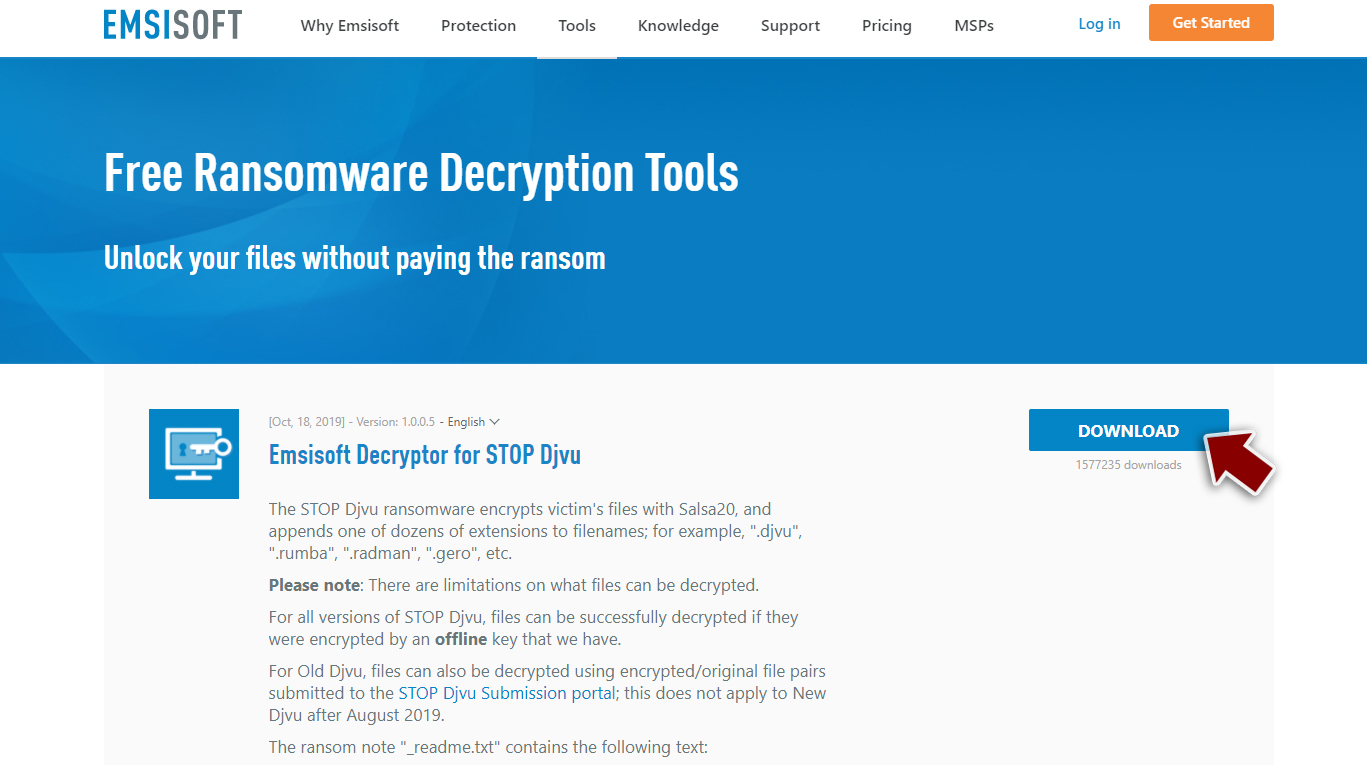
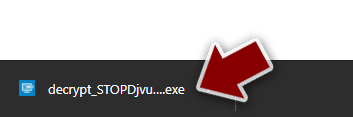
- After pressing Download button, a small pop-up at the bottom, titled decrypt_STOPDjvu.exe should show up – click it.
- If User Account Control (UAC) message shows up, press Yes.
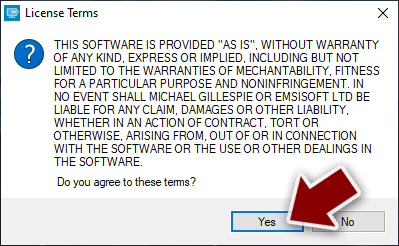
- Agree to License Terms by pressing Yes.
- After Disclaimer shows up, press OK.
- The tool should automatically populate the affected folders, although you can also do it by pressing Add folder at the bottom.
- Press Decrypt.
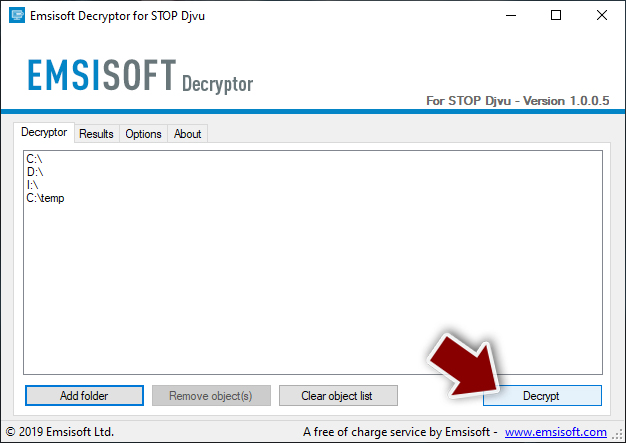


From here, there are three available outcomes:
- “Decrypted!” will be shown under files that were decrypted successfully – they are now usable again.
- “Error: Unable to decrypt file with ID:” means that the keys for this version of the virus have not yet been retrieved, so you should try later.
- “This ID appears to be an online ID, decryption is impossible” – you are unable to decrypt files with this tool.
Eliminating the infection with AV tools
Kqgs file virus is the creation of cybercriminals. They might tell you they'll return your money or fix the problem but don’t believe anything until it happens. But better – ignore these messages. Here we explain more how to deal with the ransomware virus by properly using available alternative methods for file recovery.
Ransomware has been evolving and reaching high numbers of infections in these years.[3] You can protect yourself from Kqgs file virus and any crypto-extortion by using applications like anti-malware tools, security programs with AV detection engines. These will help remove the threat and terminate any related viruses in your system, so you don't have to pay them off.
Malware and other technical problems can cause serious issues with your system. Anti-malware programs like SpyHunterCombo Cleaner or MalwarebytesMalwarebytes are there to help keep you clean the machine from these types of infections. However, note that they cannot fix the encrypted files or recover lost data on any given drive/volume in question.
Nevertheless, there are additional issues that need to be taken care of after the Kqgs ransomware removal too. For example, an infection can alter the Windows registry database, damage vital bootup, and other sections, delete or corrupt DLL files, etc.
Once a system file is damaged by malware, antivirus software is not capable of doing anything about it, leaving it just the way it is. Consequently, users might experience performance, stability, and usability issues, to the point where a full Windows reinstall is required.
Therefore, we highly recommend using a one-of-a-kind, patented technology of FortectIntego repair. Not only can it fix virus damage after the infection, but it is also capable of removing malware that has already broken into the system thanks to several engines used by the program. Besides, the application is also capable of fixing various Windows-related issues that are not caused by malware infections, for example, Blue Screen errors, freezes, registry errors, damaged DLLs, etc.
- Download the application by clicking on the link above
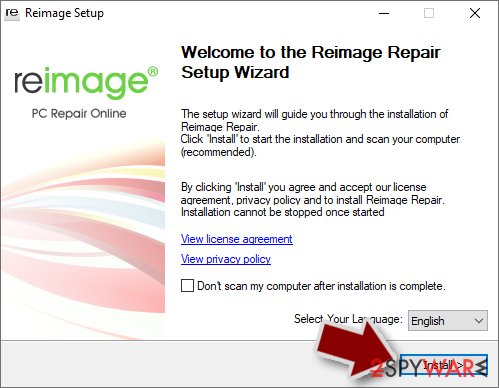
- Click on the ReimageRepair.exe

- If User Account Control (UAC) shows up, select Yes
- Press Install and wait till the program finishes the installation process
- The analysis of your machine will begin immediately
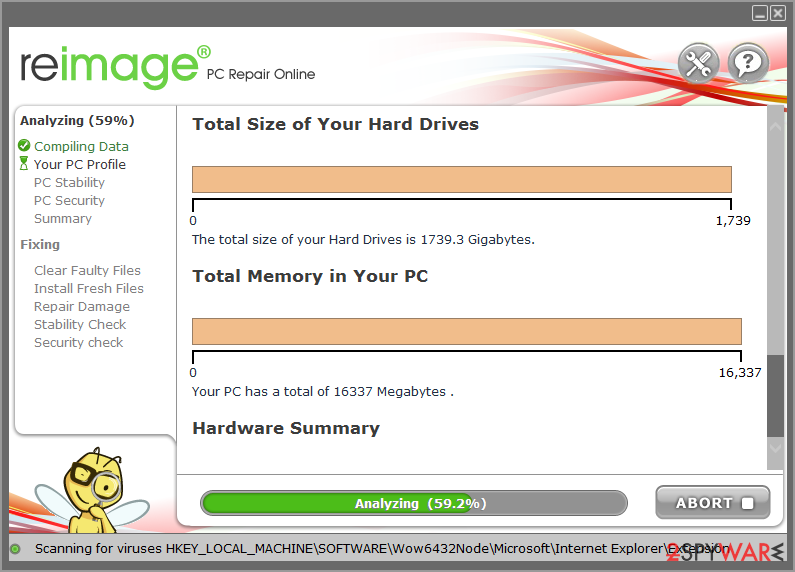
- Once complete, check the results – they will be listed in the Summary
- You can now click on each of the issues and fix them manually
- If you see many problems that you find difficult to fix, we recommend you purchase the license and fix them automatically.


When you're trying to crack an encrypted file on your device, it can be difficult if not know which ID was given. There are both offline and online keys in use but they aren't always used interchangeably. These issues determine that the threat Kqgs ransomware is considered one of the more dangerous online infections.
Removing the infection should still come first, so anti-malware tools need to be launched immediately upon noticing data gets locked. This can save your device and save you time dealing with the threat and virus damage. if You still worry about files and locked data there are alternate tools and solutions below. As for the issues with system performance, system tools and AV detection apps are here to help.
Did this guide help?
Be the first to comment