
Chrome Security Warning" scam: how to spot it and what to do
"Chrome Security Warning" is an example of technical support scam that targets Google Chrome users. Typically, users are redirected to a scam website once their computers get infected with adware.
Facts checked October 7, 2026. Removal steps tested on Windows 11 (26H2) and checked against Microsoft's and the browser makers' current documentation. Sections marked as our earlier report are the original text: they describe the threat as it was then and have not been reviewed since. The 2026 status, the removal steps and the questions are current.
Automatic
Get a free scan and check if your PC is infected.
Fortect finds malware, unwanted programs and the Windows damage they leave behind, and repairs it in one pass.
Do it yourself · free Remove Chrome Security Warning" scam yourself 4 steps, about 12 minutes, no software needed.
Start the steps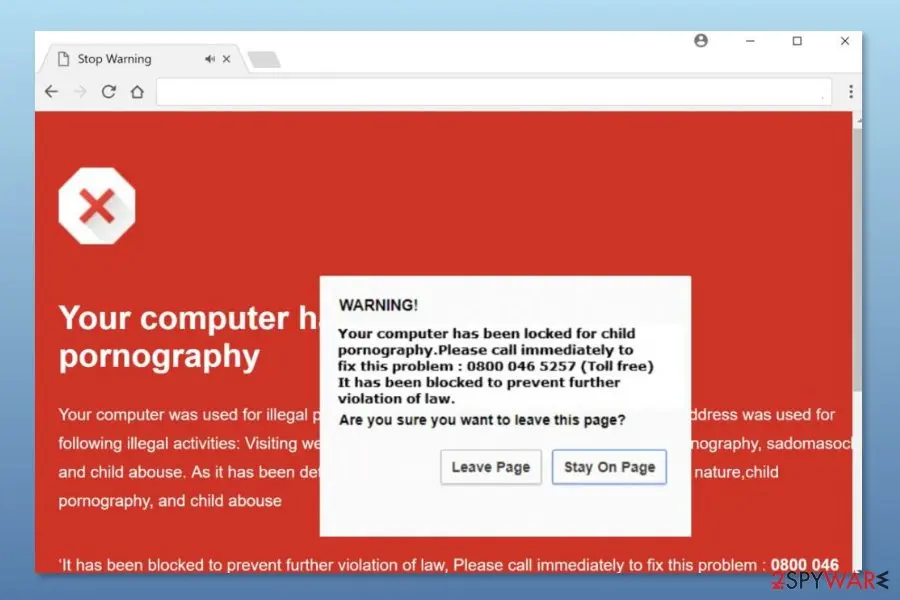
Chrome Security Warning" scam: summary
| Name | Chrome Security Warning" scam |
|---|---|
| Type | Phishing message |
| Symptoms | A phishing e-mail asking you to sign in and a support phone number shown on screen |
| Evidence | 4 write-ups by security sites; no sample analysed yet |
| Arrives as | |
| Pretends to be | Microsoft |
| Removal | Scan the PC with security software to find and remove the malware and anything installed with it. Fortect scans Windows for malware and repairs the system files and settings it damaged. Remove it nowTo use the full-featured product, you have to purchase a license for Fortect. The scan is free. |
Show 5 more facts
| Claim | Your account needs urgent attention |
|---|---|
| Asks for | Your password |
| Phone number | 800 046 5257 |
| First seen | 24 January 2018 |
| Facts checked | 7 October 2026 |
What the Chrome Security Warning" scam message looks like
The wording as reported: a phishing e-mail asking you to sign in
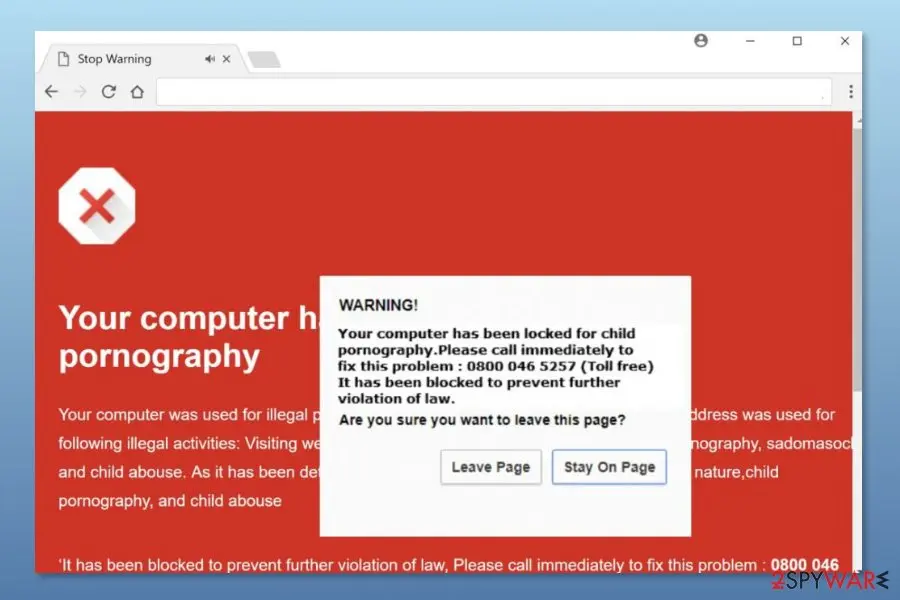
SECURITY WARNING
Error Code 022-023-251
Do not ignore this critical alert.
If you close this page, your PC access will be disabled to prevent further damage to our network.
Your PC has alerted us that it has been infected with a virus and spyware. The following information is being stolen…
Facebook Login
Credit Card Detail
Microsoft Account Login
Photos stored on this PC.
You must contact us immediately so that our engineers can walk you through the removal process over the phone. Please call Microsoft within the next 5 minutes to prevent your PC from being disabled.
Chrome Security Warning
Attackers currently on your browser might attempt to install dangerous programs on your computer that steal or delete your information (for example , photos , passwords, message and credit cards).
From our report of Jan 2018 · not reviewed since
Scammers spread adware via software bundles
The program which is responsible for redirects to "Chrome Security Warning" tech support scam website spreads bundled with various free programs.
It might be promoted as a useful application and users might agree to install it.
However, most of the time adware hijack occurs without users knowledge because they stick to Quick/Recommended installation settings which do not openly disclose about third-party components.
Security specialists from dieviren.de remind to use Advanced or Custom installation settings to avoid installation of unwanted apps. It takes less time than PUP removal.
How to tell the Chrome Security Warning" scam message is fake
- Phone number:
800 046 5257
Is Chrome Security Warning" scam dangerous? What the senders want
From our report of Jan 2018 · not reviewed since
"Chrome Security Warning" - a fake alert that asks to call tech support
"Chrome Security Warning" is an example of technical support scam that targets Google Chrome users.
Typically, users are redirected to a scam website once their computers get infected with adware. These redirects can be followed by an increased amount of ads, pop-ups or similar commercial content.
However, the main purpose of "Chrome Security Warning" virus is to trick users into calling a provided phone number. Security researchers detected that scammers use 0800 046 5257 number. Though, the list of used phone numbers might be longer.
The "Chrome Security Warning" scam website delivers a pop-up that tells that about locked computer due to the violation of law related to access to child pornography. However, the website itself gives more details about possible threats that are not true:
However, security researchers reported that scammers can deliver other threatening messages which provide slightly different information. Though, it does not change the fact that it is all fake. For instance, if you look up for the information about mentioned Error Code 022-023-251, you will find out that it's a scam. This error is non-existent and has nothing in common with Microsoft, Google or other legitimate corporation.
Therefore, if you receive unknown security alerts, you should always double-check the information about the problem before taking further actions. Additionally, grammar mistakes and typos, as well as urge to call Microsoft in only 5 minutes are other clear signs of the scam.
Thus, instead of grabbing your phone and making that phone, you should check your computer's state by scanning the system with or another anti-malware software which is capable of "Chrome Security Warning" removal if needed.
Calling scammers even for curiosity might end pretty bad because:
Thus, you should not take the risk and talk with cyber criminals. You should remove "Chrome Security Warning" adware immediately until this potentially unwanted program (PUP) hasn't caused you more problems.
- the phone call might cost a lot;
- scammers might trick you into revealing some personally identifiable details;
- you might be convinced into installing bogus or malicious software or other tools.
What to do after the Chrome Security Warning" scam e-mail
If you only received the message and clicked nothing, step 3 is all you need.
If you clicked the link or typed anything on the page it opened, do every step, starting with the password.
Step 1: Change the password you typed on the fake page
If you entered a password after clicking the link in the Chrome Security Warning" scam message, treat that account as known to the sender.
Open the provider's real site by typing its address yourself, not through any link in the e-mail, and change the password there. Choose a new one you have never used before, and change it on every other account that shared the old one.
Then use the option to sign out of all other sessions or devices, if the provider has one. This works the same in any browser on Windows 11 and Windows 10.
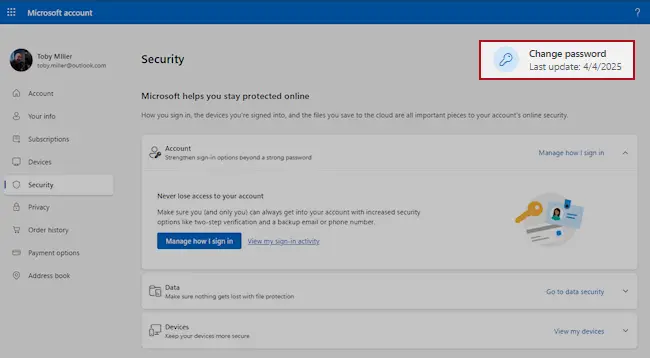
Microsoft account, Security page (account.microsoft.com/security): Change password. Full procedure with screenshots: Turn on two-step verification / secure a hacked account
Step 2: Turn on two-step verification
Two-step verification asks for a code from your phone or an authenticator app whenever someone signs in from a new device. A stolen password alone is then not enough to open the mailbox.
Turn it on in the security settings of the e-mail account first, then for the bank, shop and social accounts that send their reset links to that address.
While you are there, check the recovery e-mail and phone number and the forwarding rules, which attackers sometimes change to keep access. The settings pages look the same on Windows 11 and Windows 10.
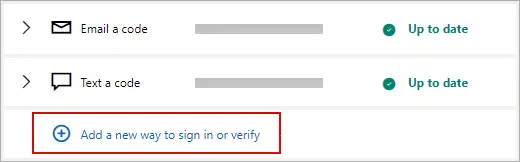
Microsoft account: Manage how I sign in, where two-step verification and the sign-in methods are. Full procedure with screenshots: Turn on two-step verification / secure a hacked account
Step 3: Report the e-mail and delete it
Report the message instead of only deleting it. In Outlook choose Report > Report phishing, in Gmail the three-dot menu > Report phishing; the provider then blocks the same message for other people.
Do not reply and do not click anything else in it. On a work account, forward it to your IT team as an attachment first. Web mail and the mail apps on Windows 11 and Windows 10 offer the same options.
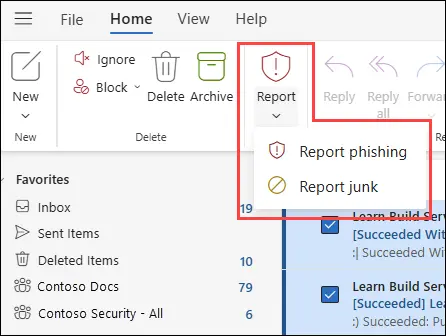
New Outlook for Windows and Outlook on the web: Report > Report phishing. Full procedure with screenshots: Report a phishing e-mail
Step 4: Scan the PC if you opened a file from the message
A page that only asked for a password installs nothing, so most readers can skip this step.
If the Chrome Security Warning" scam e-mail or the page it opened made you download or open a file, delete it and run a full scan, then a Microsoft Defender Offline scan.
In Windows 11 and Windows 10 open Windows Security > Virus & threat protection > Scan options, select Microsoft Defender Antivirus (offline scan) and click Scan now. The PC restarts and the scan takes about 15 minutes, so save your work first.
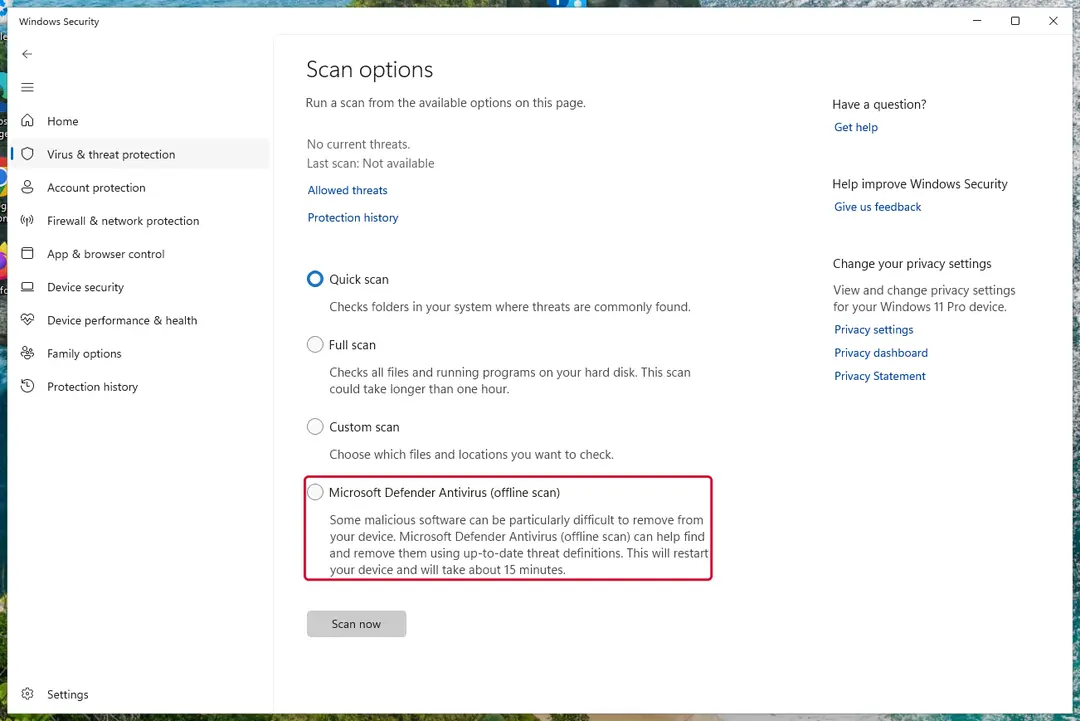
Windows 11: Windows Security > Virus & threat protection > Scan options. Full procedure with screenshots: Run a Microsoft Defender Offline scan
Instructions for each browser and system
The detailed steps for every browser and system this guide covers. Open the one you use.
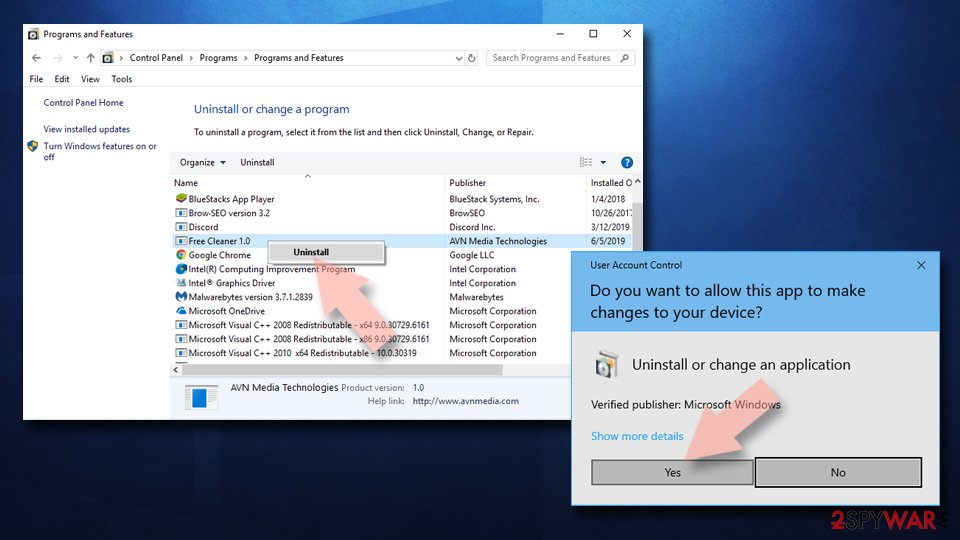
Uninstall from Windows
To remove "Chrome Security Warning" malware from Windows OS entirely, follow these steps:
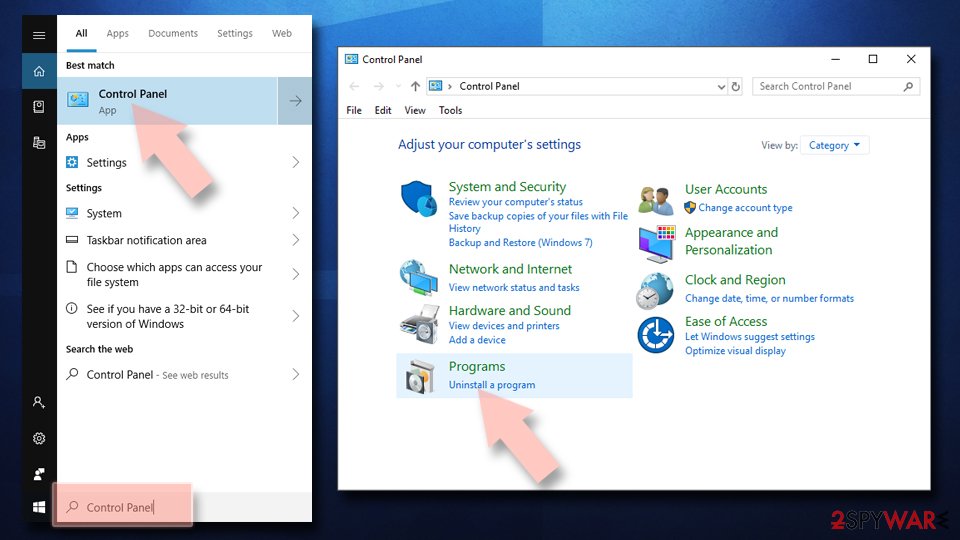
Uninstall from Windows 10/8:
- Type Control Panel into the Windows search box and open the result.
- Under Programs, select Uninstall a program.
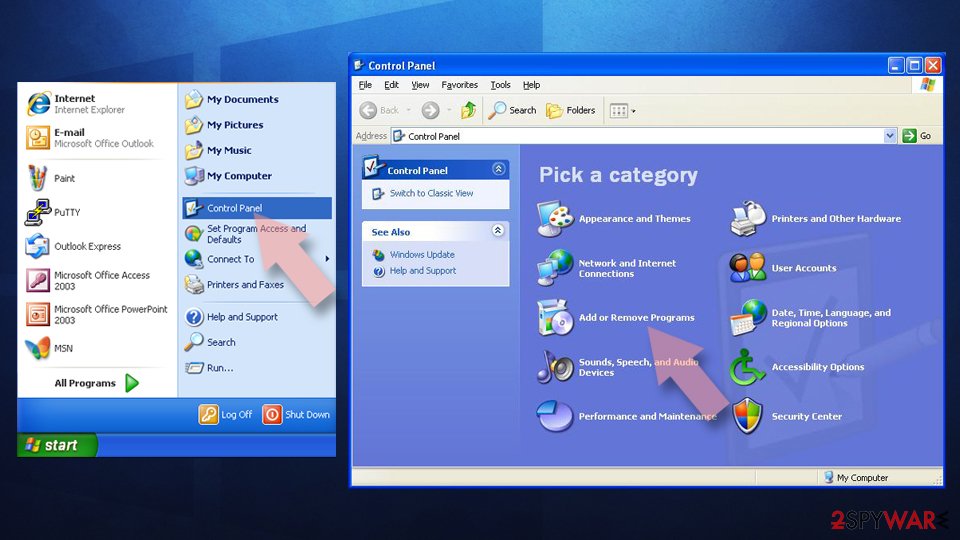
Uninstall from Windows 7/XP:
- Click on Windows Start > Control Panel (Windows XP users should click on Add/Remove Programs).
- In Control Panel, select Programs > Uninstall a program.
Remove the unwanted program:
- In the Programs and Features window, look for any recently installed suspicious entries, select them, and click Uninstall.
- If User Account Control appears, click Yes to confirm, then complete the removal.
Remove from Google Chrome
These instructions will show you how to stop "Chrome Security Warning" pop-ups from showing up on Google Chrome:
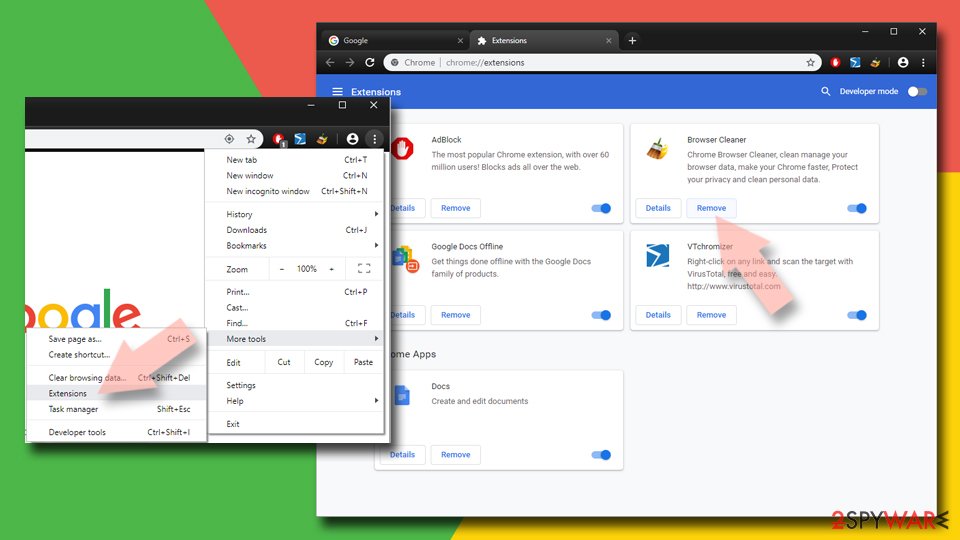
Delete malicious extensions from Google Chrome:
- Open Google Chrome, click on the Menu (three vertical dots at the top-right corner) and select More tools > Extensions.
- In the newly opened window, you will see all the installed extensions. Uninstall all suspicious extensions related to the unwanted program by clicking Remove.
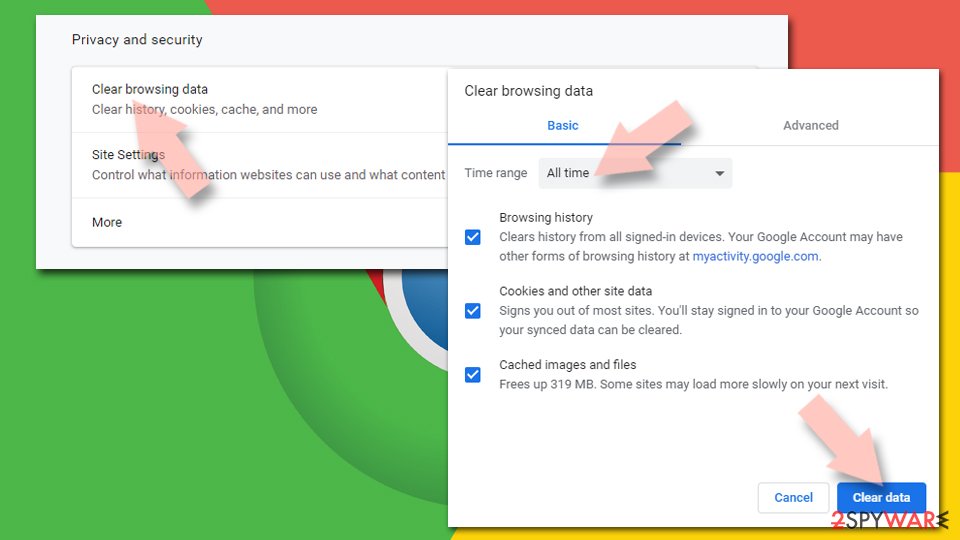
Clear cache and web data from Chrome:
- Click on Menu and pick Settings.
- Under Privacy and security, select Clear browsing data.
- Select Browsing history, Cookies and other site data, as well as Cached images and files.
- Click Clear data.
Change your homepage:
- Click menu and choose Settings.
- Look for a suspicious site in the On startup section.
- Click on Open a specific or set of pages and click on three dots to find the Remove option.
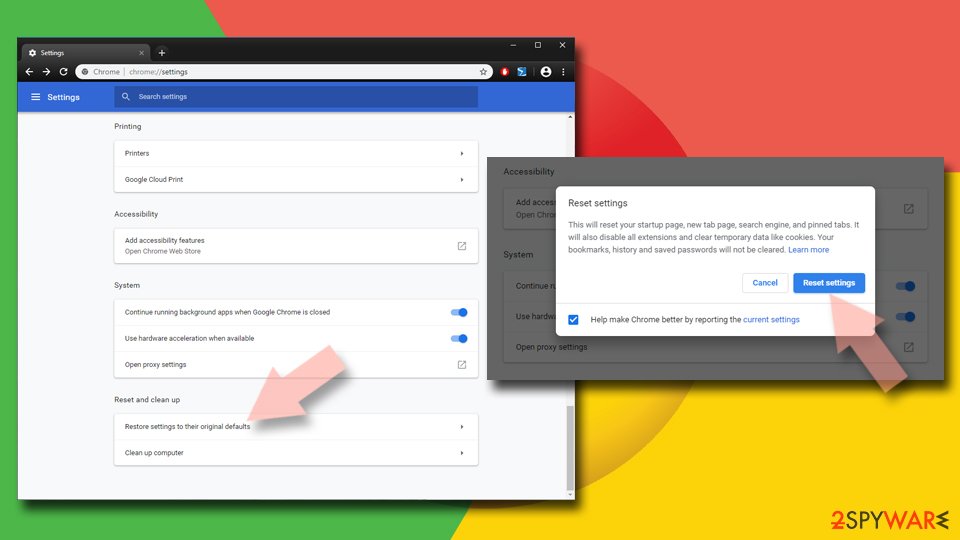
Reset Google Chrome:
If the previous methods did not help you, reset Google Chrome to eliminate all the unwanted components:
- Click on Menu and select Settings.
- In the Settings, scroll down and click Advanced.
- Scroll down and locate Reset and clean up section.
- Now click Restore settings to their original defaults.
- Confirm with Reset settings.
Remove from Microsoft Edge
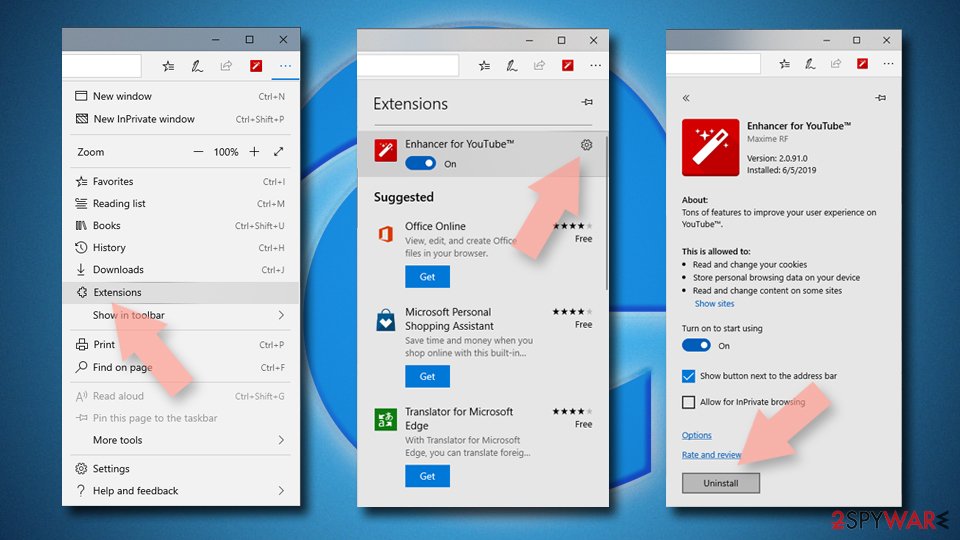
Delete unwanted extensions from MS Edge:
- Select Menu (three horizontal dots at the top-right of the browser window) and pick Extensions.
- From the list, pick the extension and click on the Gear icon.
- Click Remove.
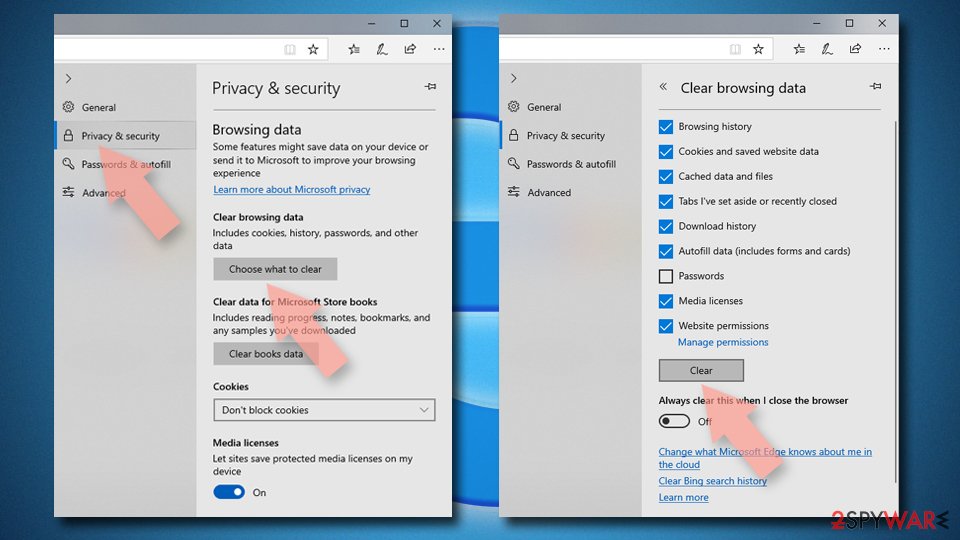
Clear cookies and other browser data:
- Click on the Menu (three horizontal dots at the top-right of the browser window) and select Settings > Privacy, search, and services..
- Under Clear browsing data, pick Choose what to clear.
- Select Cookies and other site data and Cached images and files. (apart from passwords, although you might want to include Media licenses as well, if applicable) and click on Clear.
Restore new tab and homepage settings:
- Click the menu icon and choose Settings.
- Then find On startup section.
- Click Remove next to any suspicious startup page.
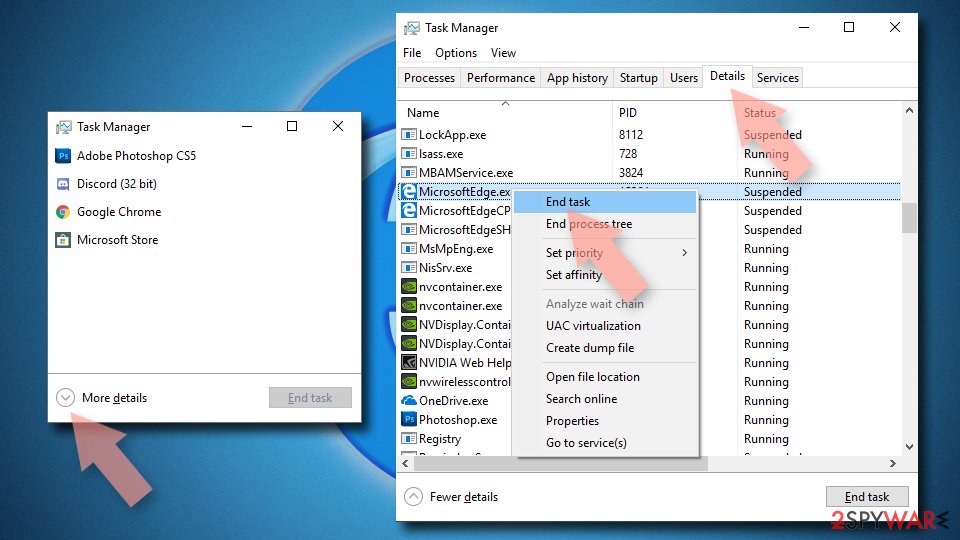
Reset MS Edge if the above steps did not work:
- Press on Ctrl + Shift + Esc to open Task Manager.
- Click on More details arrow at the bottom of the window.
- Select Details tab.
- Now scroll down and locate every entry with Microsoft Edge name in it. Right-click on each of them and select End Task to stop MS Edge from running.
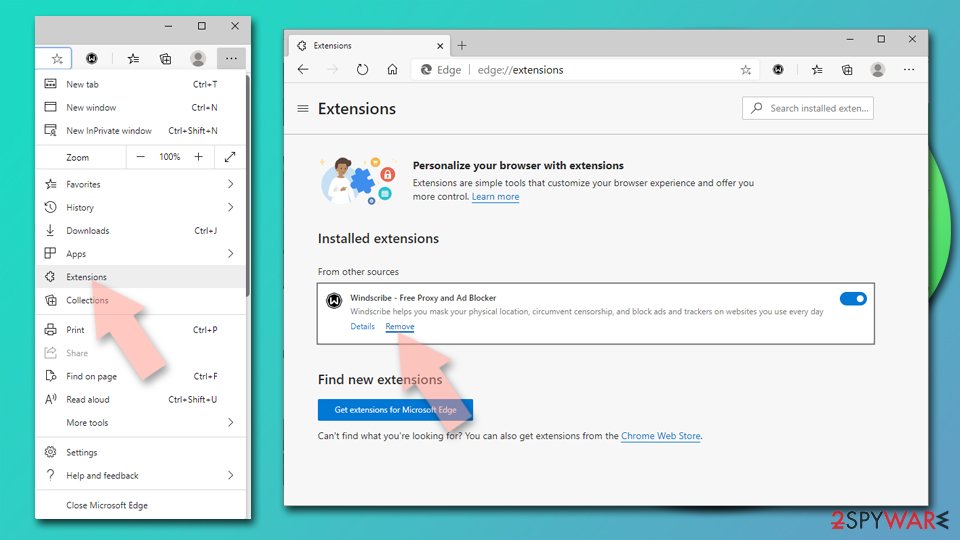
Delete extensions from MS Edge (Chromium):
- Open Edge and click select Settings > Extensions.
- Delete unwanted extensions by clicking Remove.
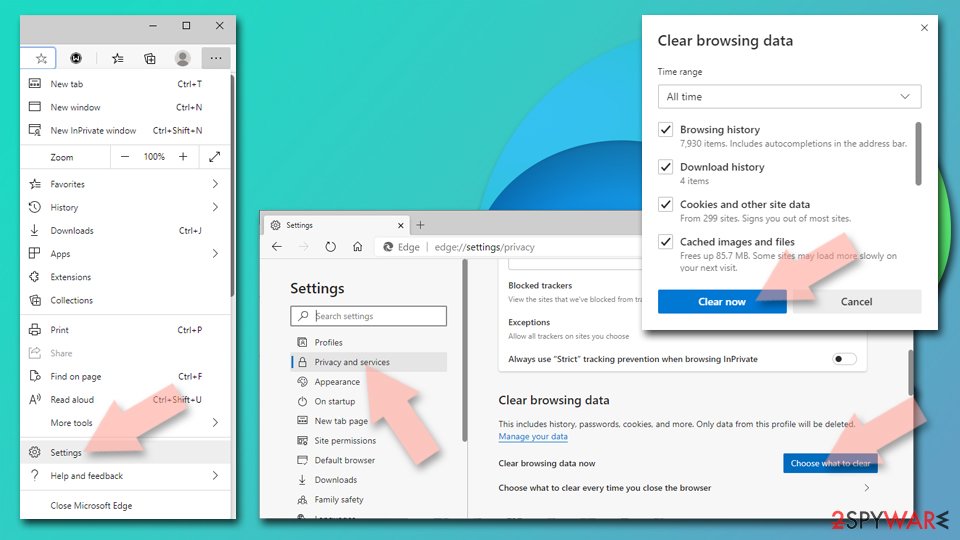
Clear cache and site data:
- Click on Menu and go to Settings.
- Select Privacy, search and services.
- Under Clear browsing data, pick Choose what to clear.
- Under Time range, pick All time.
- Select Clear now.
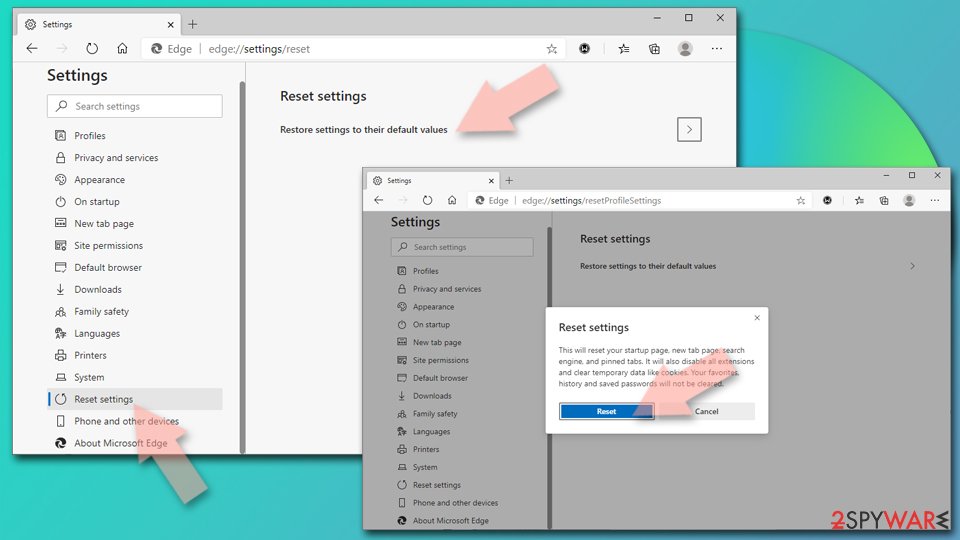
Reset Chromium-based MS Edge:
- Click on Menu and select Settings.
- On the left side, pick Reset settings.
- Select Restore settings to their default values.
- Confirm with Reset.
- This will disable extensions and reset startup pages but will not delete bookmarks, saved passwords, or browsing history.
Remove from Mozilla Firefox (FF)
Uninstall suspicious add-ons and reset Mozilla Firefox in order to stop redirects to "Chrome Security Warning" scam website.
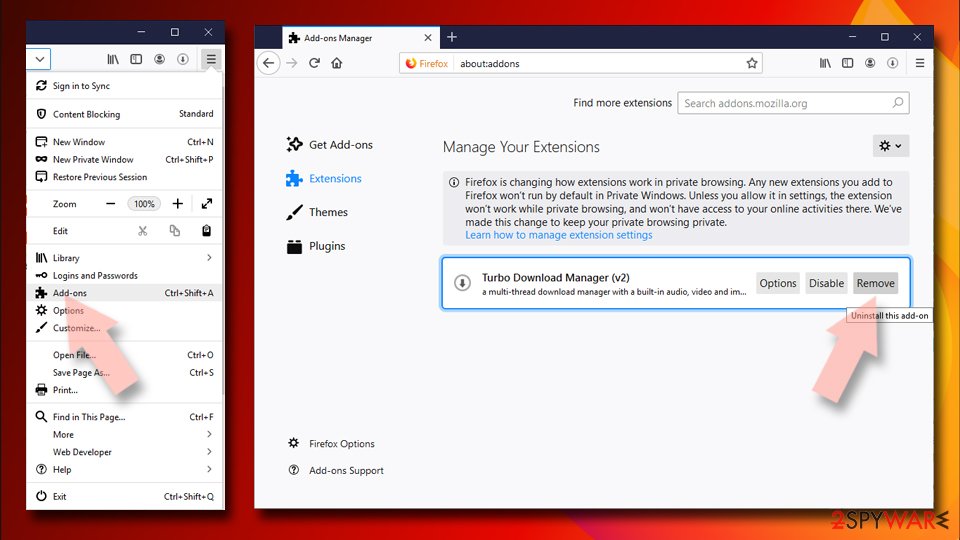
Remove dangerous extensions:
- Open Mozilla Firefox browser and click on the Menu (three horizontal lines at the top-right of the window).
- Select Add-ons.
- In here, select the unwanted extension and click Remove.
Reset the homepage:
- Click three horizontal lines at the top right corner to open the menu.
- Choose Settings.
- Under Home, set your preferred homepage and new tab settings.
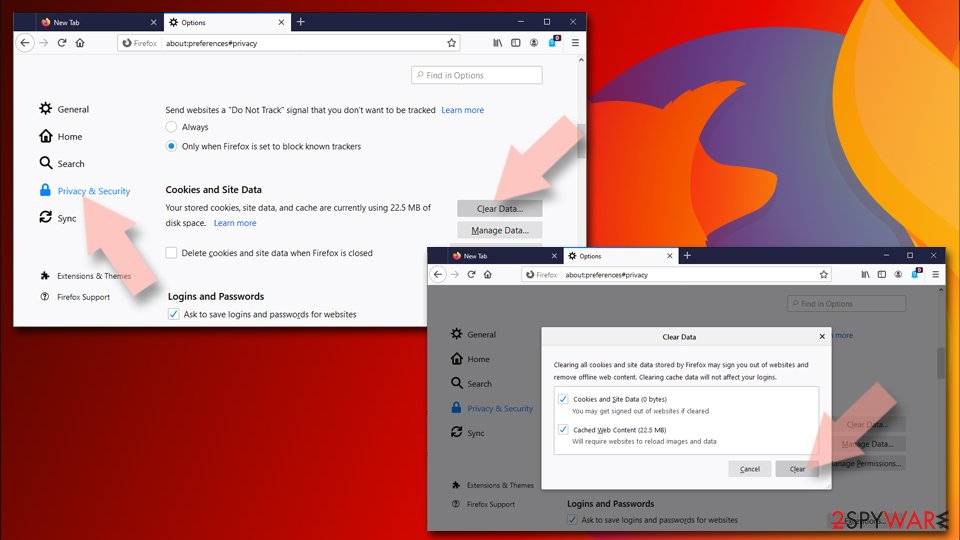
Clear cookies and site data:
- Click Menu and pick Settings.
- Go to Privacy & Security section.
- Scroll down to locate Cookies and Site Data.
- Click on Clear Data...
- Select Cookies and Site Data and Temporary cached files and pages, then click Clear.
Reset Mozilla Firefox
If clearing the browser as explained above did not help, reset Mozilla Firefox:
- Open Mozilla Firefox browser and click the Menu.
- Go to Help and then choose Troubleshooting Information.
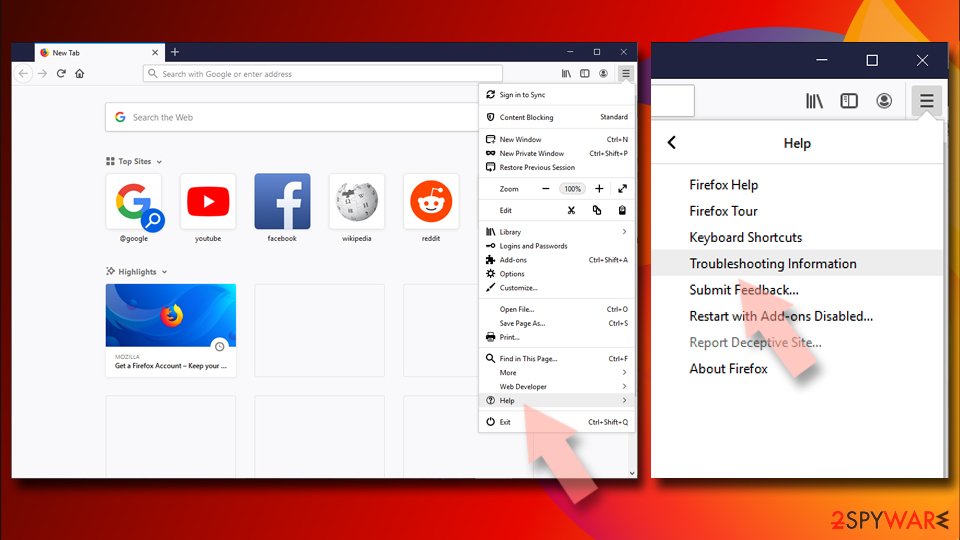
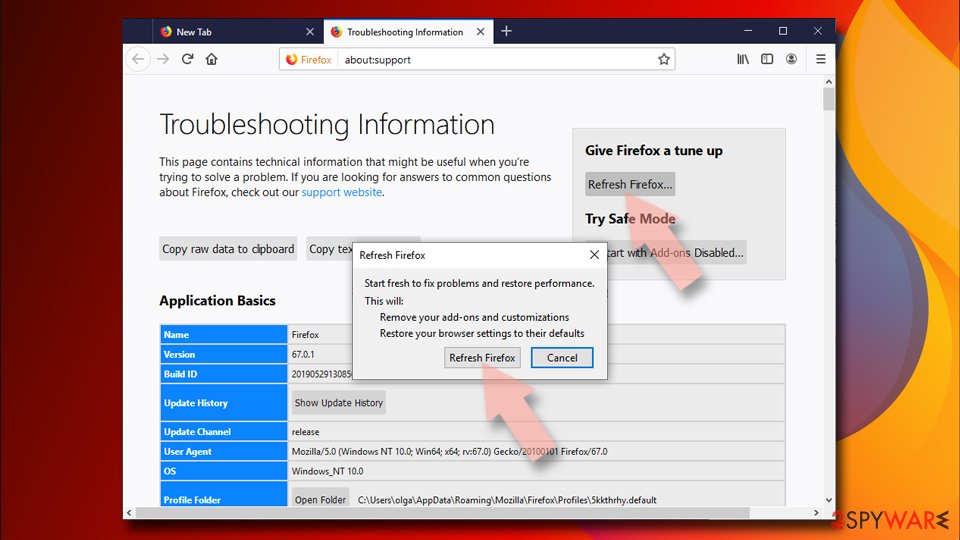
- Under Give Firefox a tune up section, click on Refresh Firefox...
- Once the pop-up shows up, confirm the action by pressing on Refresh Firefox.
Delete from Safari
Remove dangerous extensions:
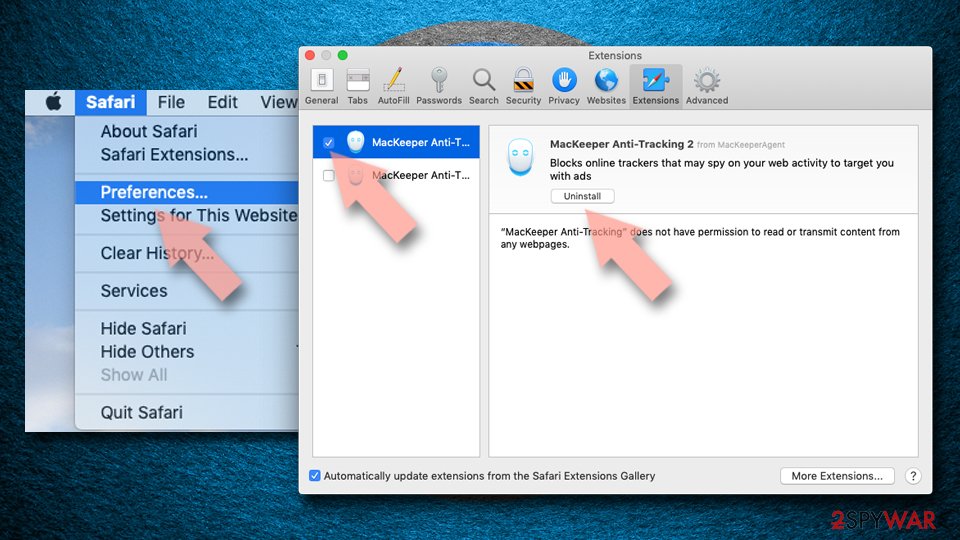
- Open Safari, click Safari in the menu at the top-left of the screen, and select Preferences.
- Go to the Extensions tab, look for any suspicious entries, and click Uninstall to remove them.
Clear history and website data:
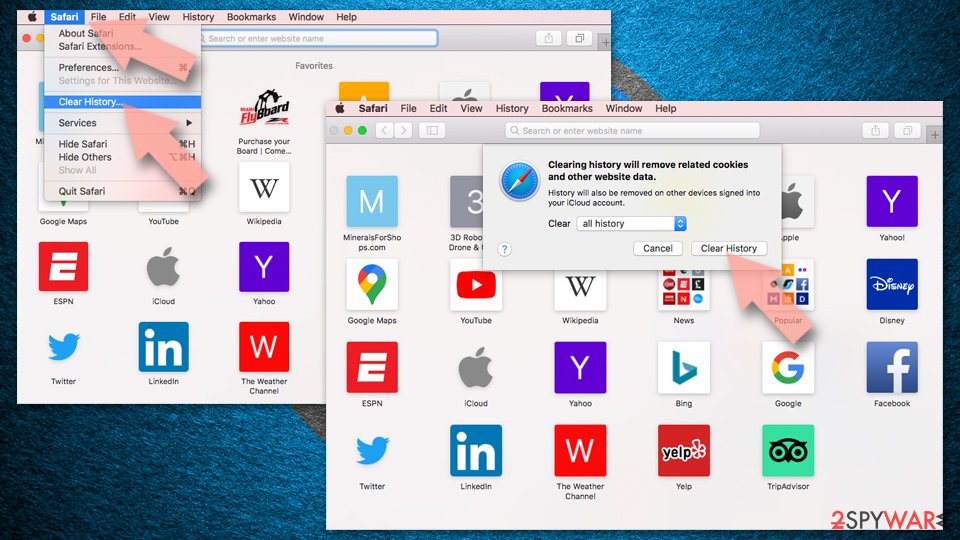
- Click Safari in the menu and pick Clear History.
- Set Clear to all history and confirm with Clear History.
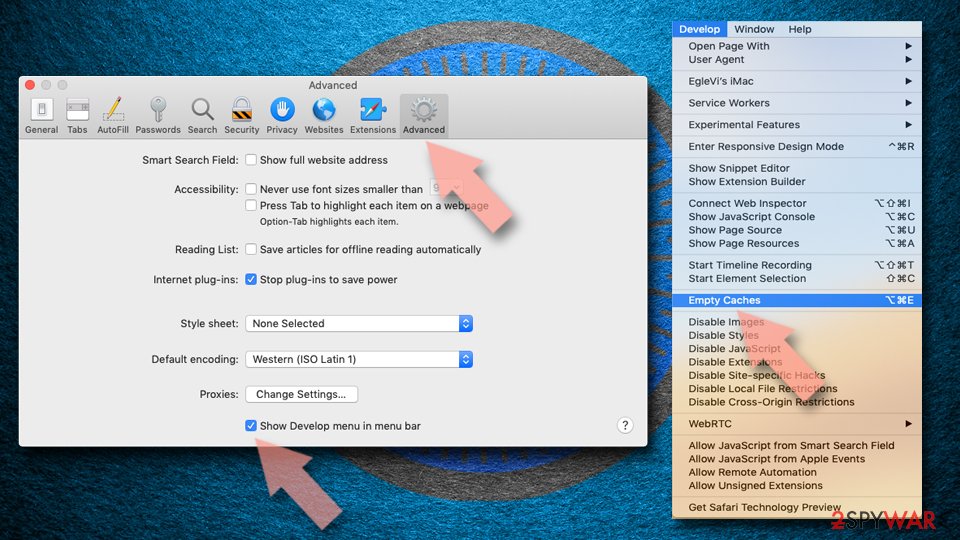
Reset Safari:
- Click Safari in the menu and select Preferences > Advanced.
- Enable Show Develop menu in menu bar.
- From the menu bar, click Develop and select Empty Caches.
Delete from macOS
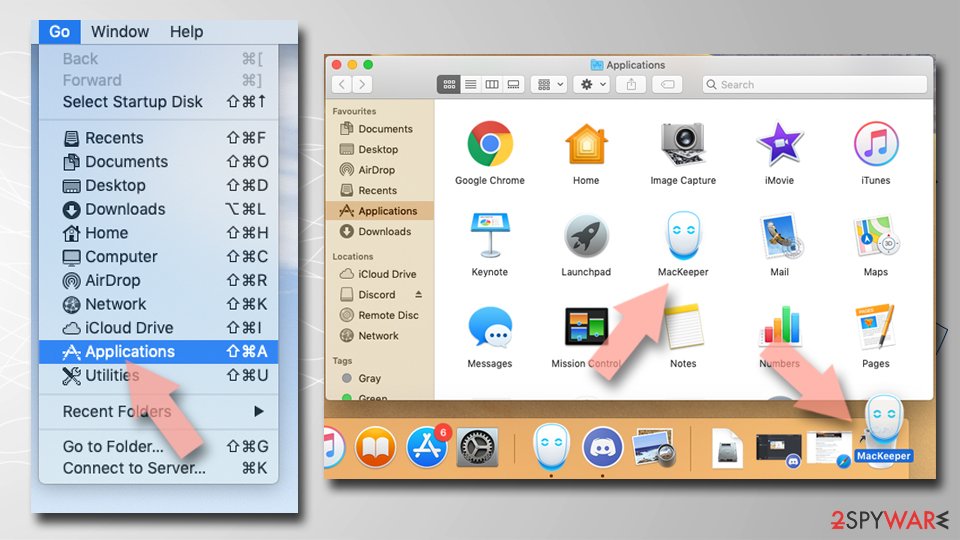
Remove the unwanted application:
- From the menu bar, select Go > Applications.
- In the Applications folder, look for any suspicious entries, then drag them to Trash (or right-click and pick Move to Trash).
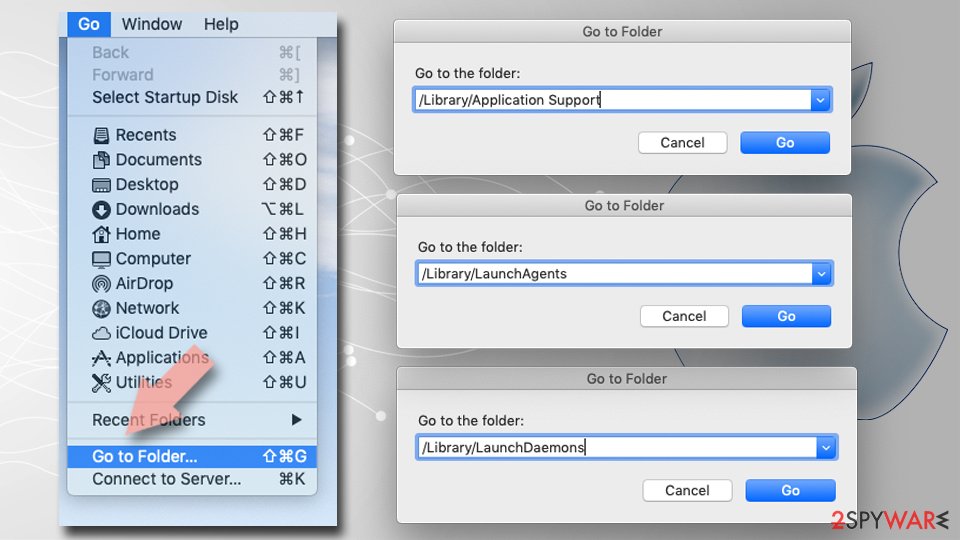
Delete leftover files and folders:
- Select Go > Go to Folder.
- Enter /Library/Application Support and remove any suspicious folders related to the unwanted program.
- Repeat the same check in the /Library/LaunchAgents and /Library/LaunchDaemons folders, deleting any suspicious entries.
- Finally, empty the Trash to permanently remove the leftovers.
Reset Internet Explorer
Redirects to tech support scam website might be initiated by some shady Internet Explorer add-on. Thus, get rid of it:
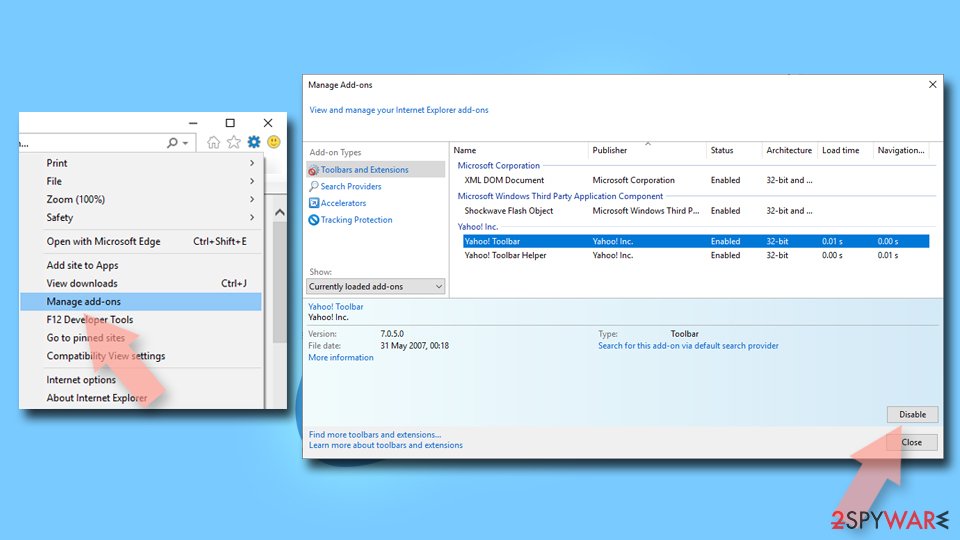
Remove dangerous add-ons:
- Open Internet Explorer, click on the Gear icon (IE menu) on the top-right corner of the browser
- Pick Manage Add-ons.
- You will see a Manage Add-ons window. Here, look for suspicious plugins. Click on these entries and select Disable.
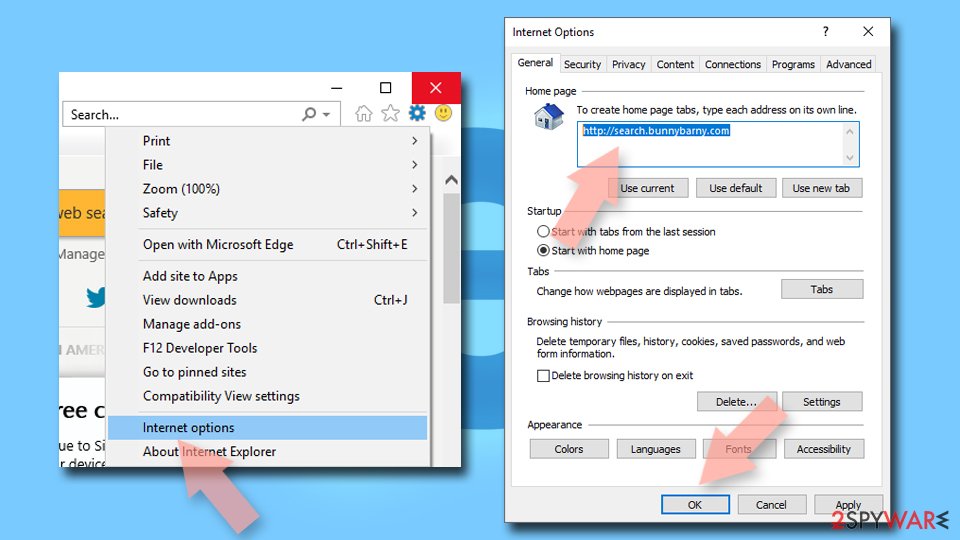
Change your homepage if it was altered:
- Open IE and click on the Gear icon.
- Select Internet Options.
- In the General tab, delete the Home page address and replace it by your preferred one (for example, Google.com).
- Click Apply and then select OK.
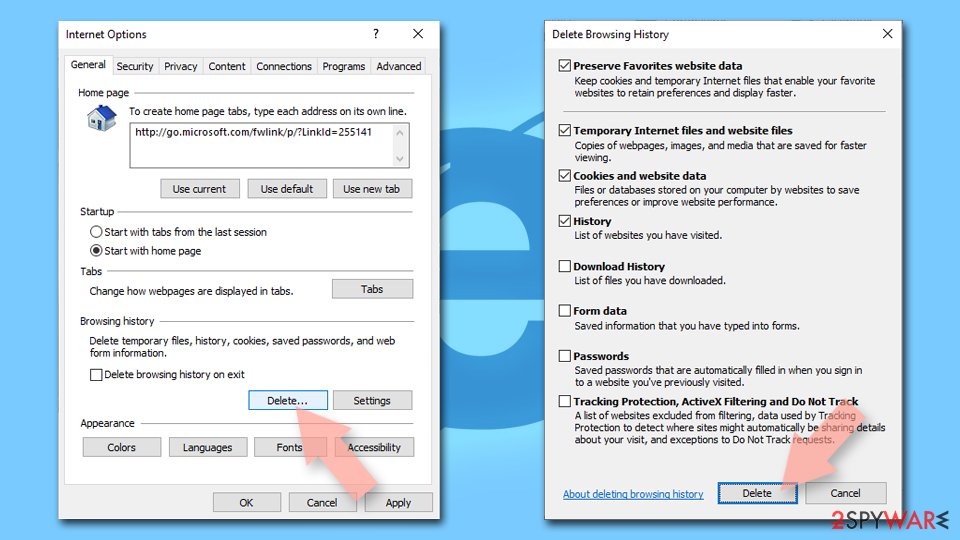
Delete temporary files:
- Press on the Gear icon and select Internet Options.
- Under Browsing history, click Delete...
- Select relevant fields and press Delete.
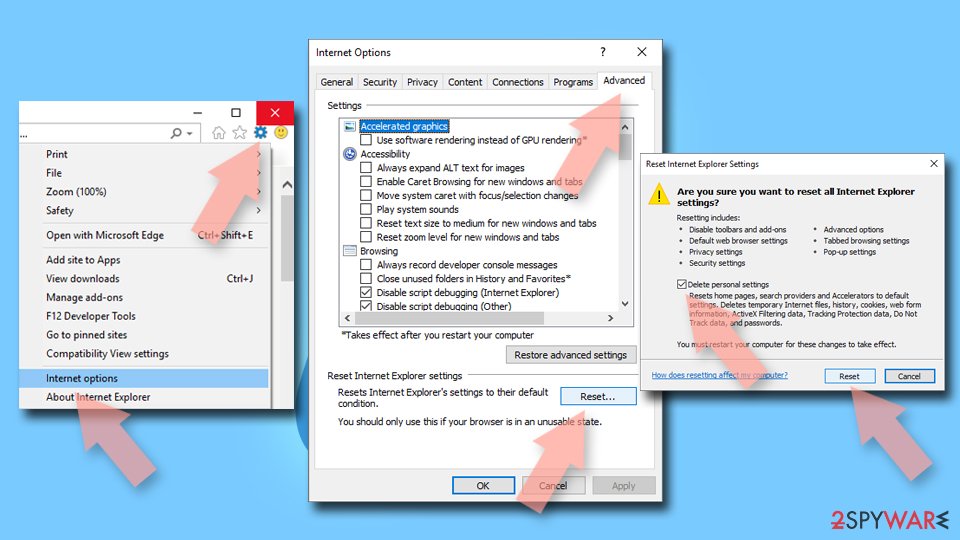
Reset Internet Explorer:
- Click on Gear icon > Internet options and select Advanced tab.
- Select Reset.
- In the new window, check Delete personal settings and select Reset.
Do not let government spy on you
The government has many issues in regards to tracking users' data and spying on citizens, so you should take this into consideration and learn more about shady information gathering practices.
Avoid any unwanted government tracking or spying by going totally anonymous on the internet.
You can choose a different location when you go online and access any material you want without particular content restrictions. You can easily enjoy internet connection without any risks of being hacked by using VPN.
Control the information that can be accessed by government any other unwanted party and surf online without being spied on. Even if you are not involved in illegal activities or trust your selection of services, platforms, be suspicious for your own security and take precautionary measures by using the VPN service.
Backup files for the later use, in case of the malware attack
Computer users can suffer from data losses due to cyber infections or their own faulty doings.
Ransomware can encrypt and hold files hostage, while unforeseen power cuts might cause a loss of important documents. If you have proper up-to-date backups, you can easily recover after such an incident and get back to work. It is also equally important to update backups on a regular basis so that the newest information remains intact - you can set this process to be performed automatically.
When you have the previous version of every important document or project you can avoid frustration and breakdowns. It comes in handy when malware strikes out of nowhere. Use for the data restoration process.
From our report of Jan 2018 · not reviewed since
Eliminating "Chrome Security Warning" scam
To remove "Chrome Security Warning" adware, you have to uninstall questionable programs via Control Panel, uninstall suspicious Chrome extensions and reset the browser.
The instructions how to perform all these tasks properly are provided below.
However, you can opt for the automatic "Chrome Security Warning" removal and save up your time. This method suggests scanning the system with anti-malware/anti-spyware software and resetting affected web browser.
Questions about Chrome Security Warning" scam
Does getting "Do not ignore this critical alert." mean my account was compromised?
Not by itself. Phishing waves are sent to long lists of addresses collected from old breaches, websites and guessing, and the sender does not know whether you even have the account the message mentions. Getting "Do not ignore this critical alert." only means your address is on such a list.
It becomes a problem if you sign in through the link. To be sure, open the real service from a bookmark and check recent activity and security alerts. If you see nothing unusual and you did not type your password into the fake page, your account is fine.
Is 800 046 5257 a real Microsoft support number?
No. Microsoft does not put phone numbers in warnings, pop-ups or error messages, and its support never calls you first about a virus. The number 800 046 5257 is used by a scam call centre that pays for traffic to fake warning pages.
If you need help from Microsoft, go to support.microsoft.com yourself and start from there. Never use a number that appeared in a pop-up, an unexpected e-mail or a search ad that looks like a support listing. If you already called, follow the steps in this guide for callers:
- remove any remote tool
- change passwords from another device
- contact the bank if you paid
The "Do not ignore this critical alert." page asked for my code too. Is two-step verification enough?
Not when you typed the code yourself. Some phishing pages pass your password and the one-time code to the real site in real time, which lets the attacker sign in once. Change the password immediately, then sign out of all sessions so the stolen session ends.
Check the account's security page for new devices, app passwords and recovery details, and remove anything you did not add. A passkey or a hardware key is the strongest protection against this trick, because it cannot be typed into a fake page. Keep the e-mail "Do not ignore this critical alert." for your report, then delete it.
I paid the people at 800 046 5257. Can I get my money back?
Often yes, if you act quickly. Card payments can be disputed through your bank as fraud; call the number on the back of the card and explain that you paid a tech support scammer reached at 800 046 5257. Bank transfers are harder, but the bank may recall the payment if you call the same day.
Gift cards can sometimes be frozen if you contact the card issuer with the codes before they are spent. PayPal and similar services have their own dispute forms. Keep every receipt and message, and report the scam to the police or the national fraud office, since banks often ask for a report number.
Is Chrome Security Warning" scam really from Microsoft?
No. It is sent by scammers who copy the name and look of Microsoft. The sender address and the links do not belong to it, and the message asks for your password, which a real company does not request through an unexpected message.
If you want to be sure about your account, open the website or app of Microsoft the way you normally do, not through the message, and look for notices there. Then delete the message and report it as phishing. If you already followed its instructions, use the steps in this guide for your case.
I called 800 046 5257. What should I do?
800 046 5257 is answered by the scammers behind Chrome Security Warning" scam. If you only talked, hang up, do not call back and block the number. If you installed a program or let them connect, disconnect the PC from the internet, uninstall the remote access tool and run a full scan and the Microsoft Defender offline scan.
Change passwords you typed during the call from another device. If you opened your bank during the call or sent money, call the bank immediately on the number on your card. Write down everything they said for the police report.
How do I report Chrome Security Warning" scam to my mail provider?
Use the built-in button. In Outlook, select the message and choose Report > Report phishing. In Gmail, open the message, click the three-dot menu and choose Report phishing.
Scam text messages can be forwarded to your carrier's spam number, which is 7726 in the US and the UK.
On social networks, use the report option on the message or the profile. Reporting trains the filters that protect you and other users, and it takes a few seconds. Then delete the message.
How can I spot messages like Chrome Security Warning" scam in future?
Check the sender's actual address, not only the name. Hover over links before clicking and compare the domain with the real one. Be suspicious of urgency, threats, prizes, unexpected invoices and requests for passwords, codes, card data or crypto.
Do not call phone numbers from unexpected messages; use the number on the official site or your card. When in doubt, go to the service directly through its app or a bookmark. Phishing protection and two-step verification limit the damage when a scam gets through.
Should I reply or unsubscribe?
No. A reply confirms that your address is active and read, which leads to more scams. The unsubscribe link in a scam message is part of the scam and may lead to a phishing page. Mark the message as spam or phishing and delete it.
Block the sender if your mail app allows it, though scammers change addresses often. If the scam came by text message, do not reply STOP either. If it came through social media, use the platform's report function and block the account.
Will Fortect remove Chrome Security Warning" scam?
Fortect scans Windows for malware and unwanted programs and repairs the system files and settings they change, and its free scan shows what it finds on your PC before you decide anything.
For Chrome Security Warning" scam, follow the plan above as well: the browser steps take back permissions and settings that no scanner treats as a threat, and uninstalling the program that brought it removes the source.
Run Microsoft Defender's full scan and, if anything was found, its offline scan as a second opinion. If the symptoms are gone after the plan and both scans are clean, there is nothing more to do.
Sources
- ZDNet: Windows 10 security: Here's tech support scammers' latest ploy, says Microsoft (read October 7, 2026)
- DieViren: DieViren (read October 7, 2026)
- FTC: How to recognize and avoid phishing scams (read October 7, 2026)
- CISA: Recognize and report phishing (read October 7, 2026)
- Microsoft Support: Protect yourself from phishing (read October 7, 2026)