Hackread.com reports that Microsoft and Health-ISAC have seized and redirected domains…

· in brief

Hackread.com reports that Microsoft and Health-ISAC have seized and redirected domains linked to a Chinese-language cybercrime marketplace that supplied fraudulent accounts, phishing kits and infrastructure. The services helped send more than one billion malicious messages and impersonated banks, retailers, delivery services and government agencies. Windows users should be careful with messages asking for logins or payments, and review sign-in activity, inbox rules, forwarding changes and suspicious access to cloud accounts.

hackread.comMicrosoft Seizes YAM Store and Phishing Kit Domains Linked to 1B Malicious Messages

Source: hackread.com

More in this rubric
all →

KnowBe4 reports that Microsoft is tracking phishing campaigns that use meeting invitations, PDF-themed lures, software update prompts, and other social-engineering content to deliver a masqueraded MSP360 installer. The installer is a legitimate remote monitoring and management tool that attackers abuse to gain access to affected devices and keep control after the first compromise. Users should be cautious with unexpected download prompts and messages that impersonate document-sharing, collaboration, or software pages.

KnowBe4Business-Themed Phishing Lures Deliver RMM Tools

Source: blog.knowbe4.com

KnowBe4 reports that a phishing campaign is using AI-themed lures to target people who manage advertising accounts. The fake pages copy brands like Gemini, Claude, ChatGPT, Perplexity and Muse, and are built to steal passwords and intercept multifactor authentication codes. People should be careful with unexpected account-connection requests and check the real web address before entering any login details.

KnowBe4Warning: Phishing Attacks Are Using AI-Themed Ad Lures

Source: blog.knowbe4.com

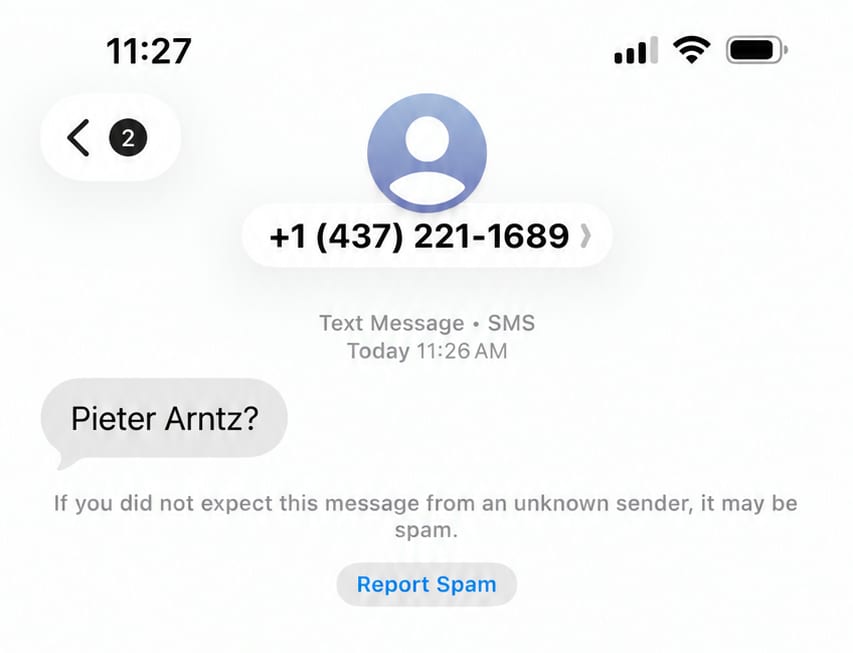
Malwarebytes Labs reports that scammers are using short text messages to start conversations, often with a name pulled from breached data. The goal is to get a reply, then build trust or push a fake investment scheme. Windows users should not answer unknown texts, even with “Who’s this?” or “Wrong number,” and should report and block the sender instead.

Malwarebytes LabsYour “Who’s this?” reply is exactly what text scammers want

Source: malwarebytes.com

5,550 members already hereReading, writing, commenting and voting. 0 verified · 275 joined this year