

Oflg ransomware is the threat affecting various Windows machines
Oflg file virus is a serious threat that can encrypt files and render them unusable by altering the original code. This virus can affect archives or databases, but it will not alter data in system folders or directories. It is important to remove this virus as soon as possible to avoid any further damage.
There are a few different ways to remove the Oflg file virus, but the most effective way is to use a reliable anti-malware program. This type of software can scan your computer for the virus and remove it safely. Additionally, you should also make sure that you have a backup of your important files in case they are affected by this virus. This virus is not decryptable, and other versions in the same family also.
Oflg ransomware virus is a serious cyber threat that can silently encrypt your files and demand a ransom for their decryption. It uses a strong encryption algorithm[1] which makes it impossible to decrypt the files without the unique decryption key. This key is only known by the cyber criminals who created this virus.
They will demand a ransom payment in order to provide you with this key. It is not recommended to pay the ransom as there is no guarantee that you will receive the key after doing so. Additionally, by paying the ransom, you would be supporting the criminal activities and development of those other campaigns.
| Name | Oflg file virus |
|---|---|
| Type | Ransomware, cryptovirus |
| File marker | .oflg |
| Ransom note | _readme.txt |
| Distribution | Files attached to emails, added to pirating software packages, other threats |
| Ransom amount | $490/ $980 |
| Contact details | support@bestyourmail.ch, datarestorehelp@airmail.cc |
| Elimination | Threats can and should be removed with antivirus tools |
| Repair | You need to check for virus damage and leftovers, so run FortectIntego to do so |
More about the ransomware
The best thing you can do is remove the virus from your system and restore your files from a backup if you have one available. Oflg ransomware virus is a silent threat that can easily go unnoticed until it's too late. This malicious software will lock files on your computer and append the extension to them, making data inaccessible.
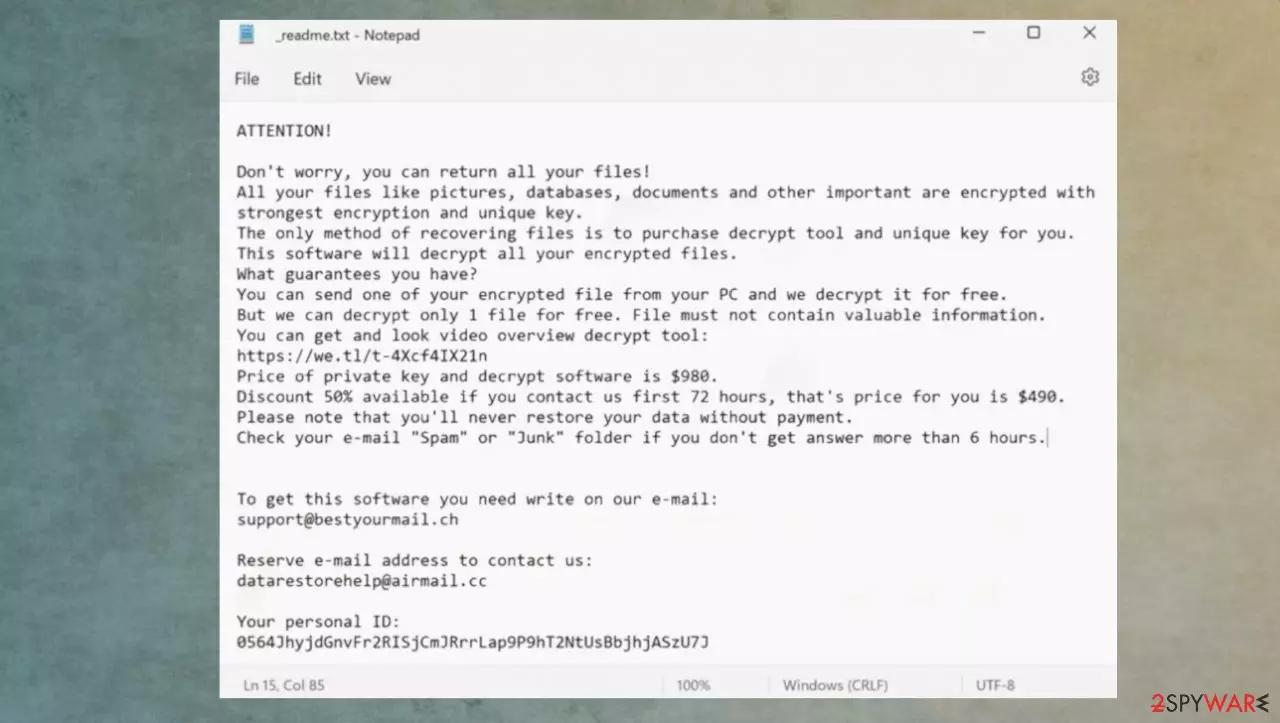
The encryption process may be disguised as a fake Windows update pop-up. Don't be fooled – if you see this ransom-demanding message, it's already too late, and your data is at risk! Any claims in the _readme.txt file should be ignored.
The virus creators demand payment in the form of Bitcoin and claim to provide access to those encrypted files after the payment transfer. The infection leaves a _readme.txt file on the machine in various folders on the desktop, which contains the particular message from the virus creators. And this might be the only symptom of the Oflg ransomware virus.
There is no guaranteed way to decrypt your files if they have been encrypted by the ransomware virus. However, you may be able to use data recovery software to try and recover your files. Paying the ransom demanded by the virus creators is not advised by experts[2] that note how important it is to neutralize the virus.

Removing the virus
There is no guaranteed way to decrypt files that have been encrypted by the file virus. However, there are some tools and methods that may be able to help you recover your data. Note that while the threat is running on the computer, the Oflg ransomware virus can damage all files again. Therefore, it is important to have backups of your files in case they are lost or damaged.
If you have been infected by the file virus, it is important to take immediate action to protect your files. First, isolate the infected computer from your network to prevent the spread of the virus. Next, run a malware scan on your system to remove the virus and any associated files. AV detection[3] tools are the best for this.
Finally, if you have backups of your data, restore your files from those backups. If you do not have backups, you may be able to use one of the recovery methods below. Removing Oflg ransomware is crucial and can be done with applications like SpyHunterCombo Cleaner or MalwarebytesMalwarebytes that can run a full system scan and check the system for threats.
Repair the system after virus infection
Once a computer is infected with malware, its system is changed to operate differently. For example, an infection can alter the Windows registry database, damage vital bootup and other sections, delete or corrupt DLL files, etc. Once a system file is damaged by malware, antivirus software is not capable of doing anything about it, leaving it just the way it is. Consequently, users might experience performance, stability, and usability issues, to the point where a full Windows reinstall is required.
Therefore, we highly recommend using a one-of-a-kind, patented technology of FortectIntego repair. Not only can it fix virus damage after the infection, but it is also capable of removing malware that has already broken into the system thanks to several engines used by the program. Besides, the application is also capable of fixing various Windows-related issues that are not caused by malware infections, for example, Blue Screen errors, freezes, registry errors, damaged DLLs, etc.
- Download the application by clicking on the link above
- Click on the ReimageRepair.exe

- If User Account Control (UAC) shows up, select Yes
- Press Install and wait till the program finishes the installation process
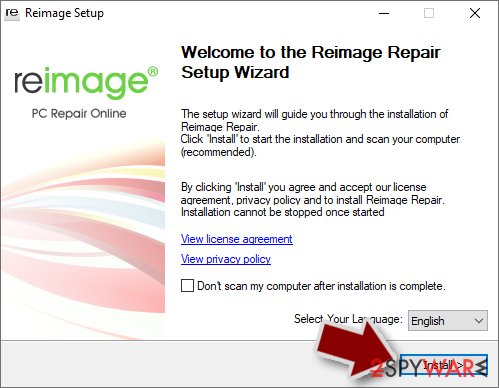
- The analysis of your machine will begin immediately
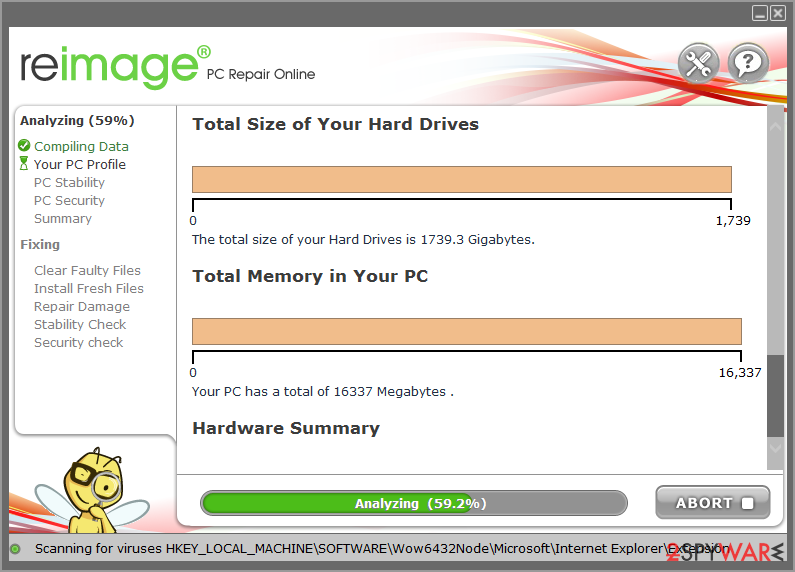
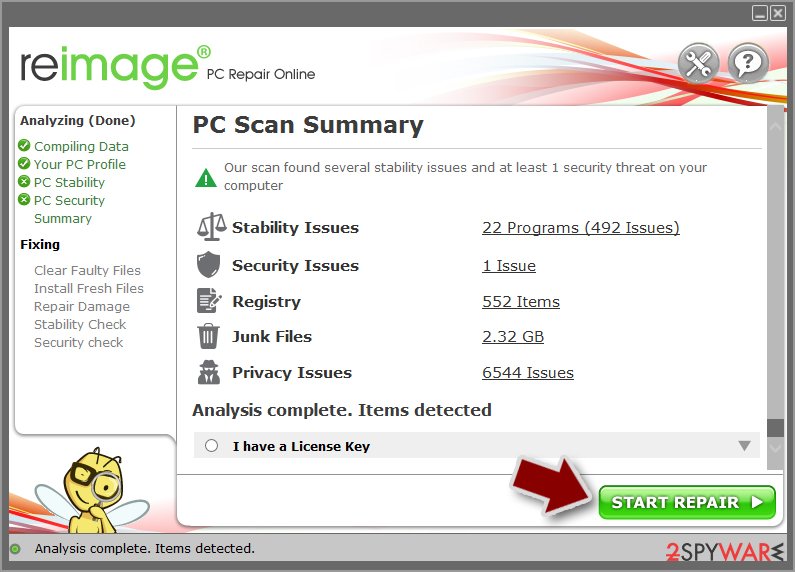
- Once complete, check the results – they will be listed in the Summary
- You can now click on each of the issues and fix them manually
- If you see many problems that you find difficult to fix, we recommend you purchase the license and fix them automatically.


Recovering the data
Oflg ransomware is a damaging piece of malware. The threat is serious and belongs to a Djvu virus family that affects many parts of the machine once the virus is launched on the system. This particular ransomware is not decryptable because it is improved and makes many changes to the computer.
When the program first runs on the system, the Oflg file virus encrypts files and asks for money for the alleged decryption of those pieces. The threat is not decryptable and not capable of restoring those files for victims. Unfortunately, not many options are left for file recovery, but you can find many tips for data repair here.
Since many users do not prepare proper data backups prior to being attacked by ransomware, they might often lose access to their files permanently. Paying criminals is also very risky, as they might not fulfill the promises and never send back the required decryption tool.
While this might sound terrible, not all is lost – data recovery software might be able to help you in some situations (it highly depends on the encryption algorithm used, whether ransomware managed to complete the programmed tasks, etc.). Since there are thousands of different ransomware strains, it is immediately impossible to tell whether third-party software will work for you.
Therefore, we suggest trying regardless of which ransomware attacked your computer. Before you begin, several pointers are important while dealing with this situation:
- Since the encrypted data on your computer might permanently be damaged by security or data recovery software, you should first make backups of it – use a USB flash drive or another storage.
- Only attempt to recover your files using this method after you perform a scan with anti-malware software.
Install data recovery software
- Download Data Recovery Pro.
- Double-click the installer to launch it.

- Follow on-screen instructions to install the software.
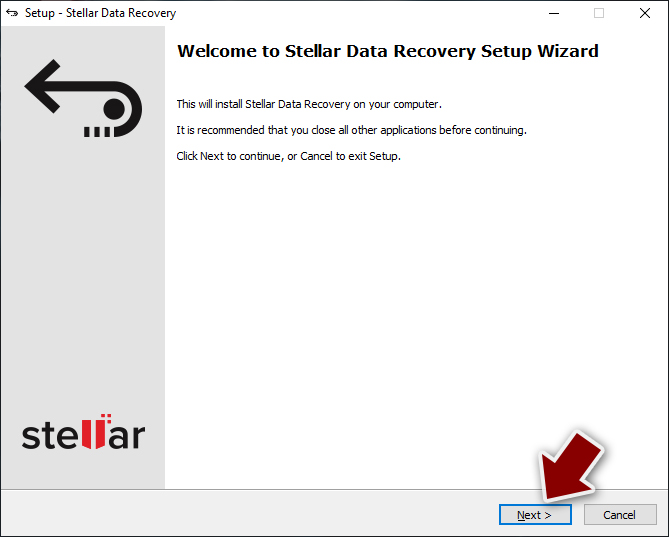
- As soon as you press Finish, you can use the app.
- Select Everything or pick individual folders where you want the files to be recovered from.
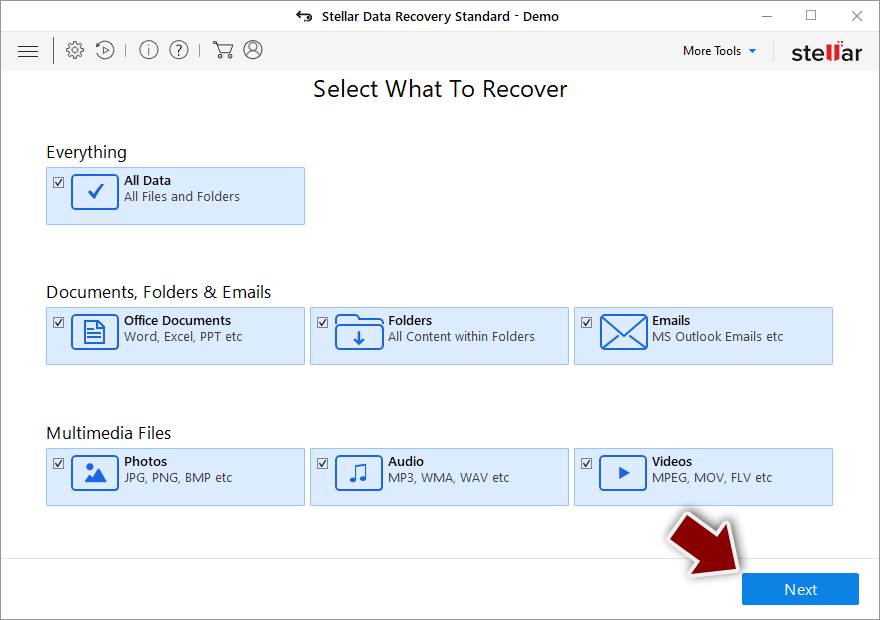
- Press Next.
- At the bottom, enable Deep scan and pick which Disks you want to be scanned.
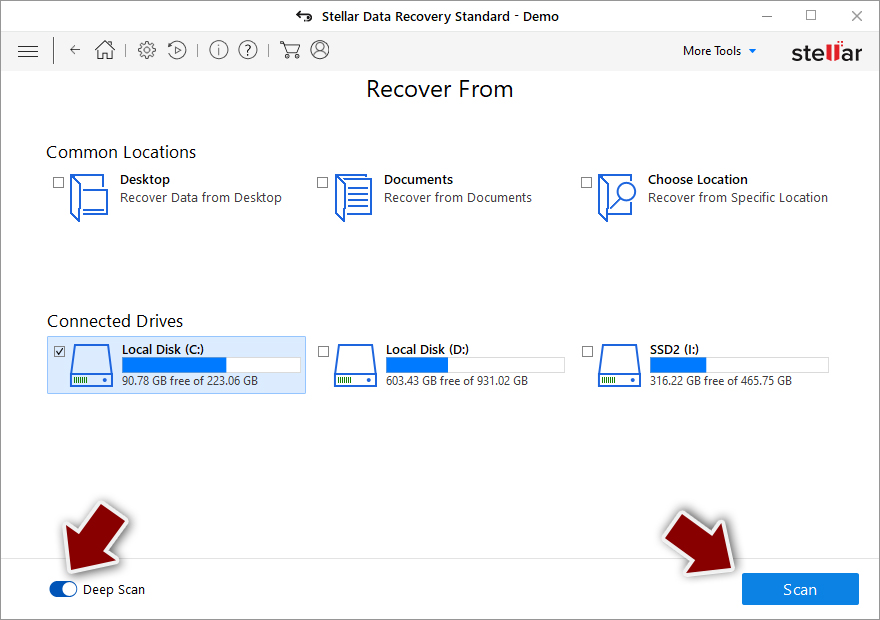
- Press Scan and wait till it is complete.
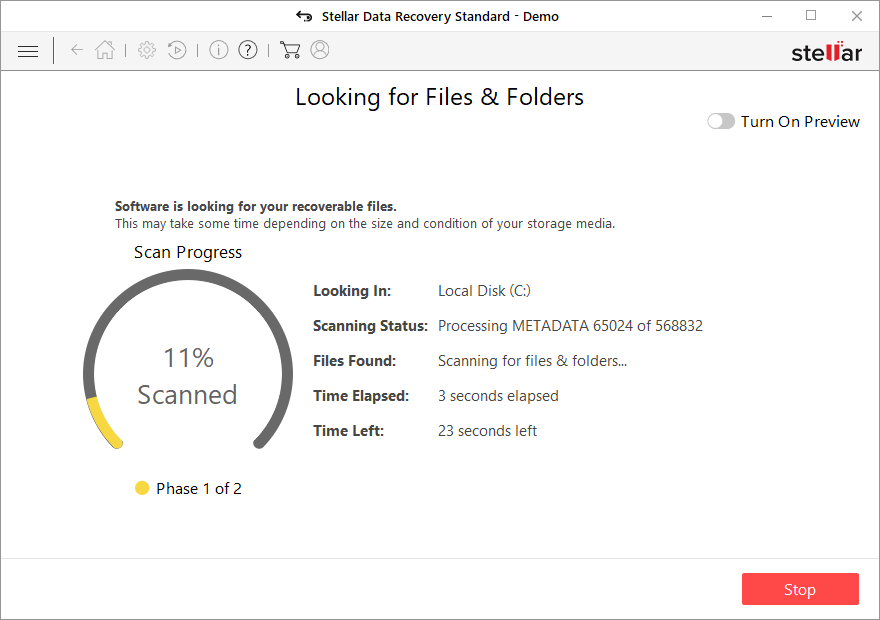
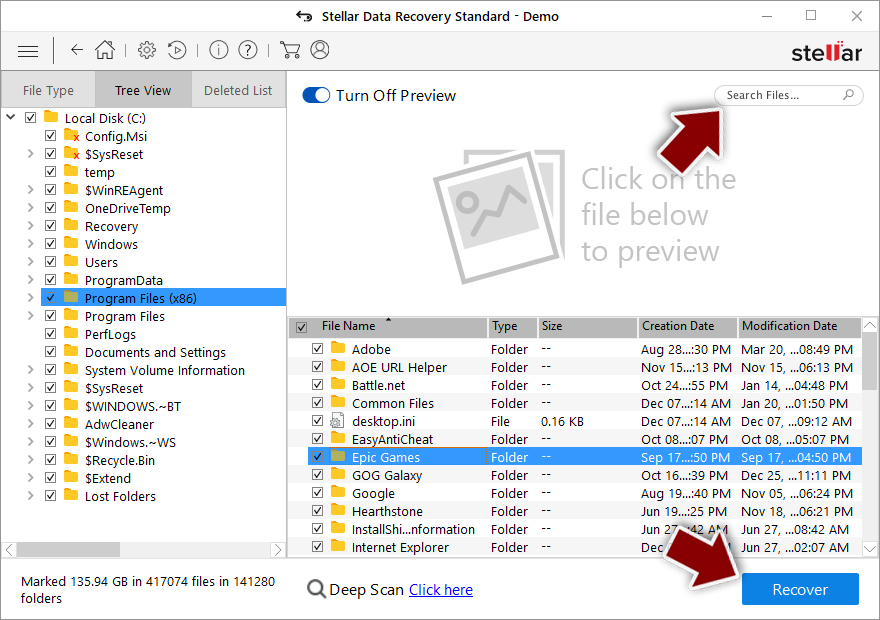
- You can now pick which folders/files to recover – don't forget you also have the option to search by the file name!
- Press Recover to retrieve your files.


Did this guide help?
Be the first to comment