
Secure Driver Updater ads: what it is and how to remove it
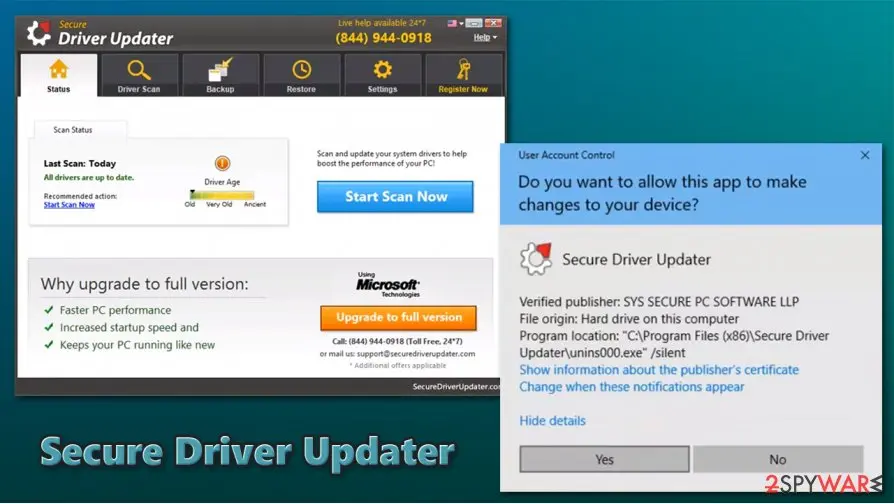
Secure Driver Updater is a potentially unwanted application that typically arrives on Windows computers along with freeware downloaded from third-party websites. Its main purpose is to download and install new versions of the drivers on users' machines, which, as developers claim, can help fix computer freezes and increase performance.
Facts checked October 7, 2026. Removal steps tested on Windows 11 (26H2) and checked against Microsoft's and the browser makers' current documentation. Sections marked as our earlier report are the original text: they describe the threat as it was then and have not been reviewed since. The 2026 status, the removal steps and the questions are current.
Automatic
Get a free scan and check if your PC is infected.
Fortect finds malware, unwanted programs and the Windows damage they leave behind, and repairs it in one pass.
Programs like Secure Driver Updater usually arrive in groups; a free scan lists the companions that are easy to miss.
Do it yourself · free Remove Secure Driver Updater ads yourself 4 steps, about 12 minutes, no software needed.
Start the steps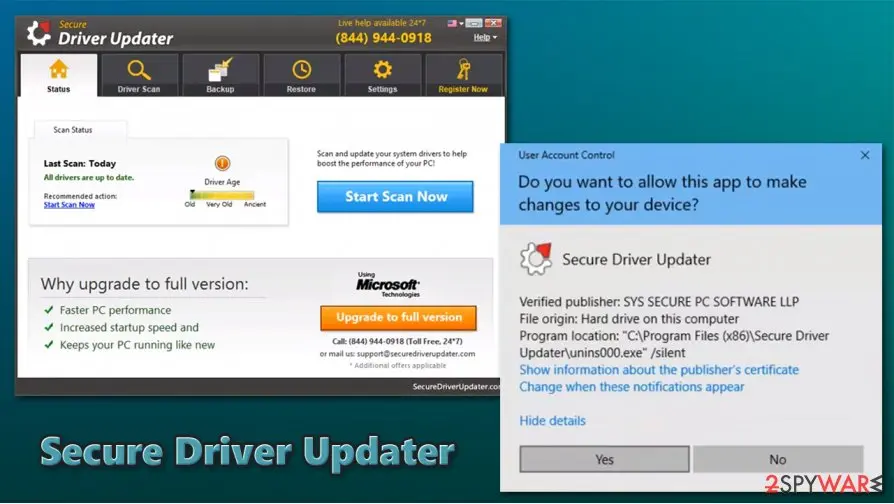
Secure Driver Updater ads: summary
| Distribution | Potentially unwanted applications are typically installed without user consent via software bundle packages, fake update prompts, or when users look for a particular function within the program |
|---|---|
| Name | Secure Driver Updater |
| Type | Driver updater, potentially unwanted program |
| Developer | Sys Secure PC Software LLP |
| Dangers | Incompatible drivers might result in complete Windows failure, which means – loss of personal files |
| Symptoms | System scans show that the computer is damaged and needs fixing; when users try to update drivers, they are redirected to the payment page |
| Removal | Scan the PC with security software to find and remove the malware and anything installed with it. Fortect scans Windows for malware and repairs the system files and settings it damaged. Remove it nowTo use the full-featured product, you have to purchase a license for Fortect. The scan is free. |
Show 6 more facts
| Detection names | No Microsoft detection name is known |
|---|---|
| Damage | Not recorded in the old report |
| Evidence | One write-up by a security site; details still limited |
| Program | Secure Driver Updater |
| First seen | 3 November 2020 |
| Facts checked | 7 October 2026 |
Is Secure Driver Updater ads dangerous?
From our report of Nov 2020 · not reviewed since
Secure Driver Updater - an unreliable program for driver updates
Secure Driver Updater is a potentially unwanted application that typically arrives on Windows computers along with freeware downloaded from third-party websites.
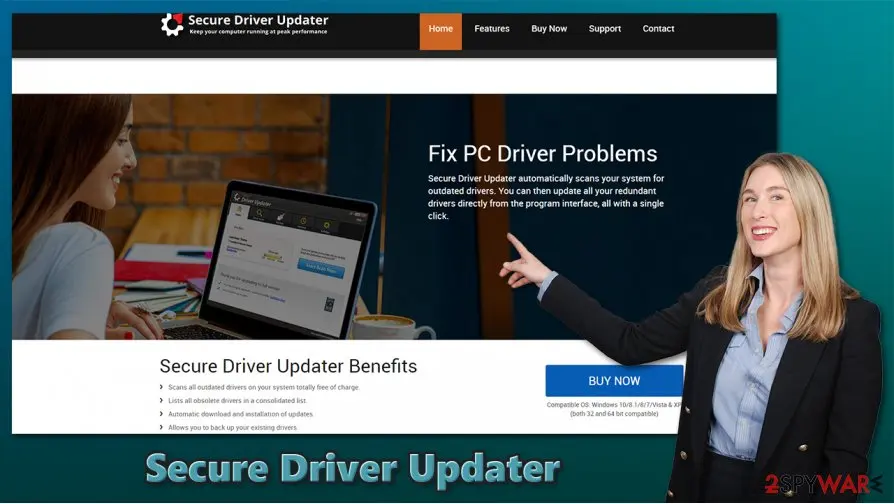
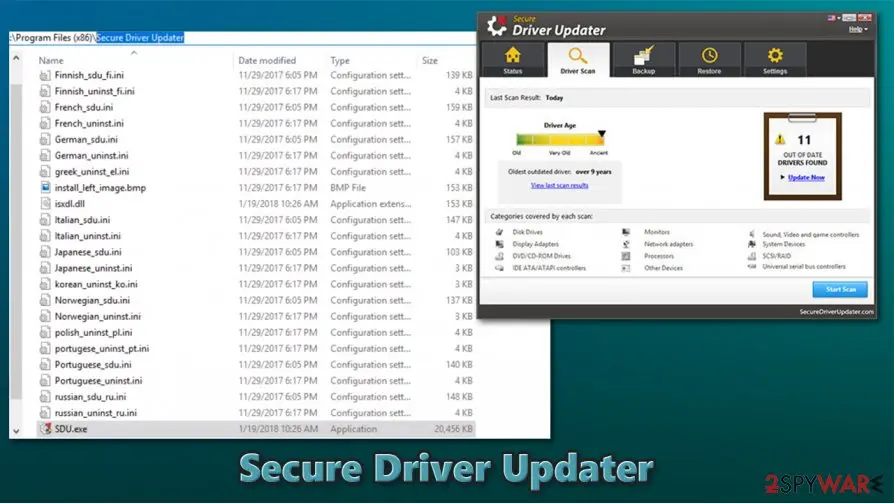
Its main purpose is to download and install new versions of the drivers on users' machines, which, as developers claim, can help fix computer freezes and increase performance. However, due to its deceptive distribution techniques and exaggerated scan results, users are advised to stay away from this program. Besides, if Secure Driver Updater downloads and installs incorrect drivers, users might face serious issues with their Windows systems.
Secure Driver Updater is another program from an unknown developer that keeps changing the name of the same product. For example, Advanced Driver Updater is one of many apps that were rebranded by the maker and released as an entirely new program while being essentially the same.
This practice is very common among rogue applications, as the developers attempt to avoid bad reputation and detections by security apps, such as or .
Just as many other programs of such type, Secure Driver Updater is distributed via deceptive methods, including:
Once installed, Secure Driver Updater immediately performs a full system scan that detects hundreds of issues. It would also show that many drivers are either "old," "very old," or "ancient." The classification implies that all of the non-current drivers are useless and need to be urgently updated.
The truth is, while drivers are indeed very important, they do not need to be updated with the latest versions frequently unless there is a problem on the PC.
To increase the feeling of legitimacy for users, the app also incorporates the Microsoft logo - it claims that it uses its technologies. However, there is no way to verify this information. Being an official Microsoft partner is something that this app definitely does not have - it is another trick by the developers to make users pay for the app's full version.
Maintenance apps have a rather bad reputation since there are so many of them that are useful and released only having profits in mind. This app might not only fail to deliver what it was designed to do but instead damage your Windows and also make you waste your money. Therefore, experts strongly recommend performing Secure Driver Updater removal as soon as possible.
For that, you have to access the Programs & Features via the Control panel - we explained how to do that below in detail. Additionally, some security applications can find and delete the app along with all its components that have been injected into your PC.
- Insecure third-party websites
- Deceptive ads
- Fake update prompts.
From our report of Nov 2020 · not reviewed since
More from our earlier report on Secure Driver Updater
- If you suffer from ads, redirects, and other browser-related issues, you might be infected with adware.
- The app can negatively impact the system by installing wrong drivers, which could result in errors, crashes, BSODs, and other issues.
- To repair your operating system, use tools like
How to remove Secure Driver Updater ads
How to remove the Secure Driver Updater extension
Do the browser steps in every browser and profile on the PC, then check Windows for the program that installed the extension.
Step 1: Remove extensions you did not add
Secure Driver Updater often works through an extension, so go through the extension list of each browser:
chrome://extensionsedge://extensions- Extensions and themes in Firefox
Switch suspicious extensions off one at a time and reload the page where the problem shows, then remove the one that stops it, and any other you did not add.
Remember the other browsers and profiles on the PC. If Remove is missing or greyed out, a policy forces the extension, which the policy step deals with. Windows 11 and Windows 10 show the same pages.
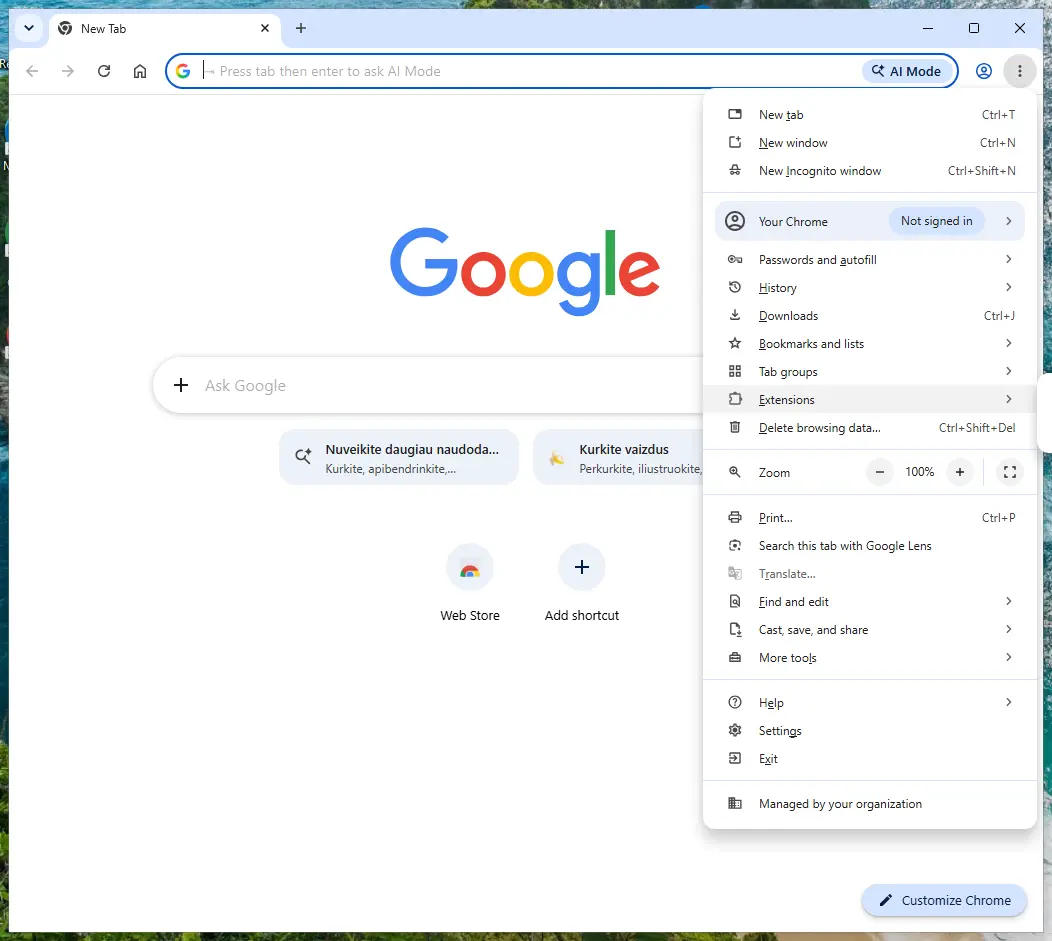
Chrome on Windows 11: More > Extensions > Manage extensions. Full procedure with screenshots: Remove a browser extension
Step 2: Uninstall Secure Driver Updater
Open Settings > Apps > Installed apps in Windows 11, or Settings > Apps > Apps & features in Windows 10.
Sort the list by install date and find Secure Driver Updater, then choose Uninstall from the three-dot menu next to it (in Windows 10, click the entry and then Uninstall).
Remove anything else installed on the same day that you do not recognise, because such programs usually arrive together in one installer. If the uninstaller opens a browser page with an offer or a survey, close it: the program is removed either way.
Full procedure with screenshots: Uninstall a program or app in Windows On uGetFix
Step 3: Reset the browser
Finish the browser part with a reset, which puts the search engine, start page, new tab page and site permissions back to their defaults and switches extensions off. Chrome: Settings > Reset settings > Restore settings to their original defaults.
Edge: Settings > Reset settings. Firefox: Help > More troubleshooting information > Refresh Firefox, which also removes its extensions. Your bookmarks and saved passwords are kept, and the menus are the same on Windows 11 and Windows 10.
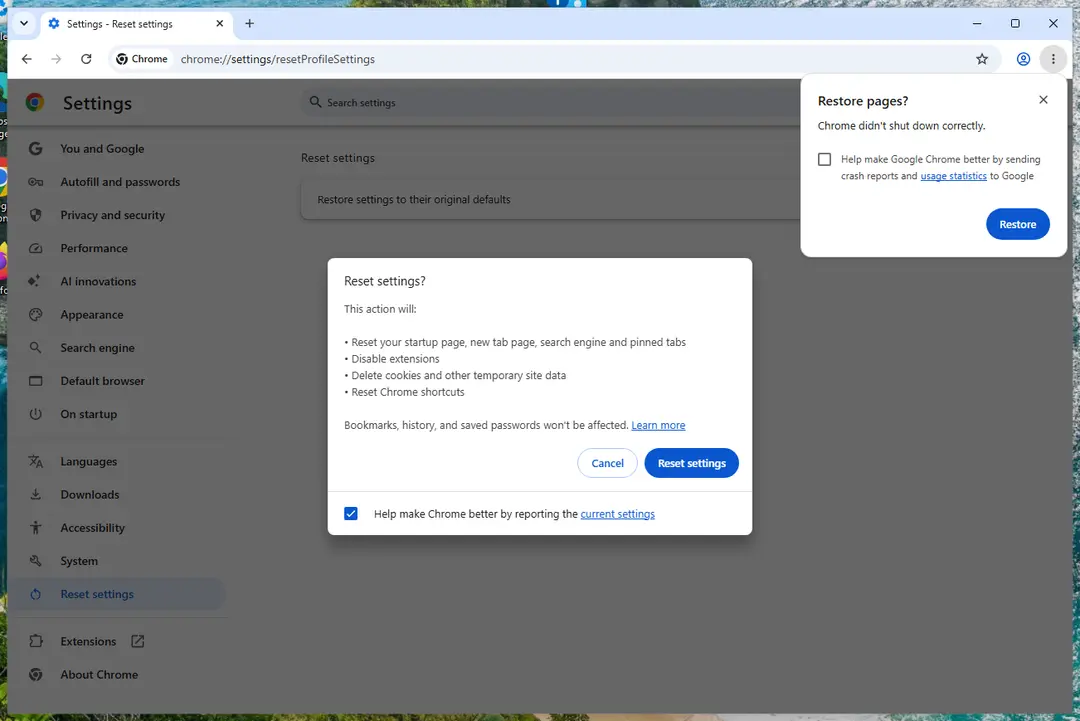
Chrome on Windows 11: Settings > Reset settings. Full procedure with screenshots: Reset a browser and fix a hijacked search engine
Step 4: Scan the PC, then run the offline scan
Open Windows Security > Virus & threat protection > Scan options, run a Full scan and remove everything it finds. Then select Microsoft Defender Antivirus (offline scan) and click Scan now: the PC restarts and scans before Windows loads, which finds files that hide while Windows runs.
Save your work first, because the offline scan takes about 15 minutes. Both scans are built into Windows 11 and Windows 10, and a second scanner from another vendor is a useful extra opinion.
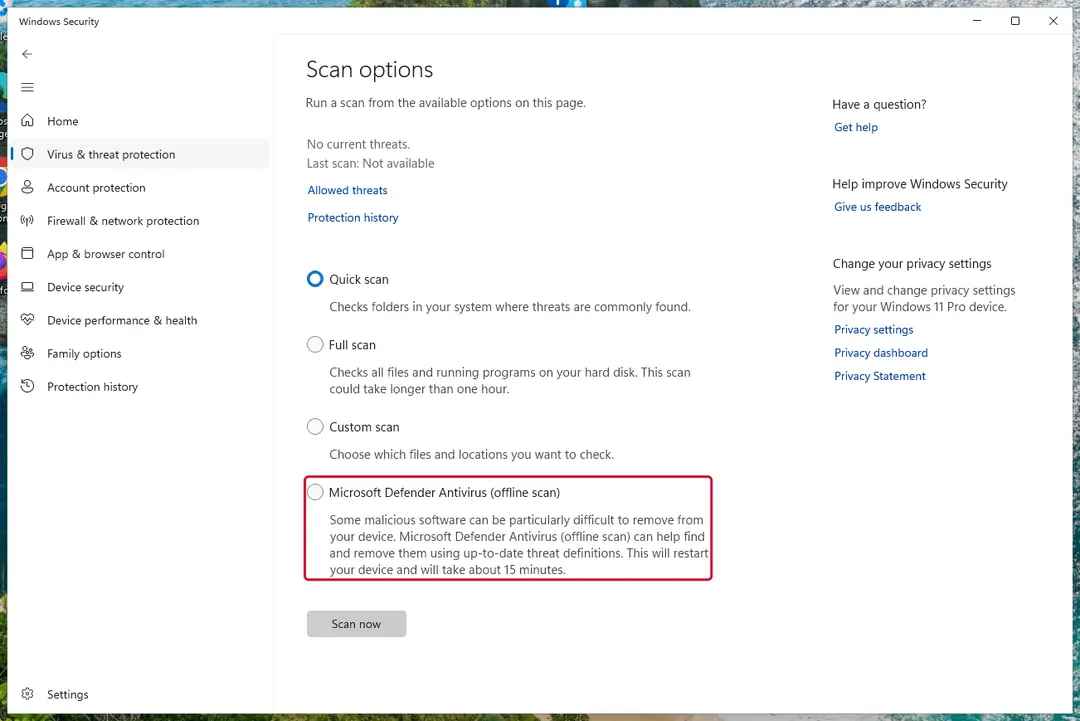
Windows 11: Windows Security > Virus & threat protection > Scan options. Full procedure with screenshots: Run a Microsoft Defender Offline scan
Instructions for each browser and system
The detailed steps for every browser and system this guide covers. Open the one you use.
Uninstall from Windows
Follow these steps if you want to get rid of Secure Driver Updater
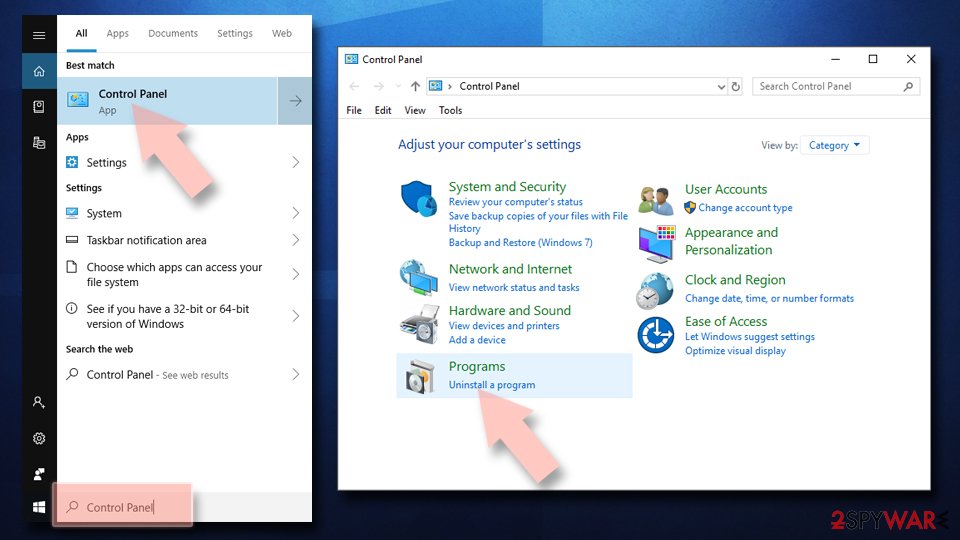
Uninstall from Windows 10/8:
- Type Control Panel into the Windows search box and open the result.
- Under Programs, select Uninstall a program.
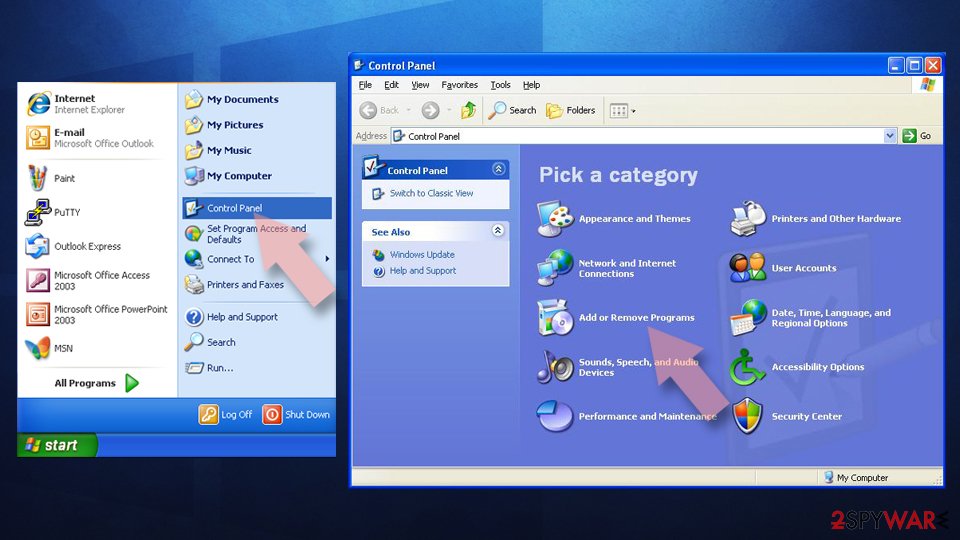
Uninstall from Windows 7/XP:
- Click on Windows Start > Control Panel (Windows XP users should click on Add/Remove Programs).
- In Control Panel, select Programs > Uninstall a program.
Remove the unwanted program:
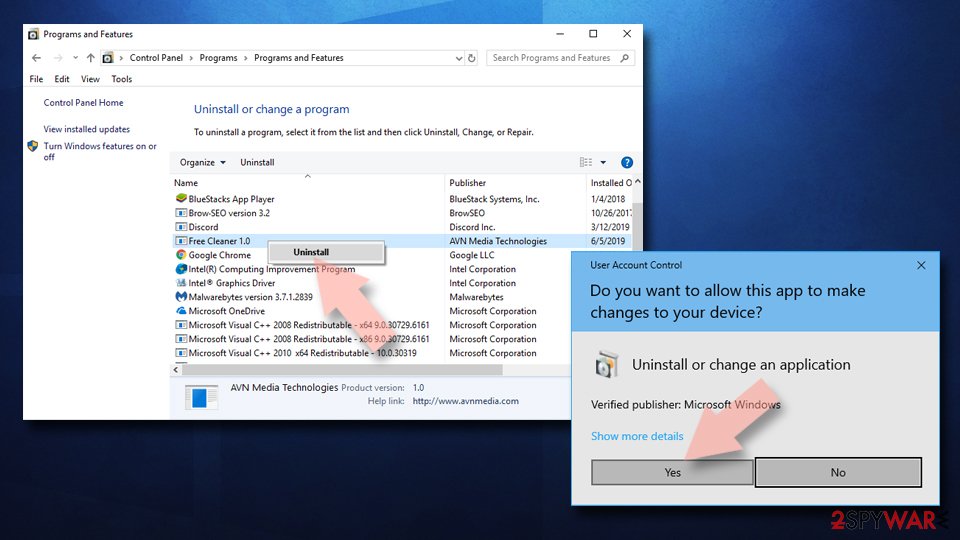
- In the Programs and Features window, look for any recently installed suspicious entries, select them, and click Uninstall.
- If User Account Control appears, click Yes to confirm, then complete the removal.
Stream videos without limitations, no matter where you are
There are multiple parties that could find out almost anything about you by checking your online activity.
While this is highly unlikely, advertisers and tech companies are constantly tracking you online. The first step to privacy should be a secure browser that focuses on tracker reduction to a minimum.
Even if you employ a secure browser, you will not be able to access websites that are restricted due to local government laws or other reasons. In other words, you may not be able to stream Disney+ or US-based Netflix in some countries. To bypass these restrictions, you can employ a powerful VPN, which provides dedicated servers for torrenting and streaming, not slowing you down in the process.
Data backups are important - recover your lost files
Ransomware is one of the biggest threats to personal data.
Once it is executed on a machine, it launches a sophisticated encryption algorithm that locks all your files, although it does not destroy them. The most common misconception is that anti-malware software can return files to their previous states. This is not true, however, and data remains locked after the malicious payload is deleted.
While regular data backups are the only secure method to recover your files after a ransomware attack, tools such as can also be effective and restore at least some of your lost data.
From our report of Nov 2020 · not reviewed since
You can easily prevent the installation of potentially unwanted programs
Initially, potentially unwanted programs do not pose a high-security threat to uses.
However, there is a reason they are called like that - they are mostly useless apps that do not provide benefit to users and only seek to monetize on them.
PUPs can also cause a significant decline in computer performance by performing unwanted system changes and ruin the user experience for good. As a result, you might lose money and damage Windows system files. Therefore, security experts advise staying away from applications that are not genuine.
First and utmost, you should always read up on user reviews about the app you have never heard of. You can read reviews or check videos - this should serve as a good indication of whether the app is useful and indeed does what it is supposed to do. In many cases, users only notice suspicious signs after the installation.
When it comes to unintentional installation of PUPs, here are some tips that would help you prevent it:
- When prompted, always choose Advanced/Custom settings instead of Custom/Recommended ones;
- During the installation, never rush the process by clicking "Next" several times;
- Watch out for deception within the installer - untick all the pre-ticked boxes, read the fine print, decline all the offers (take a note of button placements), and never rush the process.
- Install powerful anti-malware that would warn you about potentially unwanted programs.
From our report of Nov 2020 · not reviewed since
You should remove Secure Driver Updater to prevent damage to your Windows system
If Secure Driver Updater removal is something that is unclear to you, you should keep calm - the app can typically get uninstalled easily, just like any other program on the system. However, it is important to note that rogue applications might sometimes leave traces that will continue to operate in the background and might result in an application's automatic reinstallation.
Nonetheless, please follow the instructions we provide below if you are not accustomed to uninstalling programs from a Windows machine. To clean the computer fully, you can also perform a full system scan with powerful anti-malware and then fix potential damage with .
Keep in mind that, even if you remove Secure Driver Updater, you are highly unlikely to return money for its developers, as they prey on users who are misled by fake promises. Additionally, we strongly advise you to monitor your online banking, as the entered information might not be adequately protected and get leaked to cybercriminals.
Questions about Secure Driver Updater ads
What is Secure Driver Updater and why is it on my PC?
Secure Driver Updater is a program that was installed on the PC, most likely together with something else you downloaded. Free software sites and many installers add extra programs on setup pages with pre-ticked boxes, so the extra install looks like your choice even though nobody read the page.
Check the install date in Settings, Apps, Installed apps: the program you installed that day is the probable carrier. If you do not need Secure Driver Updater, uninstall it. If it belongs to your hardware or to a program you use, search its exact name and publisher first, because drivers and their tools can have unfamiliar names.
Secure Driver Updater came back after I uninstalled it. Why?
Something else is reinstalling it. Common causes are a second program from the same publisher, a scheduled task that downloads it again, or a browser extension that keeps prompting for it. Sort Installed apps by install date and uninstall each entry from the same day that you did not choose.
Then open Task Scheduler and look in the Task Scheduler Library for tasks with updater-style names that you do not recognise. Check Startup apps in Task Manager too. If Secure Driver Updater still returns, start Windows in Safe Mode, uninstall it there and run a Microsoft Defender offline scan, which looks for loaders that ordinary scans can miss.
My scan found nothing, but the ads continue. Why?
Because the source may not be a file a scanner looks for. Browser notifications are a permission stored in the browser, and many adware extensions are not flagged because they come from an official store.
Some ad-supported programs are only reported if you enable detection of potentially unwanted apps. So a clean scan does not mean the job is done. Check each browser's notification permissions and extension list by hand, and turn on Potentially unwanted app blocking in Windows Security before scanning again.
I let a "support technician" from an ad connect to my PC. What should I do?
Act quickly but calmly. Disconnect the PC from the internet first, so the connection ends. Uninstall the remote access tool they asked you to install and check Installed apps for anything else added during the call.
Run a Microsoft Defender full scan and offline scan. From another device, change your e-mail and banking passwords and sign out of all sessions.
If you paid by card, bank transfer or gift card, contact your bank or the card issuer immediately, and report the scam to the police. Do not answer if they call back.
Did Secure Driver Updater collect my data?
Adware typically collects what it needs to choose ads:
- the sites you visit
- search terms
- approximate location
- browser and system details
Extensions with permission to read and change data on all websites can technically see everything on those pages, including forms. That is a privacy problem rather than proof of theft.
If you typed card details or passwords while it was active, changing the most important passwords is a reasonable precaution. Clearing cookies after removal ends the tracking sessions it may have started.
Can an adware pop-up infect my PC just by appearing?
No. A pop-up, a notification or a new tab is only a web page or a message. It cannot run programs on Windows by itself, provided the browser and Windows are up to date. Infection needs a step from you:
- running a downloaded file
- installing an extension
- giving a stranger remote access
That is why scam pages work so hard to make you click. Close such pages with the tab's X or by closing the browser, not with buttons inside the page, which may start a download.
Why is my browser so slow since the ads started?
Each page now does extra work. An adware extension reads the page, decides where to put ads, loads them from ad servers and reports your visit, and that happens on every tab. Ad-supported programs add their own background activity.
Removing the extension or program usually makes the browser fast again at once. If it stays slow, open the browser's own task manager with Shift+Esc in Chrome or Edge and look for extensions using a lot of memory or processor time.
Do I need to reset my browser after removing Secure Driver Updater?
A reset is a good last step, because it undoes settings that the program changed. A reset restores the home page, new tab page and default search engine, and turns off extensions.
It does not delete your bookmarks or saved passwords in the main browsers. Add back only the extensions you trust, one at a time.
Will Fortect remove Secure Driver Updater?
Fortect scans Windows for malware and unwanted programs and repairs the system files and settings they change, and its free scan shows what it finds on your PC before you decide anything.
For Secure Driver Updater, follow the plan above as well: the browser steps take back permissions and settings that no scanner treats as a threat, and uninstalling the program that brought it removes the source.
Run Microsoft Defender's full scan and, if anything was found, its offline scan as a second opinion. If the symptoms are gone after the plan and both scans are clean, there is nothing more to do.
Sources
- Google Chrome Help: Use notifications to get alerts (no longer online) (read October 7, 2026)
- FTC: How to recognize, remove and avoid malware (read October 7, 2026)
- Microsoft Learn: Microsoft Defender Offline (read October 7, 2026)
- Microsoft Learn: How Microsoft names malware (read October 7, 2026)