
PC SmartCare: what it is and how to remove it
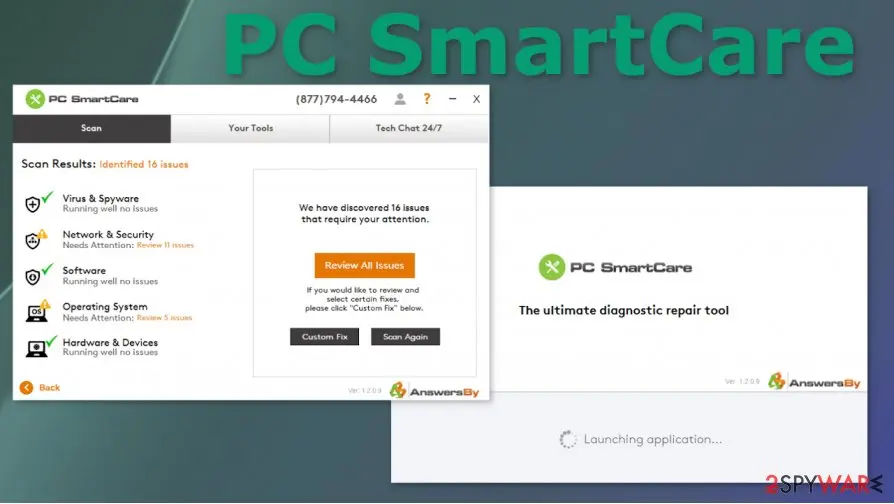
PC SmartCare is the PUP that tries to trick people into installing or even purchasing a useless system tool that should provide various functions. Instead of being the program that checks for viruses, spyware, and other issues, this tool shows false PUP detections and offers to use the paid version to remove them.
Facts checked October 6, 2026. Removal steps tested on Windows 11 (26H2) and checked against Microsoft's and the browser makers' current documentation. Sections marked as our earlier report are the original text: they describe the threat as it was then and have not been reviewed since. The 2026 status, the removal steps and the questions are current.
Automatic
Get a free scan and check if your PC is infected.
Fortect finds malware, unwanted programs and the Windows damage they leave behind, and repairs it in one pass.
Programs like PC SmartCare usually arrive in groups; a free scan lists the companions that are easy to miss.
Do it yourself · free Remove PC SmartCare yourself 5 steps, about 15 minutes, no software needed.
Start the steps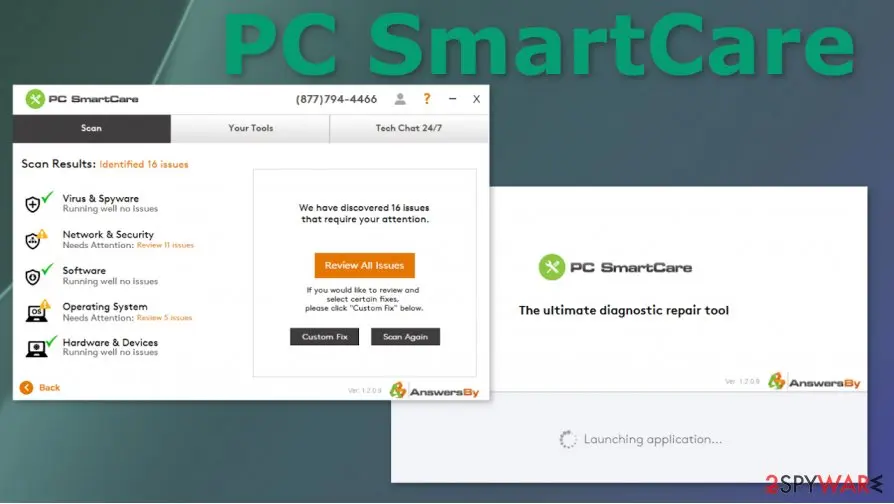
PC SmartCare: summary
| Distribution | Such programs mainly get distributed via official sites, promotional ads, pages that offer to download tools and system applications. Sometimes other PUPs can trigger the direct installation of the app, or it comes as a pre-bundled program |
|---|---|
| Name | PC SmartCare |
| Type | Rogue system tool |
| Issues | The program can expose users to dangerous online content and trigger other system issues, alter registry, or program settings to keep running on the system. It is the tool that is related to third-party activities, so data tracking[2] and other activities can lead to privacy issues |
| Developers | AnswersBy |
| Tactics | Claims about useful features trick people into allowing the system scan. This check results in a pre-determined issue display, so the paid version of the PUP gets promoted, and people possibly fall for these false claims |
| Removal | Scan the PC with security software to find and remove the malware and anything installed with it. Fortect scans Windows for malware and repairs the system files and settings it damaged. Remove it nowTo use the full-featured product, you have to purchase a license for Fortect. The scan is free. |
Show 7 more facts
| Detection names | No Microsoft detection name is known |
|---|---|
| Damage | Not recorded in the old report |
| Symptoms | An unknown program in Installed apps |
| Evidence | 4 write-ups by security sites; details still limited |
| Program | PC SmartCare |
| First seen | 13 October 2020 |
| Facts checked | 6 October 2026 |
Is PC SmartCare a real security program?
From our report of Oct 2020 · not reviewed since
PC SmartCare is a computer program that creates issues with false detections and shady tool promotions
PC SmartCare is the PUP that tries to trick people into installing or even purchasing a useless system tool that should provide various functions.
Instead of being the program that checks for viruses, spyware, and other issues, this tool shows false PUP detections and offers to use the paid version to remove them. Developers claim that this application can find hardware, OS, virus, software, security, and network issues for you and fix them. The potentially unwanted program is not really checking for threats or finding solutions to boost the system performance.
It shows that scan on the machine, but results that get reported are pre-determined to trick people into paying for the licensed version. The paid version is also useless, and this application can be recognized as a PUP or PUA for this reason. Those scan results are not representing any real problems.
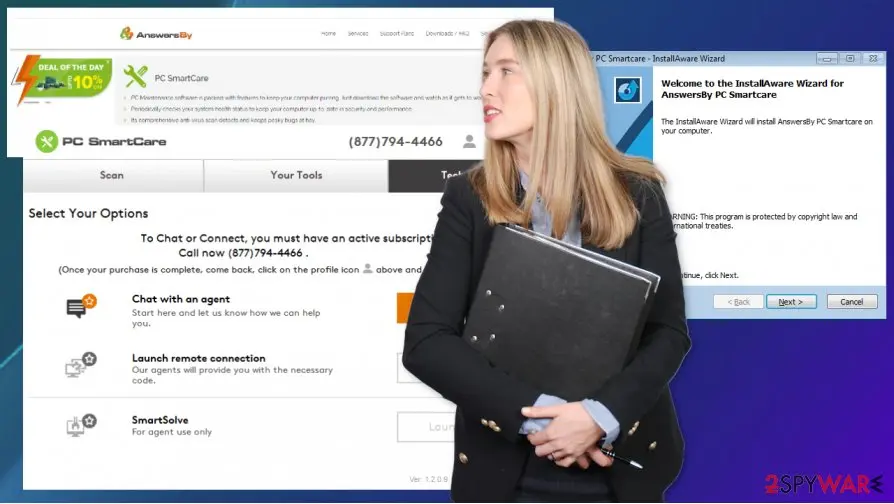
PC SmartCare is the tool that should provide checks and offer solutions for the detected issues, but this program is not checking for viruses or hardware, software issues. It categorizes as PUP because it uses deceiving methods and distributes the program by installing the tool secretly - via software bundles.
PC SmartCare might be related to adware or third-party programs, advertisers, so there are other symptoms that you need to take care of. This is the program that can also trigger issues with your time online by:
Even though this is a potentially unwanted program, not a PC SmartCare virus, people still question how dangerous it can become. Experts state that there are issues that PUP can create in time, so you shouldn't take this too lightly. It is important to delete the rogue tool so it cannot trigger serious damage or load other intruders on the machine.
The best method that can provide wanted results of the PC SmartCare termination - anti-malware tools that check the machine fully and can determine if there really are any malicious or rogue programs installed or not. Antivirus programs or security tools like or can indicate issues with such applications and terminate them without causing damage.
When it comes to virus damage and corrupted parts of the machine, you also need to terminate issues that PC SmartCare triggers by entering the system. It manages to edit registries, files in system folders, other settings. These parts of the computer can get damaged if not handled properly. Rely on and fix the damage.
It might seem difficult to remove PC SmartCare because the program, in most cases, is not present on the system. It manages to claim that it scans the system for you while it is not even checking the device of yours. This is misleading and deceiving, so you shouldn't believe those claims.
However, some people still fall for the trick and install the program without even realizing what the program is in the first place. This is how you get the intruder on your system and need to perform the proper PC SmartCare removal when it manages to affect more functions.
- showing ads;
- changing settings, preferences;
- installing other tools, browser-based apps;
- showing third-party content.
From our report of Oct 2020 · not reviewed since
PUP comes alongside the installation of other programs
Software bundling is the most common way to spread these unwanted applications because freeware installations get skipped through most often bu users.
It takes less time to go for recommended or quick software installs, but it comes with disadvantages.
So you should always rely on Advanced or Custom options and trust only reliable, official sources, so there are no risks of getting malicious tools installed additionally. Hijackers, adware, other PUPs can come during these processes, so your machine significantly suffers from infections. Pay attention to details, avoid shady online ads, and make sure to keep the machine virus-free.
From our report of Oct 2020 · not reviewed since
Clear any programs that claim to be useful forget about shady PC SmartCare virus promotions
There might be many issues that this program triggers, so it becomes difficult to remove PC SmartCare by yourself.
This is why we always recommend getting a proper anti-malware or security tool for PUP elimination. There are various applications that can get installed alongside this rogue tool.
So make sure to perform the proper PC SmartCare removal and go through the system scan results a few times, so all issues get checked and repaired. For the direct system repair and virus damage fix, you can rely on PC repair tools or real optimizers, not the rogue or deceptive ones.
From our report of Oct 2020 · not reviewed since
More from our earlier report on PC SmartCare
- You need to remove PC SmartCare with a proper anti-malware tool that finds the intruder and associated files or programs
- You should repair the registry and other parts of the system that this PUA might affect behind your back.
How to remove PC SmartCare
Nothing it reports is real.
These steps remove it and undo a payment if you made one.
Step 1: Do not pay, and undo a payment if you made one
PC SmartCare reports problems to sell a licence: the "threats" or "errors" it lists are invented or harmless leftovers. If you already paid, ask your card issuer to dispute the charge and cancel the subscription both in the seller's account and through your bank.
If you called a phone number it showed and let someone connect, treat the PC as remotely accessed and remove the remote tool. Uninstalling it from Windows 11 or Windows 10 does not cancel a subscription by itself.
Full procedure with screenshots: What to do after paying a scammer
Step 2: Uninstall PC SmartCare
Open Settings > Apps > Installed apps in Windows 11, or Settings > Apps > Apps & features in Windows 10. Sort the list by install date and find PC SmartCare, then choose Uninstall from the three-dot menu next to it (in Windows 10, click the entry and then Uninstall).
Remove anything else installed on the same day that you do not recognise, because such programs usually arrive together in one installer. If the uninstaller opens a browser page with an offer or a survey, close it: the program is removed either way.
Full procedure with screenshots: Uninstall a program or app in Windows On uGetFix
Step 3: Remove it from startup
Whatever PC SmartCare installed usually starts with Windows. Open Task Manager with Ctrl + Shift + Esc, go to Startup apps in Windows 11 or the Startup tab in Windows 10, and disable what you do not know, starting with entries that have an empty Publisher column.
Open file location on the right-click menu shows the file, which helps you decide and tells you what to delete later. Disabling is safe: if something you need stops working, switch it back on.
Full procedure with screenshots: Stop apps from opening at startup On uGetFix
Step 4: Delete the folders left behind
What the uninstaller leaves behind is usually in the user folders. Open File Explorer, switch on View > Show > Hidden items (in Windows 10 View > Hidden items), and go through
%LocalAppData%,%AppData%, %ProgramData% and the two Program Files folders.Sort by Date modified and delete folders that appeared together with the problem and belong to no program you use. Folders with random names that hold
.exe,.dll, .js or .ps1 files are the strongest sign.Full procedure with screenshots: Remove what malware leaves behind in Windows
Step 5: Scan the PC, then run the offline scan
Open Windows Security > Virus & threat protection > Scan options, run a Full scan and remove everything it finds. Then select Microsoft Defender Antivirus (offline scan) and click Scan now: the PC restarts and scans before Windows loads, which finds files that hide while Windows runs.
Save your work first, because the offline scan takes about 15 minutes. Both scans are built into Windows 11 and Windows 10, and a second scanner from another vendor is a useful extra opinion.
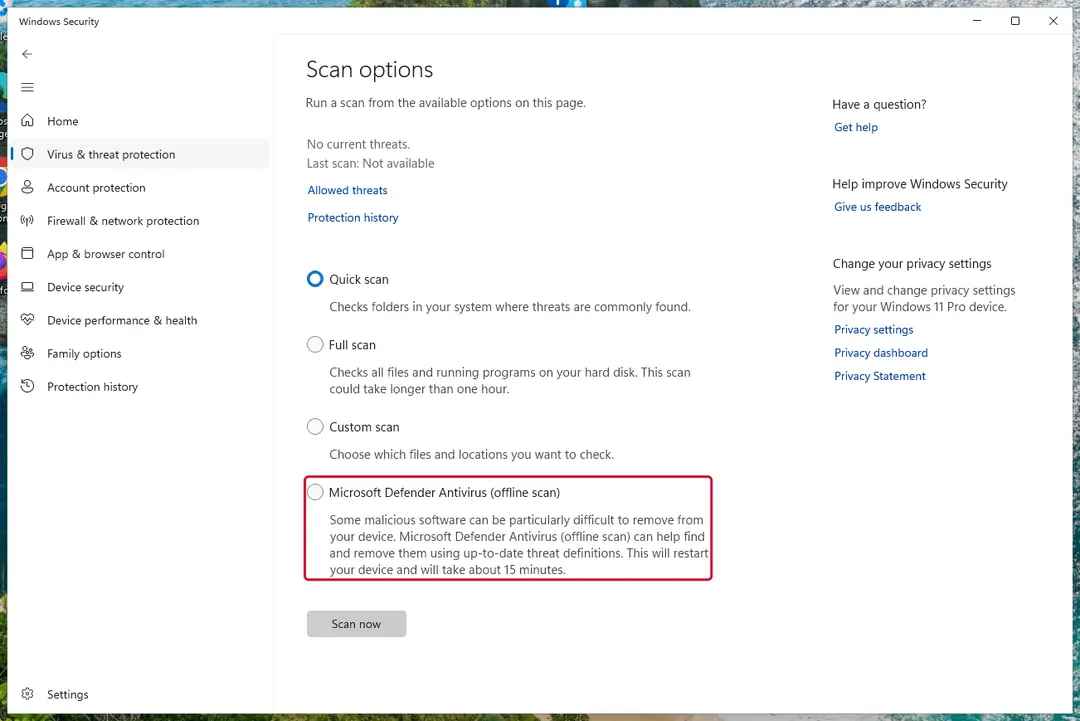
Windows 11: Windows Security > Virus & threat protection > Scan options. Full procedure with screenshots: Run a Microsoft Defender Offline scan
Instructions for each browser and system
The detailed steps for every browser and system this guide covers. Open the one you use.
Uninstall from Windows
Clear the machine from any suspicious programs yourself
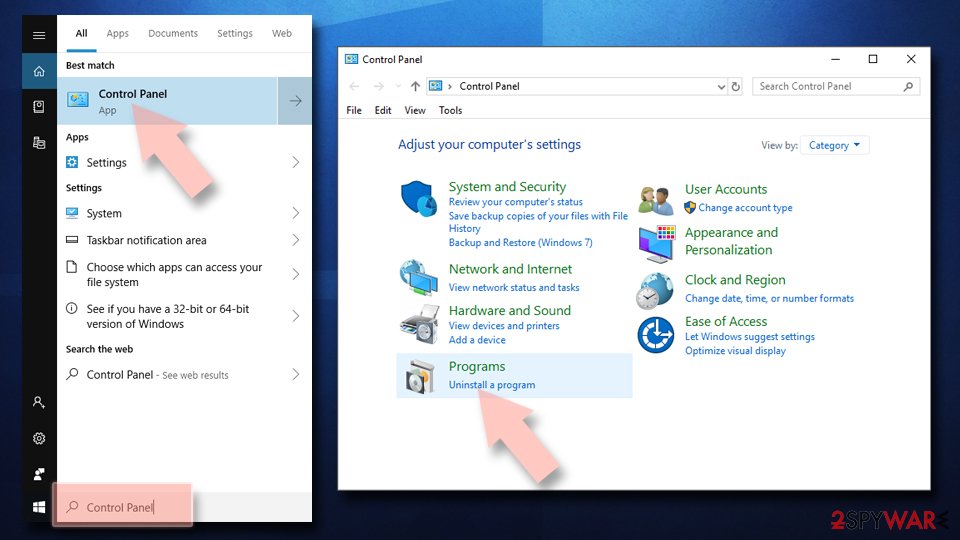
Uninstall from Windows 10/8:
- Type Control Panel into the Windows search box and open the result.
- Under Programs, select Uninstall a program.
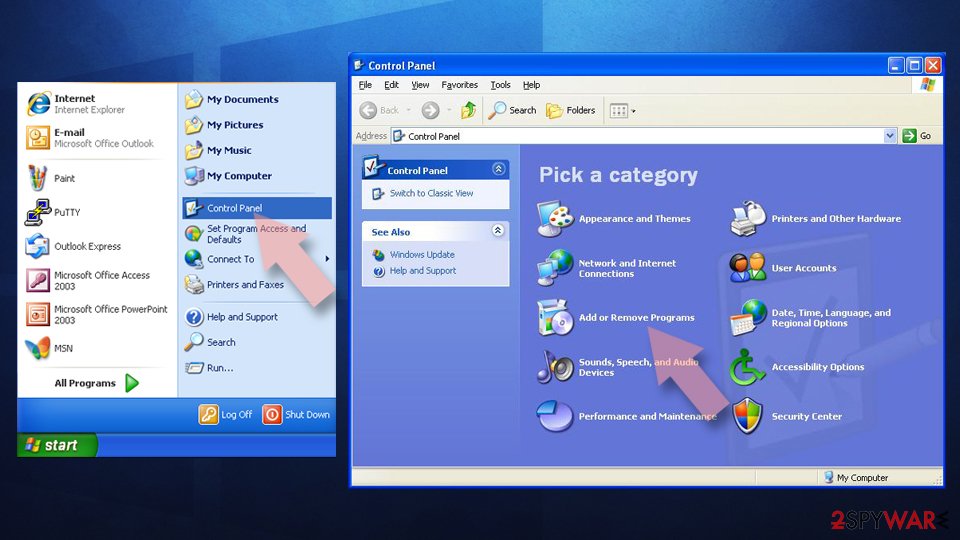
Uninstall from Windows 7/XP:
- Click on Windows Start > Control Panel (Windows XP users should click on Add/Remove Programs).
- In Control Panel, select Programs > Uninstall a program.
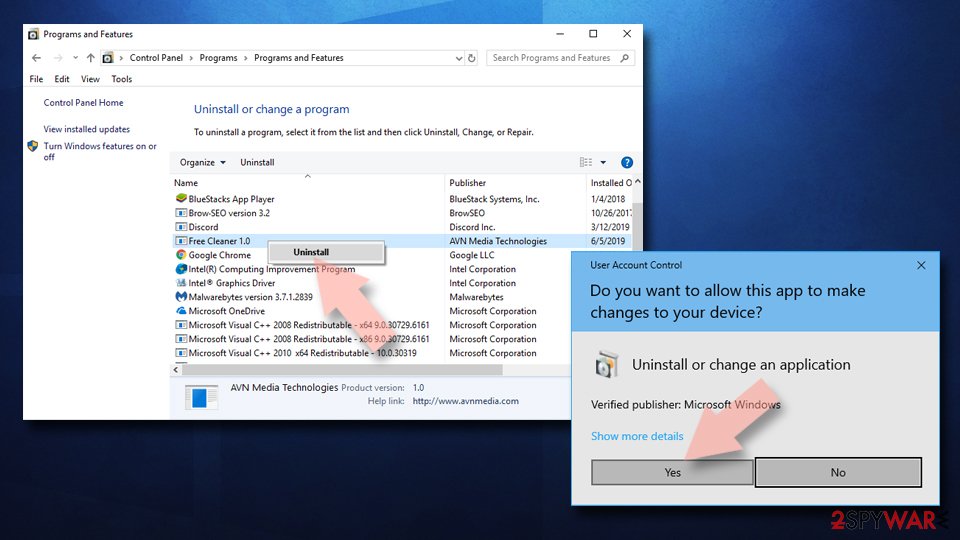
Remove the unwanted program:
- In the Programs and Features window, look for any recently installed suspicious entries, select them, and click Uninstall.
- If User Account Control appears, click Yes to confirm, then complete the removal.
Delete from macOS
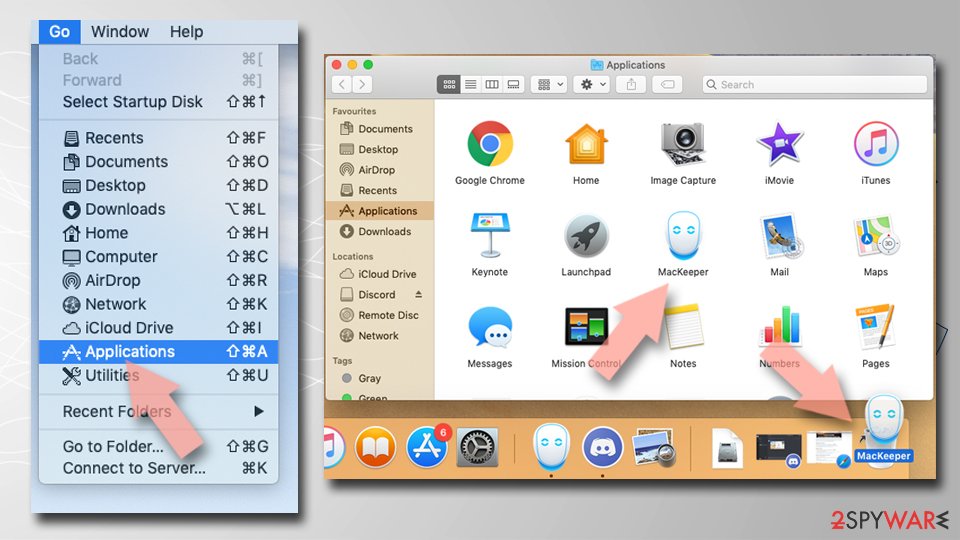
Remove the unwanted application:
- From the menu bar, select Go > Applications.
- In the Applications folder, look for any suspicious entries, then drag them to Trash (or right-click and pick Move to Trash).
Delete leftover files and folders:
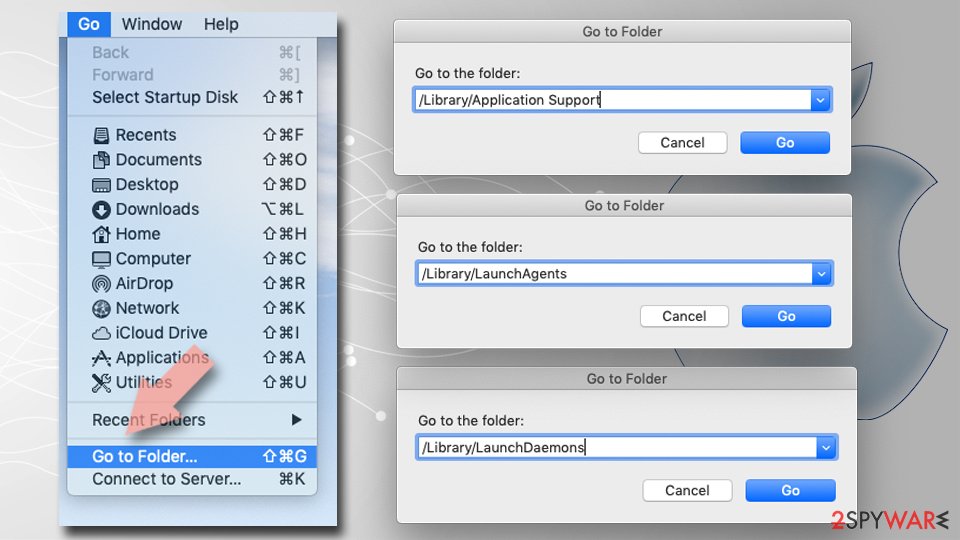
- Select Go > Go to Folder.
- Enter /Library/Application Support and remove any suspicious folders related to the unwanted program.
- Repeat the same check in the /Library/LaunchAgents and /Library/LaunchDaemons folders, deleting any suspicious entries.
- Finally, empty the Trash to permanently remove the leftovers.
Access your website securely from any location
When you work on the domain, site, blog, or different project that requires constant management, content creation, or coding, you may need to connect to the server and content management service more often. The best solution for creating a tighter network could be a dedicated/fixed IP address.
If you make your IP address static and set to your device, you can connect to the CMS from any location and do not create any additional issues for the server or network manager that needs to monitor connections and activities. VPN software providers like can help you with such settings and offer the option to control the online reputation and manage projects easily from any part of the world.
Recover files after data-affecting malware attacks
While much of the data can be accidentally deleted due to various reasons, malware is one of the main culprits that can cause loss of pictures, documents, videos, and other important files.
More serious malware infections lead to significant data loss when your documents, system files, and images get encrypted. In particular, ransomware is is a type of malware that focuses on such functions, so your files become useless without an ability to access them.
Even though there is little to no possibility to recover after file-locking threats, some applications have features for data recovery in the system. In some cases, can also help to recover at least some portion of your data after data-locking virus infection or general cyber infection.
Questions about PC SmartCare
What is PC SmartCare and why is it on my PC?
PC SmartCare is a program that was installed on the PC, most likely together with something else you downloaded. Free software sites and many installers add extra programs on setup pages with pre-ticked boxes, so the extra install looks like your choice even though nobody read the page.
Check the install date in Settings, Apps, Installed apps: the program you installed that day is the probable carrier. If you do not need PC SmartCare, uninstall it. If it belongs to your hardware or to a program you use, search its exact name and publisher first, because drivers and their tools can have unfamiliar names.
How do I stop programs like PC SmartCare from being installed again?
Most unwanted programs arrive through installers, so the fix is in how you install software. Download programs from their official sites or the Microsoft Store, not from download portals or ads above search results. During setup, choose Custom or Advanced installation and untick every extra offer, including browsers, toolbars and optimizers.
Decline update prompts that appear inside other programs unless you know them. In Windows Security, turn on reputation-based protection and potentially unwanted app blocking. These steps would most likely have stopped PC SmartCare before it reached the app list.
I let a technician connect to my PC because of PC SmartCare. Is it safe now?
Not until you check. While connected, the caller could install other programs, create a user account or look at saved passwords. Disconnect from the internet, uninstall the remote access program and anything else installed during the call, and run a full scan and the Microsoft Defender offline scan.
From another device, change your e-mail and banking passwords and turn on two-step verification. If the caller opened your online banking, call the bank today. A reset of Windows is the safest option if you cannot tell what was done.
I entered my card number in PC SmartCare. What should I do?
Call your card issuer using the number on the back of the card, report the purchase as fraud and ask for a new card. Ask them to block further charges from the same merchant. Watch your statements for small test charges, which often come before larger ones.
If you used a password on the order page or the same e-mail for the purchase, change that password and expect phishing e-mails that mention the purchase. Your bank can also tell you whether the merchant is linked to other fraud reports.
How do I know PC SmartCare is fake?
Three things give it away. It appears as PC SmartCare in the list of installed apps, a window from a program rather than from Windows Security. It pushes you to act quickly by calling, paying or downloading.
And the threats it reports never show up when you run a scan in the real Windows Security app. Microsoft does not put phone numbers in warnings or charge for removing threats through pop-ups. Close the window, do not call, and follow the steps to find and uninstall the program behind it.
What is PC SmartCare?
PC SmartCare is fake security software, sometimes called a rogue antivirus or scareware. The program, PC SmartCare, shows invented or exaggerated problems to make you pay for a licence, and some versions send you to phone "support".
It does not protect the PC, and the threats it lists are not a reason to pay. Fake security programs usually arrive through fake virus warnings on websites, extra offers in free installers or ads for faster PCs. Uninstall it and use the free protection built into Windows instead.
Will the seller of PC SmartCare refund me if I ask?
Sometimes, but do not depend on it and do not let them steer the process. If you contact the seller, do it in writing and keep the replies. Never install software, share your screen or give banking details to get a refund.
The more reliable route is your card issuer or PayPal: a chargeback or dispute for a product sold with false claims. If the seller or anyone claiming to represent them calls you first about a refund, treat it as a scam and hang up.
Did PC SmartCare steal my information?
Not by itself, as far as reports show. Programs that display PC SmartCare in the list of installed apps are built to scare people into paying or calling; they rarely take data on their own.
The risk comes from what you did in response: typing card details into the program, or letting a caller connect to your PC. If you did neither, uninstalling the program is enough. If you did either, treat that information as exposed:
- block the card
- change passwords from another device
- remove any remote-access tool that was installed
PC SmartCare has no uninstaller. How do I get rid of it?
Some scareware does not register an uninstaller, or its uninstaller only opens another sales page. In that case, end the program in Task Manager, then go to Task Manager > Startup apps, right-click its entry and choose Open file location to find its folder. Disable the startup entry, restart in Safe Mode and delete the folder.
Check Task Scheduler for tasks with the same name. Finally, run the Microsoft Defender offline scan, which removes remaining files that Microsoft knows about. Restart afterwards and check that nothing named after PC SmartCare starts again.
Will Fortect remove PC SmartCare?
Fortect scans Windows for malware and unwanted programs and repairs the system files and settings they change, and its free scan shows what it finds on your PC before you decide anything.
For PC SmartCare, follow the plan above as well: the browser steps take back permissions and settings that no scanner treats as a threat, and uninstalling the program that brought it removes the source.
Run Microsoft Defender's full scan and, if anything was found, its offline scan as a second opinion. If the symptoms are gone after the plan and both scans are clean, there is nothing more to do.
Sources
- Wikipedia: Potentially unwanted program (read October 6, 2026)
- Kaspersky: How Internet ads work, part 3: tracking users (read October 6, 2026)
- Virusai: Virusai (read October 6, 2026)
- FTC: How to recognize, remove and avoid malware (read October 6, 2026)
- Microsoft Learn: Microsoft Defender Offline (read October 6, 2026)