
s0.2mdn.net ads: what it is and how to remove it
s0.2mdn.net is an adware domain that displays unwanted advertisements and redirects users through DoubleClick-related infrastructure. It modifies browser settings, installs unwanted extensions, and tracks user activity through cookies.
Facts checked October 5, 2026. Removal steps tested on Windows 11 (26H2) and checked against Microsoft's and the browser makers' current documentation. Sections marked as our earlier report are the original text: they describe the threat as it was then and have not been reviewed since. The 2026 status, the removal steps and the questions are current.
Automatic
Get a free scan and check if your PC is infected.
Fortect finds malware, unwanted programs and the Windows damage they leave behind, and repairs it in one pass.
A scan of the PC is a quick way to confirm that nothing installed is behind the s0.2mdn.net redirects.
Do it yourself · free Remove s0.2mdn.net ads yourself 4 steps, about 12 minutes, no software needed.
Start the steps
S0.2mdn.net ads: summary
| Distribution | Freeware installations, bundling technique[2] |
|---|---|
| Name | s0.2mdn.net |
| Type of threat | Adware |
| Tactics | Infects the system to use ad-tracking cookies and monitor your habits online.[1] Collected information helps to target the victim with more personalized commercial pop-ups and banners |
| Affecting | Various OSs and web browsers |
| Related | 2mdn.net domain, Double Click advertisements |
| Removal | Scan the PC with security software to find and remove the malware and anything installed with it. Fortect scans Windows for malware and repairs the system files and settings it damaged. Remove it nowTo use the full-featured product, you have to purchase a license for Fortect. The scan is free. |
Show 10 more facts
| Detection names | No Microsoft detection name is known |
|---|---|
| Damage | Not recorded in the old report |
| Type | Adware extension |
| Symptoms | Redirects to an unknown domain |
| Evidence | 5 write-ups by security sites; details still limited |
| Domains | s0.2mdn.net |
| Ads shown as | Redirects through ad pages |
| Browsers | Chrome, Edge and Firefox |
| First seen | 19 August 2019 |
| Facts checked | 5 October 2026 |
s0.2mdn.net in 2026: what we found
We opened s0.2mdn.net in a clean desktop Chrome browser on 4 October 2026 and clicked nothing. This is one visit from one location: ad pages often behave differently on a second visit, in another country, on a phone or after a click, and many hide from automated browsers, so a quiet result is not proof that the page is clean.
s0.2mdn.net · desktop Chrome · 4 October 2026
- Notification requestNone on this one visit.
- Pop-ups and new tabsNone on this one visit.
- Where it ledIt stayed on
s0.2mdn.net. - Ad networksNone found in the page.
- Page title"s0.2mdn.net (1×1)"
Quiet on one visit The page made no request and sent us nowhere on this visit. That does not clear it: adware often shows nothing at first and sits quietly for a long time. What it showed you earlier may still be in your browser, so check the permissions below.
Is s0.2mdn.net ads dangerous?
s0.2mdn.net: what changed since our report
August 2019
Our first report
We described s0.2mdn.net on 19 August 2019.
October 2026
Our new check
We opened the address again in a clean browser; the results are above.
From our report of Aug 2019 · outdated details corrected in October 2026
s0.2mdn.net is the domain related to Double Click advertising that shows shady material on various devices to create revenue
s0.2mdn.net is the adware program that shows various content on the screen out of nowhere when it infects the targeted machine.
The general performance gets immediately affected because of different background processes that start running once the adware loads on the system. Google Chrome, Mozilla Firefox, Safari, and other browsers all become slower once this PUP installs its components to affect your time online. The user becomes frustrated because the application appears out of nowhere.
s0.2mdn.net virus is categorized as an adware because the primary domain 2mdn.net is used to deliver ad-supported sites as redirects. Online traffic redirecting is the main purpose this potentially unwanted program got developed in the first place. This is the technique used to expose visitors to shady commercial pages and create views that can be monetized later on.
s0.2mdn.net is the program related to advertising services, so the main symptom of the adware is continuous delivery of pop-ups, banners, and other material containing advertisements. Unfortunately, once such material gets clicked, the user immediately gets redirected to domains used for the same advertising purpose.
This is one of many versions related to the same domain, so s0.2mdn.net shouldn't be the only website that you continuously see on the browser. Many users complain about such activity and ask simple questions like "Is 2mdn.net malicious?". We can assure that this potentially unwanted program is not a virus although we or other experts may call it like that.
However, s0.2mdn.net is the adware-type intruder that creates various changes on the machine and replicates itself on the system in various places to ensure the persistence. This PUP can alter Windows registry entries and startup preferences, so the website runs on the browser every time you try to use it.
The process of s0.2mdn.net removal becomes difficult since it has other features that are typical to adware, like installing in-browser content without users permission or knowledge.
Various extensions, add-ons, and plugins appear out of nowhere, and once they get added on the machine, your device becomes even slower than before. So you need to sweep all the related programs and files from the computer to get rid of the PUP completely.
s0.2mdn.net ads can come in various formats and get delivered through shady channels. Other sites like this ad-supported page may be formed in some nonsense three-word link and show scamming material to trick people into browsing the site more further.
Unfortunately, you can get more intrusive programs or even malware when you visit pages like s0.2mdn.net or click on the material delivered by this adware. Also, each click on advertising material like that can lead to exposing your information for those third-party advertisers.
Data tracking and the usage of various ad-tracking cookies should be the reason to think about methods needed to remove s0.2mdn.net immediately.
You should eliminate all files related to this s0.2mdn.net virus and Double Click domains or any other advertising services delivering their material with the help of these adware-type intruders. React to those redirects and install as soon as possible to delete the traces of PUP.
From our report of Aug 2019 · not reviewed since
Downloading freeware without paying attention leads to cyber infections
All the techniques used by malware creators or potentially unwanted program distributors involve secrecy, and the whole infiltration is not noticeable until adware starts its activities.
Downloading free software, tools, or applications from the internet, p2p services, and such networks can lead to installations of apps you don't need.
When you install the freeware and skip through steps of the installation setup, you can automatically agree to unwanted installations without even noticing. Go for Advanced or Custom installation options and de-select unwanted additions from the list. This will guarantee that no intruders would get downloaded automatically without your permission.
Also, make sure to read EULA or Privacy Policy of the website you get tools or programs from, even when the page looks like a legitimate site of the providers and distributors. Do this when you download crucial software like security tools, especially.
From our report of Aug 2019 · not reviewed since
More from our earlier report on s0.2mdn.net
- Use for the s0.2mdn.net removal and system cleaning purposes
Check your browser and PC
- Address:
s0.2mdn.net
How to remove s0.2mdn.net ads
How to remove the s0.2mdn.net extension
Do the browser steps in every browser and profile on the PC, then check Windows for the program that installed the extension.
Step 1: Remove extensions you did not add
In Chrome open
chrome://extensions, in Edgeedge://extensions, and in Firefox the menu > Extensions and themes.Remove every extension you do not remember adding, especially search, new tab, coupon, PDF, weather or video downloader add-ons. Check every browser and every profile, because each keeps its own list.
If an extension has no Remove button or comes back, a browser policy holds it (see "Managed by your organization" in the procedure below). The pages are the same on Windows 11 and Windows 10.
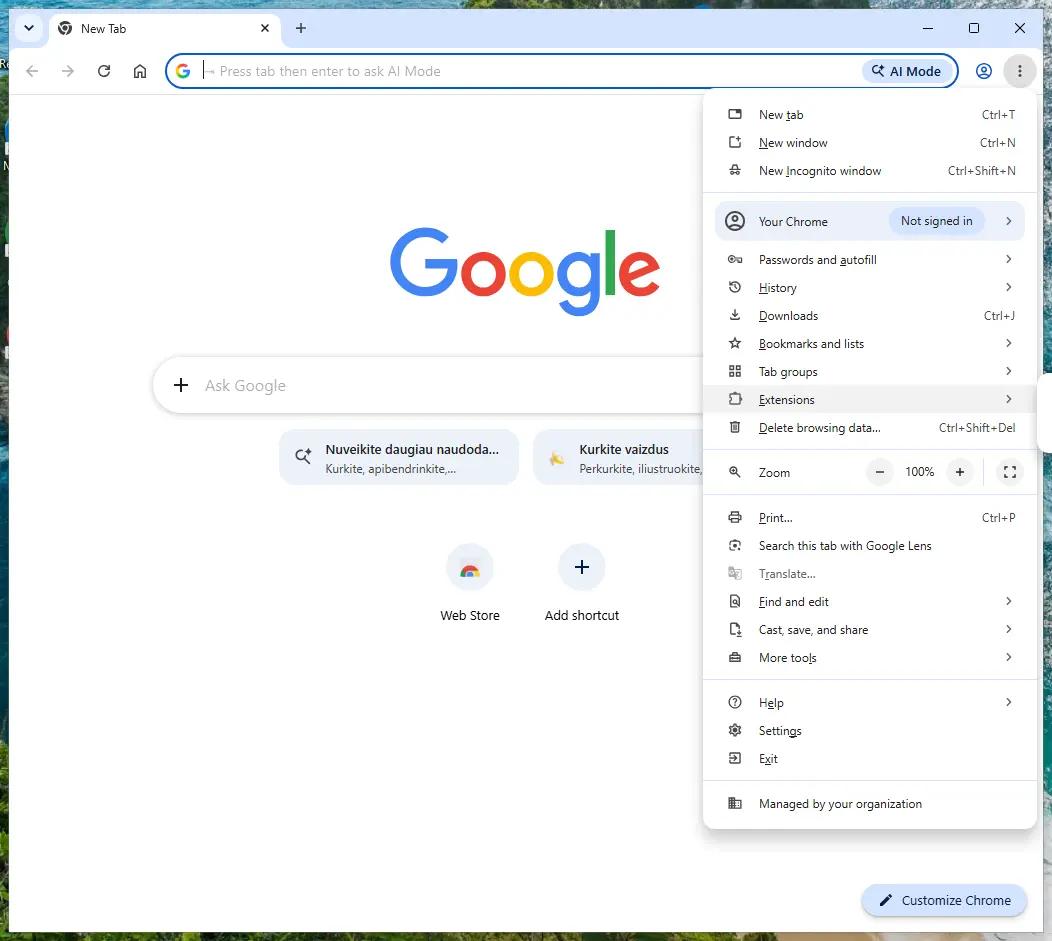
Chrome on Windows 11: More > Extensions > Manage extensions. Full procedure with screenshots: Remove a browser extension
Step 2: Uninstall programs you did not mean to install
S0.2mdn.net rarely comes alone: it is usually installed by, or together with, a free program. In Windows 11 open Settings > Apps > Installed apps, in Windows 10 Settings > Apps > Apps & features, and sort by install date.
Uninstall every entry from the day the trouble began that you did not install on purpose, for example a download manager, a converter or a browser you never chose.
Keep drivers and entries from Microsoft, Intel, AMD, NVIDIA or your PC's maker unless you are sure.
Full procedure with screenshots: Uninstall a program or app in Windows On uGetFix
Step 3: Reset the browser
A reset removes what the steps above could miss:
- changed start pages
- site permissions
- hidden settings
In Chrome open Settings > Reset settings > Restore settings to their original defaults; in Edge Settings > Reset settings; in Firefox Help > More troubleshooting information > Refresh Firefox.
Tip: Bookmarks and saved passwords stay, while extensions are turned off and the search engine and start page return to the defaults.
Reset every browser on the PC, including Edge, which Windows 11 and Windows 10 always have.
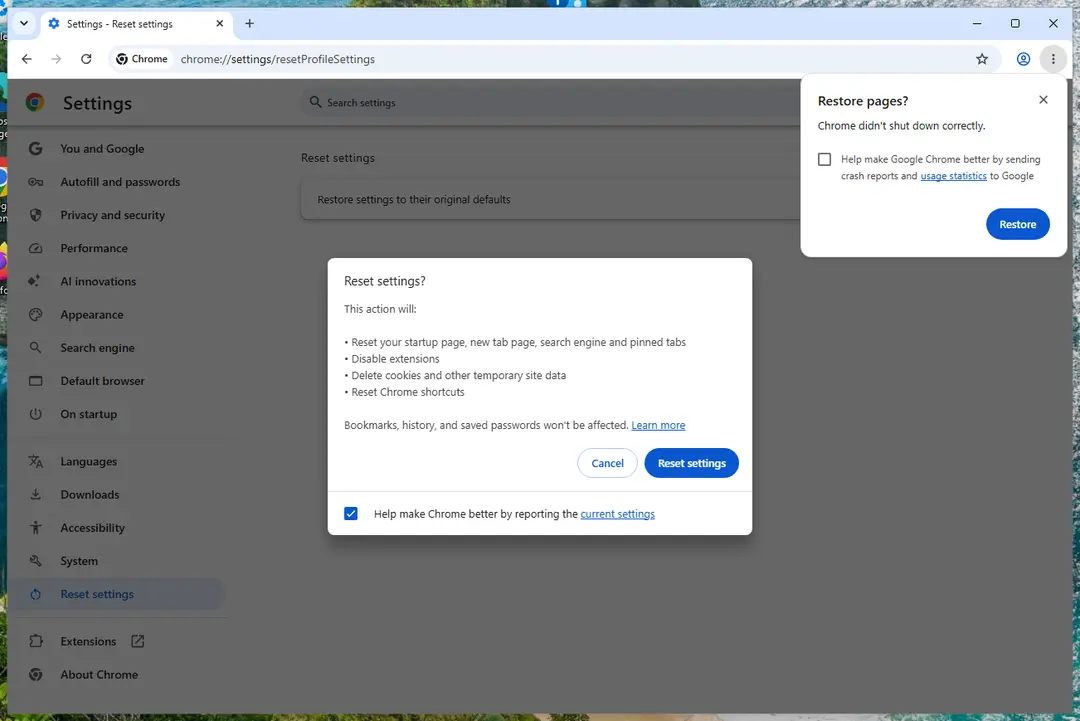
Chrome on Windows 11: Settings > Reset settings. Full procedure with screenshots: Reset a browser and fix a hijacked search engine
Step 4: Scan the PC, then run the offline scan
A scan finds the parts of s0.2mdn.net that the manual steps cannot see. In Windows Security > Virus & threat protection > Scan options, start a Full scan and quarantine what it reports.
Follow it with Microsoft Defender Antivirus (offline scan) > Scan now, which restarts the PC and checks the disk while Windows and the malware are not running.
It takes about 15 minutes and works the same in Windows 11 and Windows 10. If either scan finds something, run the full scan again after removal until it comes back clean.
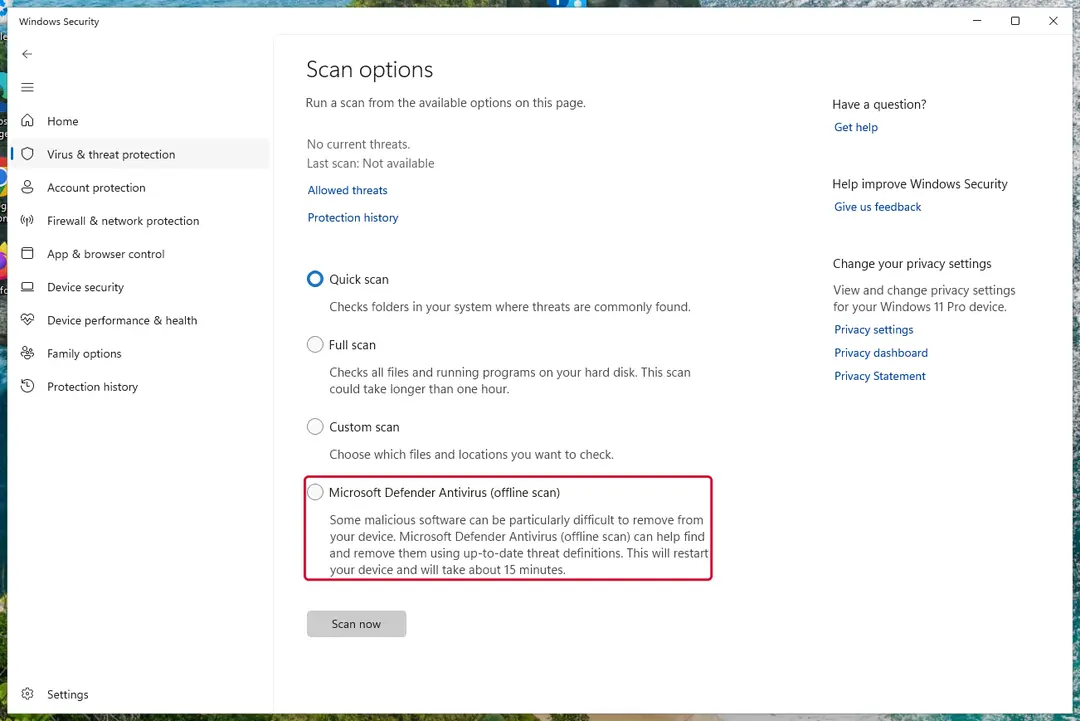
Windows 11: Windows Security > Virus & threat protection > Scan options. Full procedure with screenshots: Run a Microsoft Defender Offline scan
Instructions for each browser and system
The detailed steps for every browser and system this guide covers. Open the one you use.
Uninstall from Windows
Get rid of the intruder that shows all the advertisements and clean the machine with anti-malware tool
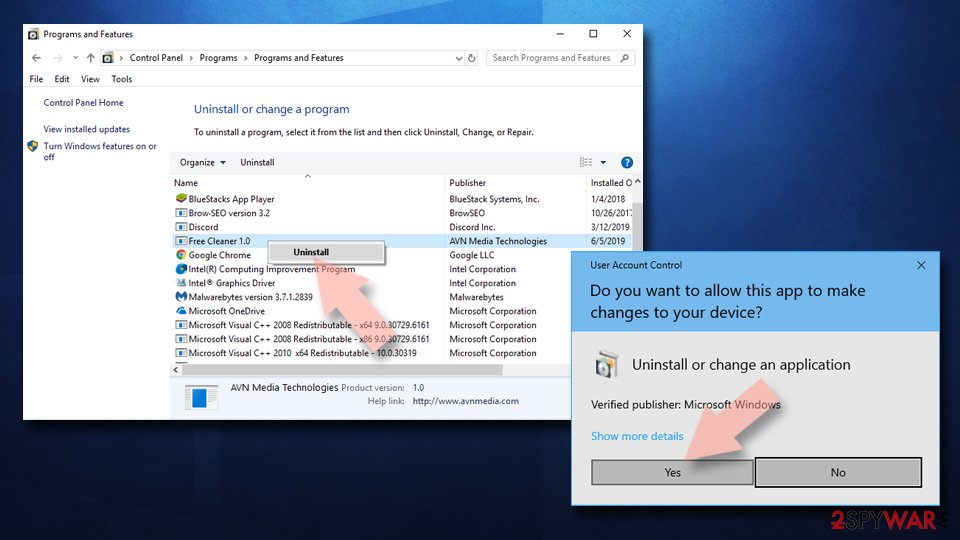
Uninstall from Windows 10/8:
- Type Control Panel into the Windows search box and open the result.
- Under Programs, select Uninstall a program.
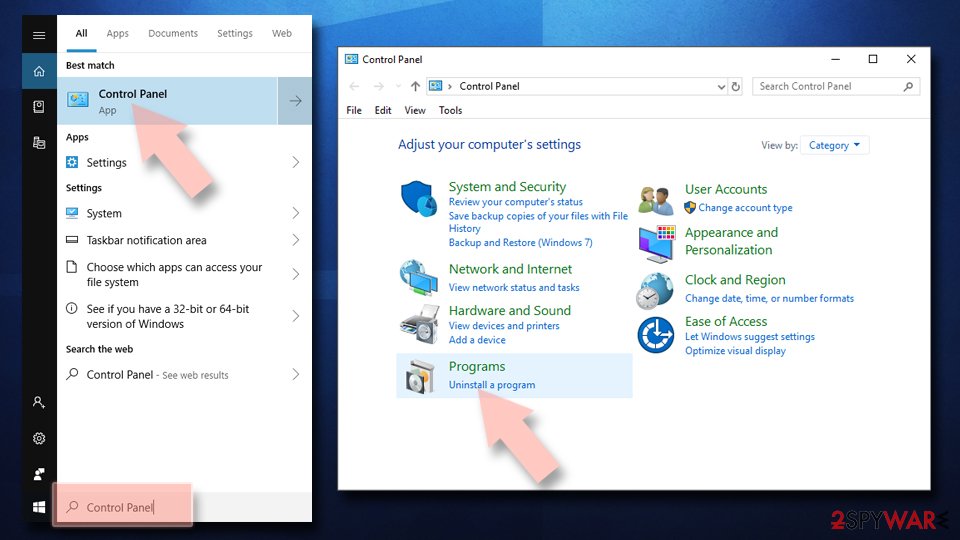
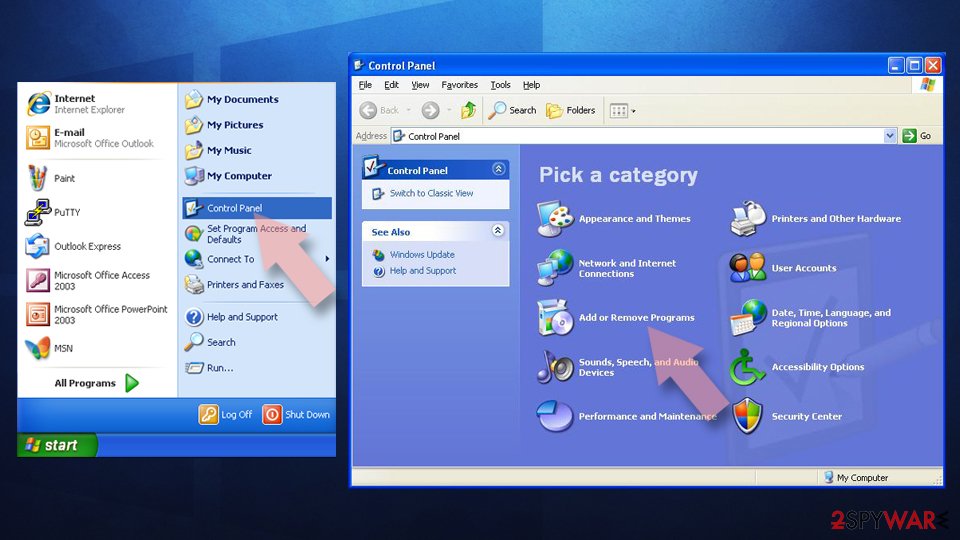
Uninstall from Windows 7/XP:
- Click on Windows Start > Control Panel (Windows XP users should click on Add/Remove Programs).
- In Control Panel, select Programs > Uninstall a program.
Remove the unwanted program:
- In the Programs and Features window, look for any recently installed suspicious entries, select them, and click Uninstall.
- If User Account Control appears, click Yes to confirm, then complete the removal.
Remove from Google Chrome
Set the Google Chrome to default, so all the intrusive activities end
Delete malicious extensions from Google Chrome:
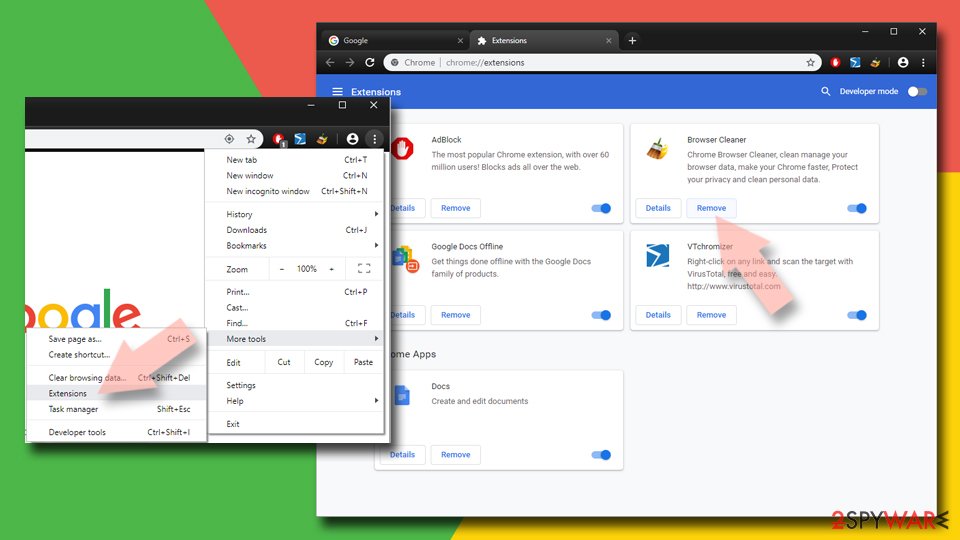
- Open Google Chrome, click on the Menu (three vertical dots at the top-right corner) and select More tools > Extensions.
- In the newly opened window, you will see all the installed extensions. Uninstall all suspicious extensions related to the unwanted program by clicking Remove.
Clear cache and web data from Chrome:
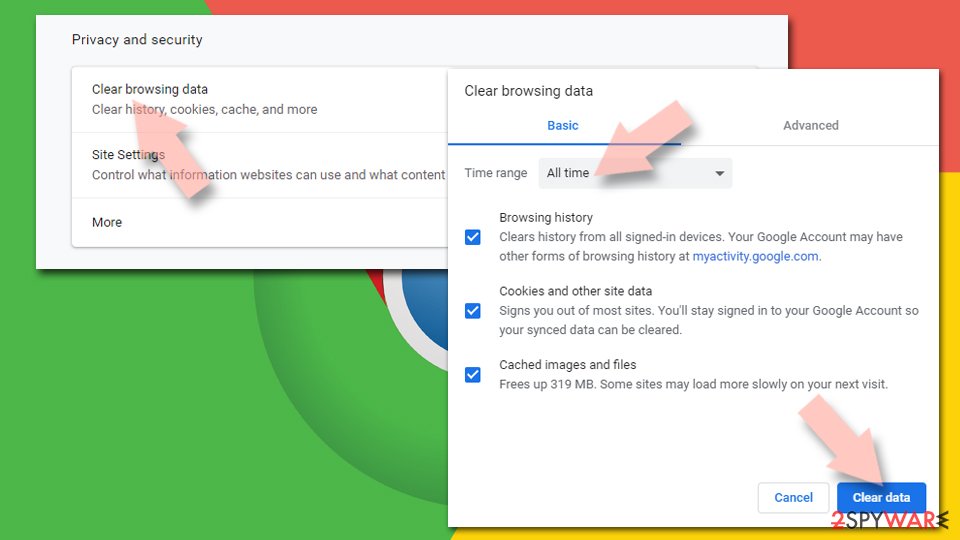
- Click on Menu and pick Settings.
- Under Privacy and security, select Clear browsing data.
- Select Browsing history, Cookies and other site data, as well as Cached images and files.
- Click Clear data.
Change your homepage:
- Click menu and choose Settings.
- Look for a suspicious site in the On startup section.
- Click on Open a specific or set of pages and click on three dots to find the Remove option.
Reset Google Chrome:
If the previous methods did not help you, reset Google Chrome to eliminate all the unwanted components:
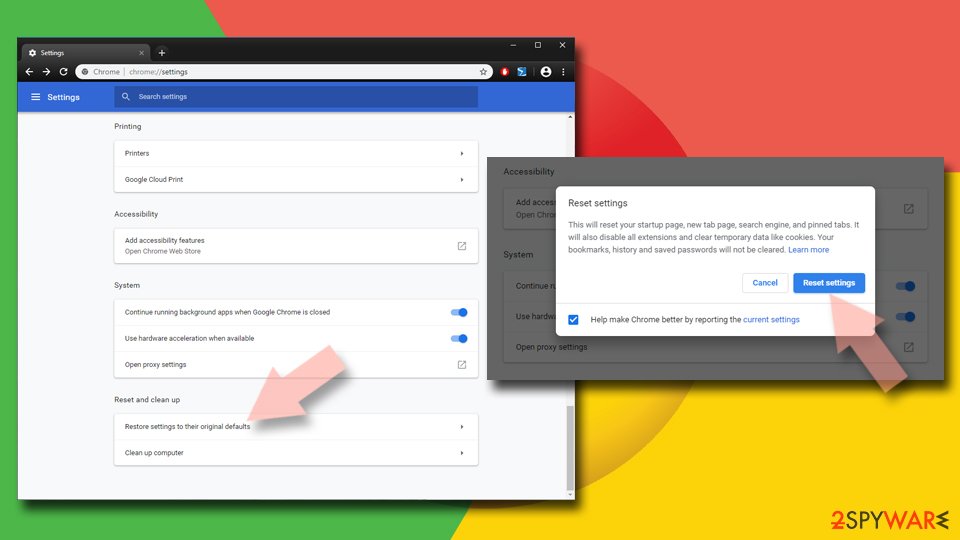
- Click on Menu and select Settings.
- In the Settings, scroll down and click Advanced.
- Scroll down and locate Reset and clean up section.
- Now click Restore settings to their original defaults.
- Confirm with Reset settings.
Remove from Microsoft Edge
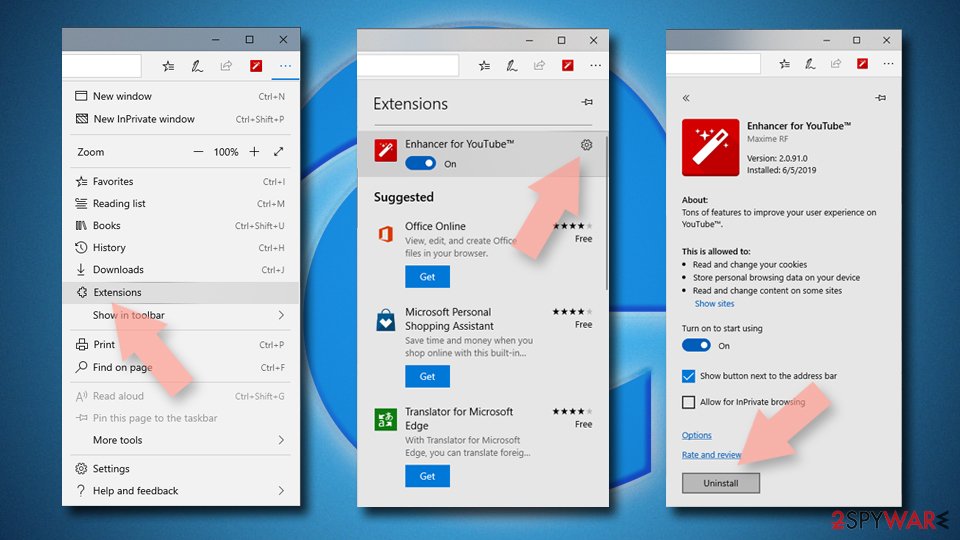
Delete unwanted extensions from MS Edge:
- Select Menu (three horizontal dots at the top-right of the browser window) and pick Extensions.
- From the list, pick the extension and click on the Gear icon.
- Click Remove.
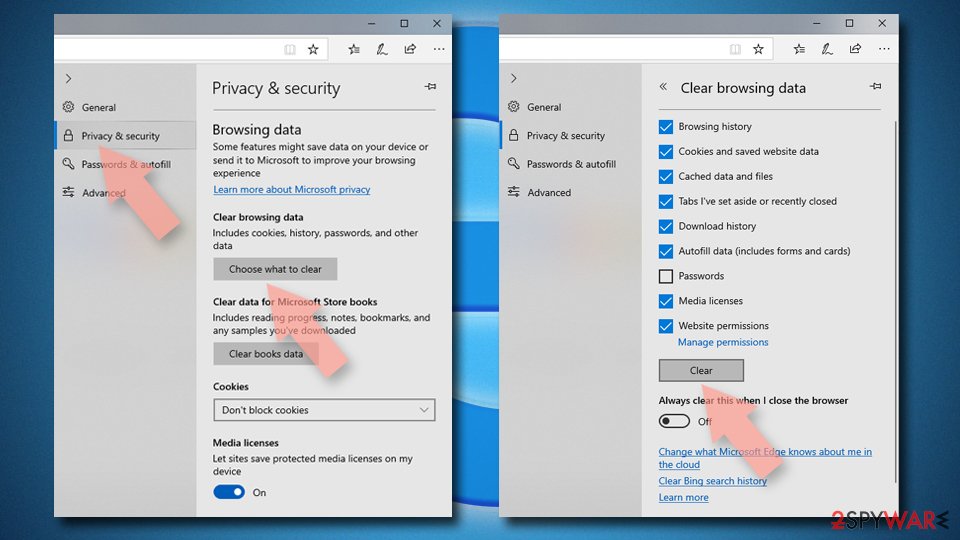
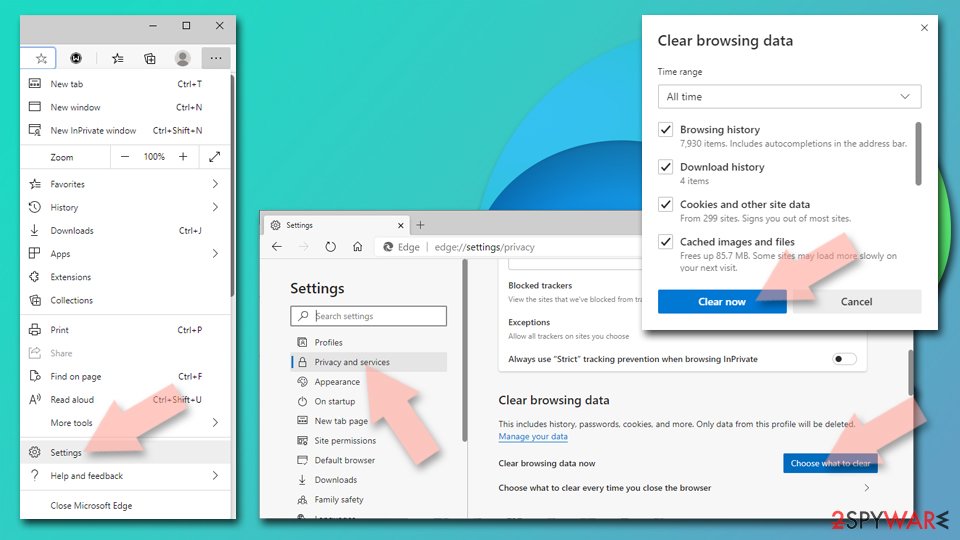
Clear cookies and other browser data:
- Click on the Menu (three horizontal dots at the top-right of the browser window) and select Settings > Privacy, search, and services..
- Under Clear browsing data, pick Choose what to clear.
- Select Cookies and other site data and Cached images and files. (apart from passwords, although you might want to include Media licenses as well, if applicable) and click on Clear.
Restore new tab and homepage settings:
- Click the menu icon and choose Settings.
- Then find On startup section.
- Click Remove next to any suspicious startup page.
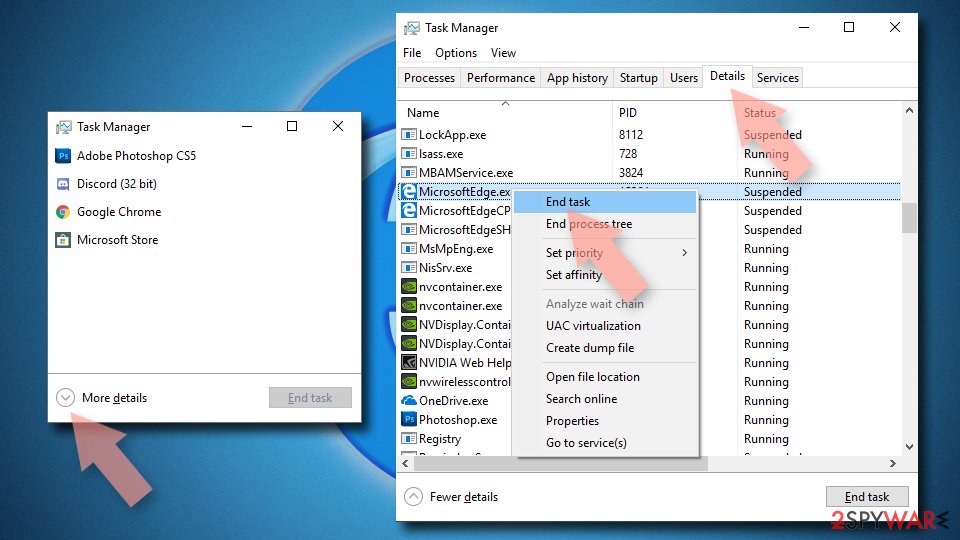
Reset MS Edge if the above steps did not work:
- Press on Ctrl + Shift + Esc to open Task Manager.
- Click on More details arrow at the bottom of the window.
- Select Details tab.
- Now scroll down and locate every entry with Microsoft Edge name in it. Right-click on each of them and select End Task to stop MS Edge from running.
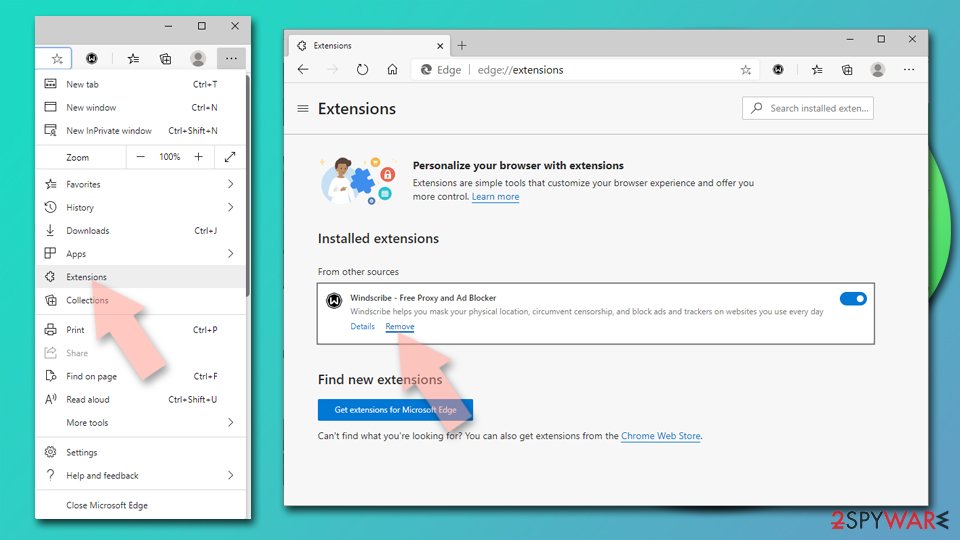
Delete extensions from MS Edge (Chromium):
- Open Edge and click select Settings > Extensions.
- Delete unwanted extensions by clicking Remove.
Clear cache and site data:
- Click on Menu and go to Settings.
- Select Privacy, search and services.
- Under Clear browsing data, pick Choose what to clear.
- Under Time range, pick All time.
- Select Clear now.
Reset Chromium-based MS Edge:
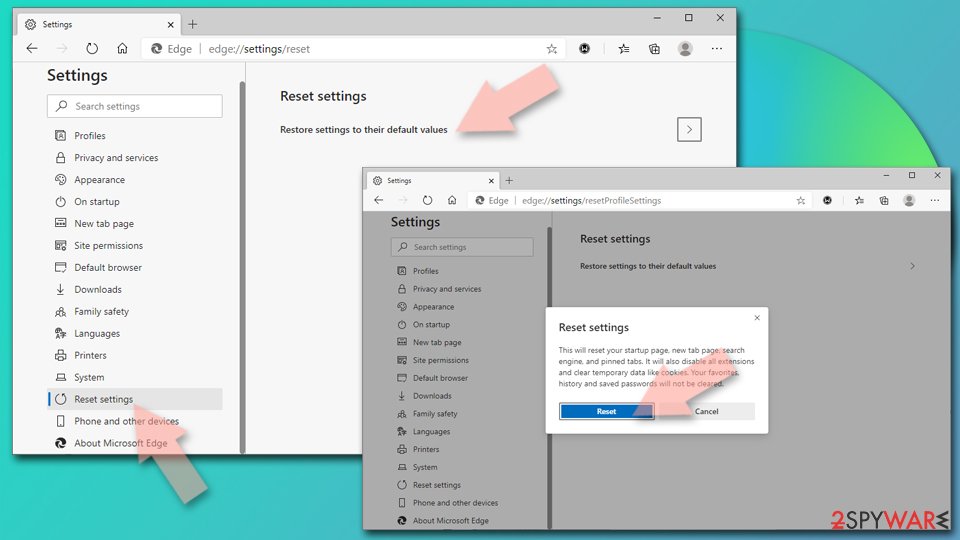
- Click on Menu and select Settings.
- On the left side, pick Reset settings.
- Select Restore settings to their default values.
- Confirm with Reset.
- This will disable extensions and reset startup pages but will not delete bookmarks, saved passwords, or browsing history.
Remove from Mozilla Firefox (FF)
Eliminate s0.2mdn.net and all the traces of this adware from your browser
Remove dangerous extensions:
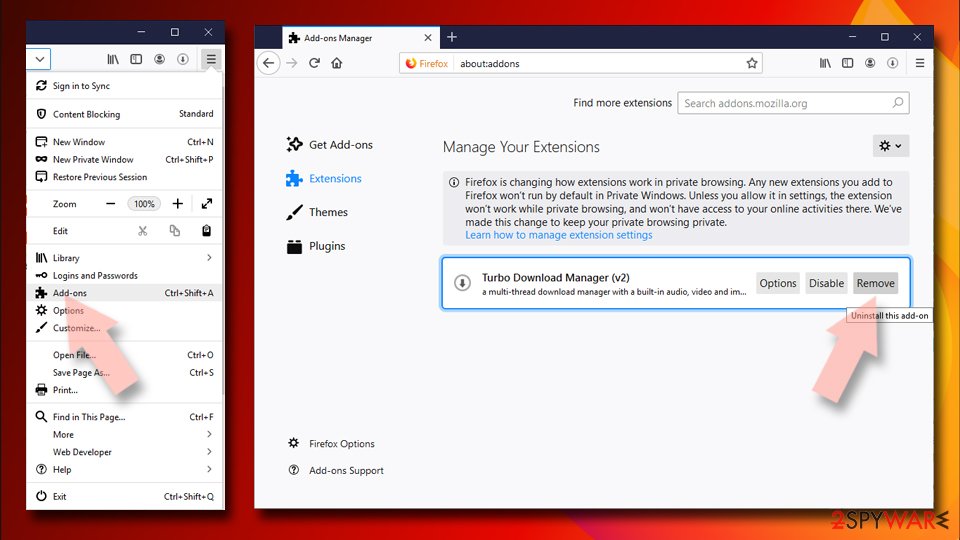
- Open Mozilla Firefox browser and click on the Menu (three horizontal lines at the top-right of the window).
- Select Add-ons.
- In here, select the unwanted extension and click Remove.
Reset the homepage:
- Click three horizontal lines at the top right corner to open the menu.
- Choose Settings.
- Under Home, set your preferred homepage and new tab settings.
Clear cookies and site data:
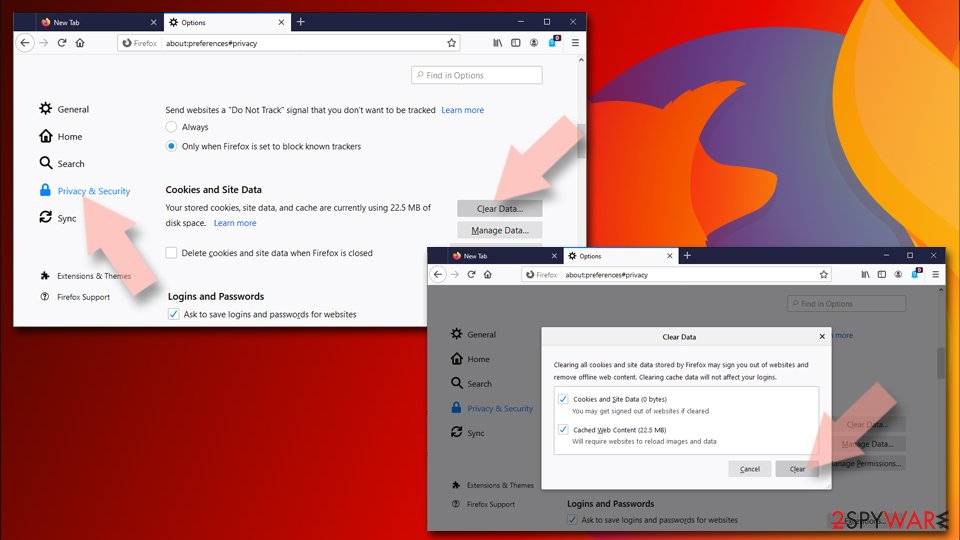
- Click Menu and pick Settings.
- Go to Privacy & Security section.
- Scroll down to locate Cookies and Site Data.
- Click on Clear Data...
- Select Cookies and Site Data and Temporary cached files and pages, then click Clear.
Reset Mozilla Firefox
If clearing the browser as explained above did not help, reset Mozilla Firefox:
- Open Mozilla Firefox browser and click the Menu.
- Go to Help and then choose Troubleshooting Information.
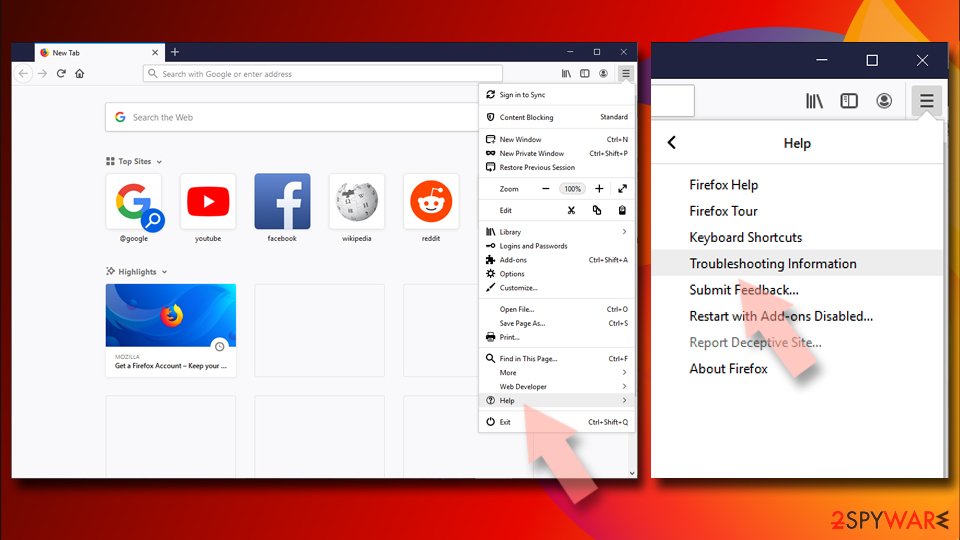
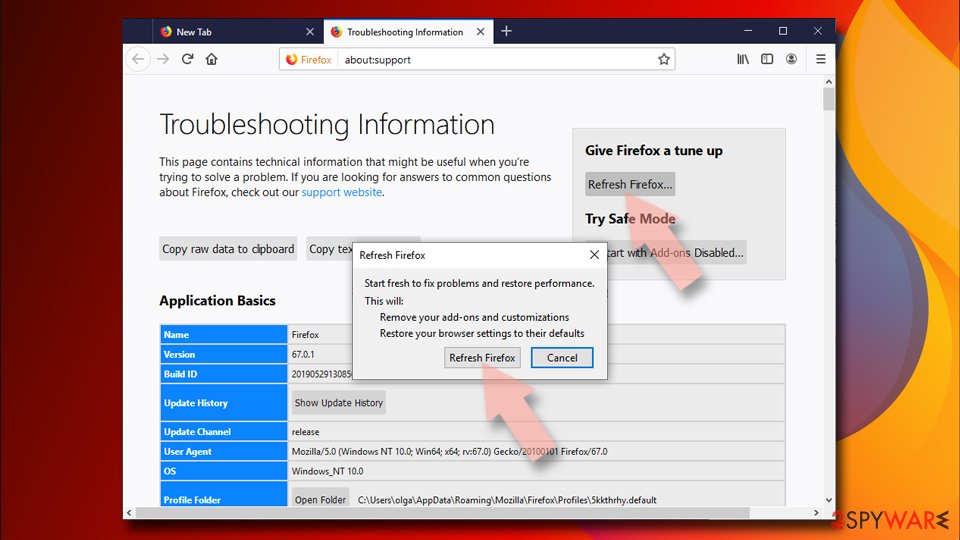
- Under Give Firefox a tune up section, click on Refresh Firefox...
- Once the pop-up shows up, confirm the action by pressing on Refresh Firefox.
Delete from Safari
Remove dangerous extensions:
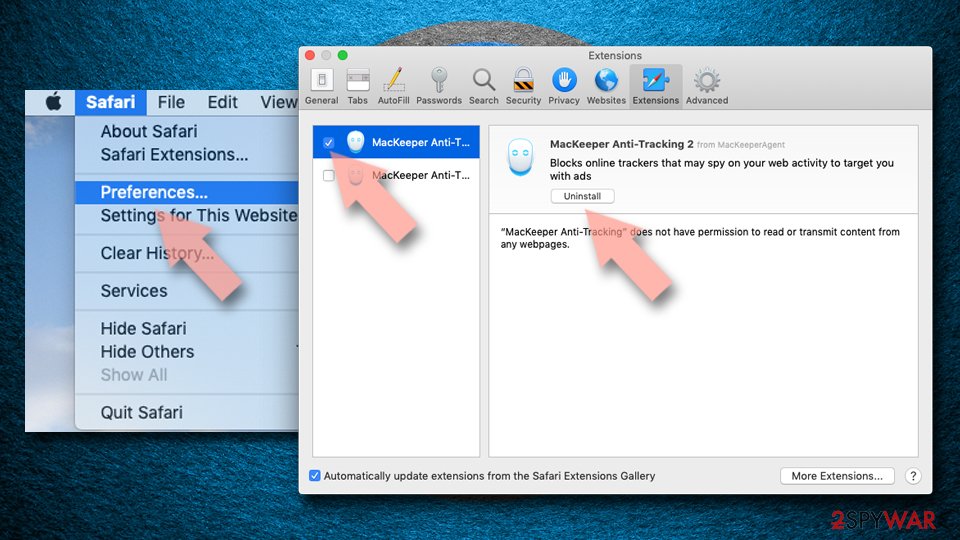
- Open Safari, click Safari in the menu at the top-left of the screen, and select Preferences.
- Go to the Extensions tab, look for any suspicious entries, and click Uninstall to remove them.
Clear history and website data:
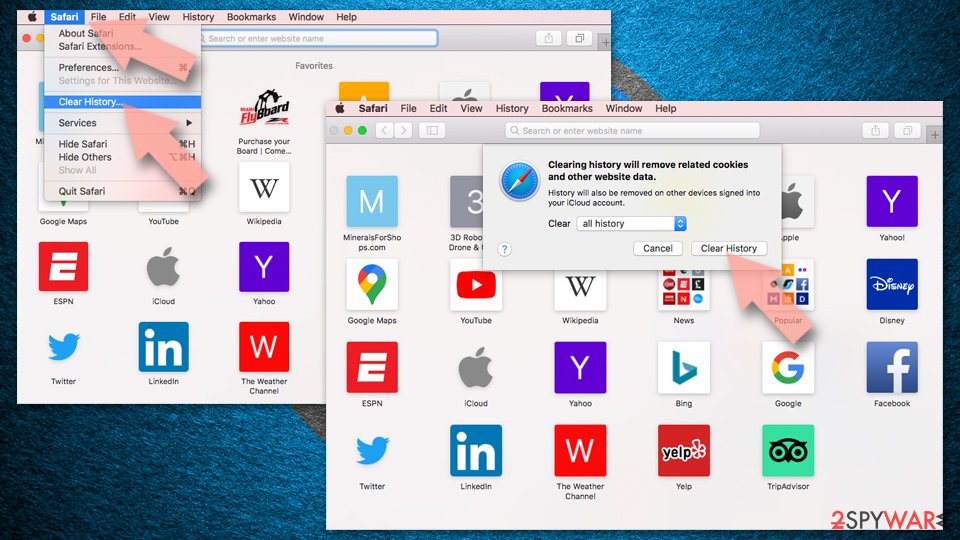
- Click Safari in the menu and pick Clear History.
- Set Clear to all history and confirm with Clear History.
Reset Safari:
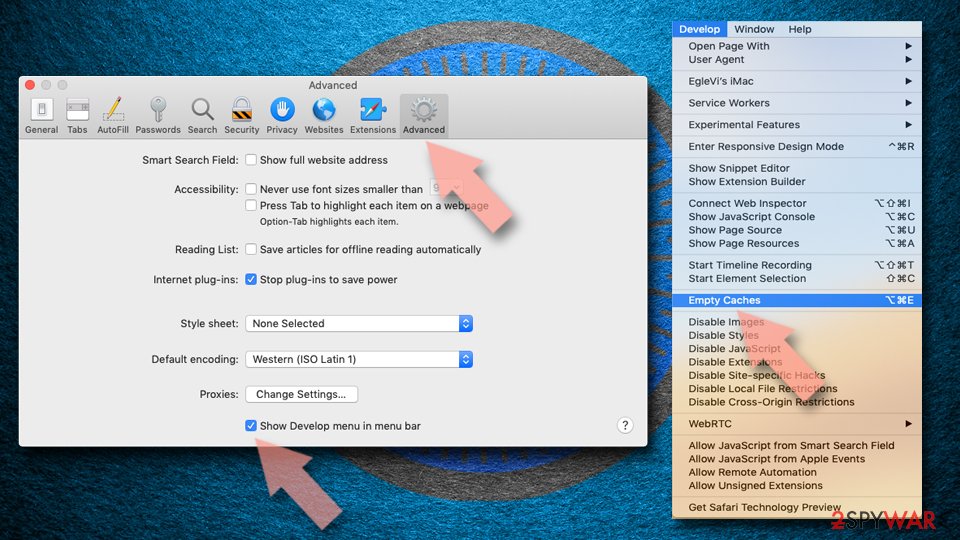
- Click Safari in the menu and select Preferences > Advanced.
- Enable Show Develop menu in menu bar.
- From the menu bar, click Develop and select Empty Caches.
Delete from macOS
Remove the unwanted application:
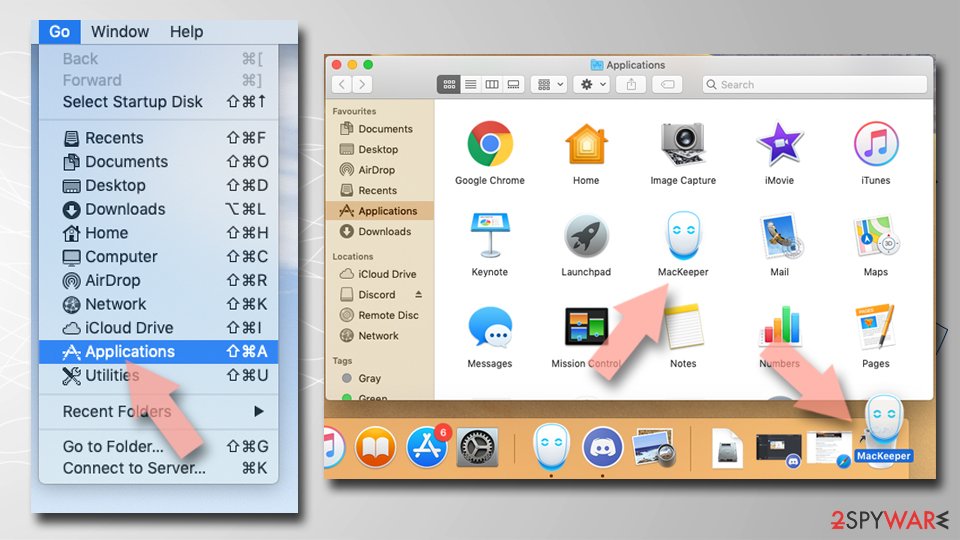
- From the menu bar, select Go > Applications.
- In the Applications folder, look for any suspicious entries, then drag them to Trash (or right-click and pick Move to Trash).
Delete leftover files and folders:
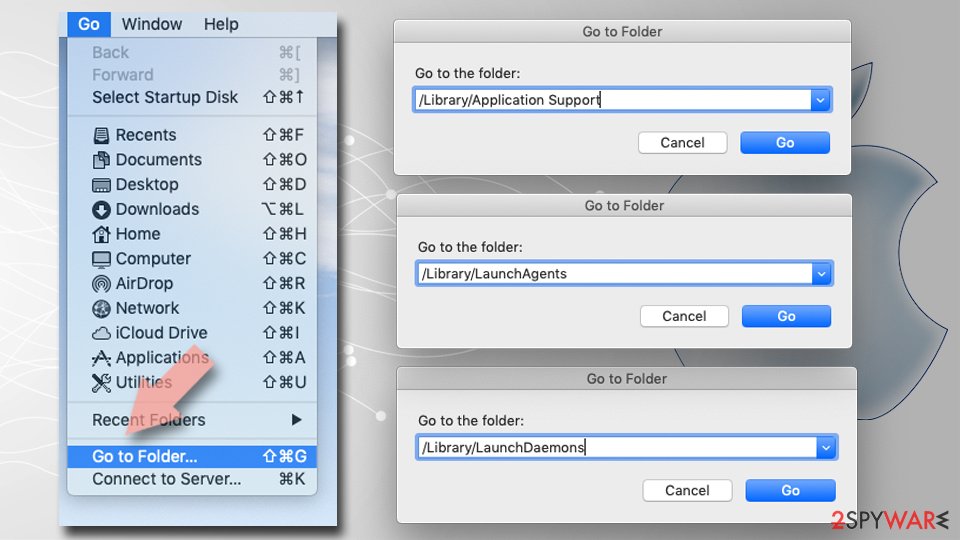
- Select Go > Go to Folder.
- Enter /Library/Application Support and remove any suspicious folders related to the unwanted program.
- Repeat the same check in the /Library/LaunchAgents and /Library/LaunchDaemons folders, deleting any suspicious entries.
- Finally, empty the Trash to permanently remove the leftovers.
Reset Internet Explorer
Remove dangerous add-ons:
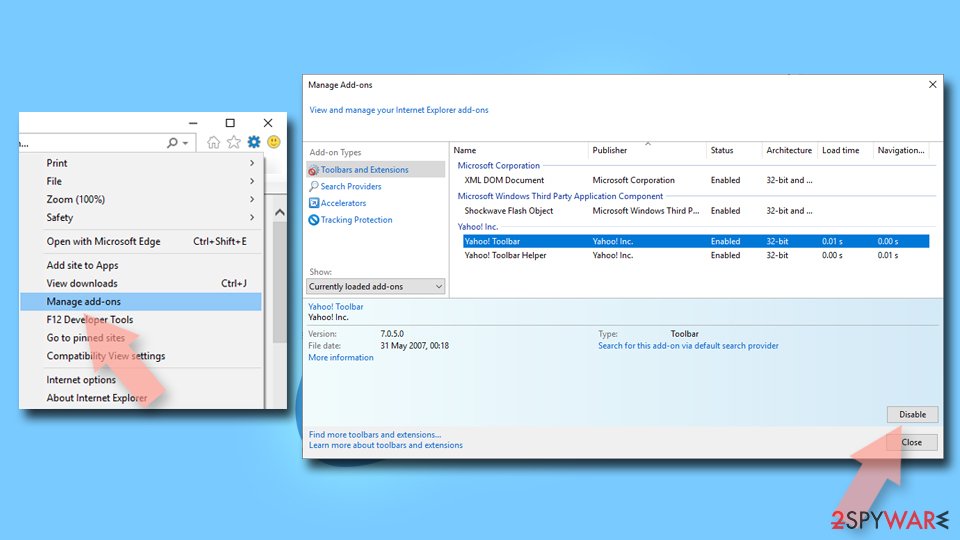
- Open Internet Explorer, click on the Gear icon (IE menu) on the top-right corner of the browser
- Pick Manage Add-ons.
- You will see a Manage Add-ons window. Here, look for suspicious plugins. Click on these entries and select Disable.
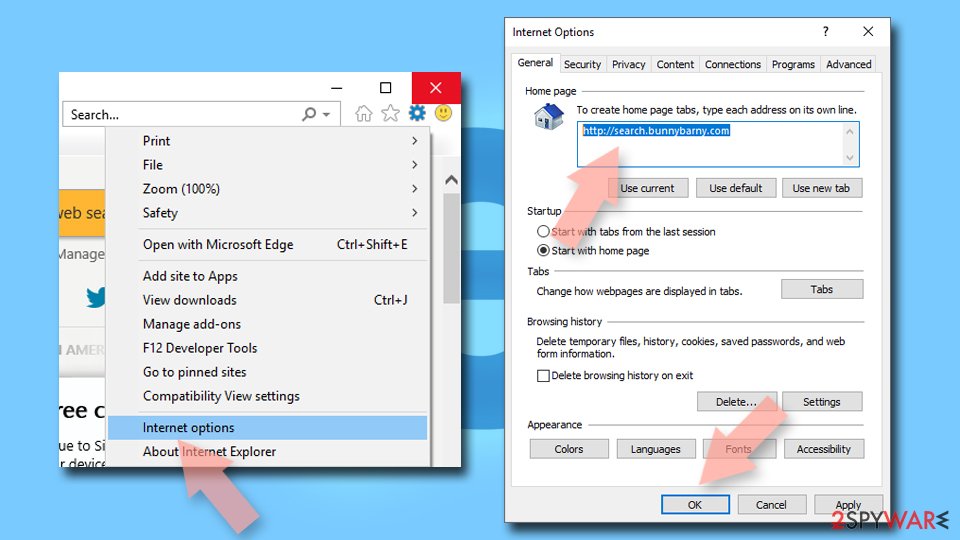
Change your homepage if it was altered:
- Open IE and click on the Gear icon.
- Select Internet Options.
- In the General tab, delete the Home page address and replace it by your preferred one (for example, Google.com).
- Click Apply and then select OK.
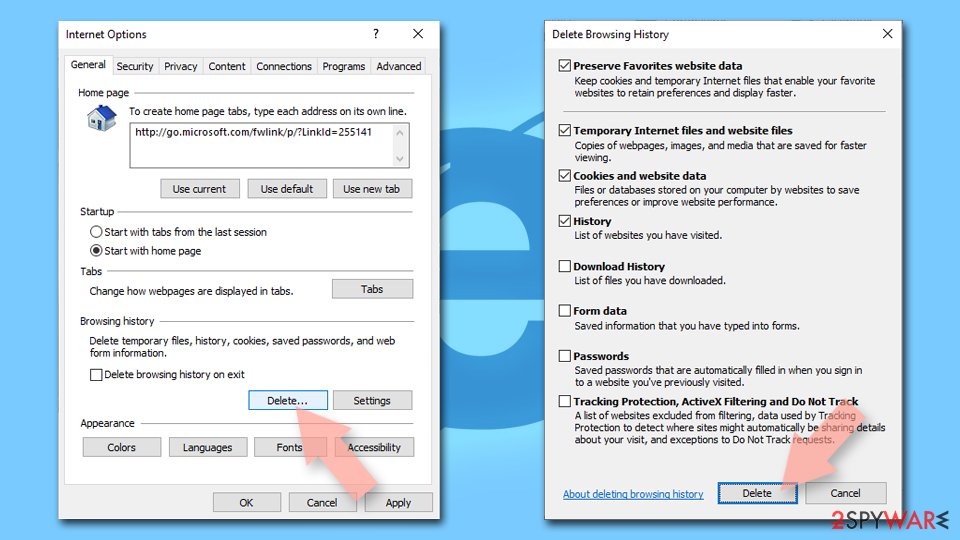
Delete temporary files:
- Press on the Gear icon and select Internet Options.
- Under Browsing history, click Delete...
- Select relevant fields and press Delete.
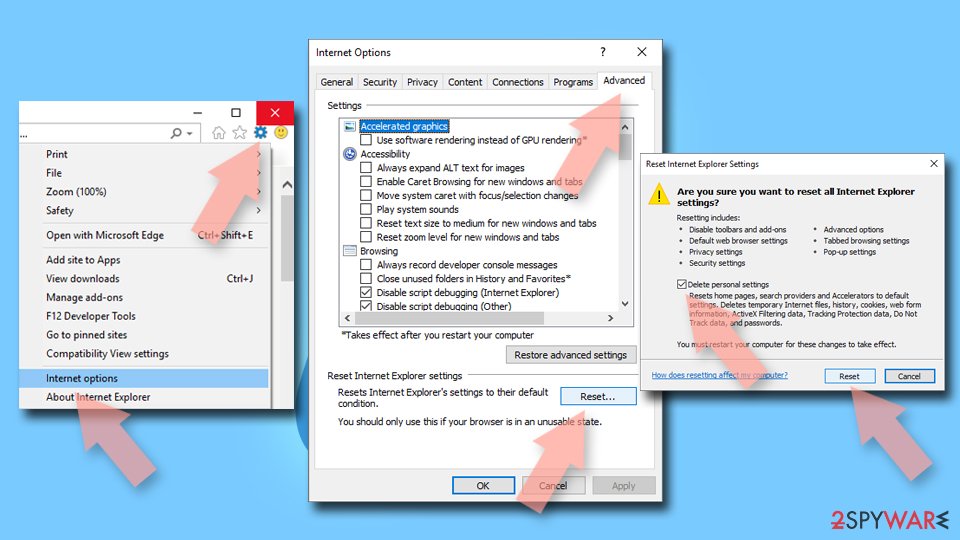
Reset Internet Explorer:
- Click on Gear icon > Internet options and select Advanced tab.
- Select Reset.
- In the new window, check Delete personal settings and select Reset.
Access your website securely from any location
When you work on the domain, site, blog, or different project that requires constant management, content creation, or coding, you may need to connect to the server and content management service more often. The best solution for creating a tighter network could be a dedicated/fixed IP address.
If you make your IP address static and set to your device, you can connect to the CMS from any location and do not create any additional issues for the server or network manager that needs to monitor connections and activities. VPN software providers like can help you with such settings and offer the option to control the online reputation and manage projects easily from any part of the world.
Recover files after data-affecting malware attacks
While much of the data can be accidentally deleted due to various reasons, malware is one of the main culprits that can cause loss of pictures, documents, videos, and other important files.
More serious malware infections lead to significant data loss when your documents, system files, and images get encrypted. In particular, ransomware is is a type of malware that focuses on such functions, so your files become useless without an ability to access them.
Even though there is little to no possibility to recover after file-locking threats, some applications have features for data recovery in the system. In some cases, can also help to recover at least some portion of your data after data-locking virus infection or general cyber infection.
From our report of Aug 2019 · not reviewed since
s0.2mdn.net virus may reinstall itself, so get professional anti-malware for the elimination
s0.2mdn.net removal requires more attention, but the automatic method ensures that all the related programs or files get terminated during a general system cleaning.
If you choose this method of the potentially unwanted program elimination, you need to get professional tools designed to fight malware and shady programs.
Anti-malware tools can eliminate traces of other malware, files that are useless, shady programs and remove s0.2mdn.net itself completely from the machine. Although you ignore such advertisements, pop-ups, and banners, clicking on them can install other material without your knowledge.
Since you can have more intruders than s0.2mdn.net virus itself, get a professional antivirus program and run a full check of the system. Then you can follow all the suggested steps of the tool and eliminate potential intruders from the machine. Also, rely on our tips below to reset your web browsers to default.
Questions about s0.2mdn.net ads
What is s0.2mdn.net?
s0.2mdn.net is an adware domain related to DoubleClick advertising that serves pop-ups and redirects to users' browsers. The domain is used to deliver ad-supported content and generate revenue through clicked advertisements.
When installed on a system, it injects browser extensions and add-ons designed to display unwanted advertisements. These may appear as pop-ups, banners, and in-text links across multiple websites.
The adware affects performance by running background processes that consume system resources. It modifies Windows registry entries and browser settings to ensure persistence. Multiple browsers including Chrome, Firefox, Safari, and Internet Explorer are targeted by this potentially unwanted program.
Is s0.2mdn.net safe?
No. s0.2mdn.net is categorized as adware and is not safe for your computer. Clicking on ads delivered by this domain can redirect you to malicious websites or install additional malware without your knowledge. The domain is used to collect browsing data through ad-tracking cookies that monitor your online habits.
Cybercriminals can exploit these redirects to expose you to phishing scams or malware downloads. Security experts recommend removing the program entirely because of its intrusive behavior and the risks associated with the third-party content it promotes.
How does s0.2mdn.net get on my computer?
s0.2mdn.net typically infiltrates systems through freeware downloads, particularly when users skip through installation steps without reading terms. When you install free software and select Quick or Standard installation options, you may inadvertently agree to install optional components bundled with legitimate programs.
The adware installs browser extensions without explicit user permission. Visiting suspicious websites or clicking on misleading ads can also trigger automatic downloads. Once installed, it modifies startup preferences and registry entries to ensure it runs every time you open your browser, making removal difficult without proper tools.
What are the signs of s0.2mdn.net infection?
Signs include continuous pop-ups, banners, and advertisements appearing on every website you visit. Your browser becomes noticeably slower due to background processes running in the system.
You may notice unfamiliar browser extensions or add-ons installed without your approval. The adware redirects you to sponsored websites when you click on search results or ads.
Your homepage and default search engine may change unexpectedly. You'll experience increased system slowness, and the computer may freeze occasionally. Multiple Windows registry entries are altered, affecting system stability and browser functionality.
Can I remove s0.2mdn.net manually?
Manual removal is possible but complex because the adware creates multiple files and registry entries across the system. You would need to locate and delete files from various folders, uninstall suspicious browser extensions, and restore registry settings. However, overlooking even one component can cause the adware to reinstall itself.
Professional anti-malware tools are more reliable as they scan the entire system systematically and remove all traces. Using security software ensures all related programs and files get terminated completely, preventing the adware from reappearing after partial manual removal attempts.
What should I do if clicking ads redirects me to suspicious sites?
Stop clicking on any advertisements immediately and remove the program as soon as possible. Close the browser tab or window showing suspicious content. Run a full system scan with anti-malware software to identify all s0.2mdn.net components and related threats.
Check your computer for additional malware that may have been installed through these redirects. After removal, scan again to confirm the adware is completely eliminated. Avoid visiting the redirected websites as they may contain malicious scripts or encourage further malware installation.
How can I prevent s0.2mdn.net from coming back?
Install reputable anti-malware software and keep it updated to detect and block adware before installation. When downloading free software, always select Advanced or Custom installation options to see all optional components.
Read the End User License Agreement and privacy policies before agreeing to installation. Deselect all checkboxes for additional programs, toolbars, and browser extensions. Avoid downloading software from unofficial sources and peer-to-peer networks.
Keep your operating system and all software up to date with security patches. Be cautious when visiting suspicious websites or clicking on pop-up advertisements.
Do I need to reset my browser after removing s0.2mdn.net?
Yes, resetting your browser is recommended after removal to restore default settings. The adware may have changed your homepage, default search engine, and new tab page.
Resetting clears potentially malicious extensions and add-ons that survived the removal process. It removes saved passwords and browsing history that may have been compromised.
After resetting, verify that your browser settings are correct before resuming normal use. Consider installing ad-blocking extensions to prevent similar redirects in the future. If issues persist after resetting, run additional malware scans or seek professional help.
Will Fortect remove s0.2mdn.net?
Fortect scans Windows for malware and unwanted programs and repairs the system files and settings they change, and its free scan shows what it finds on your PC before you decide anything.
For s0.2mdn.net, follow the plan above as well: the browser steps take back permissions and settings that no scanner treats as a threat, and uninstalling the program that brought it removes the source.
Run Microsoft Defender's full scan and, if anything was found, its offline scan as a second opinion. If the symptoms are gone after the plan and both scans are clean, there is nothing more to do.
Sources
- Theverge: Google is pushing back against ad tracking in Chrome (read October 5, 2026)
- Google: Is s0.2mdn.net a Google domain? (no longer online) (read October 5, 2026)
- Virusai: Virusai (read October 5, 2026)
- Google Chrome Help: Use notifications to get alerts (no longer online) (read October 5, 2026)
- FTC: How to recognize, remove and avoid malware (read October 5, 2026)