
VProtect application: what it is and how to remove it
VProtect is a component bundled with AVG security products that causes high CPU usage and confusion due to a historical scam using the same name. Modern VProtect is legitimate but often unwanted.
Facts checked October 5, 2026. Removal steps tested on Windows 11 (26H2) and checked against Microsoft's and the browser makers' current documentation. Sections marked as our earlier report are the original text: they describe the threat as it was then and have not been reviewed since. The 2026 status, the removal steps and the questions are current.
Automatic
Get a free scan and check if your PC is infected.
Fortect finds malware, unwanted programs and the Windows damage they leave behind, and repairs it in one pass.
An automatic scan can look at vprot.exe and the other programs installed around the same time.
Do it yourself · free Remove VProtect application yourself 4 steps, about 12 minutes, no software needed.
Start the steps
VProtect application: summary
| Name | VProtect application |
|---|---|
| Type | Application component |
| OS | Windows |
| Purpose | Make sure that the related app runs without any issues |
| Detection names | No Microsoft detection name is known |
| Distribution | Not recorded in the old report |
| Removal | Scan the PC with security software to find and remove the malware and anything installed with it. Fortect scans Windows for malware and repairs the system files and settings it damaged. Remove it nowTo use the full-featured product, you have to purchase a license for Fortect. The scan is free. |
Show 6 more facts
| Damage | Not recorded in the old report |
|---|---|
| Symptoms | An unknown process in Task Manager |
| Files and processes | vprot.exe |
| Evidence | 7 write-ups by security sites; details still limited |
| First seen | 7 August 2019 |
| Facts checked | 5 October 2026 |
Is VProtect application safe? Why it is flagged
From our report of Aug 2019 · not reviewed since
VProtect application - the app traveling in a bundle with AVG products and then causing high CPU usage
However, numerous people are concerned about the popup saying:
Besides, the app is causing high CPU usage and, naturally, making users think that the system's resources are misused.
VProtect application has been involved in numerous discussions because of its unexpected appearance. In reality, it shows up on the system under one condition - if you fail to monitor installation of the freeware/shareware.
If you are willing to prevent toolbars, add-ons and similar components installed behind your back, you should always pay a close eye to every program's installation stage and forget about clicking "Next" button until the "Finish" button shows up.
If you have been getting "Vprotect Application has stopped working" pop-up while using your computer, the first thing you should know that the error message is not related to Windows OS. According to the vendor, ads are shown for people who are not using the paid program's version. However, the latest program's versions are providing an opportunity to disable such ads.
It is important to be aware of the fact that several years ago hackers were actively spreading the Vprotect application virus which is a rogue anti-spyware trying to swindle users' money by reporting numerous cases of malware and then offering paid help.
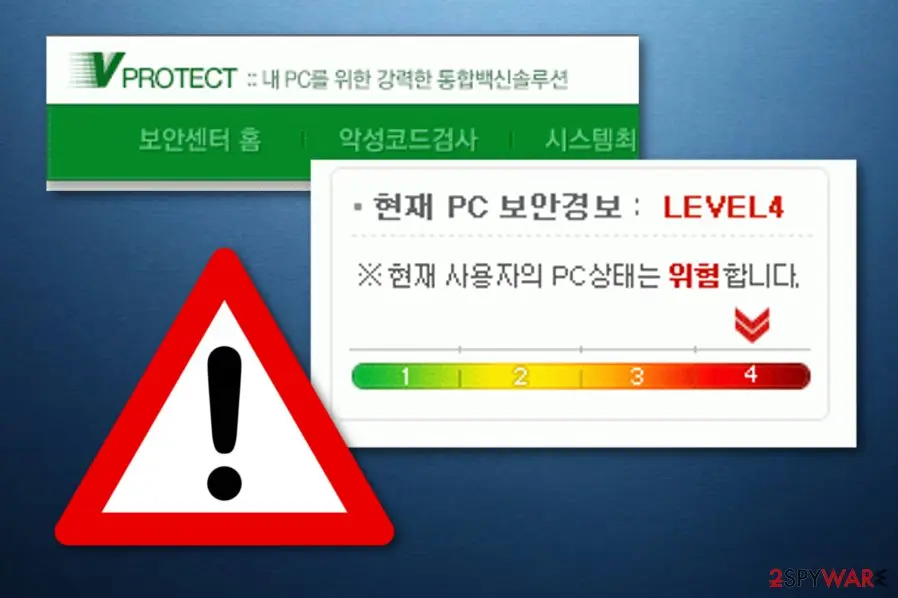
Once installed, it was loading its scanners without any permission asked and then reporting about invented computer infections, such as RDN/Generic.grp!hy, Trojan.Proxy.Win32.Agent.x, BackdoorRbot.gen. However, this trick was used just to scare users into buying a license key of this rogue.
Otherwise, it may start initiating fake system scans and may try to convince you that your computer is affected by serious computer threats, such as viruses and malware.
You should realize that vprot.exe is not an essential system component, so you can terminate and perform Vprotect application removal if it is consuming lots of your PC's memory. High CPU usage in startup is one of the issues caused by this component on user's computer on Windows.

From our report of Aug 2019 · not reviewed since
More from our earlier report on VProtect application
- VProtect application is an app which belongs to the well-known security vendor AVG.
- Also known as vprot.exe, it can show up in startup after downloading AVG Web TuneUp, AVG Security Toolbar, AVG SafeGuard toolbar, and AVG Nation toolbar.
- However, AVG Security Toolbar, Yahoo search, LinkScanner, and other components can appear on your system without noticing this because they all have been spread in one bundle.
- There is no doubt that VProtect application is not a virus and should be left alone if you are using AVG tools.
- AVG Security Toolbar; AVG SafeGuard Toolbar; AVG Nation Toolbar; AVG Web TuneUp
- There is no need to be scared if you have any of AVG products installed on the system.
- Install to make sure that the system is clear of unwanted content
- Vprotect Application is related to AVG anti-virus or toolbars that are typically offered in a bundle.
- If you are not using AVG Toolbar or any other AVG software on your machine and the computer scan results have shown that this program is a threat, you should immediately terminate vprot.exe process and remove Vprotect application virus from your machine.
- To get rid of this issue, uninstall AVG Web TuneUp, AVG Security Toolbar via Control Panel or contact the company for professional support to make sure that it is safe to disable VProtect application on startup.
- While it does not apply for AVG apps, such ads can easily install the previously-mentioned rogue anti-spyware.
- If you suspect that AVG-related processes and apps are causing issues on your computer, remove Vprotect application without any delay.
- You can do this manually by opening your recently installed programs and uninstalling AVG Web TuneUp, AVG Security Toolbar, AVG SafeGuard toolbar, AVG Nation toolbar, and similar AVG-related apps.
How VProtect application got installed
From our report of Aug 2019 · outdated details corrected in October 2026
According to tech experts , not only rogue anti-spyware, adware, and hijackers are spread via an unfair distribution method called bundling.
You can also install optional components that are quite doubtful when it comes to their usefulness when installing legit apps from well-known vendors.
If you want to prevent such software or any components, you should avoid downloading freeware without monitoring its installation. Typically, experts recommend opting for Custom or Advanced installation mode to see what search engines, toolbars, add-ons, and similar components are offered in a bundle. Then, make sure you decline these offers by deselecting pre-checked checkboxes.
Besides, you should also avoid clicking on alerts offering to update Java, browser codecs, Media Player, etc. for free. That's another tricky way that has been commonly used for spreading PUPs, rogues, and similar threats.
Check your PC and browser
- File:
vprot.exe
How to uninstall VProtect application
How to remove VProtect application
Uninstall the bundle first, then everything it added:
- programs
- extensions
- changed browser settings
Step 1: Uninstall programs you did not mean to install
Open Settings > Apps > Installed apps in Windows 11, or Settings > Apps > Apps & features in Windows 10, and sort the list by install date. Look at what appeared around the day the problem started and uninstall every program you do not recognise or did not choose.
Free converters, PDF and video tools, "system optimizers" and unknown browsers are the usual carriers of VProtect application. If a name is unclear, search for it before you remove it, so you do not uninstall a driver or a Windows component.
Full procedure with screenshots: Uninstall a program or app in Windows On uGetFix
Step 2: Remove it from startup
Whatever VProtect application installed usually starts with Windows. Open Task Manager with Ctrl + Shift + Esc, go to Startup apps in Windows 11 or the Startup tab in Windows 10, and disable what you do not know, starting with entries that have an empty Publisher column.
Open file location on the right-click menu shows the file, which helps you decide and tells you what to delete later. Disabling is safe: if something you need stops working, switch it back on.
Full procedure with screenshots: Stop apps from opening at startup On uGetFix
Step 3: Delete the folders left behind
What the uninstaller leaves behind is usually in the user folders. Open File Explorer, switch on View > Show > Hidden items (in Windows 10 View > Hidden items), and go through
%LocalAppData%,%AppData%, %ProgramData% and the two Program Files folders.Sort by Date modified and delete folders that appeared together with the problem and belong to no program you use. Folders with random names that hold
.exe,.dll, .js or .ps1 files are the strongest sign.Full procedure with screenshots: Remove what malware leaves behind in Windows
Step 4: Scan the PC, then run the offline scan
Open Windows Security > Virus & threat protection > Scan options, run a Full scan and remove everything it finds. Then select Microsoft Defender Antivirus (offline scan) and click Scan now: the PC restarts and scans before Windows loads, which finds files that hide while Windows runs.
Save your work first, because the offline scan takes about 15 minutes. Both scans are built into Windows 11 and Windows 10, and a second scanner from another vendor is a useful extra opinion.
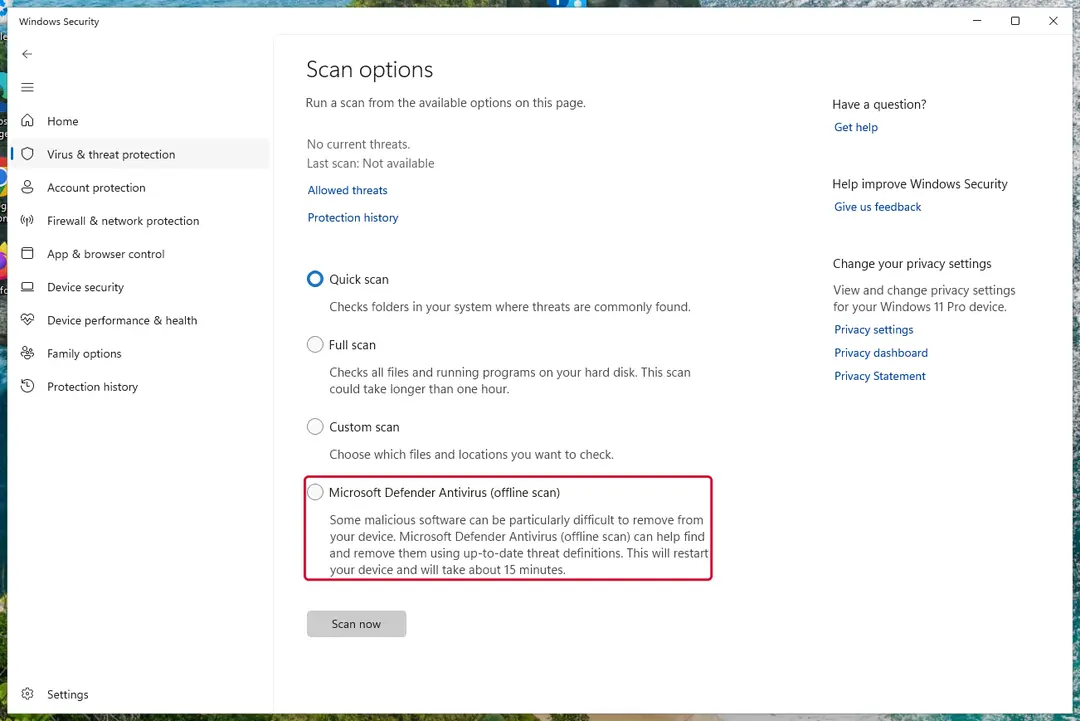
Windows 11: Windows Security > Virus & threat protection > Scan options. Full procedure with screenshots: Run a Microsoft Defender Offline scan
Instructions for each browser and system
The detailed steps for every browser and system this guide covers. Open the one you use.
Uninstall from Windows
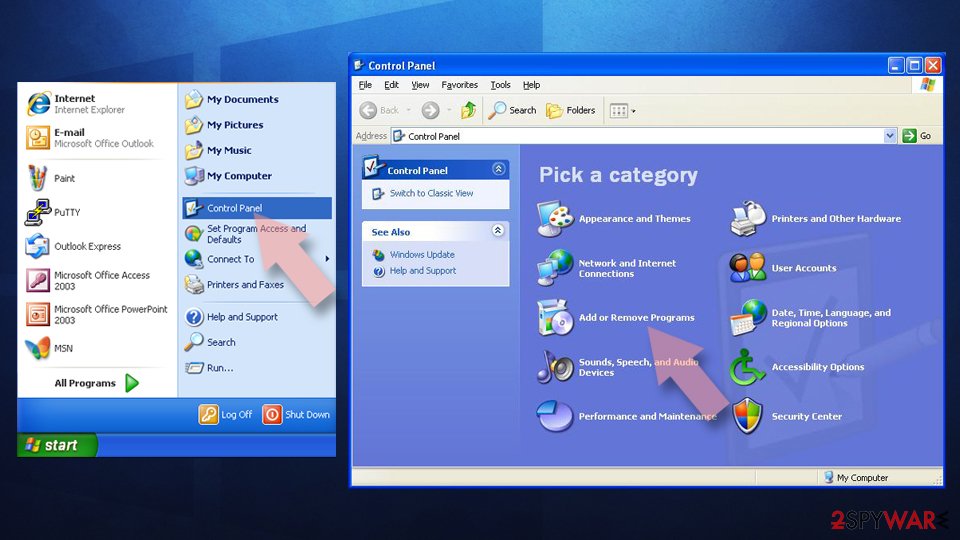
To uninstall VProtect application from Windows, delete AVG Web TuneUp, AVG Security Toolbar, AVG SafeGuard toolbar, AVG Nation toolbar, and similar AVG-related apps from Task Manager:
Uninstall from Windows 10/8:
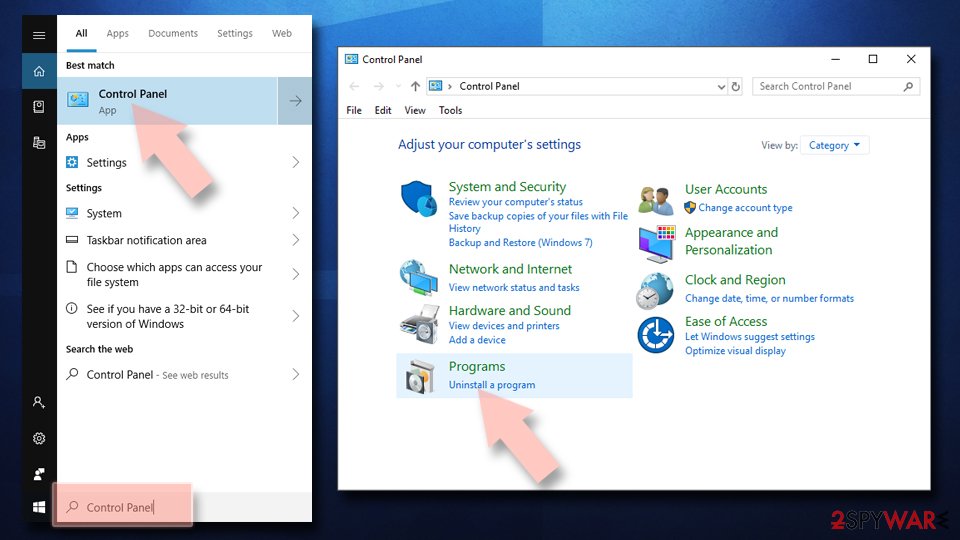
- Type Control Panel into the Windows search box and open the result.
- Under Programs, select Uninstall a program.
Uninstall from Windows 7/XP:
- Click on Windows Start > Control Panel (Windows XP users should click on Add/Remove Programs).
- In Control Panel, select Programs > Uninstall a program.
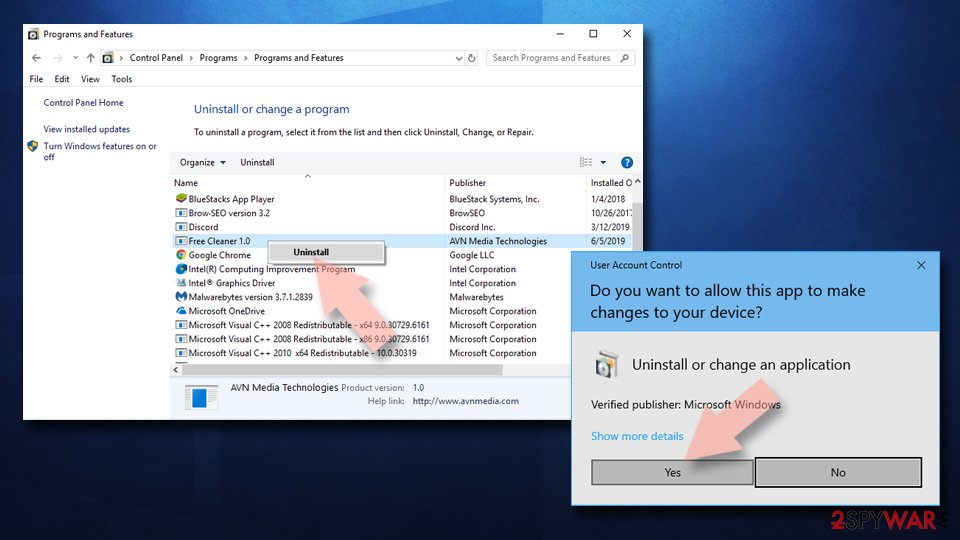
Remove the unwanted program:
- In the Programs and Features window, look for any recently installed suspicious entries, select them, and click Uninstall.
- If User Account Control appears, click Yes to confirm, then complete the removal.
Choose a proper web browser and improve your safety with a VPN tool
Online spying has got momentum in recent years and people are getting more and more interested in how to protect their privacy online.
One of the basic means to add a layer of security - choose the most private and secure web browser. Although web browsers can't grant full privacy protection and security, some of them are much better at sandboxing, HTTPS upgrading, active content blocking, tracking blocking, phishing protection, and similar privacy-oriented features.
However, if you want true anonymity, we suggest you employ a powerful VPN - it can encrypt all the traffic that comes and goes out of your computer, preventing tracking completely.
Lost your files? Use data recovery software
While some files located on any computer are replaceable or useless, others can be extremely valuable.
Family photos, work documents, school projects - these are types of files that we don't want to lose. Unfortunately, there are many ways how unexpected data loss can occur:
- power cuts
- Blue Screen of Death errors
- hardware failures
- crypto-malware attack
- even accidental deletion
To ensure that all the files remain intact, you should prepare regular data backups. You can choose cloud-based or physical copies you could restore from later in case of a disaster. If your backups were lost as well or you never bothered to prepare any, can be your only hope to retrieve your invaluable files.
From our report of Aug 2019 · not reviewed since
Remove Vprotect application from the system if it causing issues
However, if you have been interrupted by fake system scanners and similar issues, you should double check your system, for the rogue anti-spyware that is using the same name to mislead its victims into thinking that it is safe. If you have it installed on your machine, make sure that it's updated, otherwise, it might not be working properly.
Questions about VProtect application
What is VProtect application?
VProtect is an application belonging to the security vendor AVG, also known as vprot.exe. According to the 2019-2021 guide, it bundles with AVG Web TuneUp, AVG Security Toolbar, AVG SafeGuard toolbar, and AVG Nation toolbar. It appears after downloading these AVG products but often installs without user awareness alongside other security components and toolbars.
Is VProtect a virus?
No, VProtect is not a virus if you installed AVG products. It's a legitimate legitimate application belonging to AVG security software.
However, several years ago, hackers created a rogue anti-spyware with the same name designed to swindle users by reporting invented malware infections and offering fake paid removal services. Verifying the application's origin is important before taking action.
Why does VProtect cause high CPU usage?
VProtect application causes high CPU consumption during startup and while running. According to the 2019-2021 guide, users frequently report the error 'VProtect Application has stopped working' along with noticeable performance degradation. This high resource usage makes systems run slowly and causes users to question whether the application is legitimate or malicious.
How is VProtect distributed?
VProtect installs as a bundle component with AVG products including AVG Web TuneUp, AVG Security Toolbar, and related security tools. Users typically encounter it when downloading these AVG applications. The bundling approach means components appear without explicit separate installation steps, leading many users to question when and how VProtect arrived on their systems.
Is VProtect the rogue antispyware from the past?
A rogue VProtect application existed years ago that falsely reported malware and attempted scamming users into purchasing licenses. According to the 2019-2021 guide, it invented threats like RDN/Generic.grp!hy, Trojan.Proxy.Win32.Agent.x, and BackdoorRbot.gen to frighten users. However, the current legitimate VProtect from AVG is separate software, though the historical scam created lasting confusion.
What errors does rogue VProtect show?
The old rogue VProtect initiated fake system scans without permission and reported invented computer infections. It used these false scan results to convince users that serious threats existed, attempting to pressure purchase of license keys. Modern AVG VProtect from legitimate AVG products should not display such behavior or push unverified threat claims.
How can you determine if VProtect is legitimate?
Check if you intentionally installed AVG Web TuneUp, AVG Security Toolbar, or similar AVG products. If so, VProtect is legitimate. Verify it's the current version by checking AVG's official website.
Run a system scan with professional antivirus software to verify no rogue program is masquerading as VProtect. Never trust unknown pop-ups claiming VProtect detected threats.
How can you remove VProtect if desired?
You can uninstall VProtect by removing AVG Web TuneUp, AVG Security Toolbar, AVG SafeGuard Toolbar, and AVG Nation Toolbar through Control Panel. Since VProtect causes issues for some users, removing associated AVG products eliminates the high CPU usage problems. Alternatively, contact AVG support to confirm safe disabling of VProtect while maintaining other AVG functionality.
Will Fortect remove VProtect application?
Fortect scans Windows for malware and unwanted programs and repairs the system files and settings they change, and its free scan shows what it finds on your PC before you decide anything.
For VProtect application, follow the plan above as well: the browser steps take back permissions and settings that no scanner treats as a threat, and uninstalling the program that brought it removes the source.
Run Microsoft Defender's full scan and, if anything was found, its offline scan as a second opinion. If the symptoms are gone after the plan and both scans are clean, there is nothing more to do.
Sources
- The main page of AVGanti-virus: AVG - Dedicated to your online security (read October 5, 2026)
- Wikipedia: AVG Technologies (read October 5, 2026)
- Malwarebytes: All about malware (read October 5, 2026)
- SemVirus: SemVirus.pt (read October 5, 2026)
- Search Security: Anti-spyware (read October 5, 2026)