
Noblis ransomware: what it is and how to remove it
Noblis is crypto-malware that aims at Spanish computer users and is written in Phyton. The file-encrypting virus uses AES-256 cipher to encode files and make them inaccessible by adding .noblis, .anyrun, or, most recently, .sorryforthis, file extension.
Facts checked October 6, 2026. Removal steps tested on Windows 11 (26H2) and checked against Microsoft's and the browser makers' current documentation. Sections marked as our earlier report are the original text: they describe the threat as it was then and have not been reviewed since. The 2026 status, the removal steps and the questions are current.
Automatic
Get a free scan and check if your PC is infected.
Fortect finds malware, unwanted programs and the Windows damage they leave behind, and repairs it in one pass.
Before you restore backups, a full scan can confirm the program that added .sorryforthis is gone.
Do it yourself · free Remove Noblis ransomware yourself 6 steps, about 18 minutes, no software needed.
Start the steps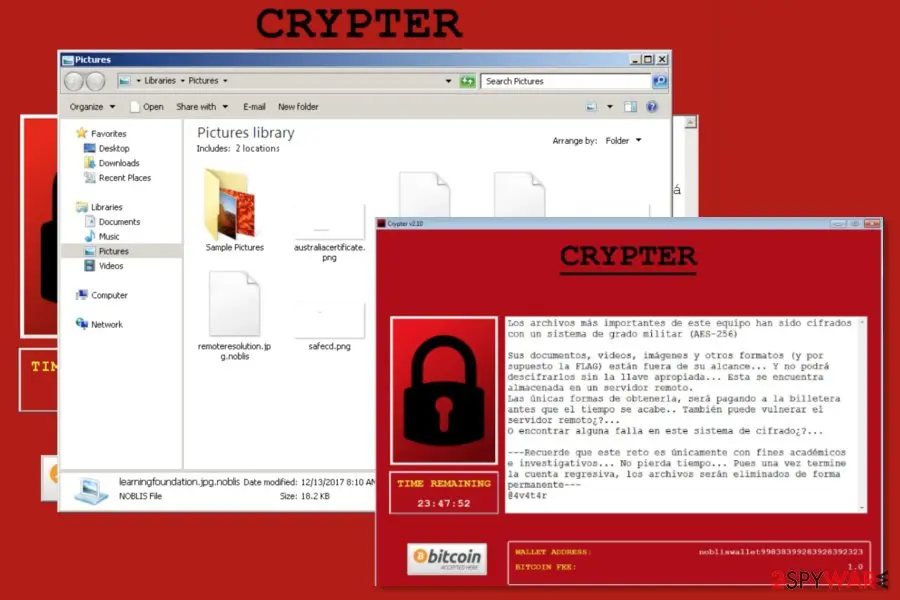
Noblis ransomware: summary
| Name | Noblis |
|---|---|
| Type | Ransomware, cryptovirus |
| Initial release | December 2017 |
| Written in | Phyton programming language |
| Cipher | Malware uses AES-256 to encrypt data on the host system |
| Distribution means | Ransomware is known to be spread with the help of obfuscated spam email attachments, although other means might be used as well |
| Removal | Scan the PC with security software to find and remove the malware and anything installed with it. Fortect scans Windows for malware and repairs the system files and settings it damaged. Remove it nowTo use the full-featured product, you have to purchase a license for Fortect. The scan is free. |
Show 18 more facts
| Targets | Initially, malware targeted Spanish users but the most recent variant drops ransom note in English, meaning that the attackers chanced the distribution scope and aim to infect users worldwide |
|---|---|
| Versions | .noblis, .anyrun and .sorryforthis |
| Newest variant | .sorryforthis variant of malware was spotted in the wild at the end of October 2019 and asks users for 0.08134 BTC for file decryption software |
| Related | Cyclone ransomware derived from this malware |
| Termination | Use anti-malware software to locate the payload and remove all the components |
| File decryption | Only possible via backups. In some cases, third-party recovery software might be effective – check the methods described below |
| Detection names | No Microsoft detection name is known |
| Ransom note | Not recorded in our earlier report |
| Contact | Not recorded in our earlier report |
| Encrypted file extension | .sorryforthis |
| Decryptor | No free decryptor is known for this variant; check No More Ransom (nomoreransom.org) for updates |
| Damage | Not recorded in the old report |
| Symptoms | Files renamed with a new extension |
| Evidence | 5 write-ups by security sites; details still limited |
| Encrypted files | .sorryforthis |
| Free decryptor | No free decryptor is known (checked 6 October 2026) |
| First seen | 5 November 2019 |
| Facts checked | 6 October 2026 |
- File extension:
.sorryforthis
From our report of Nov 2019 · not reviewed since
More from our earlier report on Noblis
- After malware is deleted from Windows, it might start misbehave due to system file damage.
- To fix crashes, slowdowns, and similar aftereffects of ransomware, use
- Crypter YOUR FILES HAVE to the BEEN The ENCRYPTED!
- Archivos más importantes los de este equipo han edition sido cifrados con un sistema de Grado militar (the AES-256) Sus Documentos, the videos, imágenes y otros formatos (y por supuesto la the FLAG) están fuera de alcance the su ...
- the Y the no podrá descifrarlos sin llave apropiada ...
- la Esta se Encuentra almacenada en un Servidor remoto.
- Únicas Formas de las obtenerla, será la pagando a billetera antes que of el tiempo se ..
- acabe También puede vulnerar of el Servidor remoto¿?
- About encontrar alguna falla en este sistema de cifrado¿?
- --- Recuerde que este reto es únicamente con fines an e ...
- investigativos académicos No pierda tiempo ...
- Pues una vez termine la cuenta regresiva, the los archivos serán eliminados de forma permanente --- @ 4v4t4r WALLET the ADDRESS: nobliswallet99838399283928392323 Bitcoin of FEE: 1.0
How Noblis ransomware behaves
From our report of Nov 2019 · not reviewed since
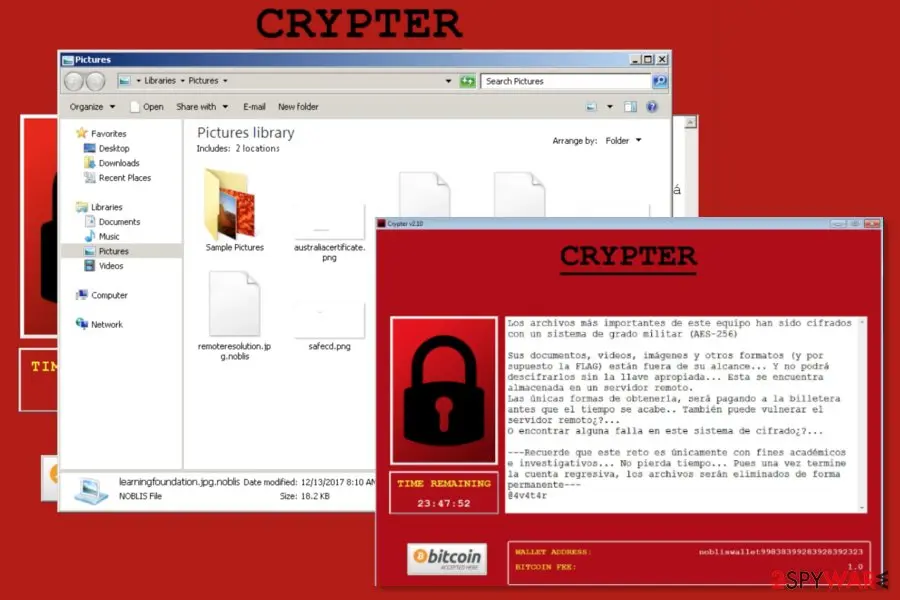
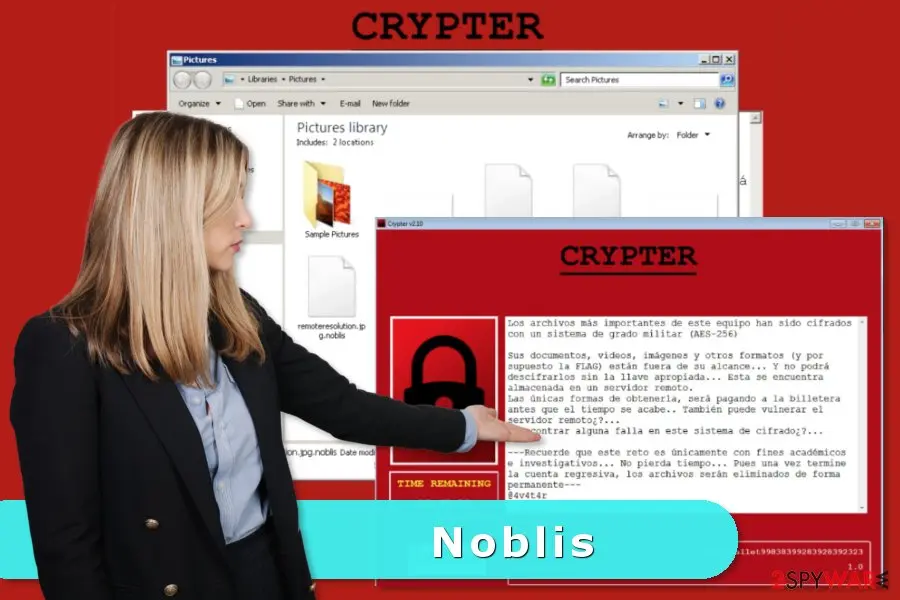
Noblis ransomware - a Phyton-written cryptomalware that demands 1 BTC for file redemption
Noblis is crypto-malware that aims at Spanish computer users and is written in Phyton.
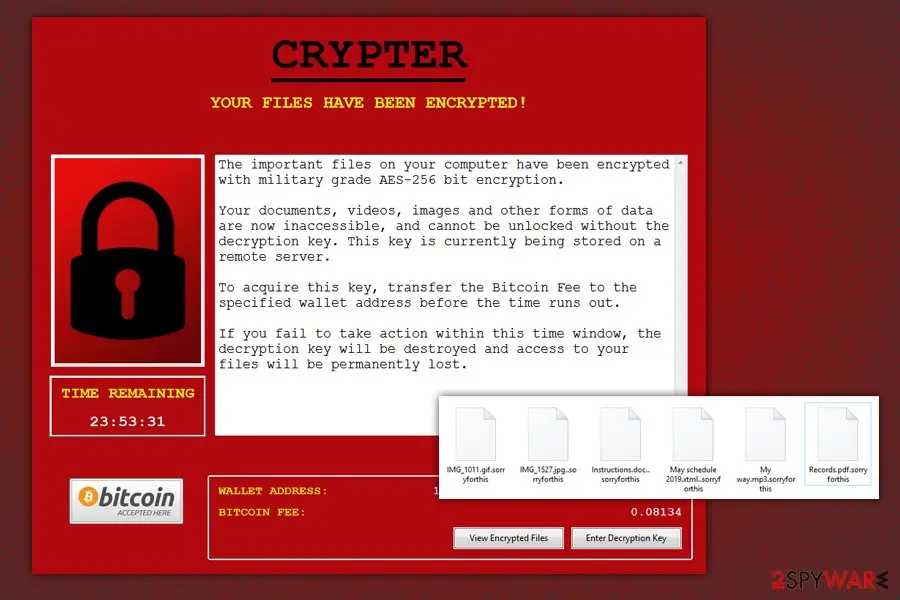
The file-encrypting virus uses AES-256 cipher to encode files and make them inaccessible by adding .noblis, .anyrun, or, most recently, .sorryforthis, file extension. Following the encryption, it opens program Window Crypter v2.10 with data recovery instructions.
Some ransomware viruses are not designed by cybercriminals, and Noblis ransomware is one of them. Instead, the virus was written for educational purposes only, but most likely leaked by malicious actors - a similar situation happened to HiddenTear malware. Thus, the Noblis virus is created with the help of ransomware generator software.
After Noblis ransomware initial release in December 2017, it went doormat and did not show much activity. Later, Cyclone ransomware was developed based on this malware. Most recently, in late October 2019, the newest variant of the virus was released - the ransom note is written in English, and attackers now ask for 0.08134 BTC payment for the decryptor.
According to the latest research data, malware is in in-dev mode. However, obfuscated payload called noblis.exe might be soon spread via malicious spam emails or using other ransomware distribution methods.
Once inside, Noblis ransomware makes necessary system changes before starting the encryption:
Noblis ransomware then starts file encryption with a strong cipher and uses encrypted_files.txt during the process - the file is placed into the %AppData% folder. When the virus finishes its destructive task, it opens a program Window with timer and Spanish recovery instructions:
The interesting fact is that the final sentences of ransom note tell that malware was created for academic and research purposes. However, it seems that someone wants to learn to program by harming others. According to the ransom note, Noblis virus is designed to delete files once the timer goes to zero (after 24 hours).
However, authors of Noblis ransomware offer not to waste time and obtain decryption software immediately. Victims have to transfer 1 Bitcoin to the provided wallet address. The research has shown that criminals provided a wrong address. Thus, even if you decide to sponsor criminals with such a huge amount of dollars, you won't be able to do it.
Thus, after a ransomware attack, you should clean your computer and restore your files from backups or hope that third-party software will bring back at least some of the most important data. You have to remove Noblis automatically with reputable security software.
In some cases, Noblis ransomware removal might not succeed from the first time due to heavy system modifications made by malware. In such a case, you should access Safe Mode with Networking, as explained below. Once the virus is eliminated, you should take care of not only personal files but also system settings recovery. For that, use .
- Executes the dropper from Temp folder and unpacks associated files
- Establishes connection with a remote server
- Deletes Shadow Volume Copies to prevent file recovery
- Alters the registry and other vital Windows components to gain persistence, etc.
How to remove Noblis ransomware
Tools you'll need
All of these are free except where noted. Download them on a clean device if the infected PC is offline.
- A USB stick: to keep the ransom note, two or three encrypted files and screenshots off the infected PC.
- Microsoft Defender Offline: built into Windows 11 and Windows 10; scans before Windows starts, so running malware cannot hide.
- Microsoft Safety Scanner: a second, portable scanner with current signatures; each download works for 10 days.
- ID Ransomware: identifies the family from the note and one encrypted file and says whether a decryptor exists.
- No More Ransom: the free decryptors from police and security companies; check it again every few months.
- Fortect (optional): scans Windows for malware and repairs the system files and settings it damaged. The free scan is in the box above.
How to remove Noblis and get your files back
Work in this order.
Disconnecting comes first, removal comes before any restore, and nothing here asks you to contact the attackers.
Step 1: Disconnect the PC and unplug backup drives
Noblis encrypts everything it can reach, including drives and shares you connect later. Cut the network first: cable out, or Wi-Fi off from the taskbar.
Then unplug every USB stick and backup disk and pause cloud sync, so the encrypted versions do not replace your online copies. Do not reconnect any of them until the ransomware is removed from the Windows 11 or Windows 10 PC.
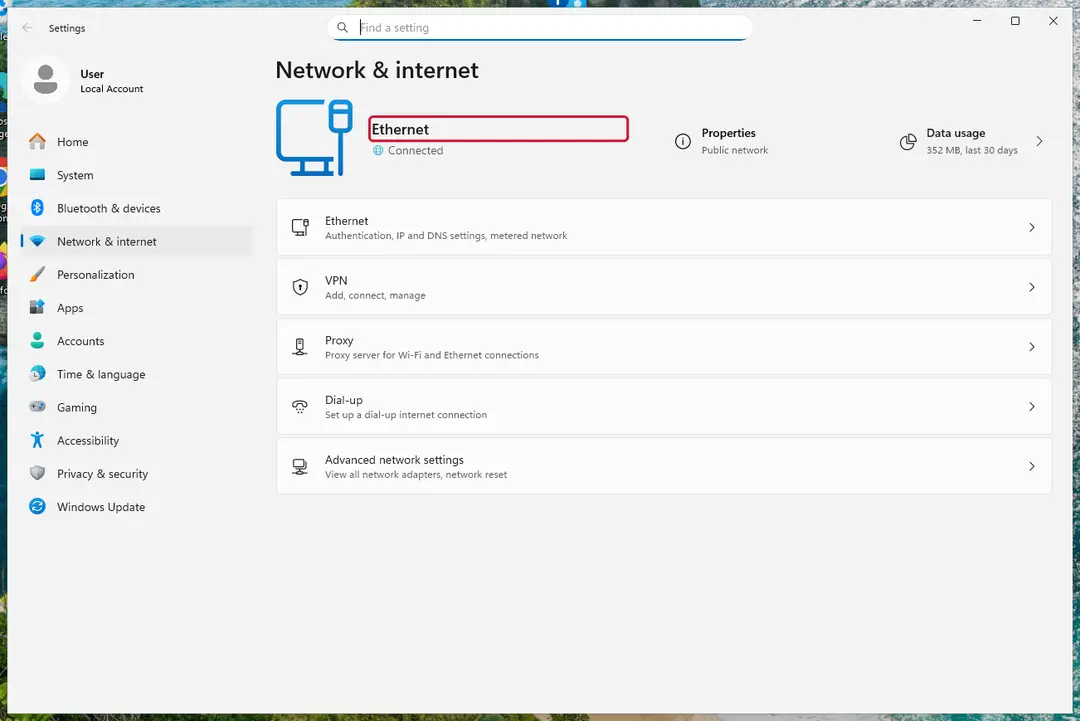
Windows 11: turn off Wi-Fi to take the PC offline. Full procedure with screenshots: Ransomware: first steps, finding a decryptor and recovering files
Step 2: Save the ransom note and identify the family
Find the ransom note, usually a
.txt,.htmlor .hta file in every folder or on the desktop, and copy it with one or two encrypted files to a USB stick.From another device, upload them to ID Ransomware or No More Ransom's Crypto Sheriff, which name the family from the note and the file extension. Write down the contact address and your personal ID from the note for the report.
Warning: Never contact the attackers from the infected Windows 11 or Windows 10 PC.
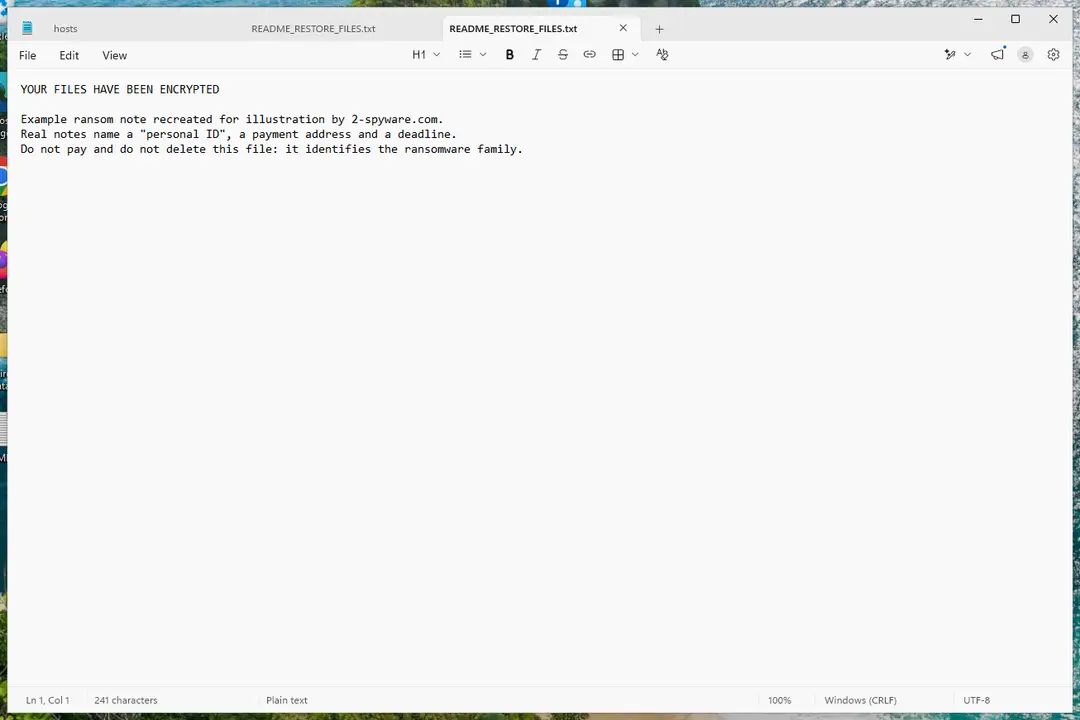
Windows 11: the ransom note and encrypted files to copy for identification. Full procedure with screenshots: Ransomware: first steps, finding a decryptor and recovering files
Step 3: Check for a free decryptor
For Noblis, no free decryptor is known (checked 6 October 2026). Search the family name in the No More Ransom decryption tools list and in the free decryptors of Emsisoft, Avast and Kaspersky, because new tools appear years after an attack.
Important: Keep the encrypted files even if nothing works today, and do not pay before every free option is ruled out: payment does not guarantee a working key.
Decryptors run on Windows 11 and Windows 10, but only after the ransomware itself is removed.
Full procedure with screenshots: Ransomware: first steps, finding a decryptor and recovering files
Step 4: Remove the ransomware before you restore or decrypt
Restoring or decrypting files while Noblis still runs lets it encrypt them again. Run a Full scan in Windows Security > Virus & threat protection > Scan options, then the Microsoft Defender Antivirus (offline scan).
If the ransomware blocks Windows Security, start Safe Mode with Networking and scan from there. Some families install a password stealer as well, so let both scans finish on Windows 11 or Windows 10.
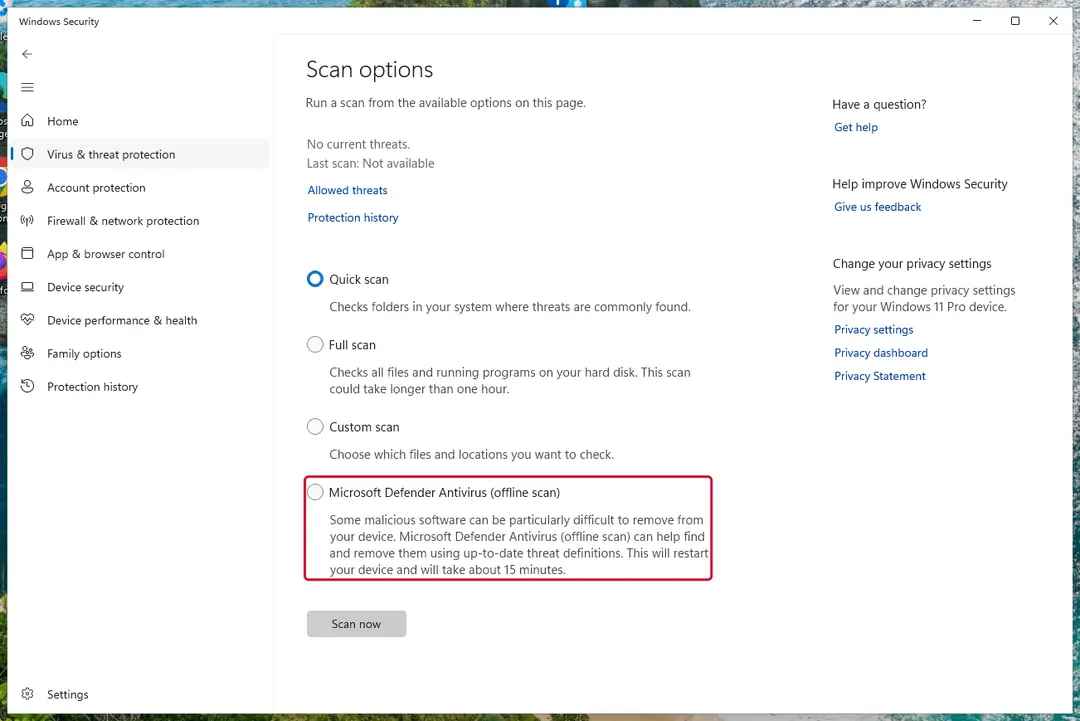
Windows 11: Windows Security > Virus & threat protection > Scan options. Full procedure with screenshots: Run a Microsoft Defender Offline scan
Step 5: Look for shadow copies of the files
Open Command Prompt as administrator and run
vssadmin list shadows. If it lists copies dated before the attack, right-click a folder with encrypted files in File Explorer, choose Properties > Previous Versions, and open or restore a version from before that date.ShadowExplorer, a free tool, shows the same copies when the tab is empty or hidden. Most current families delete shadow copies, so an empty list is normal, but the check takes two minutes on Windows 11 or Windows 10.
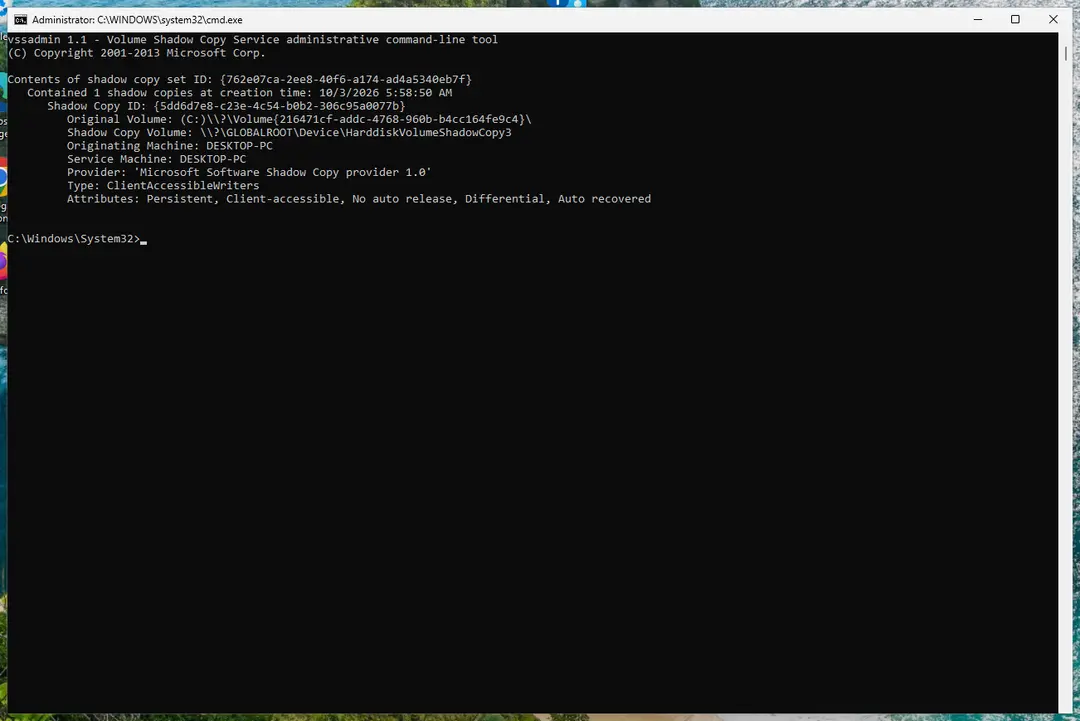
Windows 11: vssadmin list shadows shows whether shadow copies exist. Full procedure with screenshots: Ransomware: first steps, finding a decryptor and recovering files
Step 6: Restore the files from a backup or recover deleted originals
Restore from an external backup, File History or OneDrive's version history, choosing a date before the attack. Connect the backup drive only after the scans are clean, or the ransomware encrypts it too.
If there is no backup, file recovery software can sometimes find the deleted originals, because some ransomware writes an encrypted copy and deletes the original file.
Stop writing to the drive and try recovery on Windows 11 or Windows 10 before new files overwrite the space.
Full procedure with screenshots: Recover deleted files (Recycle Bin, backups, OneDrive) On uGetFix
Instructions for each browser and system
The detailed steps for every browser and system this guide covers. Open the one you use.
Manual removal using Safe Mode
Important! →
Manual removal guide might be too complicated for regular computer users. It requires advanced IT knowledge to be performed correctly (if vital system files are removed or damaged, it might result in full Windows compromise), and it also might take hours to complete. Therefore, we highly advise using the automatic method provided above instead.
Step 1. Access Safe Mode with Networking
Manual malware removal should be best performed in the Safe Mode environment.
Windows 7 / Vista / XP
- Click Start > Shutdown > Restart > OK.
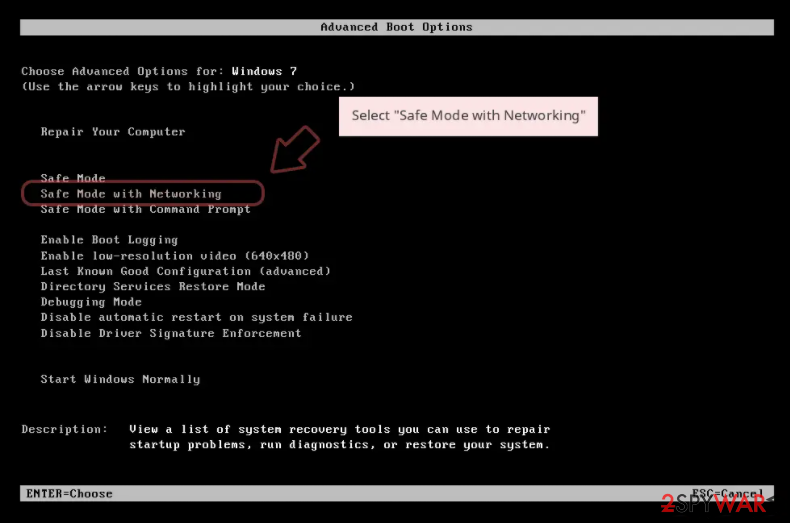
- When your computer becomes active, start pressing F8 button (if that does not work, try F2, F12, Del, etc. - it all depends on your motherboard model) multiple times until you see the Advanced Boot Options window.
- Select Safe Mode with Networking from the list.
Windows 10 / Windows 8
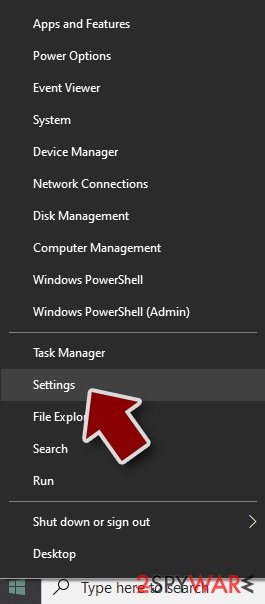
- Right-click on Start button and select Settings.
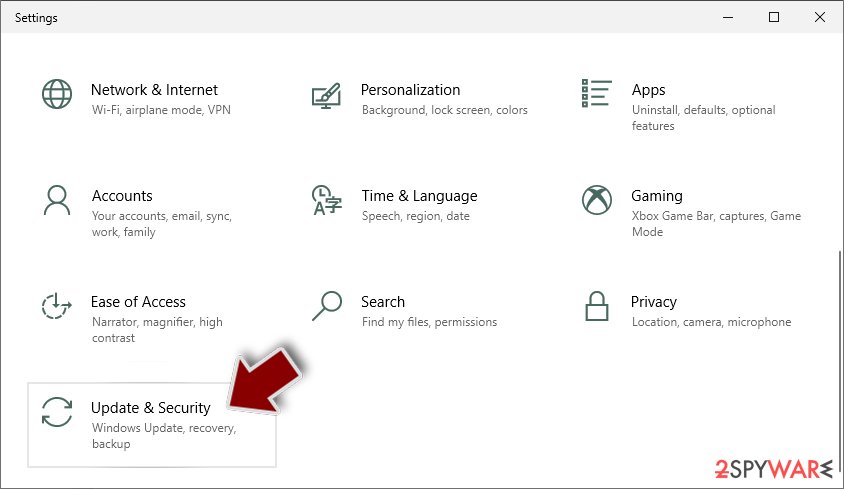
- Scroll down to pick Update & Security.
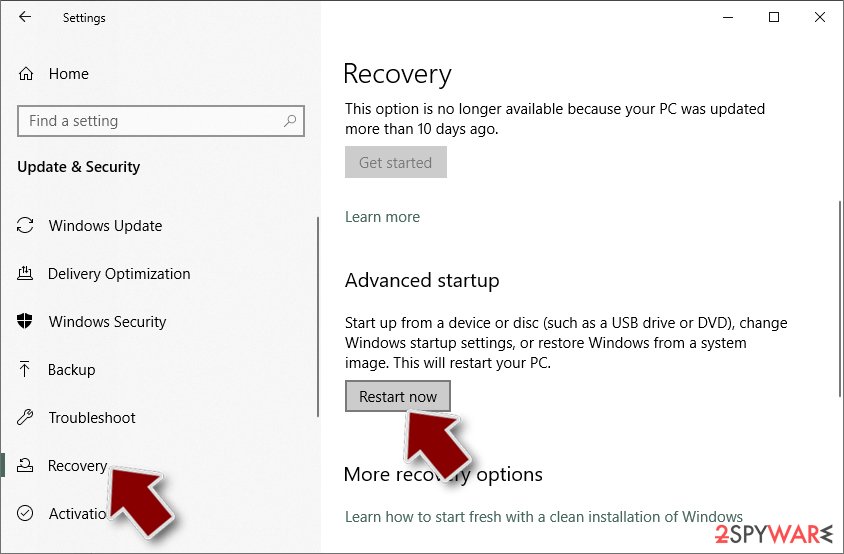
- On the left side of the window, pick Recovery.
- Now scroll down to find Advanced Startup section.
- Click Restart now.
- Select Troubleshoot.
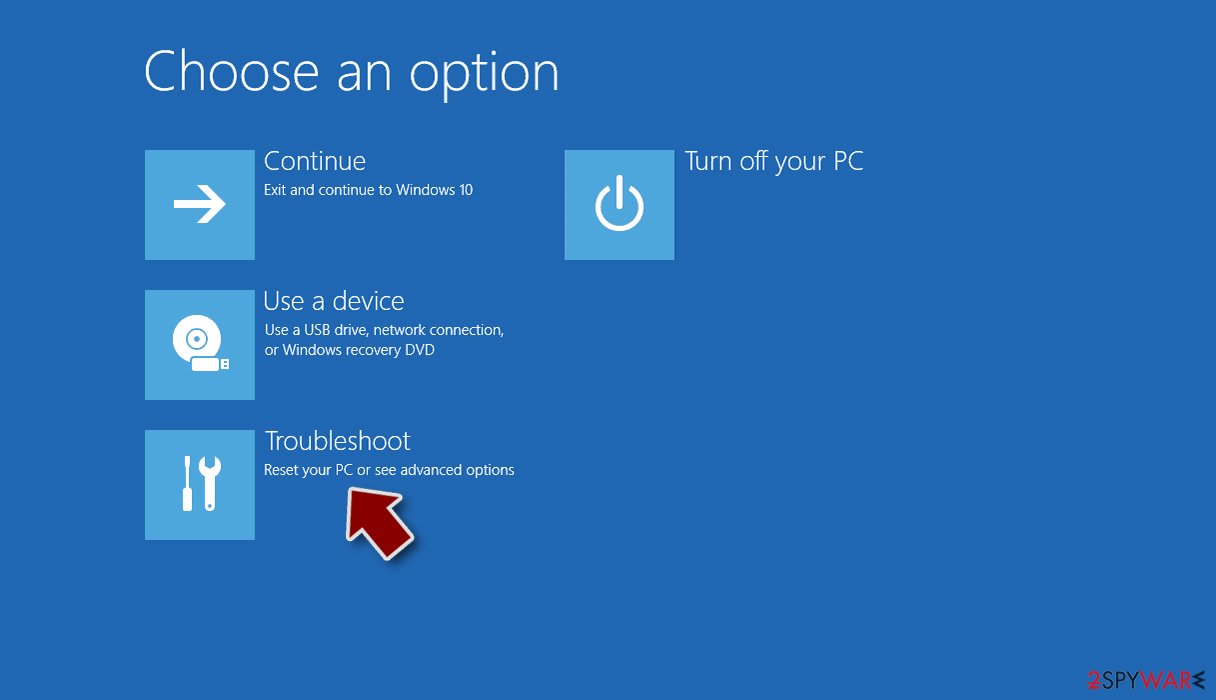
- Go to Advanced options.
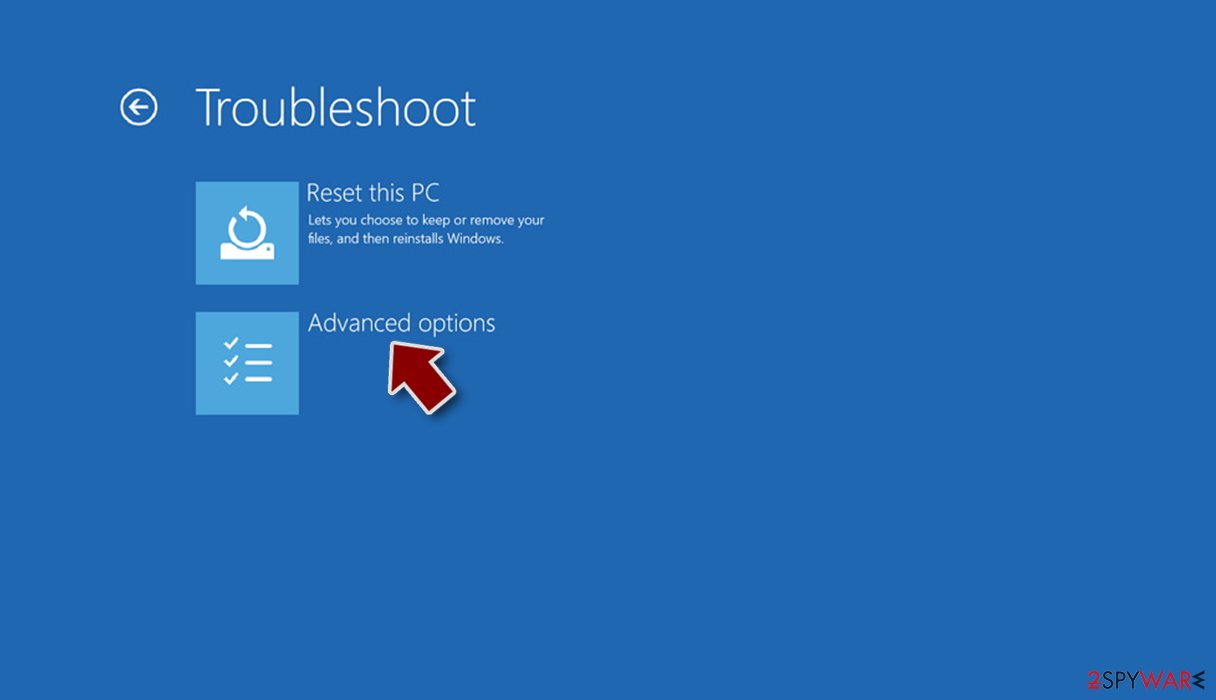
- Select Startup Settings.
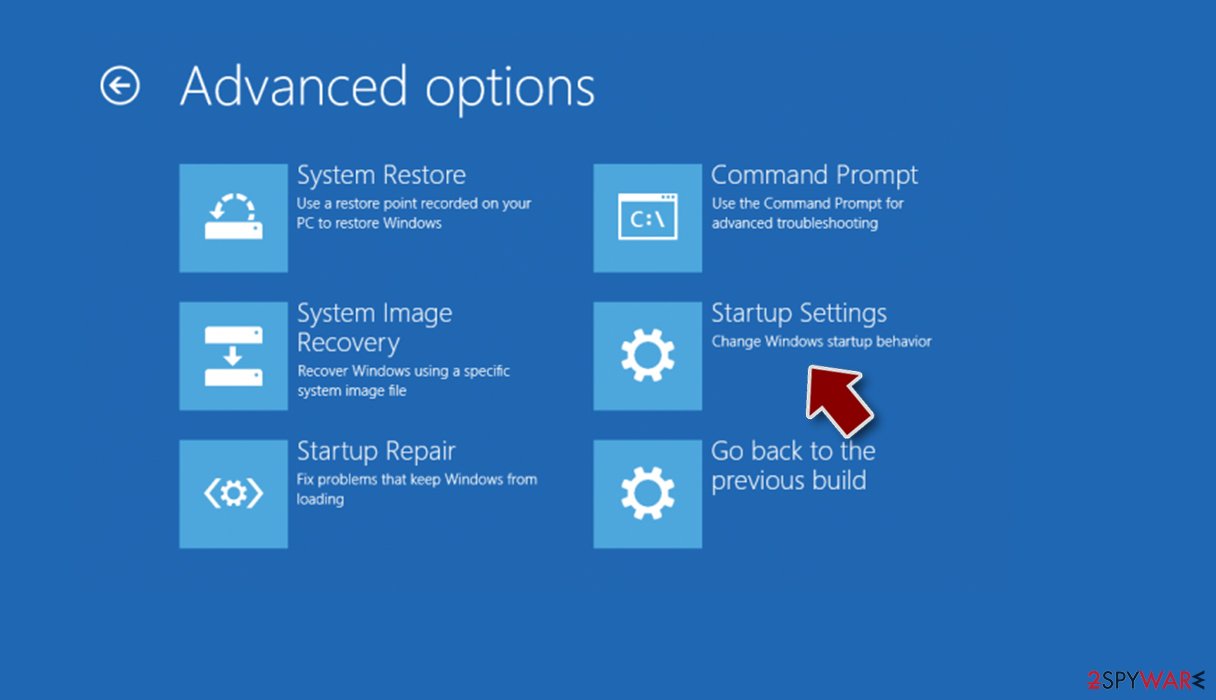
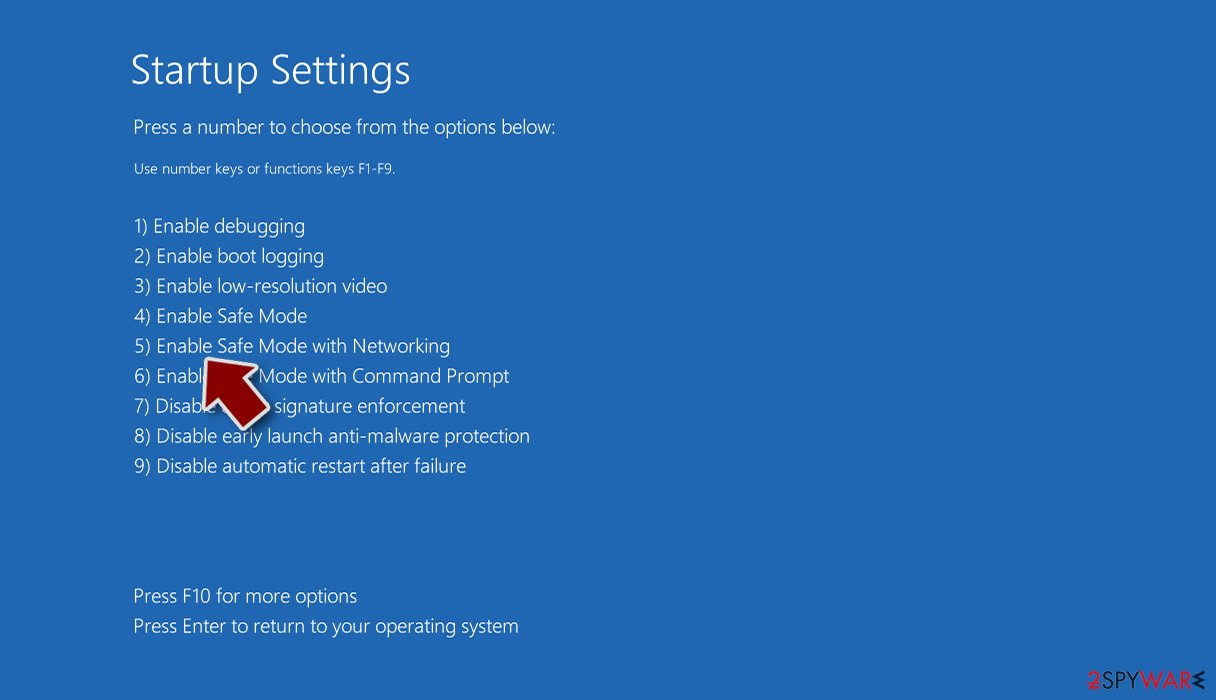
- Press Restart.
- Now press 5 or click 5) Enable Safe Mode with Networking.
Step 2. Shut down suspicious processes
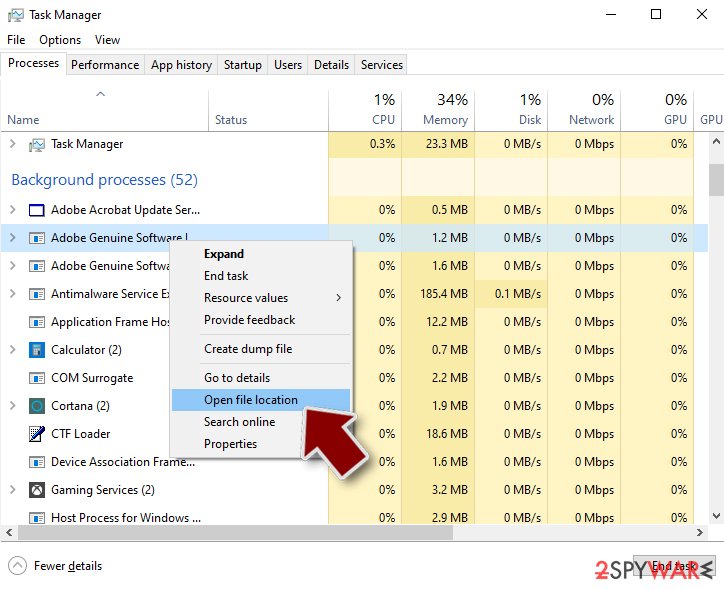
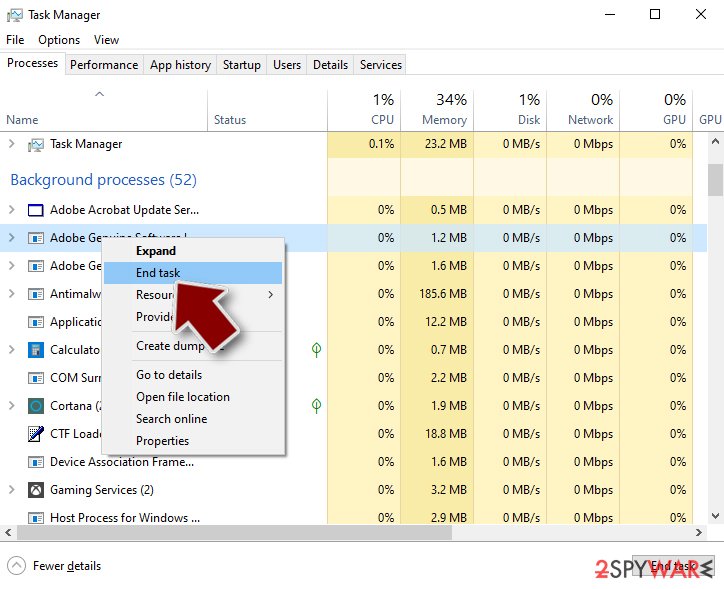
Windows Task Manager is a useful tool that shows all the processes running in the background. If malware is running a process, you need to shut it down:
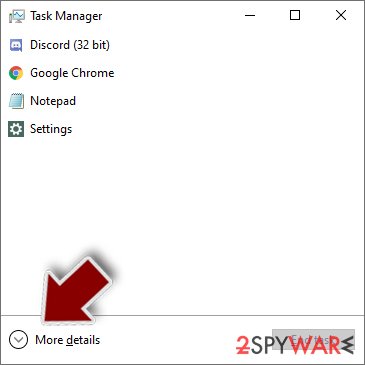
- Press Ctrl + Shift + Esc on your keyboard to open Windows Task Manager.
- Click on More details.
- Scroll down to Background processes section, and look for anything suspicious.
- Right-click and select Open file location.
- Go back to the process, right-click and pick End Task.
- Delete the contents of the malicious folder.
Step 3. Check program Startup
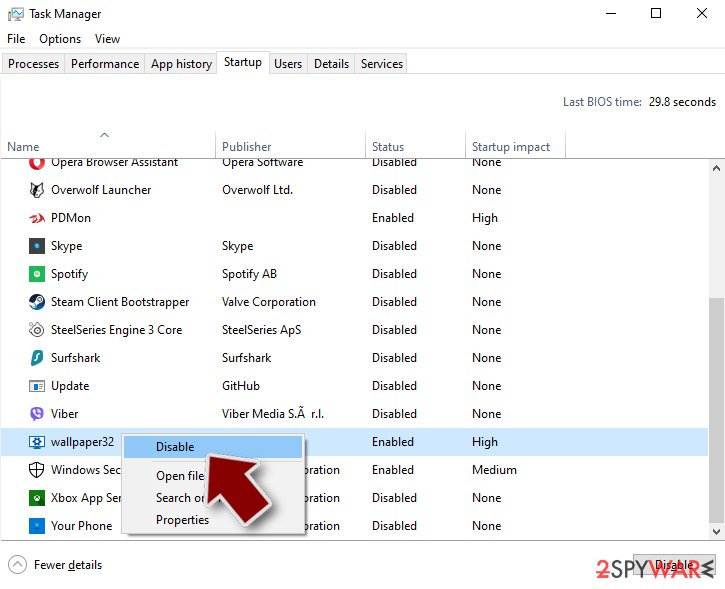
- Press Ctrl + Shift + Esc on your keyboard to open Windows Task Manager.
- Go to Startup tab.
- Right-click on the suspicious program and pick Disable.
Step 4. Delete virus files
Malware-related files can be found in various places within your computer. Here are instructions that could help you find them:
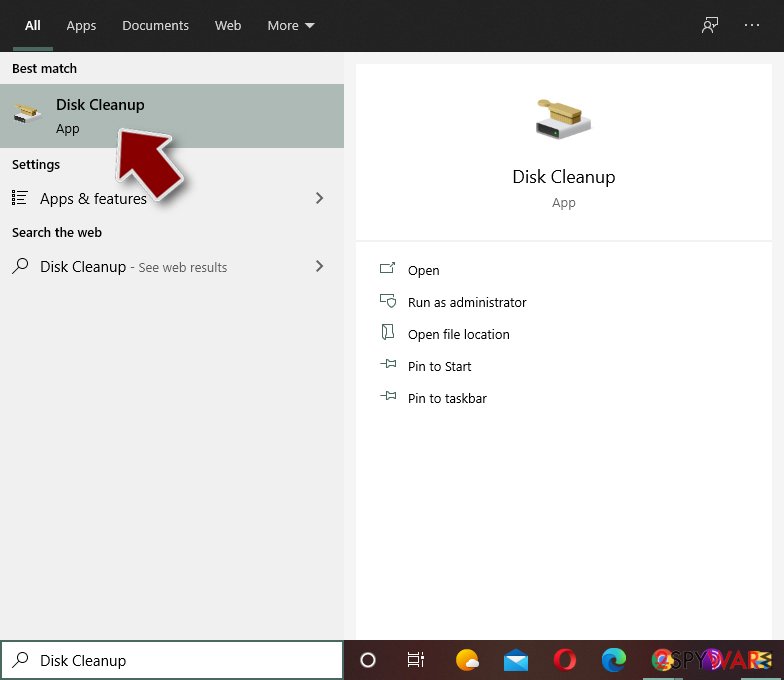
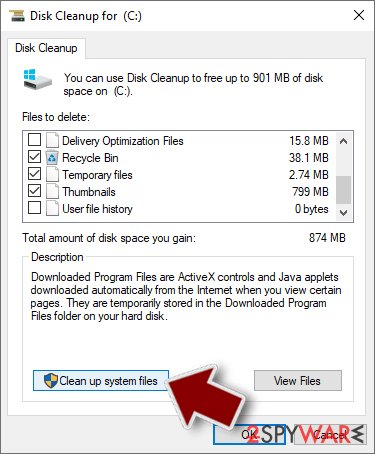
- Type in Disk Cleanup in Windows search and press Enter.
- Select the drive you want to clean (C: is your main drive by default and is likely to be the one that has malicious files in).
- Scroll through the Files to delete list and select the following:
Temporary Internet Files
Downloads
Recycle Bin
Temporary files - Pick Clean up system files.
- You can also look for other malicious files hidden in the following folders (type these entries in Windows Search and press Enter):
%AppData%
%LocalAppData%
%ProgramData%
%WinDir%
After you are finished, reboot the PC in normal mode.
From our report of Nov 2019 · not reviewed since
Prevention tips that help to minimize the risk of ransomware attack
Noblis is still in development.
Thus, you have time to backup your files, obtain antivirus program and learn how to protect yourself from ransomware attack. Unfortunately, any security software cannot fully protect from crypto-malware. Thus, additional actions are needed:
- Be careful with emails. Do not rush to open email attachments or click on provided links without checking information about the sender and making sure that content is safe.
- Download only legitimate software and its updates. Trying to save the money by installing cracked programs is the straightest way to install malware. Additionally, you should not download free programs or updates from unknown file-sharing sites or network.
- Do not accept every offer provided in ads. Pop-ups that offer to download PC scanners, antivirus programs or other application most of the time include malicious content. Keep in mind that malware-laden ads might be displayed on popular websites as well.
- Update software and operating system. Updating software or OS might seem bothersome task. However, it's one of the most important ways to protect from cyber threats that might exploit outdated program's vulnerabilities to hack your PC.
From our report of Nov 2019 · not reviewed since
Removal of the Noblis virus
Noblis removal has to be completed using reputable malware removal software.
The malicious program might inject malicious code into various system processes, and terminating them manually is nearly impossible. Only professional malware removal tools can get rid of them safely.
Before downloading security software, you should reboot your computer to the Safe Mode with Networking. Then you should be able to remove Noblis without any obstacles.
As for personal data recovery, use backups, as it is the only safe method to retrieve files without paying the criminals ransom. If none available, use alternative methods we provide below but keep in mind that chances of success are pretty low.
[GI=method-1]To remove ransomware without any problems, you should reboot to Safe Mode with Networking first:
[GI=method-2]If a previous method did not help, try System Restore:
This program is designed to restore files after system wreckage or accidental deletion. However, it is also useful after the ransomware attack.
Try Windows Previous Versions feature
If System Restore was enabled before the Noblis ransomware attack, follow this guide and restore individual files:
If Shadow Volume Copies were not deleted, Shadow Explorer might be useful in recovery procedure:
Noblis decryptor is not released yet.
Report it and recover your files
Report it
Report the attack even if you do not expect the files back: insurers and banks ask for the report number, and police use the contacts in the note to link cases.
- United States
- FBI IC3 · FTC ReportFraud
- United Kingdom
- Report Fraud (formerly Action Fraud) · NCSC
- Australia
- ReportCyber (ASD)
- EU countries
- Europol: national reporting sites
Give the victim ID, the note and the date the files were encrypted. A business that holds personal data may also have to notify its data protection authority, in the EU within 72 hours.
Make the next attack harmless
Noblis could only hurt the files that had no second copy, and the signs (files that end in .sorryforthis and no longer open) showed exactly which ones those were.
The 3-2-1 rule fixes that:
- three copies
- two media
- one disconnected
A practical version for a home PC: OneDrive or another cloud backup with version history, plus an external disk that you plug in once a week for File History and then unplug. Test a restore now and then by opening a few files from the backup on another device.
Details, schedules and what not to back up are in our 3-2-1 backup guide for Windows.
Protect your privacy - employ a VPN
There are several ways how to make your online time more private - you can access an incognito tab.
However, there is no secret that even in this mode, you are tracked for advertising purposes. There is a way to add an extra layer of protection and create a completely anonymous web browsing practice with the help of VPN. This software reroutes traffic through different servers, thus leaving your IP address and geolocation in disguise.
Besides, it is based on a strict no-log policy, meaning that no data will be recorded, leaked, and available for both first and third parties. The combination of a secure web browser and VPN will let you browse the Internet without a feeling of being spied or targeted by criminals.
No backups? No problem. Use a data recovery tool
If you wonder how data loss can occur, you should not look any further for answers - human errors, malware attacks, hardware failures, power cuts, natural disasters, or even simple negligence.
In some cases, lost files are extremely important, and many straight out panic when such an unfortunate course of events happen. Due to this, you should always ensure that you prepare proper data backups on a regular basis.
If you were caught by surprise and did not have any backups to restore your files from, not everything is lost. is one of the leading file recovery solutions you can find on the market - it is likely to restore even lost emails or data located on an external device.
Questions about Noblis ransomware
How do I open .sorryforthis files?
You cannot open them by renaming or with another program, because the content of files ending in .sorryforthis has been encrypted. The only ways back are a working decryptor for the family, or clean copies from elsewhere:
- OneDrive versions
- File History
- an offline backup drive
- Previous Versions if the ransomware did not delete them
Identify the family first by uploading the ransom note and one encrypted file to ID Ransomware or No More Ransom. Avoid websites and programs that promise to open any encrypted file; they do not work and some are scams.
When will a decryptor for Noblis be released?
Nobody can promise a date. When we last checked, on 6 October 2026, no free decryptor is known. Decryptors usually appear after one of three events:
- police seize the attackers' servers and keys
- the authors leak or publish the master keys
- researchers find a mistake in how the ransomware generates keys
Some families got a tool within weeks, others never. Keep the encrypted files and the note on an external drive, check No More Ransom every few months, and follow news about the Noblis family. A decryptor may need an original file, so keep any unencrypted copies too.
Should I pay the ransom?
We advise against it, and so do the FBI, Europol and national cyber agencies. Payment does not guarantee a working tool: some attackers never reply, some tools damage files, and some variants have no decryptor at all. Paying also funds further attacks and can make you a target again.
Before considering payment, try every recovery option in this guide and report the attack. Companies must involve their legal adviser and insurer, because payments to sanctioned groups can be illegal. If files are truly irreplaceable, store the encrypted copies and wait; decryptors sometimes appear later.
Can a data-recovery company decrypt my files for a fee?
Only if a decryptor already exists or the company pays the attackers for you. Some "ransomware recovery" services advertise that they can decrypt families with no known flaw; in practice they negotiate with the attackers and add their own fee. Others use the same free tools listed on No More Ransom.
Before you hire anyone, ask in writing how they will recover the files, whether they will contact the attackers and what happens if they fail. A legitimate service answers clearly. If a free decryptor exists for your family, you can run it yourself.
Did Noblis steal my files or passwords?
We do not know yet. Nothing published so far shows data theft by Noblis, but the only confirmed sign is files that end in .sorryforthis and no longer open, which says nothing about what happened before. Many current ransomware attacks copy files or run a password stealer first, so it is wise to act as if they did.
From a clean device, change the passwords that were saved in the browsers on this PC, starting with e-mail and banking, sign out of all sessions and turn on two-step verification. Watch bank statements and account activity for the next few weeks.
How did Noblis get on my computer?
The way Noblis spreads has not been documented yet, so look at your own recent activity. On home PCs, ransomware most often comes with cracked programs, game cheats, key generators and fake updates, or with an e-mail attachment that was opened. On business networks, attackers usually log in through Remote Desktop with a stolen or guessed password.
Think back to what was downloaded or installed in the days before files that end in .sorryforthis and no longer open, and check the Downloads folder and Installed apps sorted by date. Keep anything suspicious for your report, but do not run it again.
Is Noblis the same as other ransomware with a similar name?
Not necessarily. Ransomware names come from the file extension, the note or a word in the code, so unrelated families often end up with similar names, and one family can appear under several names. The difference matters: a decryptor or advice for one family does not fit another and can damage files.
Compare the ending added to your files and the exact name of the note with the summary table at the top of this guide, then upload the note and one encrypted file to ID Ransomware from a clean device. If the result names another family, follow the guide for that family instead.
Should I reinstall Windows after the .sorryforthis attack?
Reinstalling removes the ransomware but not the encryption: your files ending in .sorryforthis stay encrypted afterwards. So first copy the encrypted files and the ransom note to a separate drive, in case a decryptor appears later. Then decide:
- a clean-up with an offline scan is often enough for home PCs
- while a full reset is safer if remote access was involved
- scans keep finding new items
Restore your backups only after the PC is clean, and change passwords from another device.
If I delete Noblis, do my files come back?
Unfortunately not. Deleting the program only ends the attack; every file that already has the .sorryforthis ending stays encrypted, because decryption needs a key that only the attackers hold.
That is why this guide separates removal from recovery. First make sure Noblis is gone with an offline scan, then work through the recovery list:
- backups
- OneDrive history
- Previous Versions
- copies on other devices and
- if one exists
- a decryptor
Do not rename or edit the encrypted files in the meantime, and keep them even if nothing works today.
Will Fortect remove Noblis?
Fortect scans Windows for malware and unwanted programs and repairs the system files and settings they change, and its free scan shows what it finds on your PC before you decide anything.
For Noblis, follow the plan above as well: the browser steps take back permissions and settings that no scanner treats as a threat, and uninstalling the program that brought it removes the source.
Run Microsoft Defender's full scan and, if anything was found, its offline scan as a second opinion. If the symptoms are gone after the plan and both scans are clean, there is nothing more to do.
Sources
- Wikipedia: Advanced Encryption Standard (read October 6, 2026)
- Ars Technica: Big-name sites hit by rash of malicious ads spreading crypto ransomware [Updated] (read October 6, 2026)
- The Verge: The global ransomware attack weaponized software updates (read October 6, 2026)
- CISA: StopRansomware (read October 6, 2026)
- No More Ransom (read October 6, 2026)