

AuraSearch Mac Adware is the Mac virus that can act as various PUPs like hijackers or adware
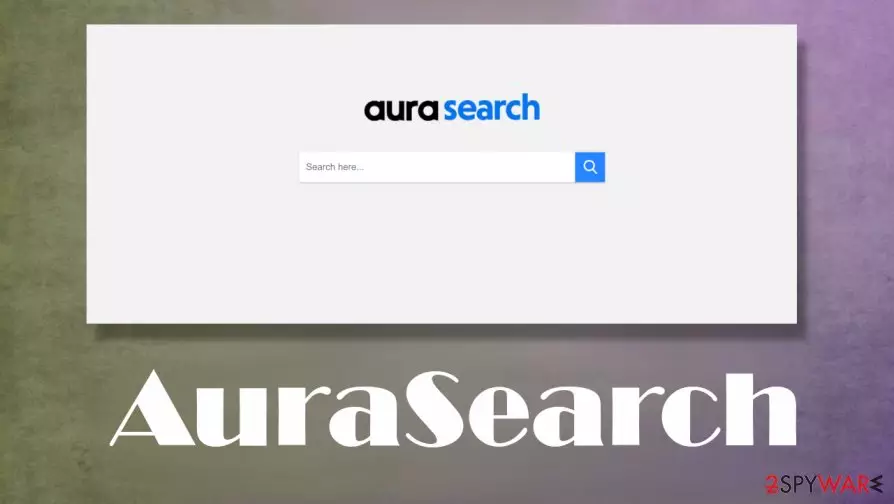
AuraSearch is a threat that can be considered a potentially unwanted program because it triggers unwanted changes on the browser and can affect the time online with its shady processes and actions. This is the adware-type program that creates issues within the browser but can also interfere with some processes happening in the background, so the system becomes slower than usual, and users might also experience sole crashes or general lag. The intruder is associated with the Adload family that is known for delivering various commercial content to screens to control the traffic online. This is a common method used by various adware and browser hijacker[1] applications, so the infected machine is working for the revenue generation[2] that is the main goal of advertisers and PUP sponsors.
| Name | AuraSearch Mac Adware |
|---|---|
| Type | Potentially unwanted program/ mac virus |
| Distribution | The program spreads around during the insecure freeware installation process and with the help of other PUPs |
| Issues | The particular program can interfere with searching online and lead to privacy issues with data tracking functionalities |
| Elimination | Remove AuraSearch Mac Adware as soon as possible with the help of anti-malware tools |
| Repair | You should take care of the damage that PUP causes, so run a proper program like FortectIntego to do so |
The name of this AuraSearch Mac Adware dictates that the site is a browser hijacker that affects Google Chrome, Safari, Mozilla Firefox, or different browsers and shows questionable online results browsing sessions. However, it is the adware program that generates online ads and redirects constantly, so these browser modification functions are not the only issues created by the PUP.
AuraSearch virus manages to find the way on devices and affects performance without users' permission, so it acts as any other PUp that relies on collecting browser-based data and other private information that can be useful for advertisers and other content creators. You should consider this site and associated programs as dangerous and remove them as soon as possible.
AuraSearch Mac Adware can be associated with other browser-based intruders like: RequestPlan; NetInput; or ExpandedSkill. These applications work similarly because they are downloaded with user control and can affect the machine immediately after the infiltration.
AuraSearch Mac Adware removal procedure gets affected because of the fact that PUP distributes with the help of freeware installations and shady content like fake program updates. One of the more common ones – fake Adobe Flash Player installers. People need to find all the pieces related to this intruder to terminate the threat fully. That is difficult.

You would note that the best way to remove AuraSearch Mac Adware is running a proper system tool like SpyHunterCombo Cleaner or MalwarebytesMalwarebytes that are focused on security and can find malware, PUPs, cyber infections, other intruders, or possibly dangerous programs. You cannot find all the pieces yourself manually, so engines that are focused on removing malware can help. Also, system improvements can be made using a checkup on the OS with FortectIntego.
Do not forget that apps like these show banners, pop-ups with coupons, offers, surveys, and other malicious content to generate more views and trigger reroutes to possibly malicious pages. Internet is a place full of various possibly dangerous material, so browsing such sites continuously can lead to more issues than you think.
AuraSearch Mac Adware is especially dangerous because of the third-party company relation. Experts[3] always note that information can be gathered by these advertisers and other companies that possibly get access to data like IP addresses, browsing habits, most viewed or searched items. Be aware of the possible issues with privacy and identity theft.

Deceptive content leads to infiltration on various PUPs
The program that affects your time online and browser activities most likely got installed by yours truly. It happens behind your back because software bundling is a thing. There are various sites and services that allow these PUPs to spread with other intruders and trigger issues regarding the advertising content and redirects.
Fortunately, you can control some of such instances by choosing an official program provider, a reliable download site, and avoiding torrents, pirating, or p2p platforms. Also, you need to build a healthy habit of choosing Advanced or Custom installation options every time you download or install anything on the machine. This way, you can see what applications get installed automatically and deselect any unwanted pieces.
Removing AuraSearch virus is difficult unless you use a reliable AV tool
The best tip we as spyware analysis can provide – to remove AuraSearch Mac Adware or any other cyber threat using proper programs built for such procedures. Anti-malware tools can check various parts of the machine, even folders on your macOS device, and indicate possible intruders, malicious or dangerous data.
When you rely on anti-malware or security tools, you can perform an automatic AuraSearch Mac Adware removal procedure, so the intruder is completely eliminated and cannot create more issues with your device. This way, your computer is virus-free again and can work as it is supposed to. Do not forget about virus damage and run tools that can repair issues with the corruption of startup and registry too.
Delete from macOS
Remove the unwanted application:
- From the menu bar, select Go > Applications.
- In the Applications folder, look for any suspicious entries, then drag them to Trash (or right-click and pick Move to Trash).


Delete leftover files and folders:
- Select Go > Go to Folder.
- Enter /Library/Application Support and remove any suspicious folders related to the unwanted program.
- Repeat the same check in the /Library/LaunchAgents and /Library/LaunchDaemons folders, deleting any suspicious entries.

- Finally, empty the Trash to permanently remove the leftovers.

Remove from Mozilla Firefox (FF)
Remove dangerous extensions:
- Open Mozilla Firefox browser and click on the Menu (three horizontal lines at the top-right of the window).
- Select Add-ons.
- In here, select the unwanted extension and click Remove.


Reset the homepage:
- Click three horizontal lines at the top right corner to open the menu.
- Choose Settings.
- Under Home, set your preferred homepage and new tab settings.
Clear cookies and site data:
- Click Menu and pick Settings.
- Go to Privacy & Security section.
- Scroll down to locate Cookies and Site Data.
- Click on Clear Data...
- Select Cookies and Site Data and Temporary cached files and pages, then click Clear.


Reset Mozilla Firefox
If clearing the browser as explained above did not help, reset Mozilla Firefox:
- Open Mozilla Firefox browser and click the Menu.
- Go to Help and then choose Troubleshooting Information.

- Under Give Firefox a tune up section, click on Refresh Firefox...
- Once the pop-up shows up, confirm the action by pressing on Refresh Firefox.



Remove from Google Chrome
Delete malicious extensions from Google Chrome:
- Open Google Chrome, click on the Menu (three vertical dots at the top-right corner) and select More tools > Extensions.
- In the newly opened window, you will see all the installed extensions. Uninstall all suspicious extensions related to the unwanted program by clicking Remove.


Clear cache and web data from Chrome:
- Click on Menu and pick Settings.
- Under Privacy and security, select Clear browsing data.
- Select Browsing history, Cookies and other site data, as well as Cached images and files.
- Click Clear data.


Change your homepage:
- Click menu and choose Settings.
- Look for a suspicious site in the On startup section.
- Click on Open a specific or set of pages and click on three dots to find the Remove option.
Reset Google Chrome:
If the previous methods did not help you, reset Google Chrome to eliminate all the unwanted components:
- Click on Menu and select Settings.
- In the Settings, scroll down and click Advanced.
- Scroll down and locate Reset and clean up section.
- Now click Restore settings to their original defaults.
- Confirm with Reset settings.


Delete from Safari
Remove dangerous extensions:
- Open Safari, click Safari in the menu at the top-left of the screen, and select Preferences.
- Go to the Extensions tab, look for any suspicious entries, and click Uninstall to remove them.


Clear history and website data:
- Click Safari in the menu and pick Clear History.
- Set Clear to all history and confirm with Clear History.


Reset Safari:
- Click Safari in the menu and select Preferences > Advanced.
- Enable Show Develop menu in menu bar.
- From the menu bar, click Develop and select Empty Caches.


Did this guide help?
Be the first to comment