
See-me.xyz ads: what it is and how to remove it
See-me.xyz is a redirect virus that users may encounter on their web browsers via Google Chrome, Mozilla Firefox, Safari, MS Edge, or another web browser, after clicking on a link via social media platforms. At first glance, the site looks relatively harmless, as it displays Easter greetings card to users.
Facts checked October 6, 2026. Removal steps tested on Windows 11 (26H2) and checked against Microsoft's and the browser makers' current documentation. Sections marked as our earlier report are the original text: they describe the threat as it was then and have not been reviewed since. The 2026 status, the removal steps and the questions are current.
Automatic
Get a free scan and check if your PC is infected.
Fortect finds malware, unwanted programs and the Windows damage they leave behind, and repairs it in one pass.
If redirects to see-me.xyz keep coming back, a free scan can check extensions, programs and browser settings in one pass.
Do it yourself · free Remove See-me.xyz ads yourself 3 steps, about 9 minutes, no software needed.
Start the steps
See-me.xyz ads: summary
| Distribution | Social media platforms (messengers) like WhatsApp, Facebook, etc. |
|---|---|
| Name | See-me.xyz |
| Type | Redirect virus, malware |
| Related | Open-fast.com, Wish-you.co |
| Activities | Injects processes into built-in Windows APIs in order to repopulate the scam message to everybody in the user's friend list and steals sensitive information |
| Goal | To steal sensitive information from victims, such as their account credentials, passwords, emails, and other data |
| Removal | Scan the PC with security software to find and remove the malware and anything installed with it. Fortect scans Windows for malware and repairs the system files and settings it damaged. Remove it nowTo use the full-featured product, you have to purchase a license for Fortect. The scan is free. |
Show 10 more facts
| Remedy | Delete the phishing message that was sent to you via the social media platform, change all your passwords and scan the machine with anti-malware software |
|---|---|
| Detection names | No Microsoft detection name is known |
| Damage | Not recorded in the old report |
| Symptoms | Redirects to an unknown domain |
| Evidence | 4 write-ups by security sites; details still limited |
| Domains | see-me.xyz |
| Ads shown as | Redirects through ad pages |
| Browsers | Chrome, Edge and Firefox |
| First seen | 14 April 2020 |
| Facts checked | 6 October 2026 |
What the See-me.xyz ads ads look like
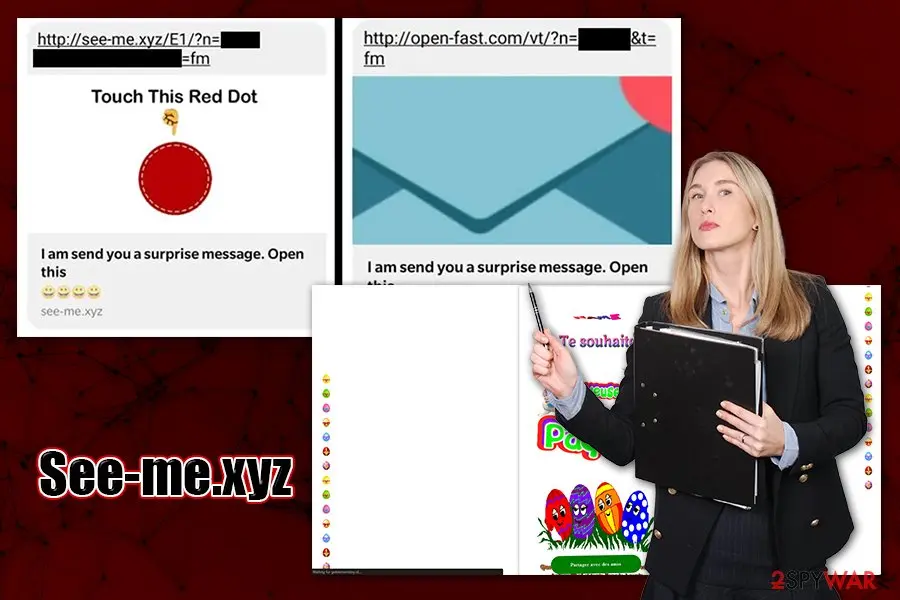
I am send you a surprise message. Open this
Is See-me.xyz ads dangerous?
From our report of Apr 2020 · not reviewed since
See-me.xyz is a phishing site that seeks to exfoliate personal data from its visitors
See-me.xyz is a redirect virus that users may encounter on their web browsers via Google Chrome, Mozilla Firefox, Safari, MS Edge, or another web browser, after clicking on a link via social media platforms.
At first glance, the site looks relatively harmless, as it displays Easter greetings card to users. However, See-me.xyz is used in a phishing scheme that is designed to steal sensitive information from victims, including their credentials of emails, Facebook, and much more.
As soon as users click on a malicious See-me.xyz message link, they will be redirected to another malicious site and will be asked to provide sensitive information, such as Facebook account login details.
Do not enter this data, or you can have your personal security compromised - it can be later sold to cybercriminals or used for phishing campaigns. According to Cyber Security Philippines – Computer Emergency Response Team, See-me.xyz is a part of a broader campaign that includes Open-fast.com, Wish-you.co, and others.
Seasonal scams are very prevalent, as users are looking for ways to celebrate and deliver greetings cards to their family members, co-workers, and friends. The emergence of See-me.xyz before Easter holiday season does not come as a surprise, as similar scams used occasions like Christmas, Father's Day, New Year, and others.
Nonetheless, all these "greeting cards" were made in just as few minutes, using dated animations, cheesy texts, and simply feel dated. If you are looking for a greeting card service, See-me.xyz is not the one, as not only does it looks disappointing, but it might also result in malware infections or personal information compromise.
As previously noted, such platforms like Facebook Messenger or WhatsApp can be used to deliver malicious links to users. Quite often, the See-me.xyz link is delivered from somebody in the friend list, providing a false sense of security, since users think that the link is safe. It also shows a small picture that includes a red dot saying "Touch This Red Dot" and the following message text:
Once the message is opened, users are prompted to enter information such as a name and then press "Go" allegedly to create a greeting card. However, See-me.xyz performs a variety of malicious processes in the background, such as using the built-in Windows APIs in order to inject code into the machine (a technique known as hooking), providing temporary access to pre-programmed functions.
As a result, those who click on links can have their personal information stolen and send the same message via social media platforms to their friends, proliferating See-me.xyz malware further.
If you clicked on a malicious link, you should remove See-me.xyz virus by deleting the message from the social media and scanning the machine with anti-malware.
Additionally, you should change all your passwords of your email, Facebook, and other accounts, as well as enable two-factor authentication where possible. Also, if you open See-me.xyz, your friends might start receiving the same message on social media from you, so you should warn them immediately.
See-me.xyz is just one of many cheaply-made greetings card sites that are closely related to malicious activities. According to Philippines cybersecurity body CERT, See-me.xyz is a part of a broader operation that includes many more sites incorporating a similar greeting card theme, including:
Since the attack is performed by using built-in APIs and background scripts, nothing is technically installed on the system, so See-me.xyz removal should consist only of a phishing message elimination, as well as the immediate password change.
- wish4u.co
- look-me.co
- my-msg.co
- whatsapp-style.co
- my-love.co
- see-magic.co, and many more.

From our report of Apr 2020 · not reviewed since
Ways to avoid getting scammed on social media platforms
Computer threats like Facebook virus, Discord virus, or WhatsApp virus are typically propagated with the help of communications platforms and usually involves some form of phishing.
Phishing takes all forms and sizes, as it is often employed in malware distribution and data-stealing campaigns by many, including state-sponsored cybercriminal groups, tech support scammers, and of unfair individuals.
In the case of social media scams, user accounts often get compromised in order to propagate a malicious message further, infecting others with malware or redirecting to spoofing, scam, and similar sites.
The message is usually brief and often implies that there is something interesting behind the link, such a video about the individual who is being targeted. Since such scam message often comes from users' friends, no suspicions are experienced, and victims simply proceed with clicking the link.
Therefore, you should also be wary of links that are suddenly sent to you - especially those that come from unknown individuals. Never click on them immediately without finding out that they are legitimate.
To make matters easier, you can always scan links with online tools like Virus Total. Keep in mind that, under certain circumstances (when your browser or another program has a vulnerability), malware can be downloaded and installed automatically as soon as you click a suspicious link.

From our report of Apr 2020 · not reviewed since
Secure your safety after encountering See-me.xyz
The so-called See-me.xyz virus, which is actually an online cyberattack, is something that all users who encountered it should be concerned about.
As previously mentioned, there is no need to actually remove See-me.xyz per se, as there is most likely nothing installed on your system, and the activities are performed as long as the victim stays on the site. However, you should still employ anti-malware software and perform a full system scan to ensure that your computer is not infected with something more sinister.
Thus, See-me.xyz removal consists of immediately deleting the social media message from the platform and informing the affected users, as your account might have sent out similar messages without your knowledge.
Remember, receiving the message will not harm you, and all your personal information will remain safe. As soon as you click on See-me.xyz phishing link, however, you should treat the event as a sensitive data compromise, and immediately change passwords of your accounts and enable two-factor authentication.
From our report of Apr 2020 · not reviewed since
More from our earlier report on See-me.xyz
- If you clicked on the malicious link, you should inform your social media friends about the event.
- Also, enable two-factor authentication for all accounts that it is available on.
- If your computer is slow, lagging, or displaying errors, employ to fix system damage
Check your browser and PC
- Address:
see-me.xyz
How to remove See-me.xyz ads
Work in this order and test a few links after each step, so you know which one was the cause.
Step 1: Check the browser's extensions
A browser that keeps landing on
see-me.xyzby itself usually has an add-on doing it. Open the extension list (chrome://extensions, edge://extensions, or Extensions and themes in the Firefox menu) and remove anything you do not remember installing.Coupon, PDF, new tab, search and video downloader add-ons are the usual suspects. Do this in every browser on the Windows 11 or Windows 10 PC.
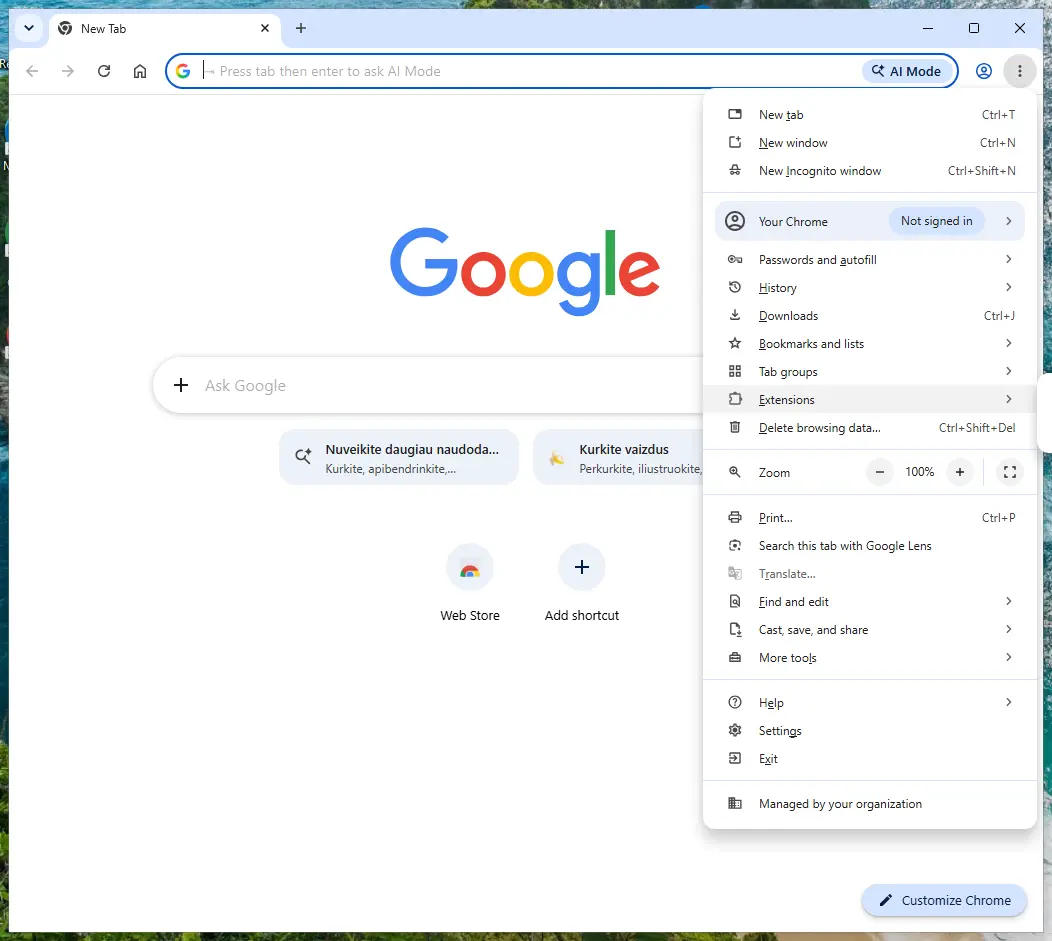
Chrome on Windows 11: More > Extensions > Manage extensions. Full procedure with screenshots: Remove a browser extension
Step 2: Reset the browser if the redirects continue
When
see-me.xyzkeeps opening after the extensions are cleaned, reset the browser to its defaults. Chrome: Settings > Reset settings > Restore settings to their original defaults; Edge: Settings > Reset settings; Firefox: Help > More troubleshooting information > Refresh Firefox.A reset keeps bookmarks and saved passwords but clears site permissions, the start page and the search engine.
If every browser still redirects afterwards, the cause is a program in Windows 11 or Windows 10: check Settings > Apps > Installed apps for anything you did not install.
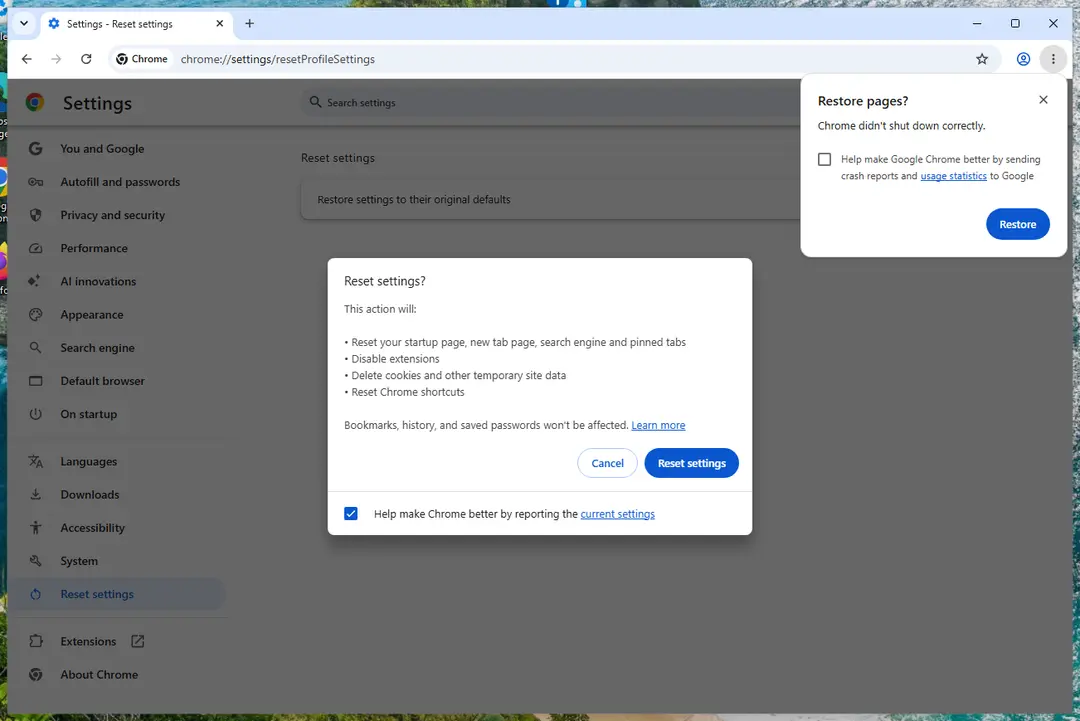
Chrome on Windows 11: Settings > Reset settings. Full procedure with screenshots: Reset a browser and fix a hijacked search engine
Step 3: Scan the PC if you downloaded anything from the ads
Most people who only saw the notifications can skip this step. If a notification or the page it opened made you download or run a file, delete the file and run a full scan, then a Microsoft Defender Offline scan.
In Windows 11 and Windows 10 open Windows Security > Virus & threat protection > Scan options, select Microsoft Defender Antivirus (offline scan) and click Scan now. The PC restarts and the scan takes about 15 minutes, so save your work first.
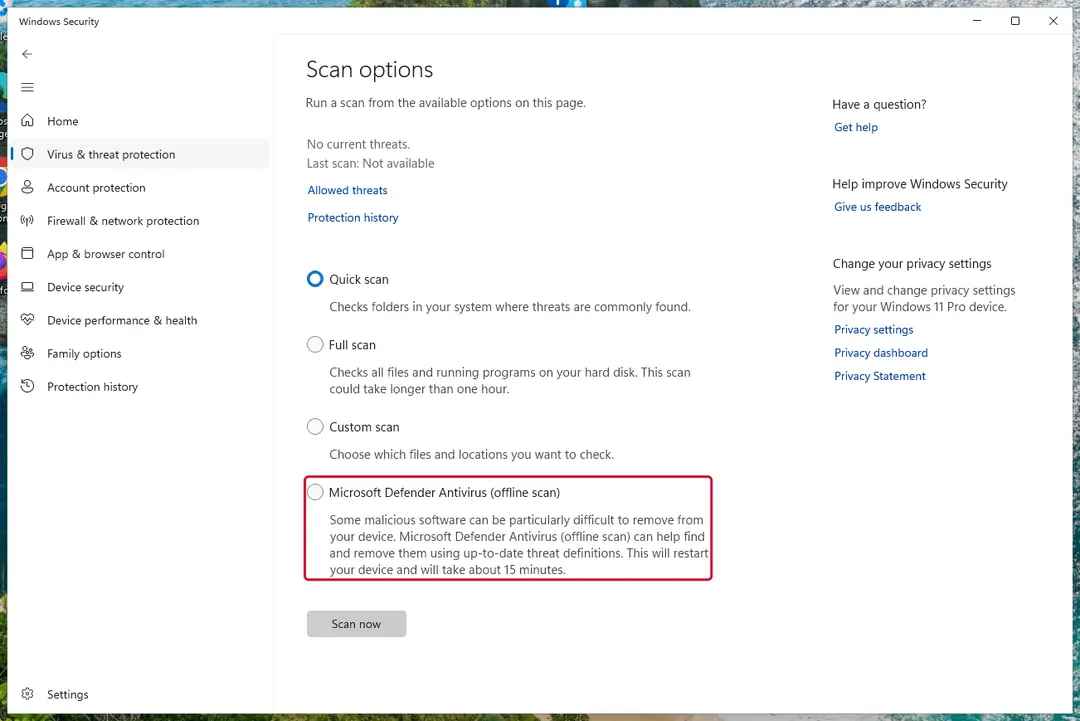
Windows 11: Windows Security > Virus & threat protection > Scan options. Full procedure with screenshots: Run a Microsoft Defender Offline scan
Instructions for each browser and system
The detailed steps for every browser and system this guide covers. Open the one you use.
Uninstall from Windows
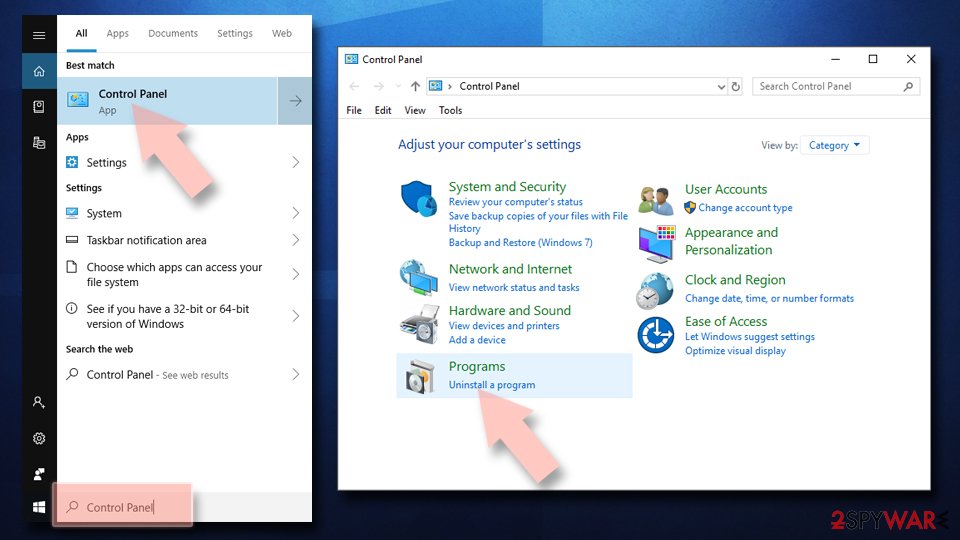
Uninstall from Windows 10/8:
- Type Control Panel into the Windows search box and open the result.
- Under Programs, select Uninstall a program.
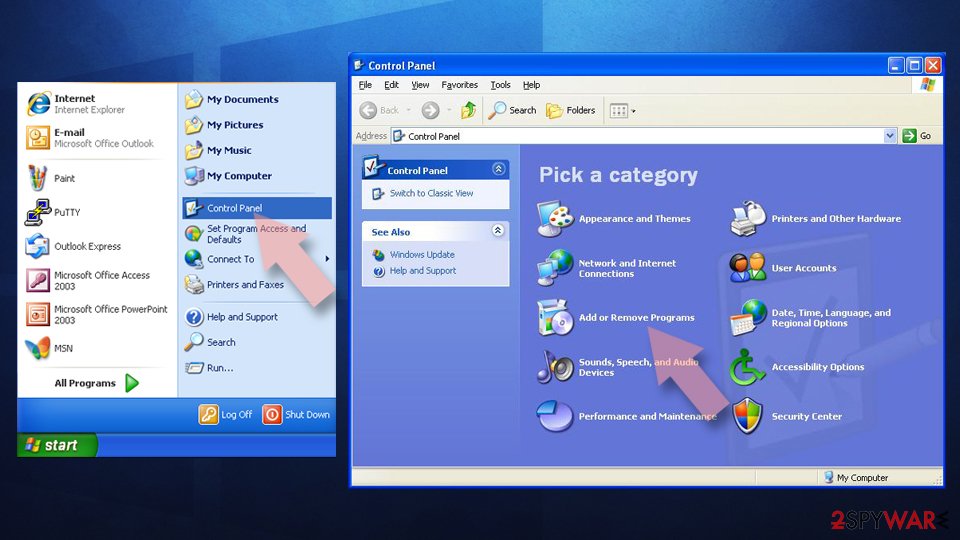
Uninstall from Windows 7/XP:
- Click on Windows Start > Control Panel (Windows XP users should click on Add/Remove Programs).
- In Control Panel, select Programs > Uninstall a program.
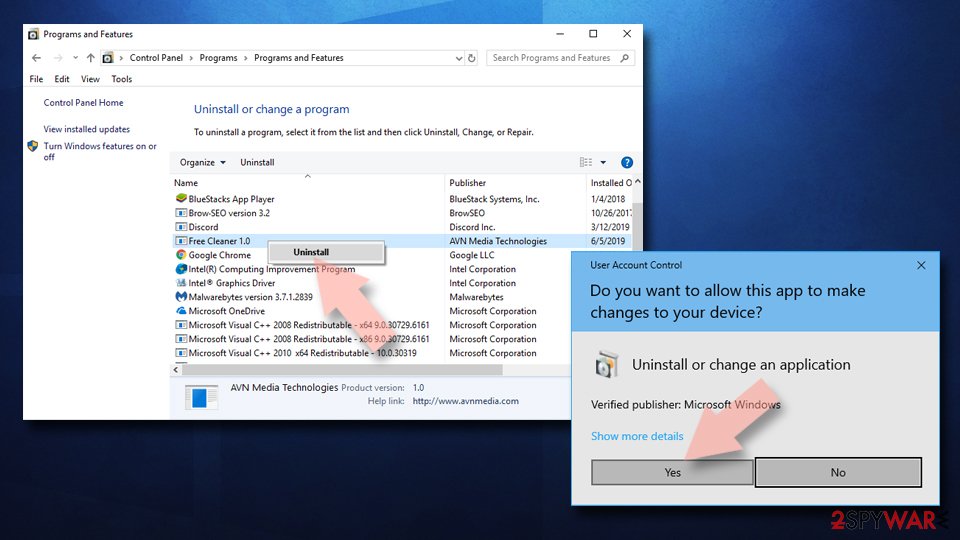
Remove the unwanted program:
- In the Programs and Features window, look for any recently installed suspicious entries, select them, and click Uninstall.
- If User Account Control appears, click Yes to confirm, then complete the removal.
Remove from Google Chrome
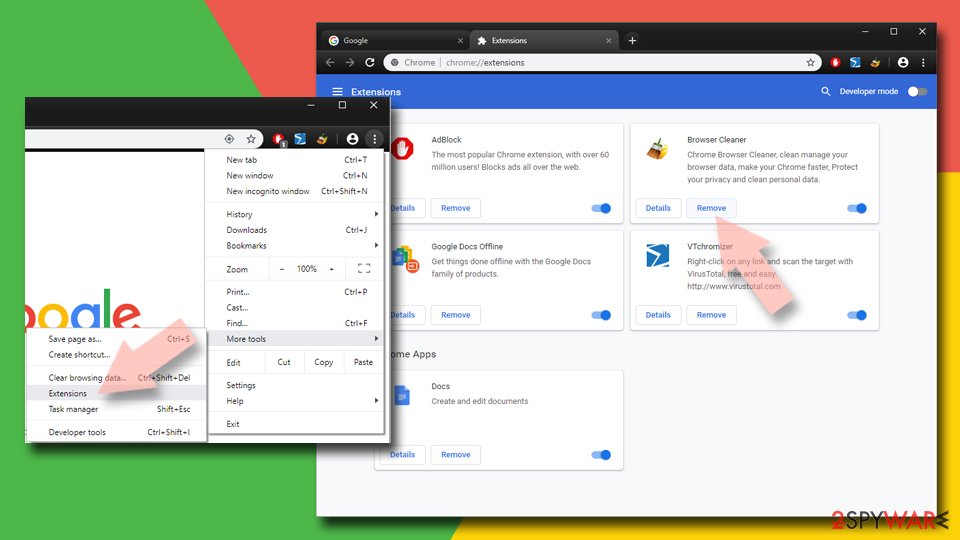
Delete malicious extensions from Google Chrome:
- Open Google Chrome, click on the Menu (three vertical dots at the top-right corner) and select More tools > Extensions.
- In the newly opened window, you will see all the installed extensions. Uninstall all suspicious extensions related to the unwanted program by clicking Remove.
Clear cache and web data from Chrome:
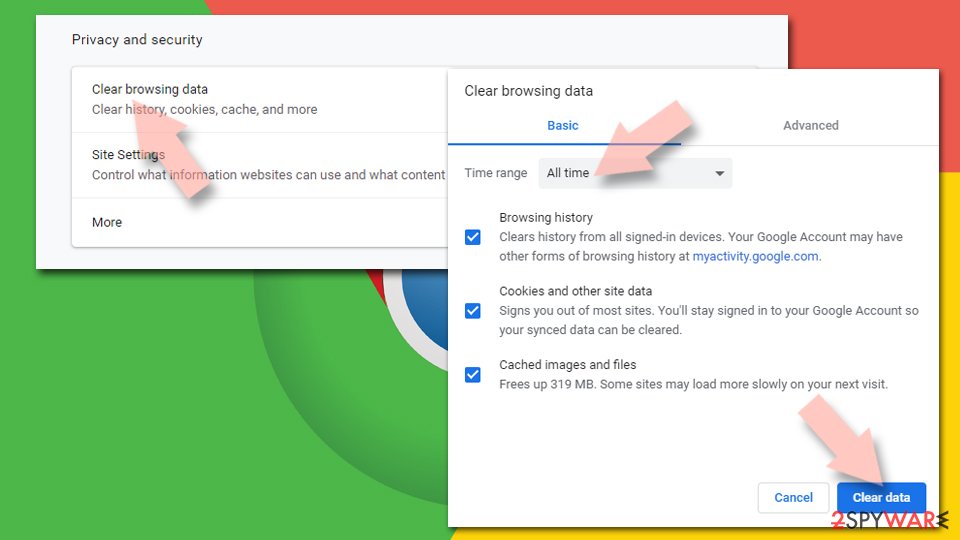
- Click on Menu and pick Settings.
- Under Privacy and security, select Clear browsing data.
- Select Browsing history, Cookies and other site data, as well as Cached images and files.
- Click Clear data.
Change your homepage:
- Click menu and choose Settings.
- Look for a suspicious site in the On startup section.
- Click on Open a specific or set of pages and click on three dots to find the Remove option.
Reset Google Chrome:
If the previous methods did not help you, reset Google Chrome to eliminate all the unwanted components:
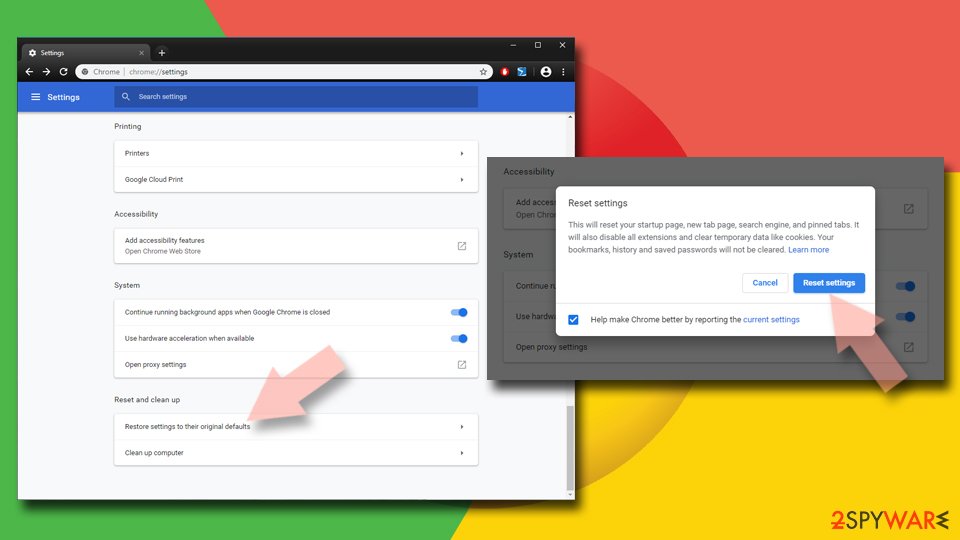
- Click on Menu and select Settings.
- In the Settings, scroll down and click Advanced.
- Scroll down and locate Reset and clean up section.
- Now click Restore settings to their original defaults.
- Confirm with Reset settings.
Remove from Microsoft Edge
Delete unwanted extensions from MS Edge:
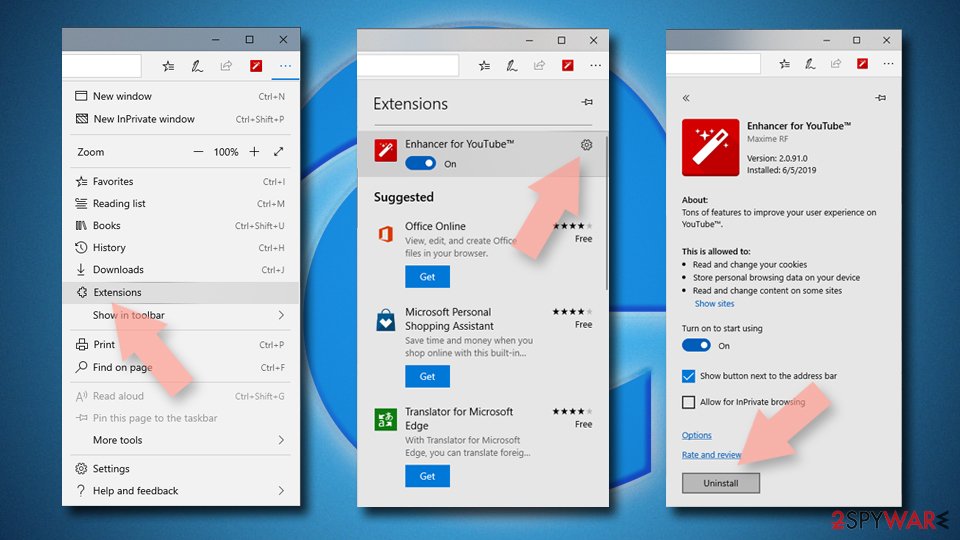
- Select Menu (three horizontal dots at the top-right of the browser window) and pick Extensions.
- From the list, pick the extension and click on the Gear icon.
- Click Remove.
Clear cookies and other browser data:
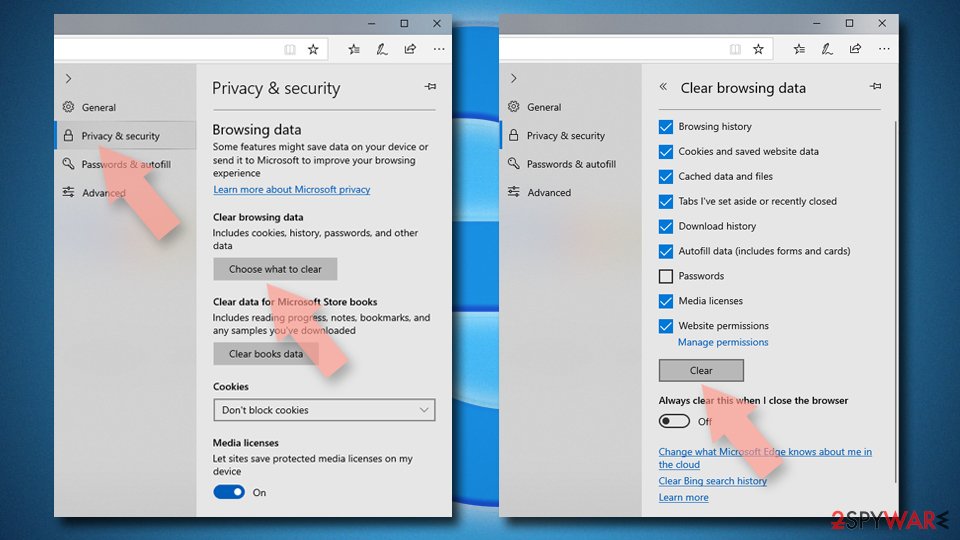
- Click on the Menu (three horizontal dots at the top-right of the browser window) and select Settings > Privacy, search, and services..
- Under Clear browsing data, pick Choose what to clear.
- Select Cookies and other site data and Cached images and files. (apart from passwords, although you might want to include Media licenses as well, if applicable) and click on Clear.
Restore new tab and homepage settings:
- Click the menu icon and choose Settings.
- Then find On startup section.
- Click Remove next to any suspicious startup page.
Reset MS Edge if the above steps did not work:
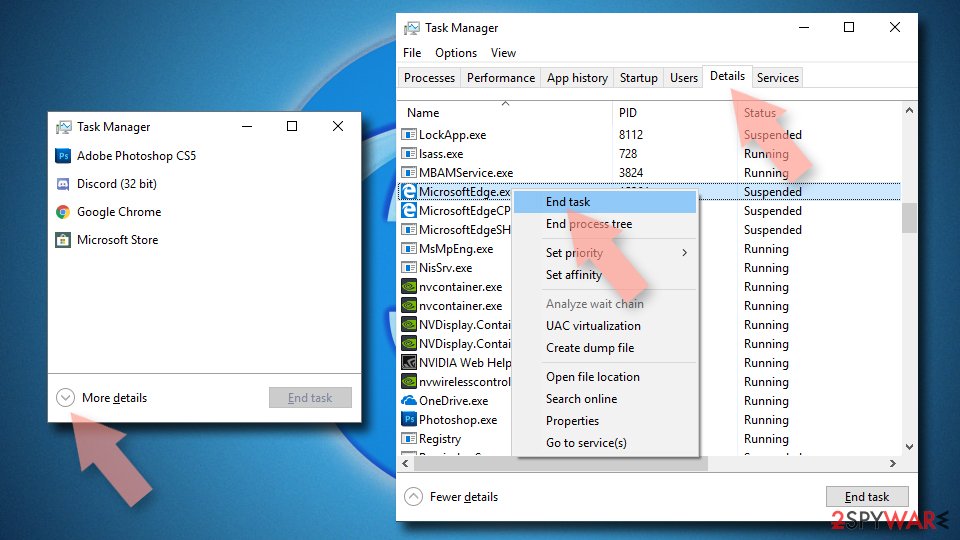
- Press on Ctrl + Shift + Esc to open Task Manager.
- Click on More details arrow at the bottom of the window.
- Select Details tab.
- Now scroll down and locate every entry with Microsoft Edge name in it. Right-click on each of them and select End Task to stop MS Edge from running.
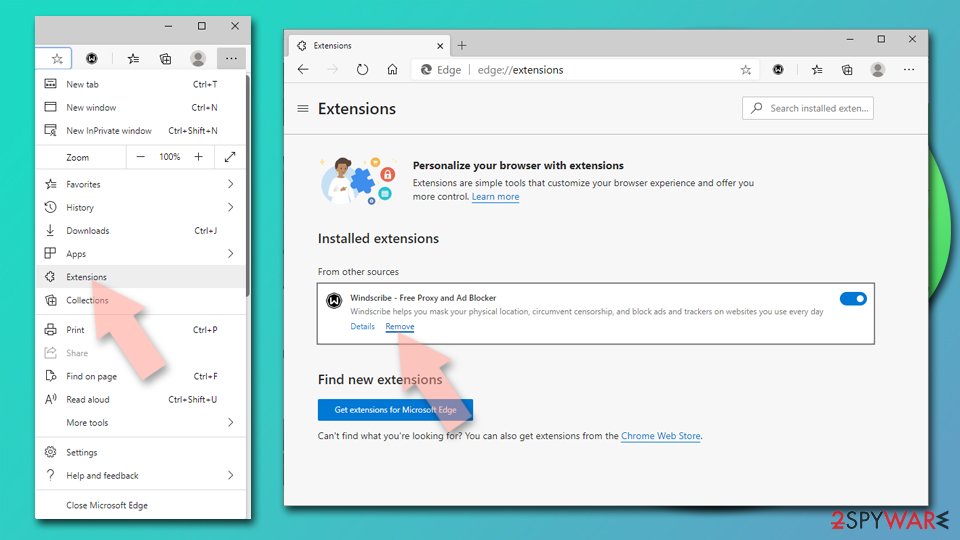
Delete extensions from MS Edge (Chromium):
- Open Edge and click select Settings > Extensions.
- Delete unwanted extensions by clicking Remove.
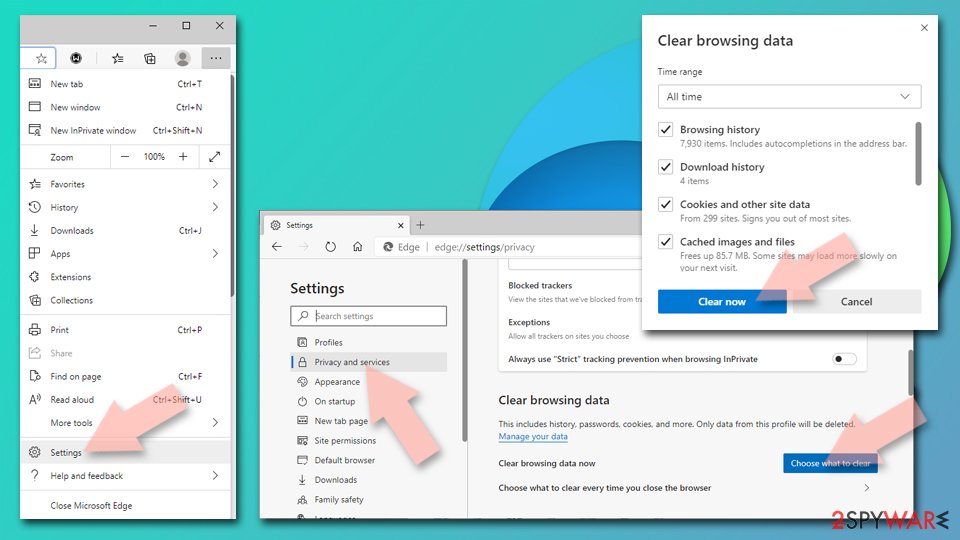
Clear cache and site data:
- Click on Menu and go to Settings.
- Select Privacy, search and services.
- Under Clear browsing data, pick Choose what to clear.
- Under Time range, pick All time.
- Select Clear now.
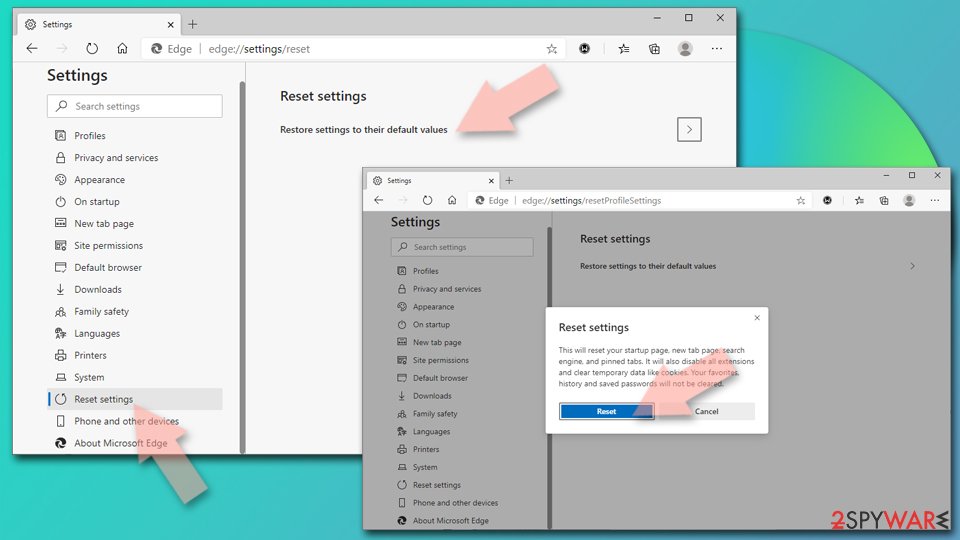
Reset Chromium-based MS Edge:
- Click on Menu and select Settings.
- On the left side, pick Reset settings.
- Select Restore settings to their default values.
- Confirm with Reset.
- This will disable extensions and reset startup pages but will not delete bookmarks, saved passwords, or browsing history.
Remove from Mozilla Firefox (FF)
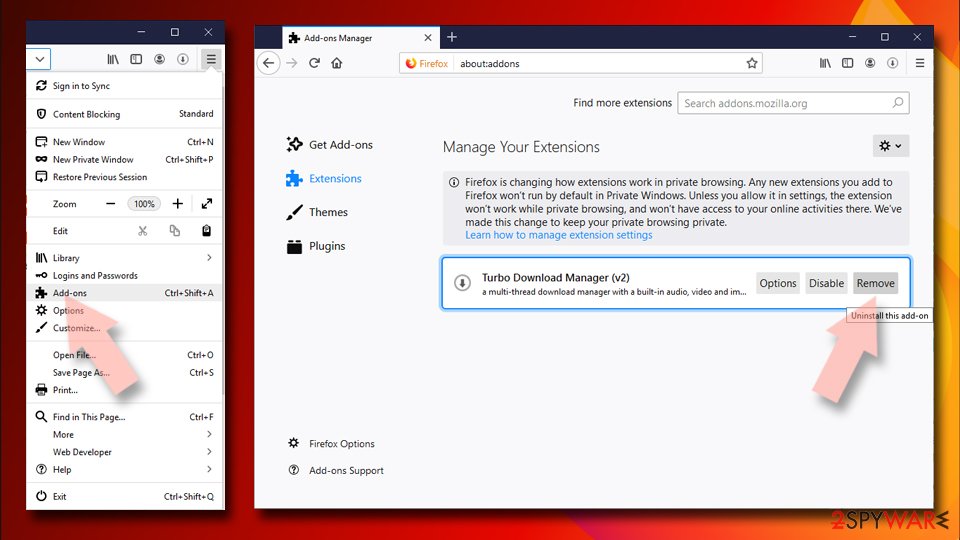
Remove dangerous extensions:
- Open Mozilla Firefox browser and click on the Menu (three horizontal lines at the top-right of the window).
- Select Add-ons.
- In here, select the unwanted extension and click Remove.
Reset the homepage:
- Click three horizontal lines at the top right corner to open the menu.
- Choose Settings.
- Under Home, set your preferred homepage and new tab settings.
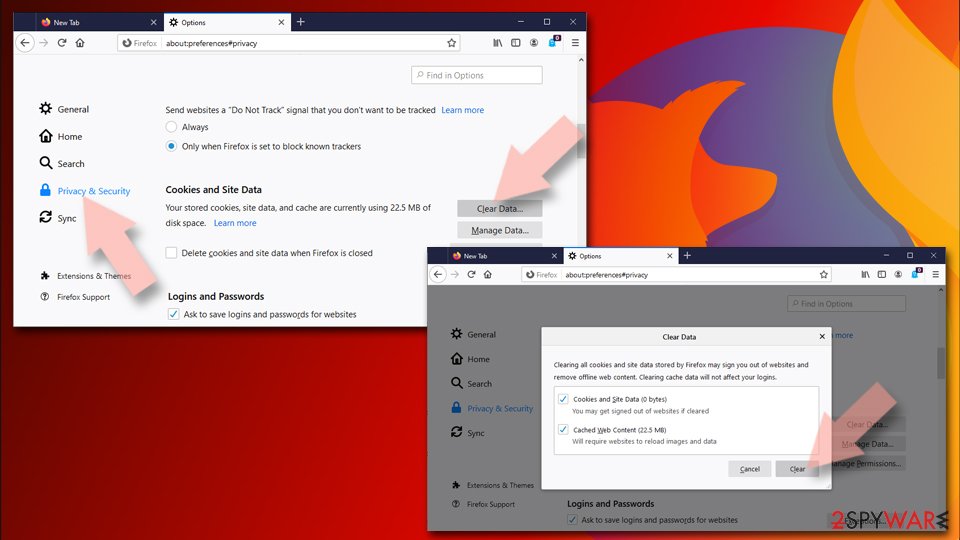
Clear cookies and site data:
- Click Menu and pick Settings.
- Go to Privacy & Security section.
- Scroll down to locate Cookies and Site Data.
- Click on Clear Data...
- Select Cookies and Site Data and Temporary cached files and pages, then click Clear.
Reset Mozilla Firefox
If clearing the browser as explained above did not help, reset Mozilla Firefox:
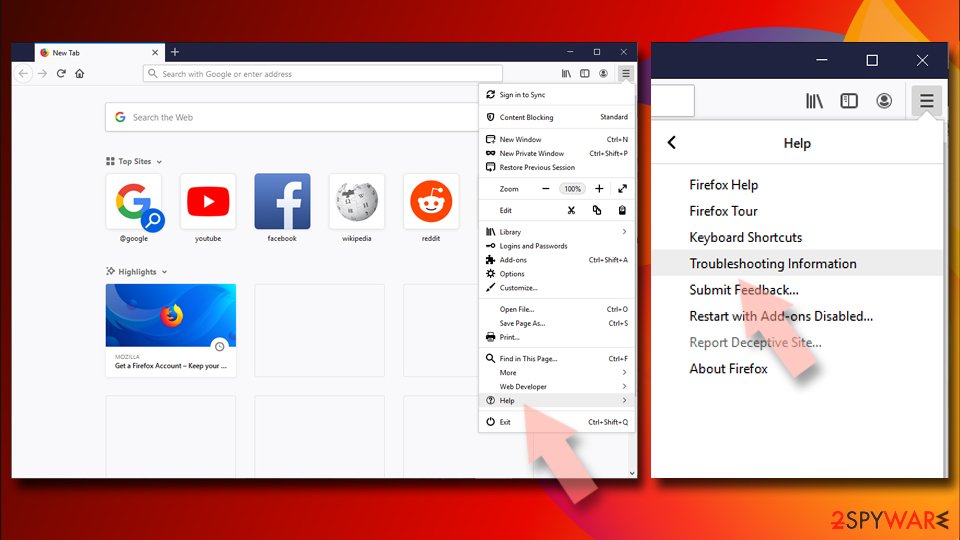
- Open Mozilla Firefox browser and click the Menu.
- Go to Help and then choose Troubleshooting Information.
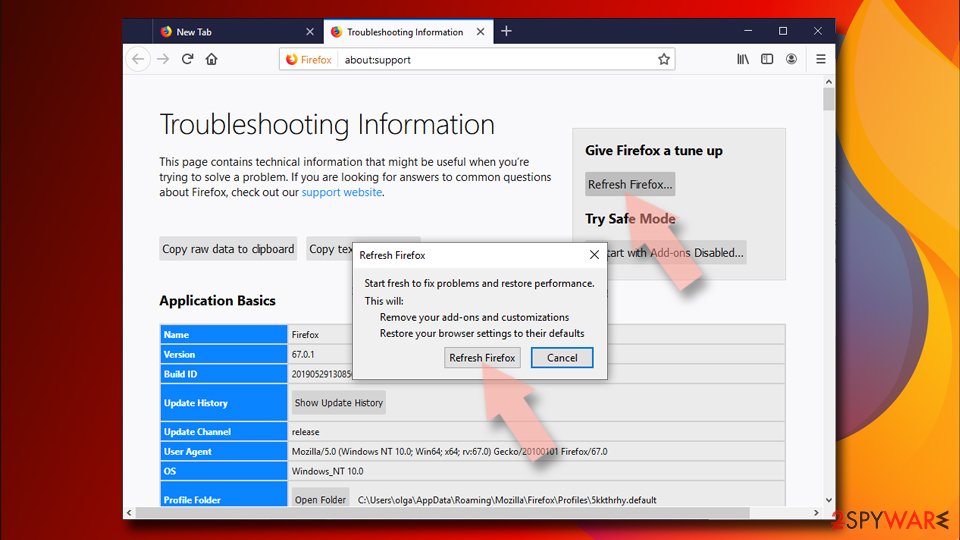
- Under Give Firefox a tune up section, click on Refresh Firefox...
- Once the pop-up shows up, confirm the action by pressing on Refresh Firefox.
Delete from Safari
Remove dangerous extensions:
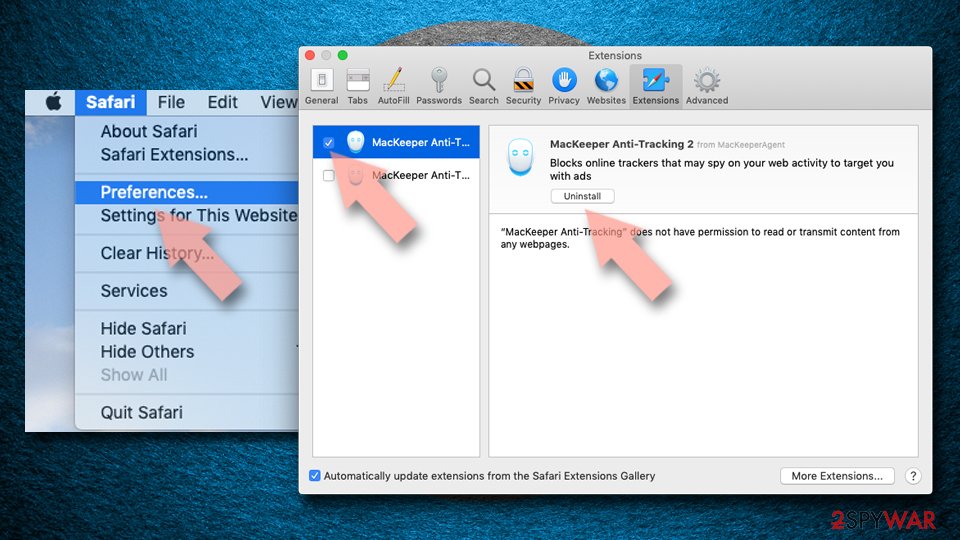
- Open Safari, click Safari in the menu at the top-left of the screen, and select Preferences.
- Go to the Extensions tab, look for any suspicious entries, and click Uninstall to remove them.
Clear history and website data:
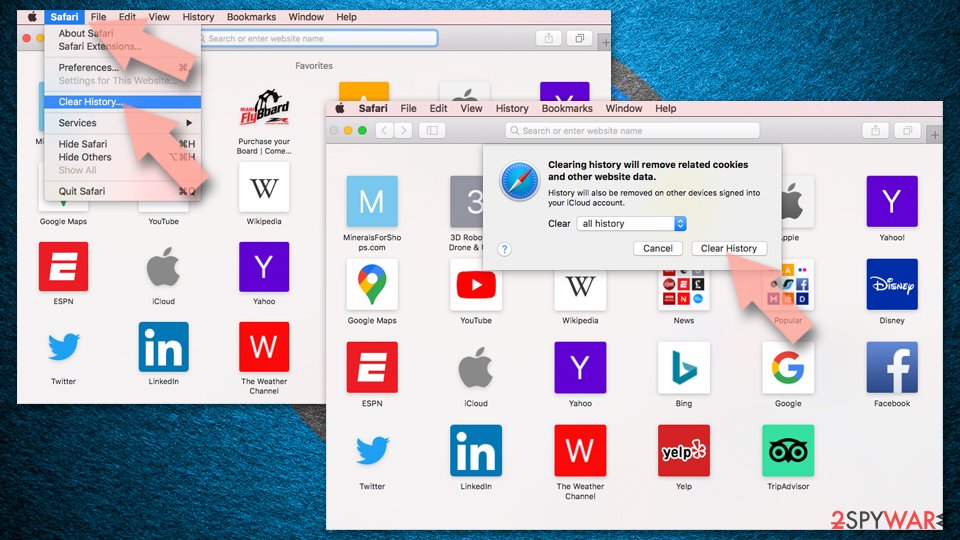
- Click Safari in the menu and pick Clear History.
- Set Clear to all history and confirm with Clear History.
Reset Safari:
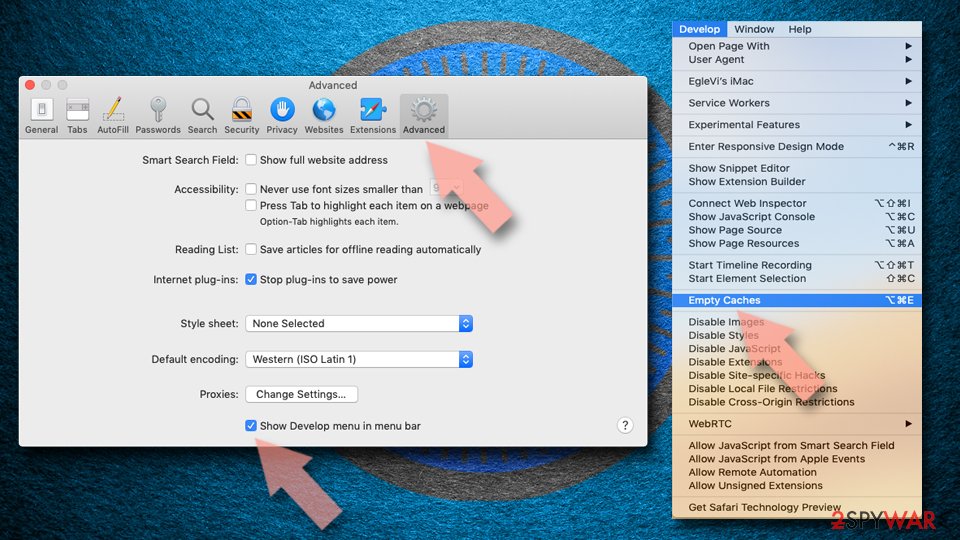
- Click Safari in the menu and select Preferences > Advanced.
- Enable Show Develop menu in menu bar.
- From the menu bar, click Develop and select Empty Caches.
Delete from macOS
Remove the unwanted application:
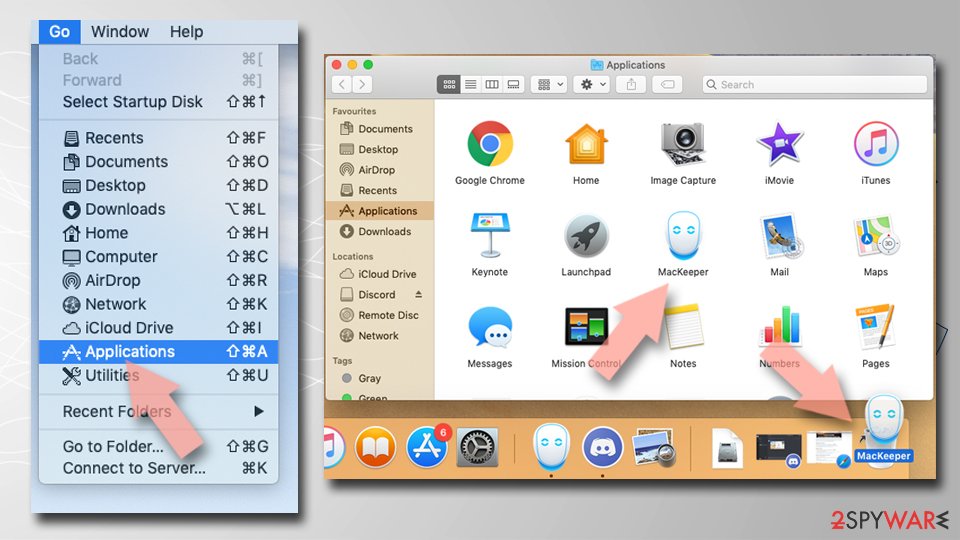
- From the menu bar, select Go > Applications.
- In the Applications folder, look for any suspicious entries, then drag them to Trash (or right-click and pick Move to Trash).
Delete leftover files and folders:
- Select Go > Go to Folder.
- Enter /Library/Application Support and remove any suspicious folders related to the unwanted program.
- Repeat the same check in the /Library/LaunchAgents and /Library/LaunchDaemons folders, deleting any suspicious entries.
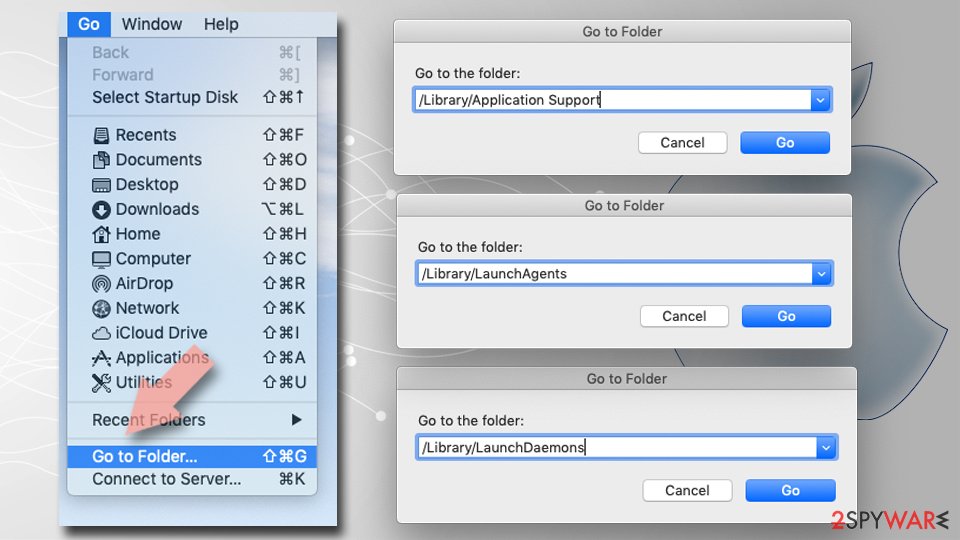
- Finally, empty the Trash to permanently remove the leftovers.
Stream videos without limitations, no matter where you are
There are multiple parties that could find out almost anything about you by checking your online activity.
While this is highly unlikely, advertisers and tech companies are constantly tracking you online. The first step to privacy should be a secure browser that focuses on tracker reduction to a minimum.
Even if you employ a secure browser, you will not be able to access websites that are restricted due to local government laws or other reasons. In other words, you may not be able to stream Disney+ or US-based Netflix in some countries. To bypass these restrictions, you can employ a powerful VPN, which provides dedicated servers for torrenting and streaming, not slowing you down in the process.
Data backups are important - recover your lost files
Ransomware is one of the biggest threats to personal data.
Once it is executed on a machine, it launches a sophisticated encryption algorithm that locks all your files, although it does not destroy them. The most common misconception is that anti-malware software can return files to their previous states. This is not true, however, and data remains locked after the malicious payload is deleted.
While regular data backups are the only secure method to recover your files after a ransomware attack, tools such as can also be effective and restore at least some of your lost data.
Questions about See-me.xyz ads
see-me.xyz opens when I click links. What causes it?
When every click leads to see-me.xyz first, an extension or a script on the page is rewriting the links. If it happens only on one site, that site uses aggressive ads; close it and use another source. If it happens everywhere, open the browser in a private window, where extensions are normally off, and try again.
No redirect in the private window means one of your extensions is responsible: remove the ones you do not know. A redirect in the private window too means the cause is outside the extensions, such as a notification permission, a changed search setting or a program installed on the PC. The removal steps in this guide cover each of those.
Did see-me.xyz install a virus on my PC?
Very unlikely, unless you downloaded and opened something from the pages it led to. Redirect domains such as see-me.xyz sell your visit to advertisers; they do not need to install anything to make money.
What can be installed is the thing that causes the redirects in the first place, such as an extension or an ad-supported program that came with free software. That is why the checks in this guide look at extensions, notification permissions and Installed apps.
A full scan with Microsoft Defender afterwards gives you a clear answer about the rest of the PC. If the scan is clean and the redirects stop after removing the cause, you are done.
What is See-me.xyz?
See-me.xyz is an ad redirect domain, a kind of adware. It earns money by showing redirects through ad pages, and each view, click or redirect pays whoever runs it. It is not something people usually choose; it arrives through a free download, a fake button or a misleading prompt.
See-me.xyz does not encrypt files or take control of Windows, but its ads are sold to anyone, including scam operators, so they can lead to fake virus warnings and unwanted downloads. The steps in this guide remove it from Windows and from each browser.
Why does see-me.xyz keep showing up?
There are two possible reasons. If it appears as desktop notifications, a browser on this PC was given permission to receive them from see-me.xyz, usually through a misleading prompt. That permission stays until you remove it in the browser's site settings.
If it appears as tabs or redirects, an ad on a site you visit is opening it, or an extension or program on the PC is. Test a private window: if see-me.xyz never appears there, an extension is the likely cause. The plan above covers each case.
Which browsers does See-me.xyz affect?
In the cases we checked, See-me.xyz showed up in Chrome, Edge and Firefox. That does not rule out others on your PC, since adware installers often target every browser they find, and permissions and extensions sync across computers signed in to the same browser account.
Open each browser you have, go to its extensions page and its notification settings, and remove anything you do not recognise. Profiles count separately: Chrome and Edge can each hold several, and each one needs checking on its own.
Are the pop-ups I see really from See-me.xyz?
Compare them with the details in the table above. See-me.xyz produces redirects through ad pages, and the clearest sign of it is redirects to see-me.xyz. Other adware looks similar, so check the name of the sending site at the bottom of a notification, the address in the tab that opened, or the newest entries on the extensions page.
If those match, this guide fits. If you see a different name, the same kind of steps apply, but remove the item you actually find rather than guessing.
I let a "support technician" from an ad connect to my PC. What should I do?
Act quickly but calmly. Disconnect the PC from the internet first, so the connection ends. Uninstall the remote access tool they asked you to install and check Installed apps for anything else added during the call.
Run a Microsoft Defender full scan and offline scan. From another device, change your e-mail and banking passwords and sign out of all sessions.
If you paid by card, bank transfer or gift card, contact your bank or the card issuer immediately, and report the scam to the police. Do not answer if they call back.
Did See-me.xyz collect my data?
Adware typically collects what it needs to choose ads:
- the sites you visit
- search terms
- approximate location
- browser and system details
Extensions with permission to read and change data on all websites can technically see everything on those pages, including forms. That is a privacy problem rather than proof of theft.
If you typed card details or passwords while it was active, changing the most important passwords is a reasonable precaution. Clearing cookies after removal ends the tracking sessions it may have started.
My scan found nothing, but the ads continue. Why?
Because the source may not be a file a scanner looks for. Browser notifications are a permission stored in the browser, and many adware extensions are not flagged because they come from an official store.
Some ad-supported programs are only reported if you enable detection of potentially unwanted apps. So a clean scan does not mean the job is done. Check each browser's notification permissions and extension list by hand, and turn on Potentially unwanted app blocking in Windows Security before scanning again.
Will Fortect remove See-me.xyz?
Fortect scans Windows for malware and unwanted programs and repairs the system files and settings they change, and its free scan shows what it finds on your PC before you decide anything.
For See-me.xyz, follow the plan above as well: the browser steps take back permissions and settings that no scanner treats as a threat, and uninstalling the program that brought it removes the source.
Run Microsoft Defender's full scan and, if anything was found, its offline scan as a second opinion. If the symptoms are gone after the plan and both scans are clean, there is nothing more to do.
Sources
- Mitre: Hooking (read October 6, 2026)
- Wikipedia: Vulnerability (computing) (read October 6, 2026)
- Google Chrome Help: Use notifications to get alerts (no longer online) (read October 6, 2026)
- FTC: How to recognize, remove and avoid malware (read October 6, 2026)
- Microsoft Learn: Microsoft Defender Offline (read October 6, 2026)